June 10, 2026 | by: Kuoda Authors


Patagonia does not respond well to urgency.
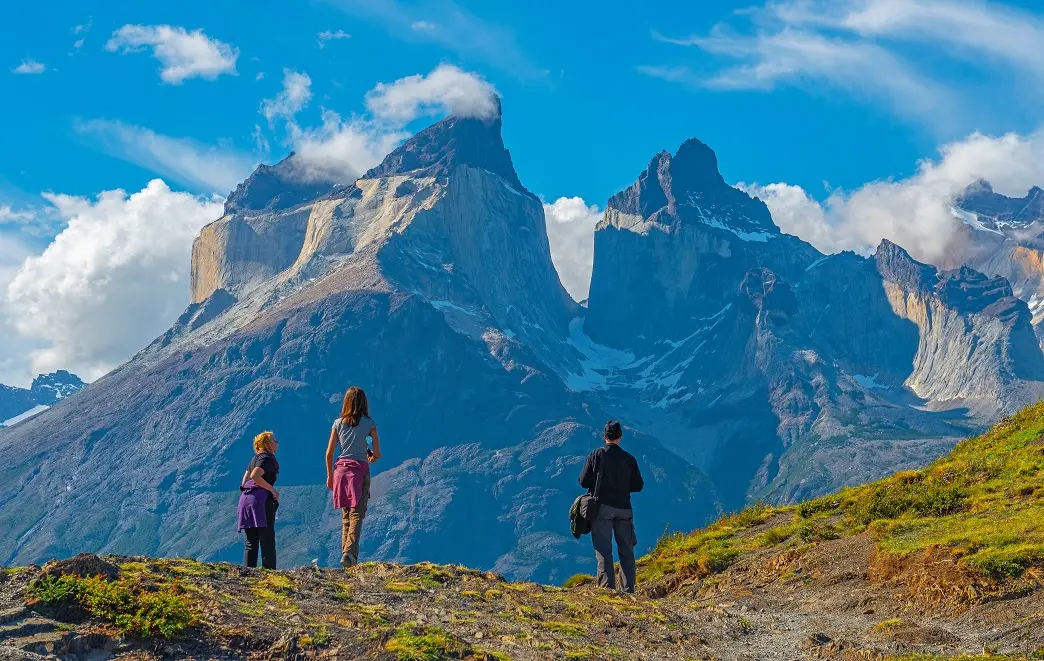
Travelers often arrive in Torres del Paine expecting dramatic scenery, and the region certainly delivers it immediately. Granite towers rise abruptly above glacial lakes, weather systems move visibly across open landscapes, and distances feel enormous in every direction. Yet what makes Patagonia emotionally powerful rarely comes from the first impression alone.
The region reveals itself gradually.
This is what makes Torres del Paine private travel so valuable when approached thoughtfully. The goal is not simply to access Patagonia comfortably, but to experience the landscape with enough continuity and flexibility that travelers remain connected to the environment rather than constantly managing logistics, weather shifts, or rigid schedules.
Torres del Paine works best when travelers stop trying to conquer it. The strongest journeys allow the landscape itself to determine the rhythm.
Patagonia Changes the Pace of Travel
One of the first things travelers notice in Torres del Paine is how quickly normal travel logic begins to feel irrelevant.
Distances cannot be measured only by kilometers because weather alters movement constantly. Wind changes perception physically. Light transforms the landscape hour by hour. A viewpoint that feels quiet and exposed in the morning may become entirely different by afternoon.
This unpredictability is part of Patagonia’s identity.
Travelers attempting to move through the region too aggressively often spend much of the journey reacting to logistics rather than absorbing the landscape itself. Thoughtful Torres del Paine private travel creates enough flexibility for travelers to adapt naturally to changing conditions instead of fighting against them.
Sometimes the most meaningful moments emerge unexpectedly: light breaking through storm systems over the mountains, silence settling after the wind softens temporarily, wildlife appearing during long stretches of stillness rather than during planned activity windows.
Patagonia rewards attentiveness more than efficiency.
Why Private Travel Matters in Torres del Paine
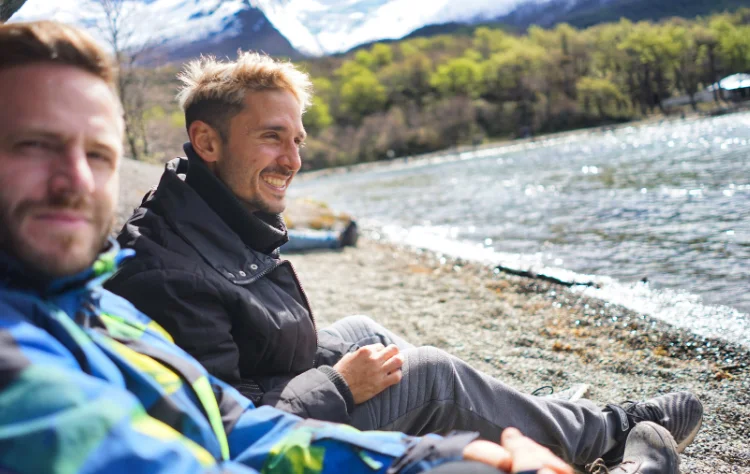
Torres del Paine can certainly be visited independently, but private travel changes the emotional quality of the experience significantly.
Patagonia is not a destination where luxury is defined primarily through visible excess. It is defined through continuity, positioning, timing, and the ability to move through remote landscapes calmly despite environmental unpredictability.
Private travel allows the journey to remain responsive.
Weather conditions can influence the order of exploration naturally. Timing can shift to avoid overcrowded viewpoints or improve environmental atmosphere. Travelers can move at their own pace rather than adapting to rigid group structures. Long pauses become possible without pressure to continue constantly toward the next scheduled stop.
This flexibility matters enormously in Patagonia because the environment itself is always changing.
The strongest Torres del Paine private travel experiences feel less scheduled and more observational. Travelers remain connected to the landscape because the journey leaves space for unpredictability rather than attempting to control it completely.
Patagonia Is Experienced Through Atmosphere
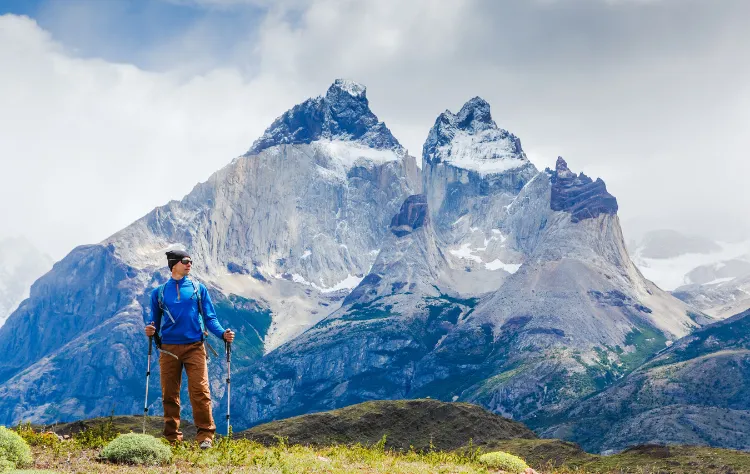
Many travelers initially focus on Patagonia’s famous landmarks: the towers themselves, glacial lakes, mountain trails, or expansive viewpoints.
Over time, however, travelers often remember something quieter.
The sound of wind across open plains. Light changing over distant peaks. The feeling of exposure while moving through enormous landscapes. The silence after weather systems pass. The emotional effect of distance itself.
Torres del Paine operates through atmosphere as much as scenery.
This is why pacing becomes so important. Travelers moving too quickly through Patagonia often collect viewpoints without fully entering the emotional rhythm of the region itself. The strongest journeys create enough stillness for travelers to notice how the environment changes continuously around them.
Patagonia is rarely experienced best through acceleration.
The Relationship Between Weather and Experience
Weather in Torres del Paine is not a complication separate from the experience. It is part of the experience.
Conditions shift rapidly throughout the park. Sunlight, rain, wind, and cloud movement often cycle through the landscape within a single day. Travelers expecting perfectly stable conditions sometimes struggle initially with this unpredictability.
Yet over time, many realize that Patagonia’s emotional depth comes precisely from this instability.
The landscape never feels static. Travelers become more aware of environmental movement itself: cloud shadows moving across mountainsides, lakes changing color under shifting skies, trails feeling entirely different depending on wind intensity or visibility.
This is another reason thoughtful private travel matters so much here.
Strong local operational understanding allows journeys to remain flexible enough to work with Patagonia’s changing conditions rather than becoming disrupted by them.
From our base in South America, we regularly see how much more immersive Patagonia becomes when travelers stop viewing weather as an obstacle and begin experiencing it as part of the landscape itself.
The Luxury of Fewer Transitions
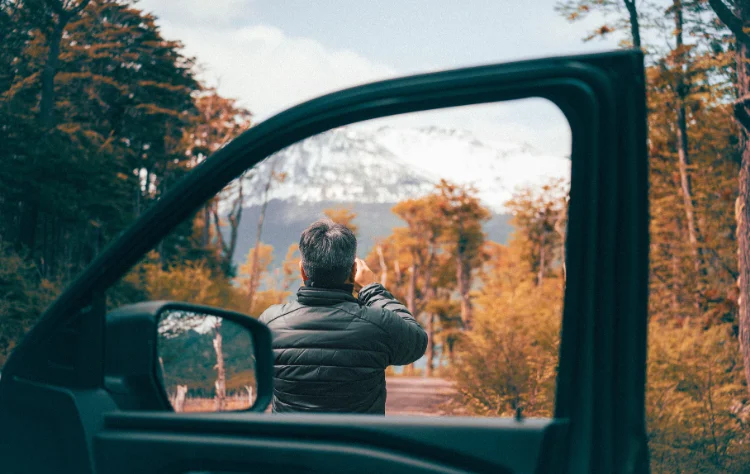
One of the biggest mistakes travelers make in Patagonia is trying to combine too much too quickly.
Torres del Paine often becomes more meaningful through longer stays and fewer transitions. Constant movement weakens the emotional continuity that gives the region its power. Travelers benefit enormously from remaining long enough in one environment for perception itself to slow down.
This is especially important because Patagonia can feel physically and emotionally expansive at the same time.
The strongest Torres del Paine private travel experiences often prioritize depth over coverage. A slower morning overlooking the landscape, additional time on a single trail, or simply remaining still long enough to watch weather evolve across the mountains frequently creates more lasting impact than adding another excursion purely for activity volume.
Patagonia reveals itself through repetition and patience.
Wildlife and Environmental Presence
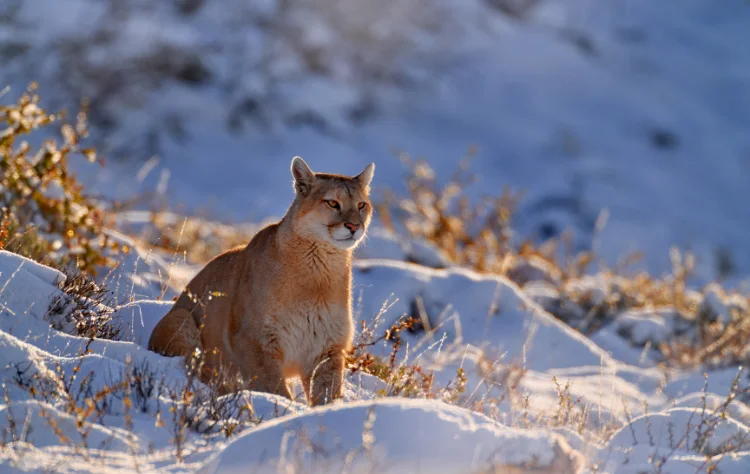
Torres del Paine also introduces a quieter relationship with wildlife than many travelers expect.
Animals appear naturally within the landscape rather than through staged encounters. Guanacos move across open plains, condors circle above mountain ridges, and foxes or pumas occasionally emerge within the broader environmental rhythm of the park.
This subtlety changes the atmosphere of travel.
Wildlife becomes part of the larger environmental system rather than isolated spectacle. Travelers begin paying closer attention to movement, weather, and silence because the landscape itself feels alive continuously.
The strongest journeys preserve this sense of observation rather than overwhelming it through excessive structure.
Sustainability and Patagonia’s Fragility
Patagonia’s remoteness can create the illusion that the landscape is untouched or unlimited.
In reality, the region remains environmentally sensitive and increasingly affected by tourism pressure, climate shifts, and infrastructure expansion. Responsible travel in Torres del Paine matters because the emotional impact of Patagonia depends largely on preserving the openness and environmental integrity travelers come to experience.
Thoughtful travel design naturally supports this:
- slower pacing
- smaller-scale lodges
- reduced unnecessary movement
- stronger environmental awareness
- respect for local conservation efforts
Travelers often connect more deeply to Patagonia when the journey feels aligned with the landscape rather than imposed upon it.
FAQs
What is Torres del Paine private travel?
Torres del Paine private travel involves personalized exploration of Patagonia with flexible pacing, private guiding, and thoughtfully designed experiences shaped around the traveler rather than fixed group schedules.
How many days should I spend in Torres del Paine?
Most travelers benefit from at least four to six days in Torres del Paine to experience Patagonia beyond rushed sightseeing and allow flexibility for changing weather conditions.
Why is private travel valuable in Patagonia?
Private travel allows greater flexibility around weather, pacing, timing, and environmental conditions, creating a calmer and more immersive Patagonia experience.
When is the best time to visit Torres del Paine?
Patagonia can be visited across multiple seasons, though conditions vary significantly. The strongest experiences depend more on thoughtful pacing and flexibility than on pursuing perfectly predictable weather.
Where Patagonia Begins to Slow Everything Down
Torres del Paine private travel often changes travelers less through singular moments than through gradual shifts in perception. Over time, weather stops feeling disruptive and begins feeling atmospheric. Silence becomes more noticeable than activity. Distances feel less like obstacles and more like part of the emotional structure of the landscape itself. Patagonia leaves its strongest impression when travelers stop trying to move through it quickly and begin allowing the region’s scale, unpredictability, and stillness to determine the pace of the journey naturally..
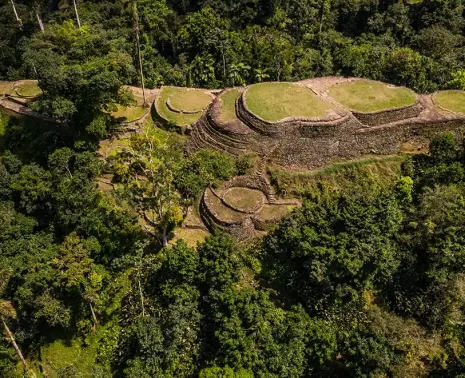
The Lost City Colombia and the Meaning of Reaching It
Some destinations are defined by what they are. Others by what it takes to reach them. The Lost City Col...
Read Post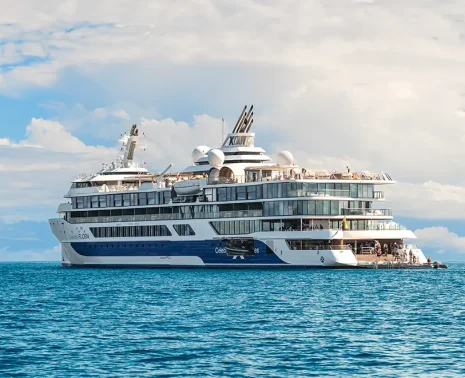
Best Galápagos Cruises: Choosing the Right Way to Experience the Islands
The phrase “best Galápagos cruises” suggests comparison. Ships, cabins, amenities, itineraries. It invite...
Read Post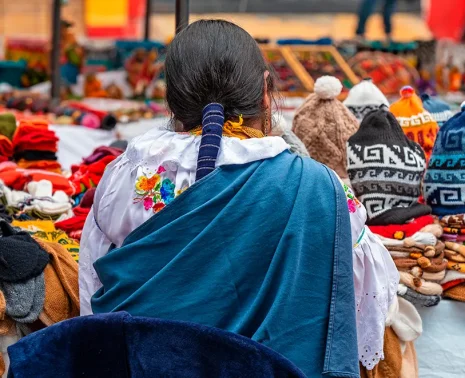
Designing an Ecuador Itinerary with Intention: How to Experience the Country Beyond the Obvious
An Ecuador itinerary is often approached as a checklist. A few days in Quito, a quick passage through the Ande...
Read Post
8 DAYS
Luxury Machu Picchu Tours: Unveiling Peru’s Timeless Wonders
Cusco, Lima, Machu Picchu, Sacred Valley

8 DAYS
Peru Family Vacation: Journey to Machu Picchu and Beyond
Cusco, Lima, Machu Picchu, Sacred Valley

11 DAYS
Amazon River Cruise: A Luxury Journey Through the Amazon
Lima, Cusco, Sacred Valley, Machu Picchu, Iquitos, Amazon River