July 03, 2026 | by: Kuoda Authors


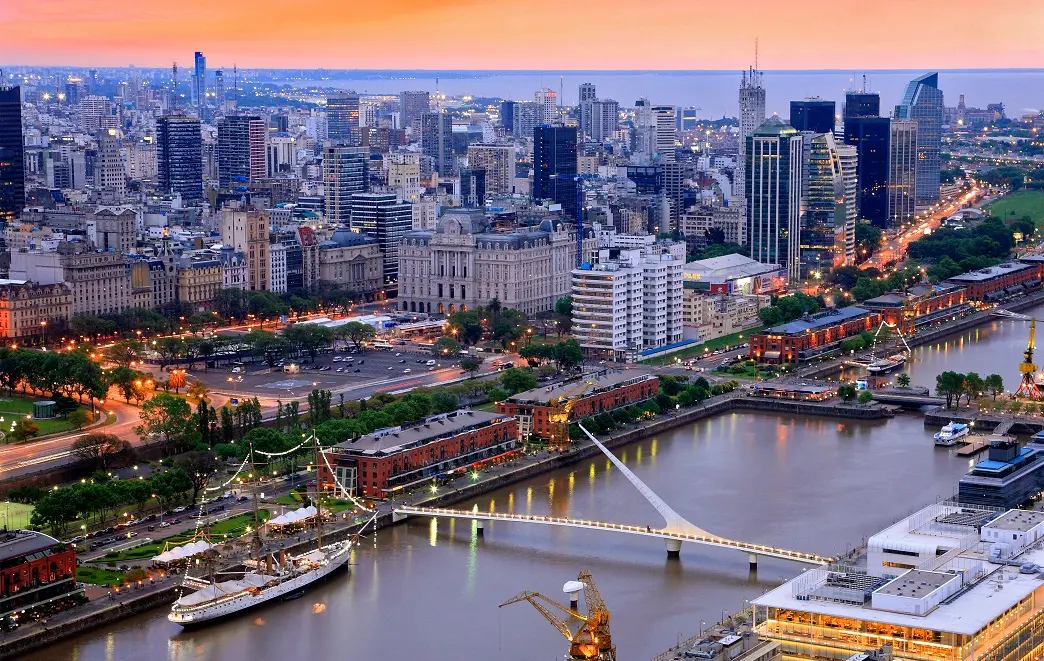
Buenos Aires is often introduced through broad comparisons. The Paris of South America. A city of tango, cafés, architecture, and late dinners. While none of these descriptions are entirely inaccurate, they flatten a city that reveals itself less through landmarks and more through rhythm, nuance, and local perspective.
The most meaningful private Buenos Aires experiences are rarely built around simply seeing more of the city. They are shaped around understanding how Buenos Aires actually functions culturally: how neighborhoods shift throughout the day, why meals unfold slowly, how literature and politics continue shaping conversation, why porteño identity feels distinct even within Argentina itself.
Buenos Aires rewards travelers who move through it attentively.
The city is layered emotionally as much as geographically. Elegant European architecture exists beside visible economic fluctuation. Grand historic avenues transition into residential streets where daily life feels almost deliberately unhurried. The atmosphere changes block by block, neighborhood by neighborhood.
This complexity is what makes private exploration particularly valuable here. Buenos Aires is not difficult to visit independently. But it is a city where interpretation changes the experience profoundly.
Why Buenos Aires Is Better Experienced Slowly
One of the most common mistakes travelers make in Buenos Aires is approaching the city too efficiently.
Travelers often arrive with ambitious lists of neighborhoods, restaurants, museums, tango venues, and markets they hope to cover quickly before moving onward to Patagonia, Mendoza, or Iguazú. The result is often a fragmented impression of the city rather than genuine connection to it.
Private Buenos Aires experiences work best when they preserve space for rhythm rather than maximizing movement.
The city reveals itself gradually through observation and repetition. Morning café culture feels entirely different from the atmosphere late at night. Recoleta carries a different emotional texture than San Telmo or Palermo. Even architecture begins telling different stories once travelers understand the immigration history and cultural influences that shaped Buenos Aires over generations.
The strongest experiences often leave room for:
- long conversations over lunch
- slower neighborhood walks
- flexible timing
- spontaneous local recommendations
- private cultural encounters shaped around personal interests
Buenos Aires does not reward urgency. It rewards attentiveness.
The Value of Private Context in Buenos Aires

Buenos Aires is intellectually rich in ways many travelers do not initially expect.
Politics, literature, psychology, architecture, football, music, and food culture intersect continuously within everyday life here. Without context, travelers may admire the city aesthetically while missing much of the deeper cultural identity shaping it underneath.
Private Buenos Aires experiences create value through interpretation rather than exclusivity alone.
A local guide discussing how economic cycles shaped the city’s architecture changes how travelers perceive entire neighborhoods. Conversations around tango become more meaningful when framed through immigration, social history, and evolving porteño identity rather than performance alone. Culinary experiences deepen significantly when connected to regional Argentine traditions rather than reduced to steak and wine stereotypes.
This is where personalization becomes especially important.
Some travelers connect most strongly with Buenos Aires through gastronomy. Others through architecture, contemporary art, literature, or political history. The city supports all of these perspectives, but not through standardized touring structures.
The strongest experiences are shaped around curiosity rather than fixed itineraries.
Why Neighborhood Selection Shapes the Entire Experience
Buenos Aires is experienced neighborhood by neighborhood more than through major monuments.
This changes how travelers should approach the city operationally.
Many visitors initially focus only on the best-known districts, but the emotional progression between neighborhoods often matters more than the individual sites themselves. Palermo’s contemporary energy feels entirely different from Recoleta’s historical elegance. San Telmo introduces another rhythm altogether, while quieter residential areas often reveal dimensions of local life that travelers rarely encounter through conventional sightseeing.
Private Buenos Aires experiences benefit from thoughtful geographic pacing because the city changes dramatically depending on how movement is structured.
An overpacked day crossing repeatedly between neighborhoods can create unnecessary fatigue and fragmentation. A more intentional approach allows travelers to settle into the atmosphere of each area gradually, understanding not only what distinguishes them visually, but emotionally and culturally.
This is also why local timing matters so much in Buenos Aires.
Certain neighborhoods come alive later in the evening. Markets shift throughout the week. Restaurant culture operates on a schedule very different from North American or European norms. Designing experiences through local awareness rather than rigid touring formulas creates a far more natural relationship with the city.
Food as Cultural Interpretation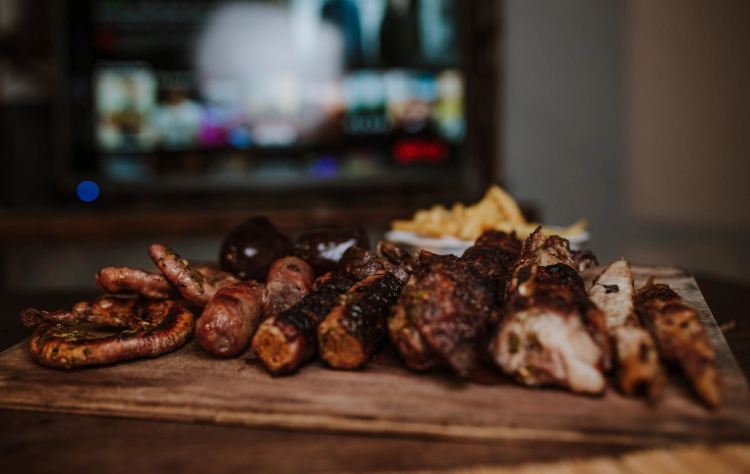
Cuisine plays a central role in private Buenos Aires experiences, but not in the simplified way travelers often anticipate.
The city’s culinary identity extends far beyond parrillas. Buenos Aires reflects generations of migration and regional influence, from Italian and Spanish heritage to modern Argentine reinterpretation. The dining culture itself also reveals important aspects of local identity: late meals, long conversations, understated hospitality, and a strong relationship between food and social life.
Private culinary experiences often become more meaningful when they move beyond restaurant reservation access alone.
Meeting local chefs, understanding regional ingredients, exploring markets through cultural context, or pairing dining experiences thoughtfully within the broader itinerary changes how travelers experience the city itself.
Buenos Aires is a place where meals frequently function as extensions of conversation rather than interruptions to sightseeing.
Travelers who embrace this rhythm often leave understanding the city differently.
The Difference Between Performance and Authenticity
Buenos Aires presents an interesting challenge for travelers because many of its most famous cultural expressions risk becoming performative when approached superficially.
Tango is perhaps the clearest example.
Visitors often arrive expecting tango primarily as entertainment. Yet within Buenos Aires, tango also carries emotional, historical, and social complexity tied deeply to the city’s identity. The strongest private Buenos Aires experiences help travelers engage with this dimension more thoughtfully rather than simply attending highly commercialized performances disconnected from local context.
The same principle applies across the city.
Authenticity in Buenos Aires is not necessarily about avoiding sophisticated experiences. It is about understanding how those experiences connect to local life rather than existing purely for tourism consumption.
This distinction becomes increasingly important for travelers seeking deeper cultural immersion rather than surface-level observation.
Buenos Aires Within a Larger Argentina Journey

Private Buenos Aires experiences also become more valuable when viewed within the broader structure of an Argentina itinerary.
The city often functions as both emotional entry point and cultural anchor before travelers move into Patagonia, Mendoza, or Iguazú. Buenos Aires establishes rhythm, intellectual context, and social atmosphere that later contrasts beautifully with Argentina’s more remote landscapes.
This sequencing matters.
Patagonia feels different after several days immersed in Buenos Aires’ density and cultural life. Mendoza’s slower pace resonates differently when travelers already understand the broader Argentine relationship with food, wine, and social ritual.
The strongest Argentina journeys use Buenos Aires not simply as a gateway, but as a foundation.
Sustainability Through Local Engagement
Thoughtful private Buenos Aires experiences also support more sustainable forms of urban tourism.
Smaller-scale guiding, locally rooted culinary experiences, neighborhood-focused exploration, and engagement with independent cultural spaces help travelers interact with the city more responsibly and meaningfully. Buenos Aires functions best when experienced through local rhythms rather than extractive sightseeing patterns.
This approach benefits travelers as much as the destination itself.
The city becomes more memorable when travelers engage with it as a living environment rather than a collection of attractions.
FAQs
What are the best private Buenos Aires experiences?
The best private Buenos Aires experiences are tailored to the traveler’s interests and often include neighborhood exploration, gastronomy, architecture, tango culture, art, and local cultural interpretation through personalized guiding.
Is Buenos Aires worth exploring privately?
Yes. Private exploration allows greater flexibility, deeper cultural context, and more thoughtful pacing throughout the city, especially in neighborhoods where local rhythm and interpretation shape the experience significantly.
How many days should I spend in Buenos Aires?
Most travelers benefit from spending at least three to four days in Buenos Aires to experience the city beyond surface sightseeing and allow time for slower cultural immersion.
What neighborhoods are best for private Buenos Aires experiences?
Recoleta, Palermo, and San Telmo are commonly included, though the ideal neighborhoods depend on the traveler’s interests, preferred pace, and style of exploration.
The City That Reveals Itself Slowly
Private Buenos Aires experiences succeed not because they isolate travelers from the city, but because they help travelers enter it more naturally. The city reveals itself gradually through conversation, timing, atmosphere, and local perspective rather than through landmarks alone. Travelers who move through Buenos Aires thoughtfully often leave remembering less about individual sites and more about how the city felt: intellectually alive, emotionally layered, elegant without trying too hard, and impossible to fully understand in a single visit.
The Lost City Colombia and the Meaning of Reaching It
Some destinations are defined by what they are. Others by what it takes to reach them. The Lost City Col...
Read Post
Best Galápagos Cruises: Choosing the Right Way to Experience the Islands
The phrase “best Galápagos cruises” suggests comparison. Ships, cabins, amenities, itineraries. It invite...
Read Post
Designing an Ecuador Itinerary with Intention: How to Experience the Country Beyond the Obvious
An Ecuador itinerary is often approached as a checklist. A few days in Quito, a quick passage through the Ande...
Read Post
8 DAYS
Luxury Machu Picchu Tours: Unveiling Peru’s Timeless Wonders
Cusco, Lima, Machu Picchu, Sacred Valley

8 DAYS
Peru Family Vacation: Journey to Machu Picchu and Beyond
Cusco, Lima, Machu Picchu, Sacred Valley

11 DAYS
Amazon River Cruise: A Luxury Journey Through the Amazon
Lima, Cusco, Sacred Valley, Machu Picchu, Iquitos, Amazon River