June 29, 2026 | by: Kuoda Authors


Iguazu Falls is one of those rare places that resists reduction. Photographs communicate scale imperfectly. Videos capture movement but not atmosphere. Even travelers arriving with high expectations are often unprepared for the physical presence of the falls themselves: the constant sound, the humidity rising from the forest, the sensation that the landscape is moving in every direction at once.
Yet a luxury Iguazu Falls trip is not defined simply by witnessing the falls.
The real difference lies in how travelers experience the surrounding environment, how the region is sequenced within a broader Argentina journey, and how carefully the experience is paced to avoid reducing Iguazu to a short photographic stop between larger destinations.
This happens more often than travelers realize.
Many itineraries treat Iguazu as a quick two-night interruption between Buenos Aires and Patagonia or between Argentina and Brazil. Travelers arrive, visit the main viewpoints, and leave before the subtropical ecosystem surrounding the falls has time to register fully.
The strongest Iguazu journeys allow travelers to move beyond spectacle and into immersion.
Why Iguazu Requires More Time Than Travelers Expect
At first glance, Iguazu Falls can appear operationally simple.
Flights connect easily from Buenos Aires. The falls themselves are highly accessible. Walking circuits are clearly organized. As a result, many travelers assume one full day is sufficient.
What this overlooks is how dramatically the experience changes depending on pacing.
The falls are not static. Light, mist, weather, wildlife activity, crowd flow, and sound all shift throughout the day. Early morning feels entirely different from midday. Rain changes visibility and atmosphere completely. Certain pathways become emotionally overwhelming when crowded, while quieter hours allow the surrounding rainforest to feel almost meditative.
A luxury Iguazu Falls trip benefits enormously from allowing flexibility around timing.
Rather than approaching the falls through rigid schedules, travelers gain much more by revisiting sections gradually, adjusting pace naturally, and allowing quieter moments within the surrounding environment to balance the intensity of the main viewpoints.
The region works best when experienced as an ecosystem rather than a single attraction.
Argentina Side vs Brazil Side Is the Wrong Question
Travelers planning Iguazu often focus heavily on comparing the Argentina and Brazil sides of the falls as though they offer competing experiences.
In reality, they complement one another.
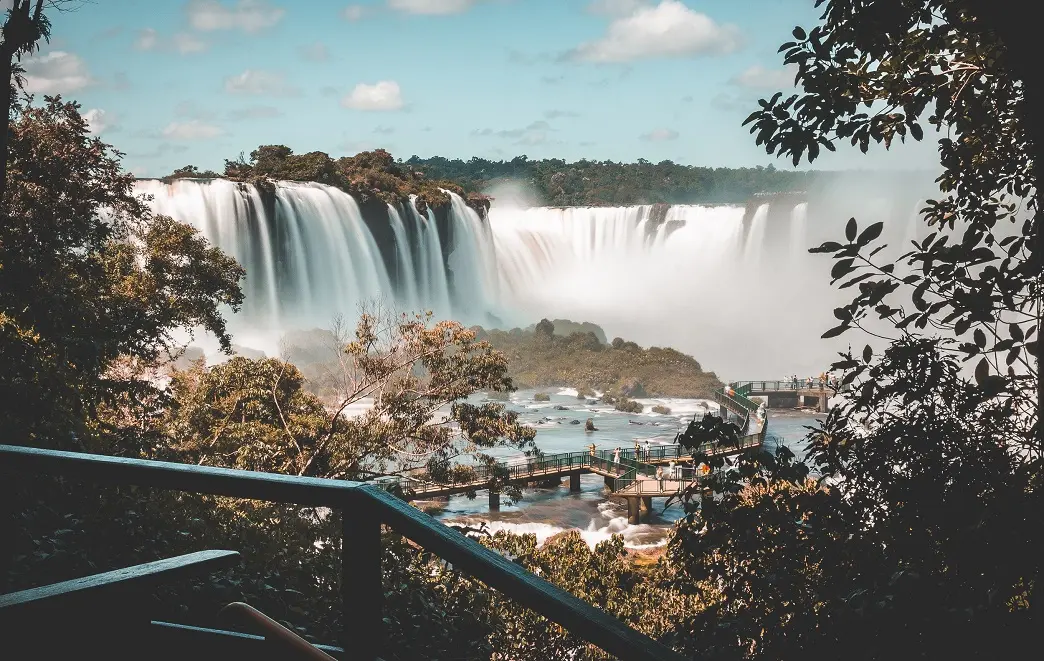
The Argentine side emphasizes immersion. Travelers move through the rainforest gradually, crossing walkways suspended above river channels and approaching the falls from within the landscape itself. The experience becomes physical and atmospheric. Sound builds progressively. Mist rises unexpectedly. Distances feel larger than anticipated.
The Brazilian side provides perspective.
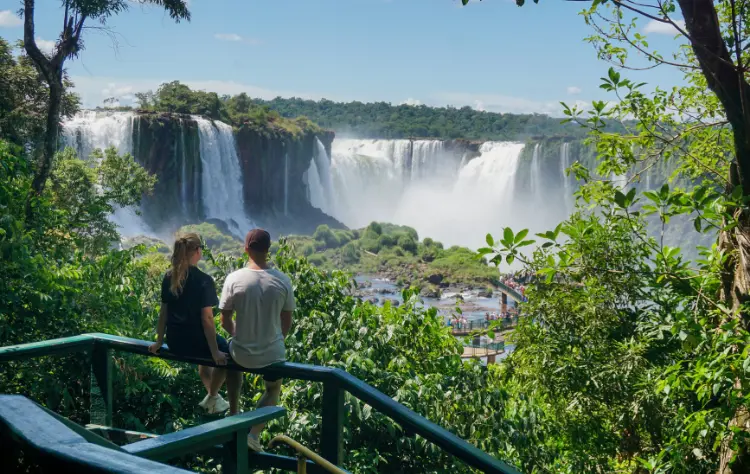
The panoramic views reveal the scale and structure of the entire waterfall system in a way that the Argentine side intentionally obscures. Travelers understand the geography of Iguazu more fully after experiencing both.
The strongest luxury Iguazu Falls trip itineraries understand that the question is not which side is better, but how to sequence them.
Experiencing the Brazilian side first often creates immediate visual impact before travelers move more deeply into the Argentine side’s immersive pathways. Reversing the order creates a completely different emotional rhythm.
These subtleties matter more than travelers initially realize.
The Rainforest Is Part of the Experience
One of the biggest mistakes travelers make at Iguazu is focusing exclusively on the waterfalls themselves.
The Atlantic rainforest surrounding Iguazu is one of the most biologically rich ecosystems in South America, yet many visitors experience it only peripherally while moving quickly between viewing platforms.
A thoughtfully designed luxury Iguazu Falls trip allows the forest to become part of the experience rather than merely background scenery.
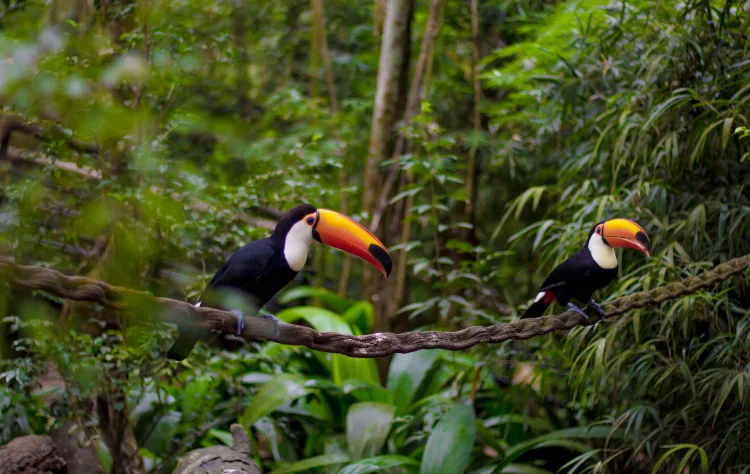
Birdlife, butterflies, shifting humidity, changing vegetation, and subtropical soundscapes all contribute to the emotional atmosphere of the region. Wildlife sightings often emerge quietly: toucans moving across the canopy, monkeys near elevated pathways, coatis appearing unexpectedly along trails.
The strongest journeys leave room for these quieter dimensions.
This is also why accommodation positioning matters considerably in Iguazu. Staying within or near the forest environment changes the relationship travelers have with the region itself. Early mornings and evenings often become as memorable as the falls because travelers remain connected to the ecosystem rather than detached from it operationally.
Luxury here is less about excess and more about proximity and rhythm.
How Iguazu Changes Within an Argentina Journey
Iguazu functions differently depending on where it sits within the broader itinerary.
After Patagonia, the subtropical climate and density of the rainforest create dramatic environmental contrast. Following Buenos Aires, Iguazu feels like an abrupt but energizing shift away from urban rhythm into something more elemental. Combined with Mendoza, the region introduces a completely different relationship with landscape and pace.
This is why sequencing matters so much.
A luxury Iguazu Falls trip should not feel operationally disconnected from the rest of the journey. The transition into and out of the region influences how travelers experience the falls emotionally.
For example, travelers arriving directly from heavily scheduled Patagonia itineraries often benefit from slower pacing in Iguazu to rebalance energy and allow space for stillness within the rainforest environment. Others may prefer Iguazu earlier in the trip before moving toward colder or more physically demanding regions.
The falls themselves remain extraordinary regardless of sequencing. But the emotional impact shifts considerably depending on context.
Why Private Access Changes the Experience
Iguazu is one of Argentina’s most visited destinations, which makes timing and local operational awareness especially important.
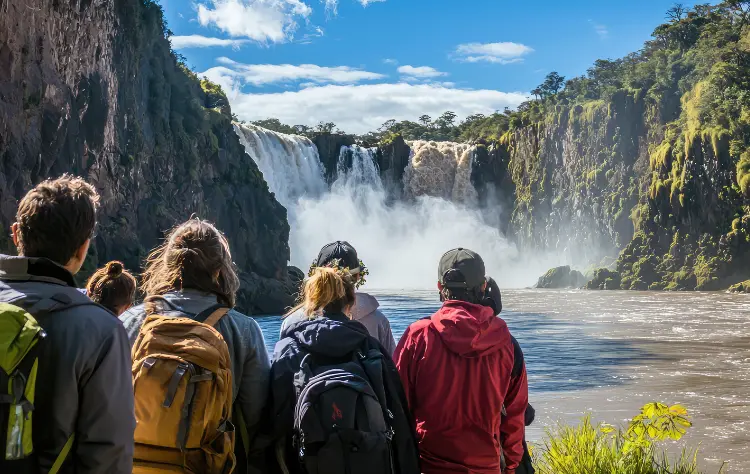
Crowd density changes dramatically throughout the day, particularly at the most iconic viewing areas such as Devil’s Throat. Travelers moving through the park without strategic timing often experience congestion that alters the atmosphere significantly.
Private guiding becomes valuable not because travelers need help navigating pathways, but because local understanding changes how the park is experienced.
Knowing when to approach specific circuits, how to pace the day, when to pause rather than continue moving, and how weather conditions affect visibility all contribute to a more fluid and immersive experience overall.
From within South America, operational awareness also allows greater flexibility around regional conditions that travelers may not anticipate, including rain patterns, flight variability, border timing between Argentina and Brazil, and seasonal crowd fluctuations.
The goal is not to avoid the popularity of Iguazu. It is to experience the region with greater intentionality.
Sustainability and the Fragility of Iguazu
The environmental significance of Iguazu extends well beyond tourism.
The surrounding Atlantic rainforest is one of the world’s most threatened ecosystems, making responsible tourism practices particularly important within the region. Protected park systems on both the Argentine and Brazilian sides play essential roles in preserving biodiversity, wildlife corridors, and forest continuity.
Thoughtful travel design naturally supports more sustainable engagement.
Longer stays, slower pacing, smaller-scale guiding, and stronger connection to the surrounding ecosystem all encourage travelers to experience Iguazu as more than a quick visual attraction.
The strongest luxury experiences increasingly understand that environmental awareness enhances rather than diminishes the journey itself.
FAQs
How many days should a luxury Iguazu Falls trip include?
Most travelers benefit from spending at least three days in Iguazu to experience both the Argentine and Brazilian sides comfortably while allowing time for slower immersion in the surrounding rainforest.
Is the Argentina or Brazil side of Iguazu Falls better?
Neither side is inherently better. The Argentine side offers deeper immersion within the falls system, while the Brazilian side provides broader panoramic perspectives. Together, they create a more complete experience.
When is the best time for a luxury Iguazu Falls trip?
Iguazu can be visited year-round, though water volume, humidity, and temperatures vary seasonally. The experience changes throughout the year rather than improving or worsening absolutely.
Is Iguazu worth including in an Argentina luxury itinerary?
Yes, particularly when the itinerary is thoughtfully paced. Iguazu introduces environmental and emotional contrast that balances beautifully with Buenos Aires, Patagonia, or Mendoza.
Beyond the First Impression
A luxury Iguazu Falls trip succeeds when travelers are given enough time to move beyond reaction and into awareness. The first impression of Iguazu is almost always scale. But over time, subtler details begin to emerge: shifting mist through the forest, changing sound patterns near the river, moments of stillness between the movement of water and people. The region becomes most meaningful not when travelers simply see the falls, but when they begin to understand the environment surrounding them and the rhythm required to experience it fully.
Things to Do in Mendoza Argentina: Experiencing the Region Through Pace, Landscape, and Wine Culture
The question of things to do in Mendoza Argentina often leads to a familiar answer. Wine tastings, vineyard...
Read Post
Best Time to Visit Ecuador: Choosing When Based on How You Want to Experience It
The question of the best time to visit Ecuador is often answered with a calendar. Dry season. Rainy season....
Read Post
Peru Tours for Seniors and the Value of Experiencing the Country Thoughtfully
Peru is often perceived as a destination built primarily around adventure. Travelers imagine trekking route...
Read Post
8 DAYS
Luxury Machu Picchu Tours: Unveiling Peru’s Timeless Wonders
Cusco, Lima, Machu Picchu, Sacred Valley

8 DAYS
Peru Family Vacation: Journey to Machu Picchu and Beyond
Cusco, Lima, Machu Picchu, Sacred Valley

11 DAYS
Amazon River Cruise: A Luxury Journey Through the Amazon
Lima, Cusco, Sacred Valley, Machu Picchu, Iquitos, Amazon River