July 17, 2026 | by: Kuoda Authors


Torres del Paine is often described through extremes.
The winds are stronger. The mountains are more dramatic. The distances larger. The weather less predictable. All of this is true. Yet what defines a luxury Torres del Paine trip is not simply the scale of Patagonia itself, but the ability to experience that scale without rushing through it.
Patagonia changes travelers slowly.
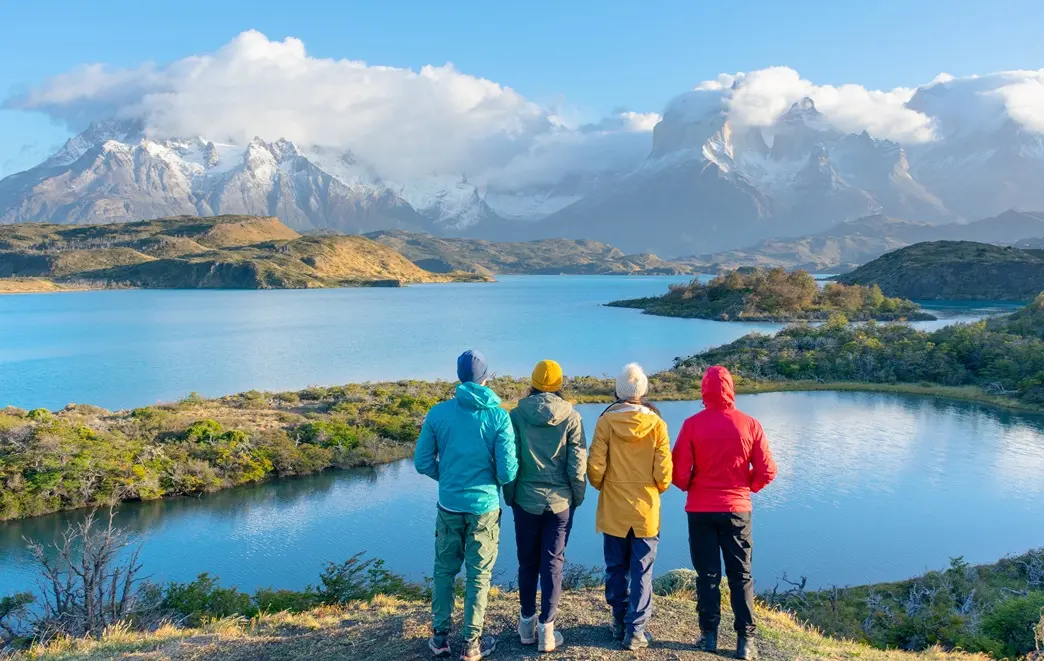
The first impression is usually visual: granite towers rising abruptly above turquoise lakes, glaciers moving through ancient valleys, light shifting across open steppe. But over time, something quieter begins to happen. Travelers start adjusting to the rhythm of the landscape itself. Days become less structured around urgency and more shaped by weather, movement, and presence.
This is why Torres del Paine should never be treated as a quick stop within Chile.
The region asks for time. Not only to see it, but to settle into it.
Why Torres del Paine Requires a Different Type of Luxury
Luxury functions differently in Patagonia than it does in cities or resort destinations.
In Torres del Paine, luxury is not defined primarily by excess or spectacle-driven hospitality. It is defined by positioning, pacing, and the ability to experience one of the world’s most remote landscapes with continuity and ease.
The environment itself becomes central to the experience.
A well-positioned lodge changes everything: how travelers experience sunrise across the massif, how quickly they access quieter trails, how weather shifts are absorbed into the day rather than becoming disruptions. Even the ability to return to warmth, stillness, and thoughtful service after hours in Patagonia’s unpredictable conditions changes the emotional texture of the journey significantly.
The strongest luxury Torres del Paine trip experiences understand this balance.
Travelers do not come to Patagonia to be separated from the landscape. They come to remain deeply connected to it without unnecessary logistical friction.
Patagonia Should Be Experienced Slowly
One of the most common mistakes travelers make in Torres del Paine is underestimating how much movement affects the experience.
Patagonia is physically and emotionally expansive. Long transfers, constantly changing hotels, or overly ambitious excursion schedules often create fatigue that reduces the ability to absorb the landscape fully.
This is particularly important because Patagonia does not reveal itself immediately.
Some of the most memorable moments happen quietly:
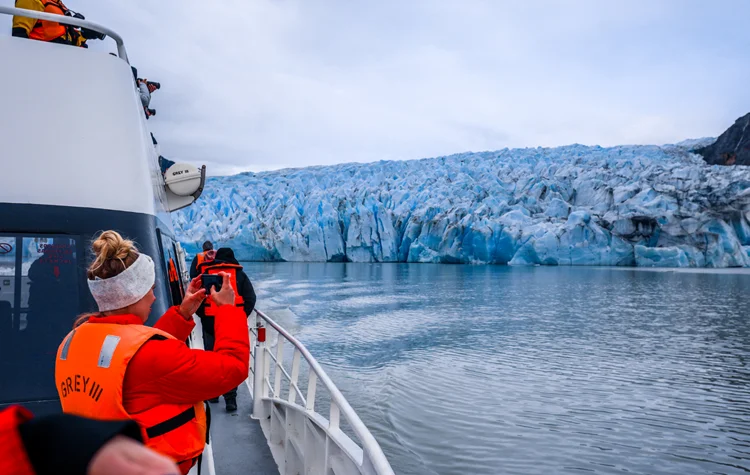
- changing light over Grey Lake
- sudden silence after strong wind
- wildlife appearing unexpectedly across open terrain
- watching weather systems move through the mountains from a lodge terrace
- long stretches of uninterrupted landscape during private drives or hikes
These moments require stillness as much as activity.
A thoughtfully designed luxury Torres del Paine trip often prioritizes fewer lodge changes, longer stays, and flexible daily pacing rather than trying to maximize every possible viewpoint or excursion.
Patagonia rewards restraint.
Why Weather Is Part of the Experience
Travelers often approach Patagonia hoping for perfect weather conditions. In reality, weather variability is part of what gives Torres del Paine its emotional intensity.
Conditions can shift dramatically within hours. Wind, rain, sun, and cloud movement constantly reshape the landscape. The mountains rarely look the same twice.
Luxury travel in Patagonia depends less on controlling these conditions and more on designing itineraries flexible enough to respond to them intelligently.
This is where local operational expertise becomes essential.
From within South America, understanding seasonal transitions, trail conditions, transfer realities, and weather patterns allows journeys to adapt more naturally to Patagonia itself rather than forcing rigid schedules onto an unpredictable environment.
Sometimes the most memorable days are not the clearest. They are the ones where travelers experience Patagonia’s atmosphere most fully.
Hiking vs Scenic Exploration in Torres del Paine
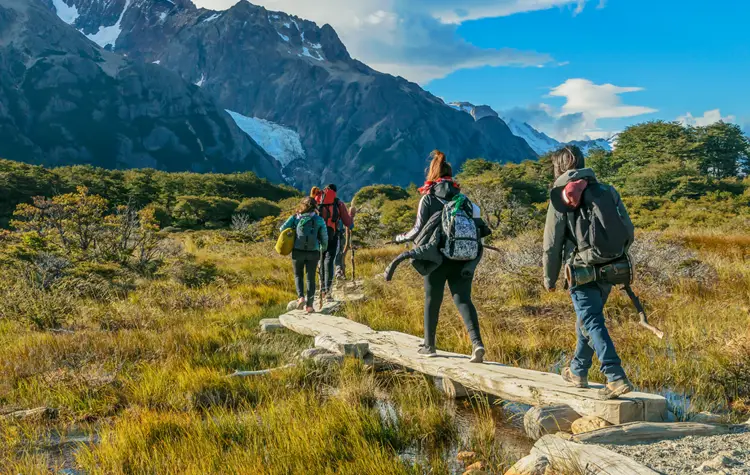
Torres del Paine is often associated primarily with trekking, but not every traveler experiences Patagonia most meaningfully through long-distance hiking.
A luxury Torres del Paine trip can be deeply immersive without becoming physically overwhelming.
Some travelers prefer full-day hikes and stronger physical engagement with the terrain. Others connect more through scenic drives, shorter guided walks, horseback riding, photography-focused exploration, or simply spending extended time observing the landscape itself.
Neither approach is inherently more authentic.
Patagonia accommodates different relationships with movement and immersion. What matters is aligning the journey with the traveler’s pace, energy, and broader itinerary rhythm.
This becomes especially important within larger Chile or Argentina journeys. Travelers arriving from the Atacama Desert, Buenos Aires, or Mendoza may require different pacing structures than those focused entirely on Patagonia itself.
The strongest itineraries are shaped around continuity rather than assumptions about activity level.
The Emotional Contrast Within Chile
Torres del Paine becomes even more powerful when understood within the broader context of Chile.
The country moves between radically different landscapes: desert, glacier, wine country, coastline, mountains. Patagonia represents one extreme of that spectrum, where landscape strips away distraction and travelers engage primarily with weather, distance, and physical environment.
This creates extraordinary emotional contrast within a Chile itinerary.
After Santiago’s urban rhythm or the stillness of the Atacama Desert, Patagonia feels more elemental. Travelers often arrive carrying the pace of previous destinations and gradually begin slowing down in response to the environment itself.
This progression matters.
A luxury Torres del Paine trip works best when Patagonia is given enough space within the itinerary to create emotional transition rather than functioning merely as a scenic interruption.
Wildlife and Quiet Observation
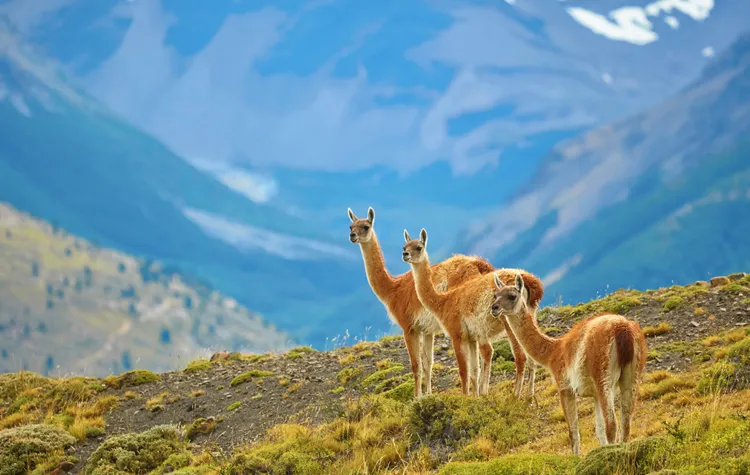
Many travelers arrive in Torres del Paine focused primarily on mountain scenery, but Patagonia’s wildlife contributes significantly to the experience.
Guanacos move constantly across the steppe. Condors circle overhead along cliff systems. Foxes appear unexpectedly near trails. Pumas remain elusive but shape the ecological atmosphere of the region regardless of whether travelers see them directly.
The strongest wildlife experiences here emerge through patience rather than pursuit.
This is another reason slower pacing matters so much. Travelers moving constantly between activities often miss Patagonia’s quieter dimensions entirely.
Luxury in Torres del Paine increasingly involves creating enough space for observation rather than constant stimulation.
Sustainability and Patagonia’s Fragility
Torres del Paine’s landscapes feel immense, but the ecosystem itself remains sensitive to tourism pressure and environmental change.
Responsible travel design matters enormously in Patagonia.
Thoughtful pacing, lower-impact lodge operations, regional conservation partnerships, and reducing unnecessary movement all contribute to preserving the environmental integrity that makes the region extraordinary in the first place.
Travelers increasingly value experiences that feel not only refined, but respectful of place.
Patagonia’s power lies partly in its sense of remoteness and ecological scale. Protecting that experience requires intentional stewardship from both operators and travelers alike.
FAQs
How many days should a luxury Torres del Paine trip include?
Most travelers benefit from spending at least four to six days in Torres del Paine to experience the region without rushing and allow flexibility around weather and pacing.
What is the best time for a luxury Torres del Paine trip?
Patagonia is typically strongest from November through March, when conditions are more accessible and daylight hours are longest, though weather remains variable throughout the season.
Do you need to hike extensively in Torres del Paine?
No. While hiking is central for many travelers, Patagonia can also be experienced meaningfully through scenic exploration, wildlife observation, photography, horseback riding, and shorter guided walks.
Is Torres del Paine better from Chile or Argentina?
Torres del Paine itself is located in Chile, though many travelers combine it with Argentine Patagonia to create broader regional continuity across southern South America.
Where Patagonia Reshapes Perspective
A luxury Torres del Paine trip ultimately depends less on how much Patagonia travelers cover and more on how fully they allow themselves to experience its rhythm. The region does not reveal itself through speed. It unfolds gradually through weather, silence, changing light, and the subtle shift that occurs when travelers stop trying to control the landscape and begin moving with it instead. Patagonia leaves its strongest impression not through spectacle alone, but through the rare feeling of encountering a place that still operates entirely on its own terms.
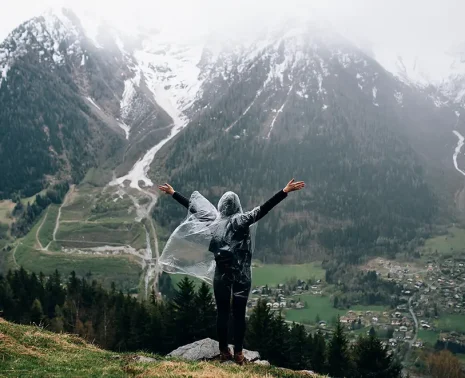
Rainy Season in Peru: When It Is and What to Expect
When is the rainy season in Peru, and what should travelers actually expect? Understanding how the wet season ...
Read Post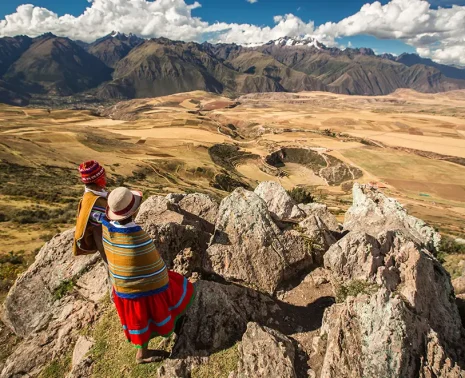
Dry Season in Peru: Best Months, Weather & What Travelers Should Know
When is the dry season in Peru, and what can travelers truly expect during these months? Understanding Peru’...
Read Post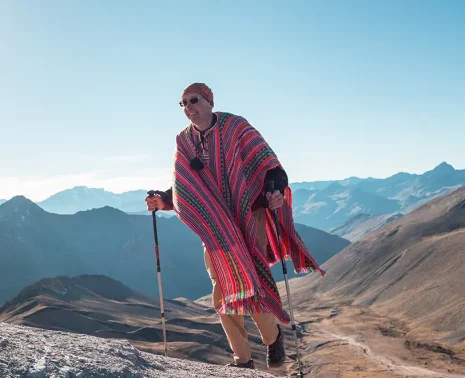
Best Time to Visit Peru: When to Go by Region & Experience
Planning a journey to Peru is an exciting step toward exploring a land of extraordinary diversity, from the so...
Read Post
8 DAYS
Luxury Machu Picchu Tours: Unveiling Peru’s Timeless Wonders
Cusco, Lima, Machu Picchu, Sacred Valley

8 DAYS
Peru Family Vacation: Journey to Machu Picchu and Beyond
Cusco, Lima, Machu Picchu, Sacred Valley

11 DAYS
Amazon River Cruise: A Luxury Journey Through the Amazon
Lima, Cusco, Sacred Valley, Machu Picchu, Iquitos, Amazon River