June 11, 2026 | by: Kuoda Authors


Chile does not present its cuisine loudly.
It is not defined by a single global narrative, nor by an immediately recognizable identity. Instead, it reveals itself gradually, through ingredients, geography, and a sense of restraint that feels intentional rather than understated.
For travelers, this creates a different kind of experience.
Searching for restaurants in Chile is not about finding the most visible names. It is about understanding how the country expresses itself through food. Through the Pacific, through the Andes, and through landscapes that shape what is possible in each region.
Approached with care, dining in Chile becomes less about selection and more about interpretation.
Rethinking Restaurants in Chile Through Geography
Chile’s length defines its cuisine.
Stretching from the Atacama Desert to Patagonia, the country moves through dramatically different environments. Each region offers its own culinary perspective, shaped by climate, access, and tradition.
Restaurants in Chile reflect this variation. They are not interchangeable. What defines a meal in Santiago differs from one in the desert or in the far south.
Understanding this relationship between place and plate is essential to experiencing Chile thoughtfully.
Santiago: Where Chile Interprets Itself
A Contemporary Culinary Scene
In Santiago, restaurants in Chile take on a more structured, urban expression.
Certain spaces, such as Boragó, reflect a deeper exploration of Chile’s biodiversity. Ingredients are sourced from across the country, often from small-scale producers, and presented in a way that connects cuisine directly to landscape.
Experiences like this are not simply selected for recognition.
At Kuoda, they are positioned within the journey intentionally. The timing of the reservation, the context of the day, and how it fits within the broader rhythm of the itinerary all influence how it is experienced.
The same restaurant can feel entirely different depending on when and how it is encountered.
Dining, in this sense, becomes less about where you go and more about how it is woven into the journey.
Wine as Part of the Experience
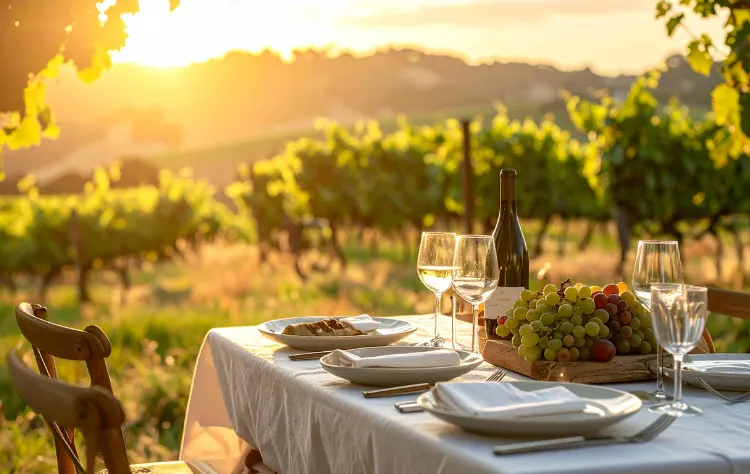
In and around Santiago, wine is inseparable from dining.
Chile’s vineyards, particularly in regions such as the Maipo and Colchagua Valleys, influence how meals are structured. Pairings are not secondary. They are integrated into the experience.
Visiting a vineyard, followed by a meal that reflects the surrounding landscape, offers a more complete perspective on restaurants in Chile.
The Atacama Desert: Dining Within Constraint
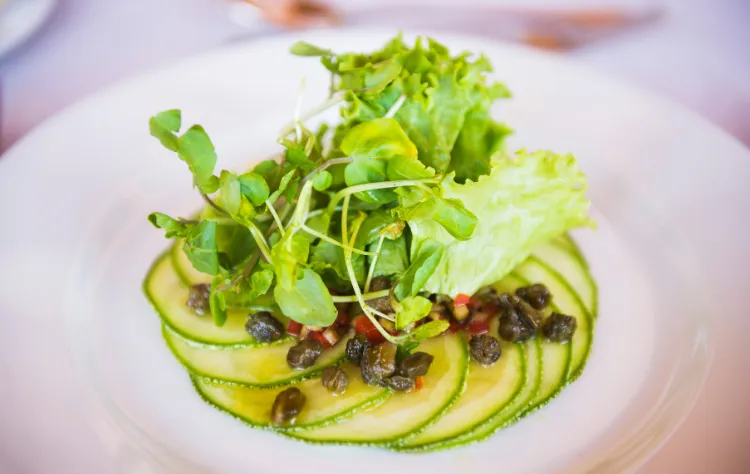
In the Atacama, the environment imposes limits.
Ingredients are fewer, distances are greater, and yet this creates a different kind of clarity. Restaurants in Chile’s northern regions often focus on what is available locally, working with desert herbs, native grains, and carefully sourced produce.
Dining in places like San Pedro de Atacama feels quieter. Less about variety, more about precision. Meals are shaped by the landscape, and the experience reflects that restraint.
For travelers, this becomes part of the journey’s rhythm. A shift from the density of cities to something more elemental.
Patagonia: A Relationship with Fire and Landscape
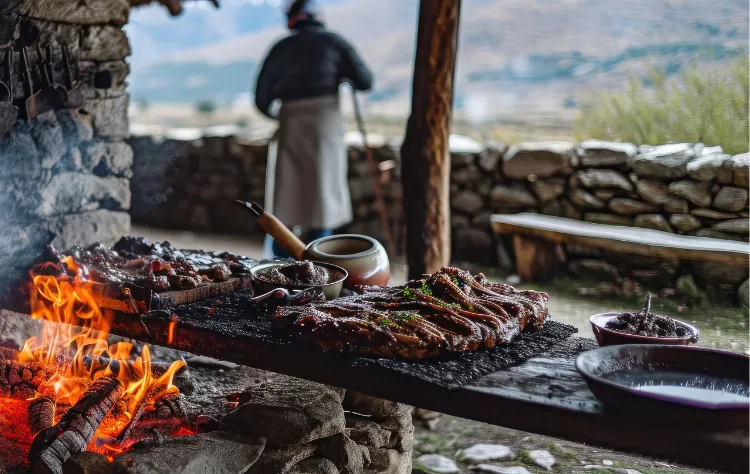
Further south, the experience changes again.
In Patagonia, restaurants in Chile often revolve around fire, seasonality, and proximity to nature. Lamb, fish, and local produce are prepared in ways that emphasize simplicity and technique.
The setting becomes central. Meals are often experienced in lodges or remote environments where the landscape is always present.
Here, dining is less about choice and more about immersion. The experience feels connected to place in a direct and immediate way.
A Curated Perspective on Restaurants in Chile
Kuoda approaches dining in Chile as part of a broader journey.
Recommendations are not fixed. They are shaped by:
- The traveler’s preferences
- The regions included in the itinerary
- The pacing of the journey
- The balance between refined and more grounded experiences
The Kuoda Destination Guide to Chile offers further insight into curated experiences across the country: Destination Guide Chile
These are not lists to follow, but frameworks to understand how dining fits into the overall experience.
Timing, Access, and Flow
Restaurants in Chile are influenced by timing as much as selection.
Certain experiences require advance planning. Others are best approached with flexibility. The pace of each region determines how and when dining should be included.
At Kuoda, these elements are considered from the outset. Reservations are aligned with the flow of the journey. Transitions between experiences remain seamless.
The intention is not to create exclusivity, but to maintain continuity.
Beyond Restaurants: The Broader Culinary Experience

Some of the most meaningful culinary moments in Chile occur outside traditional dining spaces.
Markets, vineyard tastings, and conversations with local producers provide a deeper understanding of how food is sourced and prepared.
These experiences offer context. They reveal the systems behind the cuisine and the relationships that sustain it.
Restaurants in Chile become part of this larger narrative.
Sustainability and Local Sourcing
Chile’s culinary approach is closely tied to its natural environment.
Many chefs work directly with local producers, focusing on seasonal ingredients and sustainable practices. This connection between food and landscape is evident across the country.
Kuoda partners with experiences that reflect this philosophy, ensuring that dining aligns with responsible and thoughtful travel.
FAQs About Restaurants in Chile
Are the best restaurants in Chile only in Santiago?
No. While Santiago offers a strong culinary scene, meaningful dining experiences exist across regions such as Atacama and Patagonia.
Do restaurants in Chile accommodate dietary preferences?
Yes. Many restaurants can adapt menus while maintaining the integrity of the experience.
Is Chile known for fine dining?
Chile offers both refined dining and more traditional experiences, often within the same journey.
How far in advance should reservations be made?
For highly regarded restaurants, reservations should be made in advance, particularly during peak travel seasons.
A Cuisine That Reveals Itself Gradually
Restaurants in Chile do not seek to define the country immediately.
They reflect it. Through landscape, through ingredients, and through a sense of restraint that allows each element to remain clear.
For travelers, this creates a different kind of culinary journey. One that unfolds slowly, with each region offering its own perspective.
At Kuoda, this is how dining in Chile is approached. Not as a series of reservations, but as part of a larger, more thoughtful experience across the country.
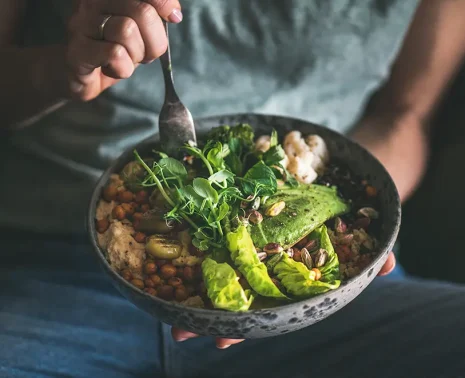
Vegetarian Peruvian Food and the Quiet Depth of a Plant-Based Culinary Tradition
Peruvian cuisine is often described through its richness, its diversity, its complexity. Less frequently is it...
Read Post
Best Restaurants in Peru and the Perspective Behind Where You Choose to Dine
Searching for the best restaurants in Peru often begins with rankings. Lists, awards, and recognitions offe...
Read Post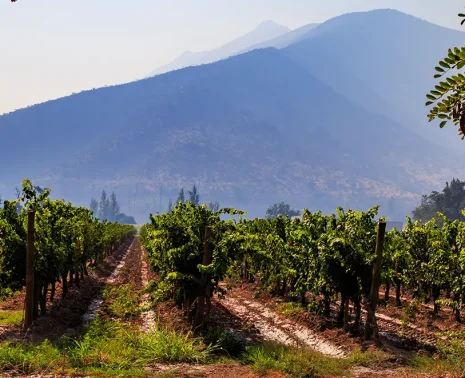
Chilean Wines: How Geography Shapes Their Unique Character
Chilean wines are often introduced through familiarity. Carmenère, Cabernet Sauvignon, valleys near Santia...
Read Post
8 DAYS
Luxury Machu Picchu Tours: Unveiling Peru’s Timeless Wonders
Cusco, Lima, Machu Picchu, Sacred Valley

8 DAYS
Peru Family Vacation: Journey to Machu Picchu and Beyond
Cusco, Lima, Machu Picchu, Sacred Valley

11 DAYS
Amazon River Cruise: A Luxury Journey Through the Amazon
Lima, Cusco, Sacred Valley, Machu Picchu, Iquitos, Amazon River