July 06, 2026 | by: Kuoda Authors


Ask a Peruvian what holds the country together and a surprising number will answer with food before flag or anthem. It is not really an exaggeration. Peru is a place of striking regional differences, but everyone meets at the table, and the menu tells the whole national story at once: indigenous Andean roots, a coastline that taught the world about the joys of raw fish, and waves of immigration from China, Japan, Italy, and West Africa that were folded into the cooking until they stopped being foreign. It’s impossible to understand this country without eating your way through it, and that is what makes Peru culinary travel such a revealing way to understand the country.
It is also a place where the food has become genuinely world-leading, with Lima now home to two restaurants that have each been crowned the best on earth. But the tasting menus are only the visible peak. Underneath sits an enormous, living pantry, fed by deserts, high plains, and rainforests, and tended by farmers and cooks who have been refining these techniques for thousands of years. A culinary journey here works best when it moves between both: the celebrated dining room and the market stall, the white tablecloth and the smoke of a roadside anticucho grill. Here is how the country tastes, region by region, and where to eat in each.
Lima: Where Three Regions and Half the World Meet
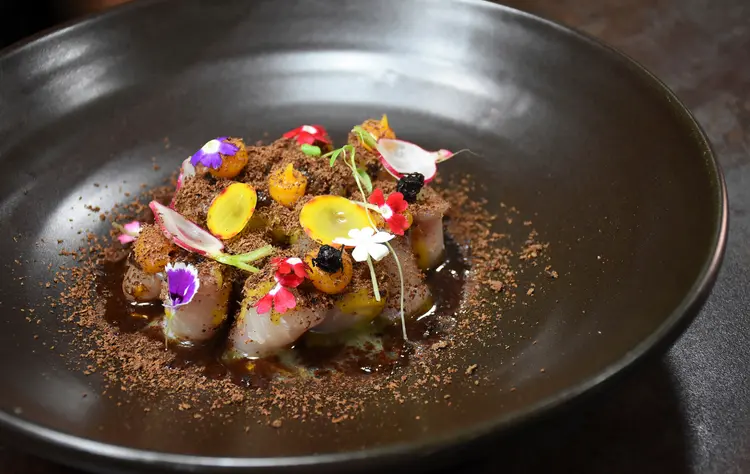
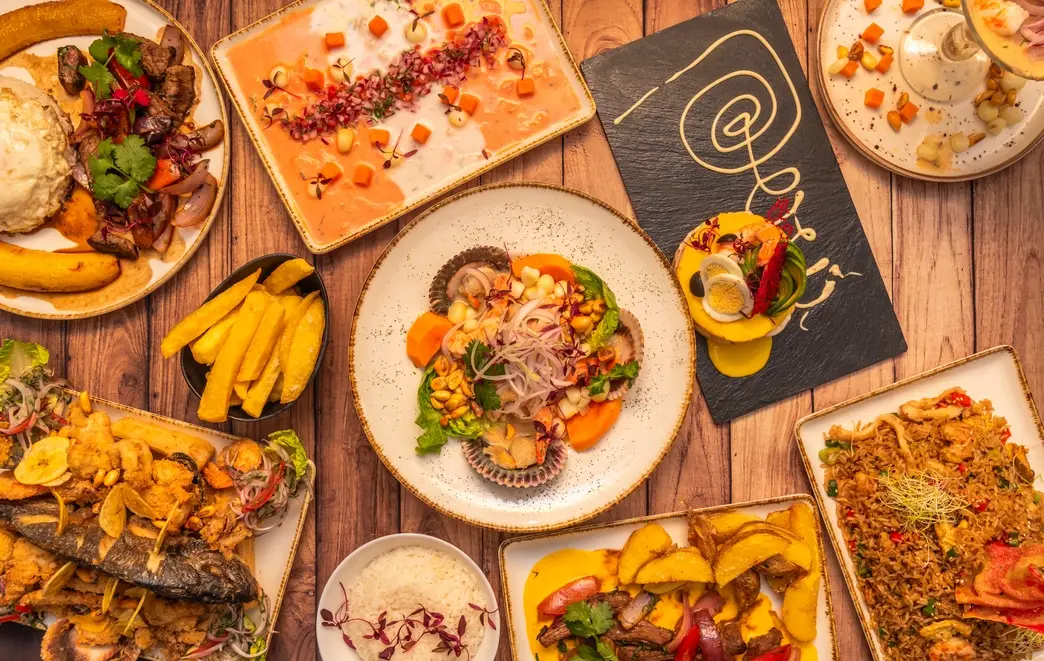
Most culinary journeys begin in Lima, and they should, because the capital is where the entire country lands on one plate. The coast brings its fresh fish and seafood, the Andes send down their potatoes and grains, the Amazon ships its unique fruits, and the immigrant kitchens do the rest. The Chinese who arrived in the nineteenth century gave Peru chifa – a Peruvian-Chinese fusion, and with it the soy-laced wok cooking behind lomo saltado, now as Peruvian as anything on the table. The Japanese gave it Nikkei, the marriage of sashimi precision and Peruvian chillies that has since conquered the fine-dining world.
The honest place to start is a market, not a restaurant. In Surquillo, a few minutes from the polished districts, the stalls lay the whole pantry out in the open: tables of native potatoes in improbable colors, baskets of ají amarillo and rocoto, herbs like huacatay, and Amazonian fruits such as lúcuma, aguaje, and camu camu that most visitors have never seen before. From there, Lima’s signature dishes read as history rather than a menu: ceviche, fish “cooked” only in lime juice and served with sweet potato and choclo; causa, a cool terrine of yellow potato; ají de gallina, the comforting chilli-and-walnut chicken; and anticuchos, skewers of marinated beef heart grilled over coals on a hundred street corners after dark.
Where to eat in Lima. The range here is the point, so mix the registers deliberately, from the world’s-best tasting menus down to a noisy cevichería lunch:
- Maido (Miraflores) — Nikkei tasting menu; named the world’s best restaurant in 2025. Book months ahead.
- Central (Barranco) — Virgilio Martínez and Pía León’s climb through Peru’s ecosystems by altitude; world’s best in 2023.
- Kjolle (Barranco) — Pía León’s own restaurant; ranked ninth in the world in 2025.
- Mérito (Barranco) — intimate, Venezuelan-Peruvian, on the World’s 50 Best list.
- Mayta (Miraflores) — Jaime Pesaque’s contemporary Peruvian, also on the global list.
- La Mar (Miraflores) — Gastón Acurio’s open-air cevichería; the benchmark ceviche lunch.
- Pescados Capitales (Miraflores) — relaxed, high-quality ceviche and seafood.
- Isolina (Barranco) — old-school criollo home cooking in enormous portions.
- Astrid y Gastón (San Isidro) — Acurio’s flagship, the restaurant that started the revolution.
The Andes: Pachamanca, a Thousand Potatoes, and Where to Eat in Cusco and Arequipa
Climb into the mountains and the cooking turns earthbound and ancient. This is the homeland of the potato, where Peru grows several thousand native varieties in colors and shapes that never reach a supermarket, alongside the grains that built Andean civilization: quinoa, kiwicha, cañihua. It is cacao country at its source as well, and increasingly the origin of some of the finest chocolate in the world, one of the reasons the Andes belong at the heart of Peru culinary travel.
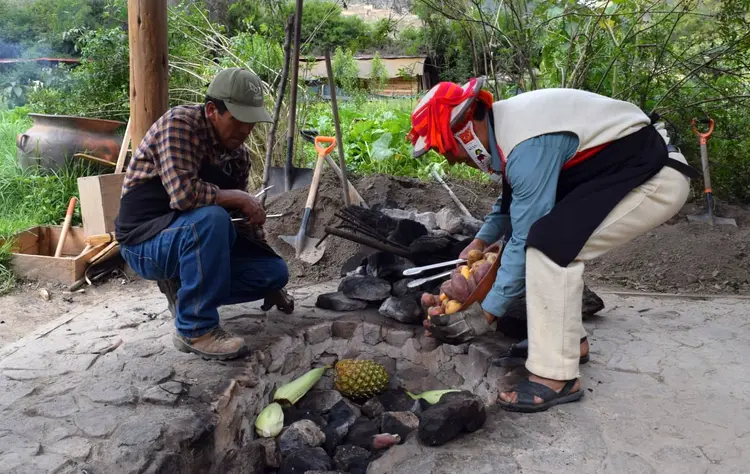
One of the signature rituals is the pachamanca. Meats, potatoes, fava beans, and herbs are layered into a pit over stones that have been heating in a fire for hours, then buried under the earth to cook, an offering to the Pachamama as much as a lunch. Eaten in the field where it is made, it is one of those meals that quietly rearranges how you think about food and time. The Andes will also offer you cuy, the roasted guinea pig that has been a highland staple for millennia and is far better than many squeamish travelers expect.
Where to eat in Cusco and the Sacred Valley:
- Mil (Moray, Sacred Valley) — Virgilio Martínez’s restaurant at 3,680 m; a tasting menu built entirely from ingredients grown at that altitude.
- MAP Café (Cusco) — refined Andean cooking inside the pre-Columbian art museum, off Plaza Nazarenas.
- Chicha (Cusco) — Gastón Acurio’s confident take on the regional canon.
- Cicciolina (Cusco) — Mediterranean-Andean small plates and pasta in an old colonial house.
- Pachapapa (San Blas) — rustic and traditional; cuy and trout perfectly cooked in a huge clay oven.
- Limo (Cusco) — Nikkei and ceviche with views over the Plaza de Armas.
Where to eat in Arequipa:
- Zig Zag — meats and fish grilled on volcanic stone, with a view of the Misti volcano.
- Chicha — Acurio’s Arequipa outpost in a colonial building near Santa Catalina.
- La Nueva Palomino — landmark picantería run by chef Mónica Huertas on century-old family recipes.
- Sol de Mayo — long-standing picantería for rocoto relleno, ocopa, and chupe done the old way.
The Amazon: Foraging, River Fish, and Where to Eat in the Jungle
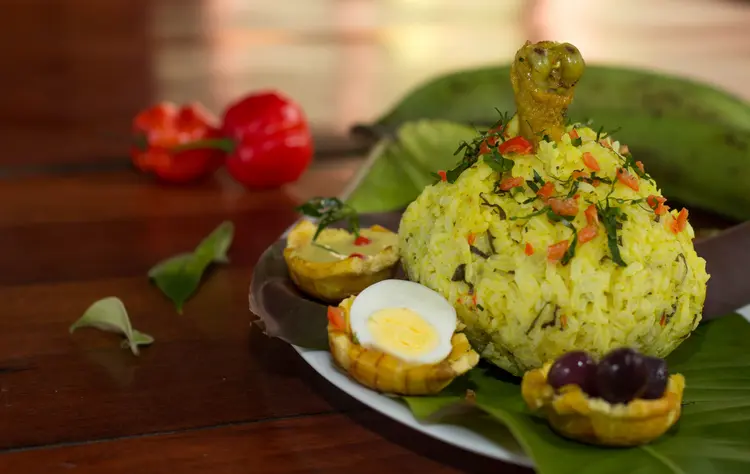
The Amazon is Peru’s least understood cuisine and, for the adventurous, its most rewarding. The logic here is not agriculture so much as foraging and river, a kitchen built from what the forest and the water provide. The signature is paiche, one of the largest freshwater fish on earth, firm and mild, now increasingly farmed sustainably so the wild populations can recover. Around it sits a dish most travelers have never heard of: juane – a parcel of rice and chicken steamed inside a bijao leaf and eaten for the San Juan festival in June; tacacho con Cecina – mashed smoked plantain with cured pork; patarashca – fish wrapped in leaves and grilled; and fruits like aguaje and copoazú that taste like nothing else.
Some of the best Amazonian food is found at the lodges and in the communities themselves, where the cooking has never left the source. The cacao grown here, fermented and dried in small batches, is some of the finest single-origin chocolate produced anywhere, and visiting a working farm to taste it is a quiet highlight of the region.
Where to eat in Iquitos:
- Al Frío y al Fuego — a floating restaurant reached by boat across the Río Itaya; doncella ceviche, river fish grilled in leaves, and a pool to swim in between courses.
- Fitzcarraldo — a long-running riverfront favorite near the Plaza de Armas, mixing Amazonian and Peruvian classics.
- Dawn on the Amazon Café — a relaxed boulevard café well known to travelers, good for fresh juices and lighter local plates.
- Belén market — not a restaurant but essential: the floating market where the region’s wildest ingredients are sold.
The North: The Birthplace of Ceviche
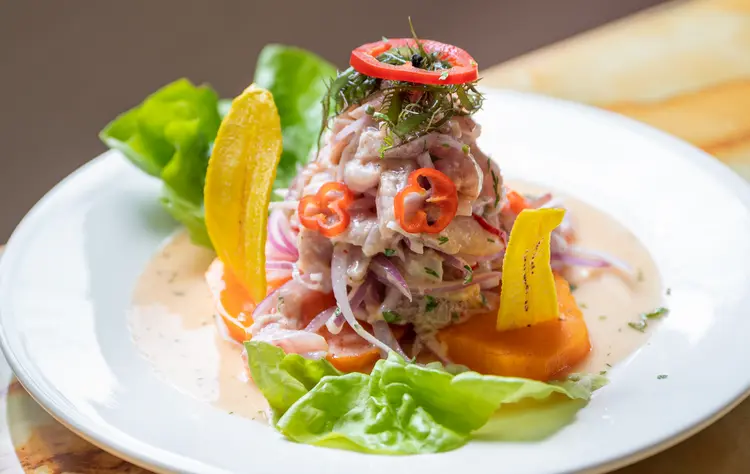
For all of Lima’s fame, plenty of Peruvians will tell you the country’s best everyday food is found in the North, and they have a case. The desert coast around Trujillo, Chiclayo, and Piura is widely held to be the true home of ceviche, and the northern version, brighter and often fierier, is a point of regional pride. It is no accident that Peru marks National Ceviche Day on June 28, right on the doorstep of the July holidays. The repertoire runs well past ceviche, into arroz con pato – duck slow-cooked with rice, dark beer, and cilantro; seco de cabrito – a tender goat stew; and chinguirito – a ceviche made from cured guitarfish. This is the heartland of the old Moche and Chimú cultures, and the cooking carries that long memory.
Where to eat in the north (Chiclayo and Trujillo):
- Fiesta (Chiclayo) — Héctor Solís’s flagship, opened by the Solís family in 1983; the restaurant that lifted comida norteña into fine dining, built around native ingredients like loche squash.
- Big Ben (Huanchaco) — a decades-old cevichería above the beach near Trujillo, with an enormous seafood menu.
- El Mochica (Trujillo) — northern classics named for and inspired by the ancient Moche civilization.
- Squalo’s (Trujillo) — a city institution for fresh fish and seafood.
Pisco and the Peruvian Glass
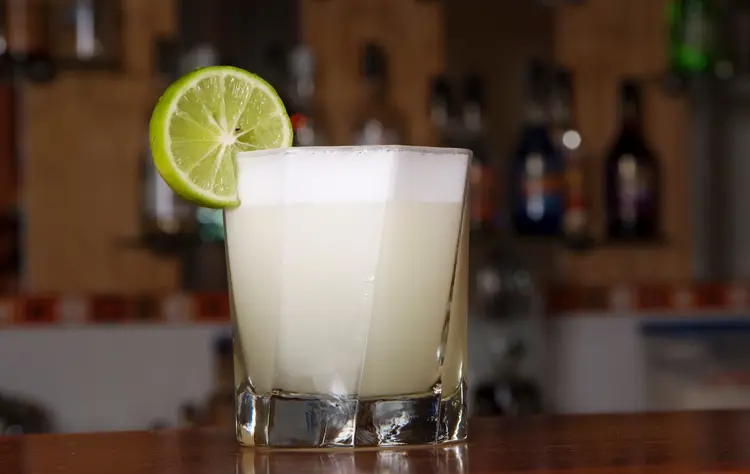
No Peruvian meal really ends, or begins, without a drink, and the national one is pisco, a clear grape brandy distilled on the southern coast and protected as a Peruvian denomination of origin. You will likely meet it first as a pisco sour, shaken with lime, simple syrup, egg white, and a few drops of bitters, tart and foamy and dangerously easy to drink. If you prefer something a little lighter, order a chilcano instead, pisco combined with ginger ale and lime, and you have the long, refreshing version locals reach for on a hot afternoon. To go deeper, the Museo del Pisco, with rooms in Cusco and Arequipa, pours its way through styles and grape varieties most visitors never knew existed.
The non-alcoholic side is just as Peruvian. Chicha morada, deep purple and made from boiled purple corn with pineapple and spices, appears on nearly every table. Up in the Andes you may be offered chicha de jora, the lightly fermented corn beer that predates the Spanish by centuries and still plays a part in community ritual. In Peru culinary travel, the glass deserves as much attention as the plate, because the drinks carry the same braided history the food does.
Planning a Culinary Journey Through Peru
A trip like this lives or dies on access. The tables everyone wants are booked months out, the market vendors and home cooks who make the real magic are listed on no website, and the private encounters – a lunch cooked in a Sacred Valley home, an afternoon with a cacao farmer, a chef-led walk through Surquillo – take time and relationships to arrange. That is the part we handle, and it is why a food-focused trip especially rewards early planning. We get into the timing properly in How Far in Advance Should You Plan a Trip to Peru?.
Tell us how you like to eat, whether that means the ten-course tasting menus, the roadside huarique no guidebook lists, or both, and we will build the country’s flavors into your itinerary as carefully as its ruins and its landscapes. It is, after all, the same story told a different way, which is where we began in The Best Things to Do in Peru.
Start planning your Peru journey →
FAQs
What food is Peru known for?
Ceviche above all, the lime-cured fish that is the national dish, along with lomo saltado, ají de gallina, causa, anticuchos, and the Andean pachamanca. The country’s pantry runs from coastal seafood to Amazonian river fish and several thousand kinds of potatoes.
What is the best restaurant in Peru?
Lima boasts two restaurants that have been named the world’s best: Maido, the Nikkei restaurant of Mitsuharu Tsumura, took the title in 2025, and Central, by Virgilio Martínez and Pía León, won it in 2023. León’s restaurant Kjolle also ranked ninth in the world in 2025.
Where should I eat outside Lima?
In Cusco, MAP Café, Chicha, Cicciolina, and Pachapapa, plus Mil at Moray; in Arequipa, Zig Zag and the picanterías La Nueva Palomino and Sol de Mayo; in the Amazon, Al Frío y al Fuego in Iquitos; and in the north, Fiesta in Chiclayo and Big Ben in Huanchaco.
Do I need reservations for Lima’s top restaurants?
Yes. The most celebrated dining rooms, Maido and Central among them, are booked months in advance, so they are best secured early, as part of planning the wider trip.
What is Peru’s national drink?
Pisco, a grape brandy from the southern coast, usually served as a pisco sour or a chilcano. The classic non-alcoholic option is chicha morada, made from purple corn.
Is Peruvian food very spicy?
It is built on ají chilies, but most dishes are more aromatic than fiery, and the heat is often served on the side. The northern coast and Arequipa tend to cook with a bolder hand than Lima.
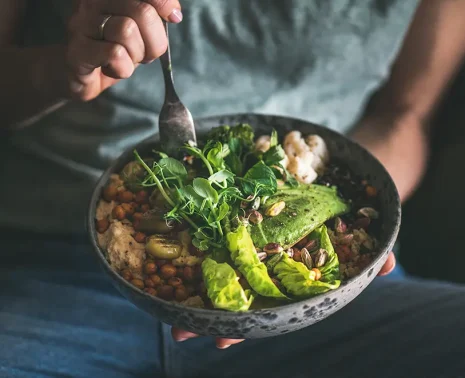
Vegetarian Peruvian Food and the Quiet Depth of a Plant-Based Culinary Tradition
Peruvian cuisine is often described through its richness, its diversity, its complexity. Less frequently is it...
Read Post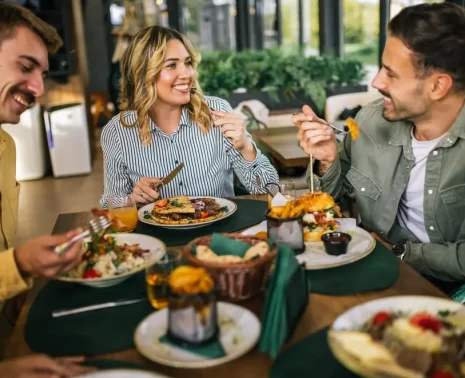
Best Restaurants in Peru and the Perspective Behind Where You Choose to Dine
Searching for the best restaurants in Peru often begins with rankings. Lists, awards, and recognitions offe...
Read Post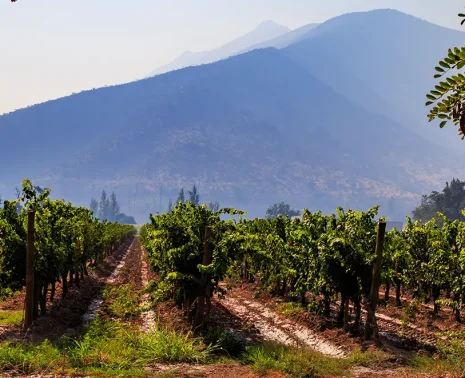
Chilean Wines: How Geography Shapes Their Unique Character
Chilean wines are often introduced through familiarity. Carmenère, Cabernet Sauvignon, valleys near Santia...
Read Post
8 DAYS
Luxury Machu Picchu Tours: Unveiling Peru’s Timeless Wonders
Cusco, Lima, Machu Picchu, Sacred Valley

8 DAYS
Peru Family Vacation: Journey to Machu Picchu and Beyond
Cusco, Lima, Machu Picchu, Sacred Valley

11 DAYS
Amazon River Cruise: A Luxury Journey Through the Amazon
Lima, Cusco, Sacred Valley, Machu Picchu, Iquitos, Amazon River