June 16, 2026 | by: Kuoda Authors


Food in South America is often described through variety.
Different countries, different dishes, different influences. Yet to approach it this way is to see only the surface. What defines South America food is not simply diversity, but structure. A relationship between land, history, and culture that shapes how each ingredient is used and understood.
For the traveler, this changes the question.
It is not only what to eat, but how to move through a continent where cuisine reflects identity in ways that are both subtle and complex. When approached thoughtfully, South America food becomes less about tasting and more about interpretation.
South America Food as a Reflection of Geography
The continent’s geography is not a backdrop. It is a defining force.
The Andes, the Amazon, the Pacific, the Atlantic. Each creates a distinct environment, and with it, a different culinary language. Ingredients are not interchangeable. They are shaped by altitude, climate, and access.
In Peru, this results in a cuisine that moves between ecosystems. Coastal seafood, Andean grains, Amazonian fruits. In Argentina, the focus shifts toward open landscapes and a tradition built around cattle and fire. In Chile, the Pacific defines both ingredients and technique.
Understanding South America food begins with understanding these environments.
Peru: A Culinary Convergence
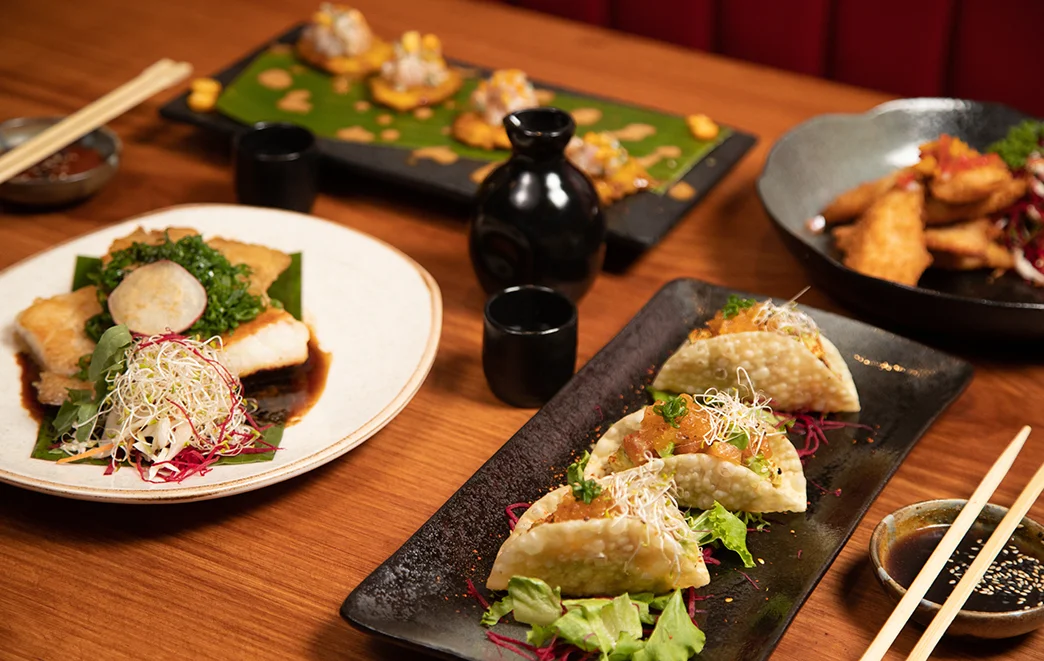
Peru offers one of the clearest expressions of South America food.
Its cuisine is often referenced globally, but what defines it is not recognition. It is integration. Indigenous traditions, Spanish influence, African heritage, and Asian migration have all shaped how food is prepared and experienced.
In Lima, restaurants such as Central and Maido interpret this complexity through structured tasting experiences. Ingredients are presented in relation to altitude or cultural exchange, creating a narrative that extends beyond the plate.
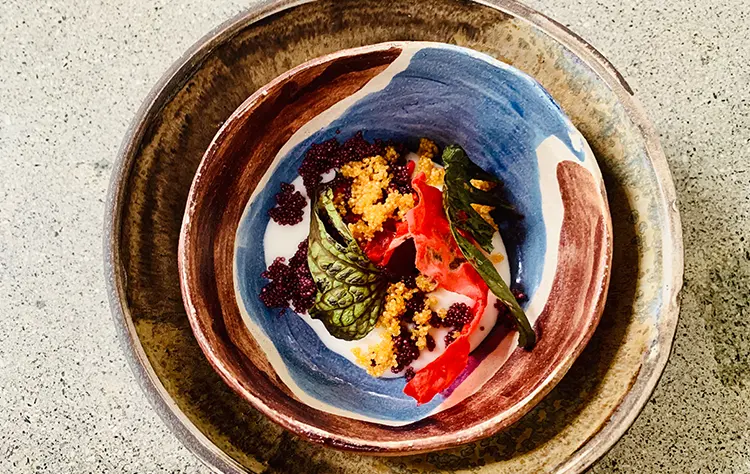
In the Sacred Valley, the perspective shifts. Food becomes more immediate. Corn, potatoes, quinoa, prepared with minimal intervention, reflecting a direct connection to the land.
This movement between interpretation and origin is what makes Peru central to understanding South America food.
Argentina: Simplicity and Precision
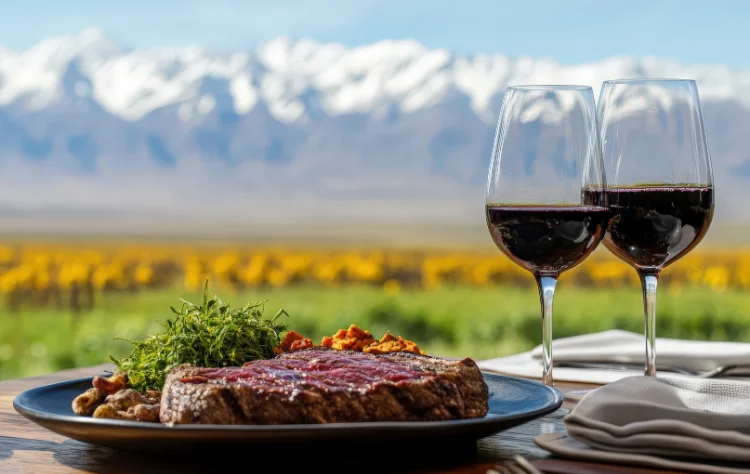
Argentina’s cuisine is often reduced to a single idea.
Yet what defines it is not only the quality of its ingredients, but the restraint with which they are handled. Meat, prepared over fire, becomes a study in timing and technique. The process is deliberate, not rushed.
In Mendoza, wine becomes part of this narrative. Vineyards are not only places of production, but of experience. Tastings are structured to reflect terroir, climate, and the relationship between land and cultivation.
South America food, in this context, is expressed through simplicity that feels intentional.
Chile: A Coastal Interpretation
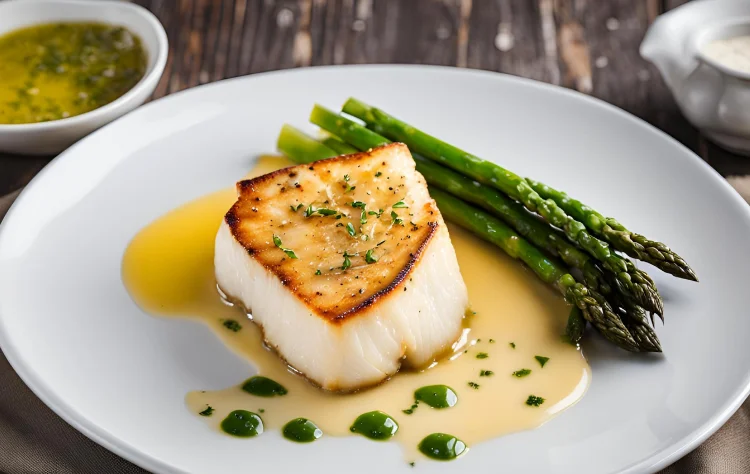
Chile introduces a different dynamic.
Its long coastline creates a cuisine shaped by the ocean. Seafood, often prepared with minimal intervention, allows freshness to remain central. Inland, the landscape shifts, and with it, the culinary approach.
In regions such as the Atacama Desert, ingredients become more limited, yet more focused. The experience is less about variety and more about precision.
Chile’s contribution to South America food lies in this clarity. A sense that each dish reflects its environment without excess.
Colombia and Ecuador: Layers of Tradition
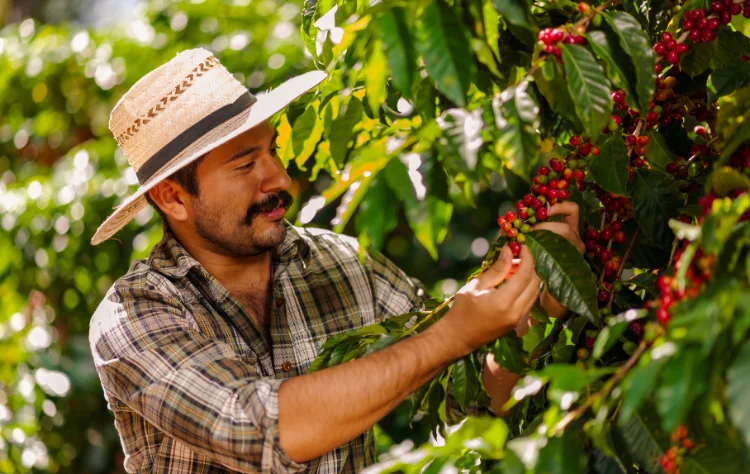
In Colombia and Ecuador, food is often more understated.
It is not presented through global recognition, but through continuity. Recipes passed through generations, ingredients sourced locally, meals that reflect daily life rather than curated experiences.
In Colombia’s Coffee Region, for example, cuisine is closely tied to the land. Fresh produce, simple preparations, and a rhythm that aligns with agricultural life.
In Ecuador, the diversity of regions creates variation within a smaller geography. Coastal dishes differ significantly from those in the Andes, yet both maintain a sense of identity.
These layers add depth to the broader understanding of South America food.
Designing a Culinary Journey Across the Continent
Experiencing South America food requires more than visiting restaurants.
It involves movement between regions, each offering a different perspective. The challenge lies in creating continuity across these transitions.
At Kuoda, culinary experiences are not treated as isolated moments. They are integrated into the structure of the journey. A market visit in Lima informs a meal in the Sacred Valley. A vineyard experience in Mendoza contrasts with a coastal lunch in Chile.
This approach allows the traveler to see connections rather than differences.
Beyond Dining: Food as a Cultural Lens
Some of the most meaningful culinary moments occur outside of restaurants.
Markets, private kitchens, conversations with producers. These experiences reveal how food is sourced, prepared, and shared within each culture.
They provide context that cannot be replicated in a dining room. Understanding where ingredients come from, how they are cultivated, and how they are used within communities adds depth to the experience.
South America food, when approached this way, becomes a lens through which the continent can be understood.
Sustainability and Culinary Responsibility
Across South America, there is a growing awareness of the relationship between food and sustainability.
Chefs and producers are increasingly focused on preserving biodiversity, supporting local agriculture, and maintaining traditional practices. This is particularly evident in countries such as Peru, where native ingredients are central to culinary identity.
Kuoda works with partners who reflect this approach, ensuring that culinary experiences are aligned with long-term environmental and cultural sustainability.
FAQs About South America Food
What defines South America food?
It is defined by geography, cultural influence, and the relationship between land and ingredients rather than a single culinary style.
Is South America food similar across countries?
No. Each country offers a distinct culinary identity shaped by its environment and history.
Where should a culinary-focused journey begin?
Peru is often a strong starting point due to its diversity and integration of influences.
Can dietary preferences be accommodated?
Yes. Culinary experiences can be adapted while maintaining authenticity and quality.
A Continent Understood Through Its Table
South America food cannot be reduced to a list of dishes.
It is a reflection of landscapes, histories, and cultures that exist in constant dialogue. To experience it fully is to move through the continent with attention, allowing each region to reveal its perspective.
At Kuoda, this is how the journey is designed. Not around isolated meals, but around a deeper understanding of how food connects to place.
The result is not only a series of culinary experiences, but a more complete way of seeing South America itself.
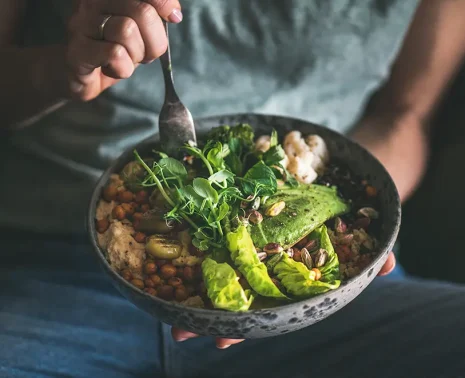
Vegetarian Peruvian Food and the Quiet Depth of a Plant-Based Culinary Tradition
Peruvian cuisine is often described through its richness, its diversity, its complexity. Less frequently is it...
Read Post
Best Restaurants in Peru and the Perspective Behind Where You Choose to Dine
Searching for the best restaurants in Peru often begins with rankings. Lists, awards, and recognitions offe...
Read Post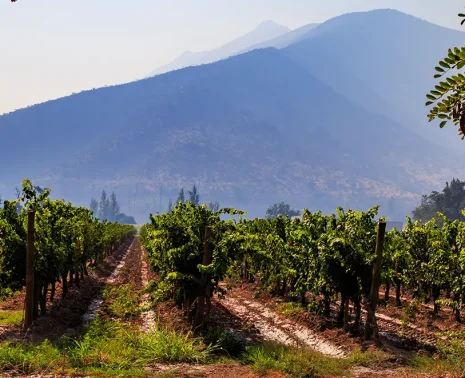
Chilean Wines: How Geography Shapes Their Unique Character
Chilean wines are often introduced through familiarity. Carmenère, Cabernet Sauvignon, valleys near Santia...
Read Post
8 DAYS
Luxury Machu Picchu Tours: Unveiling Peru’s Timeless Wonders
Cusco, Lima, Machu Picchu, Sacred Valley

8 DAYS
Peru Family Vacation: Journey to Machu Picchu and Beyond
Cusco, Lima, Machu Picchu, Sacred Valley

11 DAYS
Amazon River Cruise: A Luxury Journey Through the Amazon
Lima, Cusco, Sacred Valley, Machu Picchu, Iquitos, Amazon River