April 20, 2026 | by: Kuoda Authors


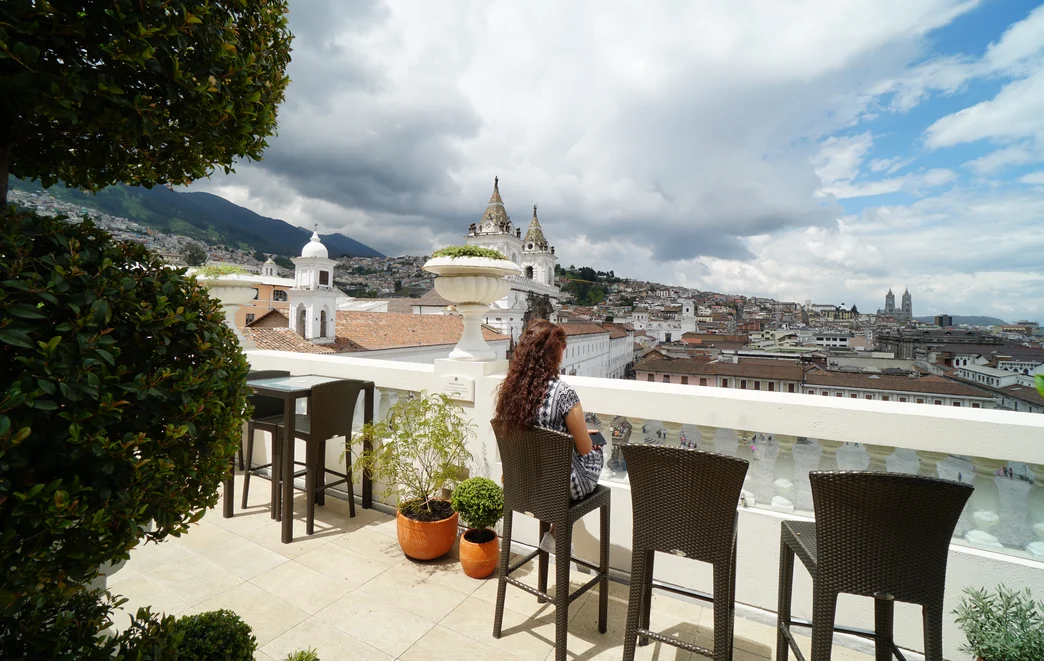
Quito sits high, both geographically and culturally. At over 2,800 meters above sea level, Ecuador’s capital unfolds across Andean ridges beneath a ring of volcanoes. Its historic center preserves colonial architecture with meticulous care. Yet the city’s contemporary identity reveals itself most clearly at the table.
When travelers begin searching for Quito restaurants, they are rarely looking for a simple list. They are seeking orientation. Where to dine in a city that balances tradition with innovation. How to interpret Ecuadorian ingredients without reducing them to novelty. How to experience local cuisine in a way that feels informed rather than performative.
Dining in Quito is not about extravagance. It is about altitude, agriculture, and quiet creativity.
Quito Restaurants as Cultural Interpretation
Ecuador’s culinary landscape reflects its geography. Coastal seafood. Andean grains. Amazonian fruits. Quito, positioned between these regions, serves as a crossroads.
Understanding Quito restaurants requires understanding the country’s ecosystems.
The Historic Center: Heritage With Precision
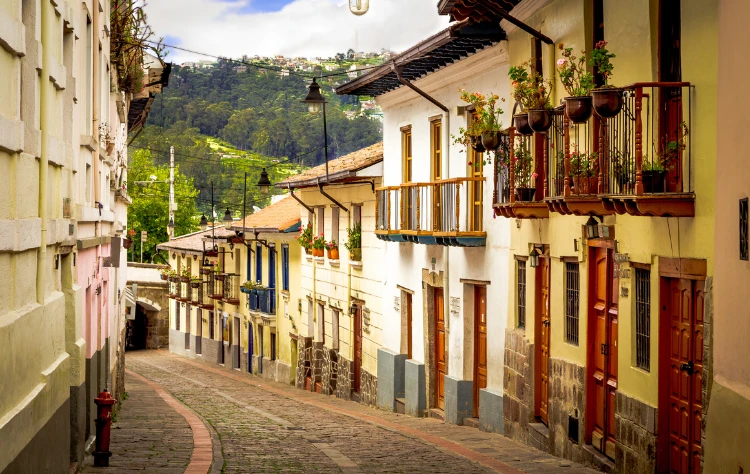
Within the UNESCO-listed old town, narrow streets open into plazas framed by baroque churches. Restaurants here often inhabit restored colonial buildings, where stone walls and wooden beams create intimacy.
Dining in this setting is atmospheric, but substance matters equally. Traditional dishes such as locro de papa, a creamy Andean potato soup, or seco de chivo, a slow-braised stew, are elevated through careful sourcing and presentation.
A private culinary introduction can frame the origins of these dishes, tracing their indigenous and Spanish influences. The experience becomes educational rather than decorative.
For many travelers, beginning their exploration of Quito restaurants in the historic center offers both grounding and refinement.
Contemporary Quito: Innovation at Altitude
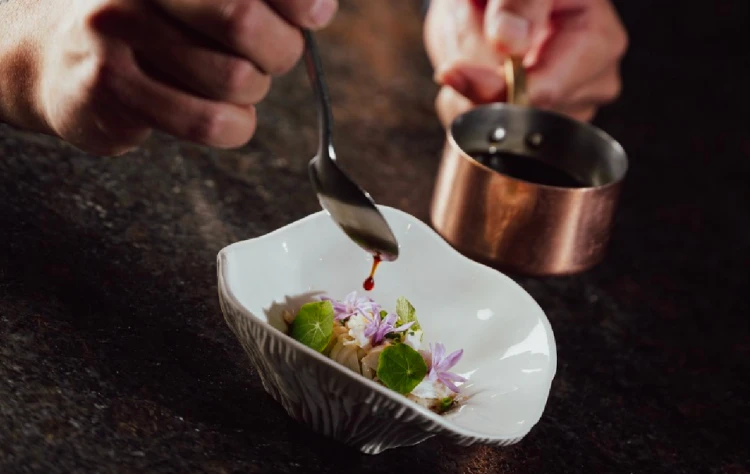
Beyond the old town, neighborhoods such as La Floresta and La Carolina host a more contemporary culinary scene. Here, chefs reinterpret Ecuadorian ingredients through global technique while maintaining local integrity.
One cannot discuss Quito restaurants without acknowledging Nuema, a restaurant that has received international recognition for its creative use of native ingredients. Its tasting menus explore regional biodiversity with restraint and clarity.
Equally compelling is Zazu, known for blending Ecuadorian products with refined international technique. The emphasis remains on quality and precision rather than spectacle.
A well-designed dining experience in Quito avoids excess scheduling. Rather than reserving multiple ambitious dinners consecutively, Kuoda’s approach allows for balance. One evening of gastronomic exploration may be followed by a simpler meal highlighting seasonal produce and Andean grains.
The city rewards moderation.
Markets and Ingredients: Understanding the Source
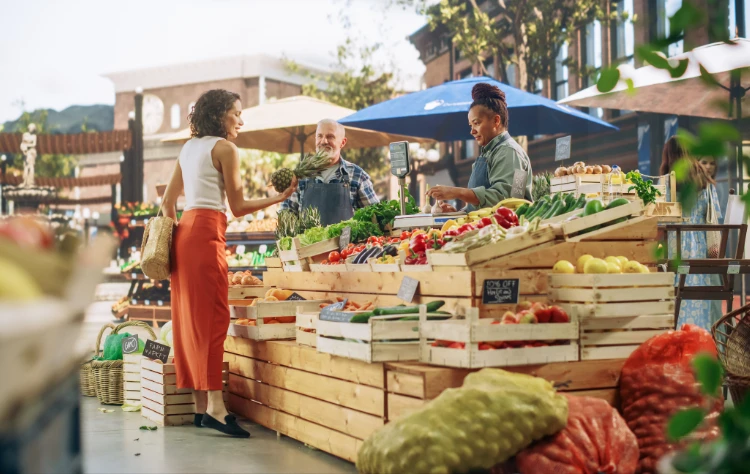
To appreciate Quito restaurants fully, context matters.
A private visit to a traditional market introduces the raw materials shaping Ecuadorian cuisine. Vibrant stands display golden uvillas, purple maize, tree tomatoes, and fresh herbs grown in high-altitude soil.
Engaging with local vendors offers insight into agricultural cycles and regional supply chains. Ingredients such as quinoa, once an Andean staple, now appear in contemporary tasting menus with renewed pride.
The connection between market and restaurant remains visible in Quito. For travelers who value intellectual engagement, this continuity deepens appreciation.
Pairing Dining With Broader Ecuador Exploration
Quito’s culinary identity becomes even more meaningful when paired with the country’s varied landscapes.
A journey that begins in the capital might continue to the Andean highlands near Otavalo, where indigenous communities maintain textile and agricultural traditions. From there, descending into Cloud Forest Ecuador reveals biodiversity that influences regional ingredients.
Many travelers combine Quito with the Galápagos Islands, creating a narrative of land and sea. Coastal flavors encountered in the islands find subtle echoes in the capital’s restaurants.
Kuoda ensures that transitions remain seamless. Private transfers, thoughtfully located accommodations, and curated dining reservations create coherence across regions.
The meal becomes part of the larger story.
The Quiet Definition of Luxury in Quito Restaurants
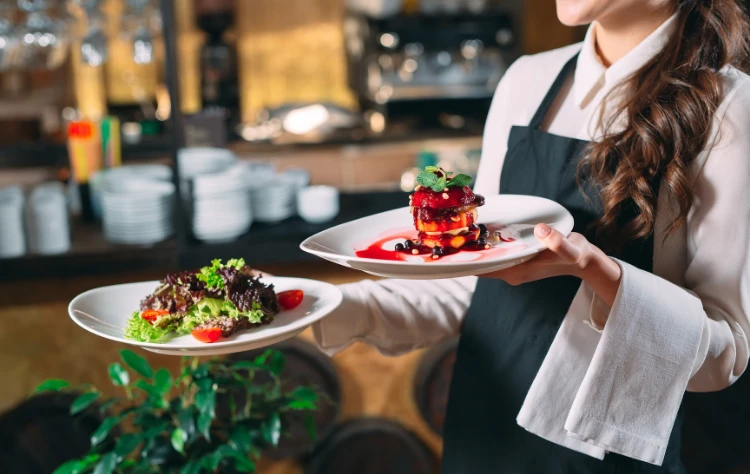
Luxury in Quito does not rely on opulence. It lies in access, timing, and interpretation.
Private reservations at sought-after establishments prevent disruption. Sommeliers introduce South American wines with contextual knowledge. Service feels attentive but never intrusive.
Altitude influences dining pace. At nearly 3,000 meters, evenings unfold gradually. A slower rhythm allows for conversation and reflection.
Kuoda’s role is discreet orchestration. Recommendations align with personal preferences, dietary considerations, and travel schedule. The aim is not to impress with exclusivity, but to ensure ease and authenticity.
Responsible Dining and Community Connection
Many Quito restaurants prioritize local sourcing and collaboration with small-scale producers. This approach strengthens rural economies and preserves biodiversity.
Responsible travel includes supporting establishments committed to sustainability without turning dining into a moral statement. Discretion remains central.
Through the Kaypi Kunan Foundation, Kuoda supports broader community initiatives across South America, reinforcing long-term engagement rooted in continuity rather than display.
Recognition as a Tripadvisor Travelers’ Choice 2025 winner reflects consistent trust from travelers who value thoughtful design in every detail, including where they dine.
Frequently Asked Questions About Quito Restaurants
Are Quito restaurants internationally competitive?
Yes. Several establishments have received regional and global recognition for innovative use of Ecuadorian ingredients while maintaining refined technique.
Is traditional Ecuadorian cuisine heavy?
Andean dishes can be hearty, reflecting high-altitude agriculture. However, contemporary Quito restaurants reinterpret these flavors with balance and nuance.
Should reservations be made in advance?
For highly regarded restaurants, especially during peak travel seasons, advance reservations are advisable. Private planning ensures availability and optimal timing.
Can dining be combined with cultural experiences?
Absolutely. Culinary exploration pairs naturally with guided visits to Quito’s historic center, art galleries, and markets, creating layered understanding.
Dining Above the Clouds
Quito’s altitude shapes more than its skyline. It shapes perspective.
Dining here invites attention to origin and evolution. Indigenous grains meet contemporary technique. Colonial architecture frames modern creativity. Conversation unfolds slowly beneath Andean peaks.
For travelers who seek meaning in the details, Quito restaurants offer more than meals. They offer context. When integrated thoughtfully into a private journey, the table becomes another way to understand place. And understanding, after all, is the point.
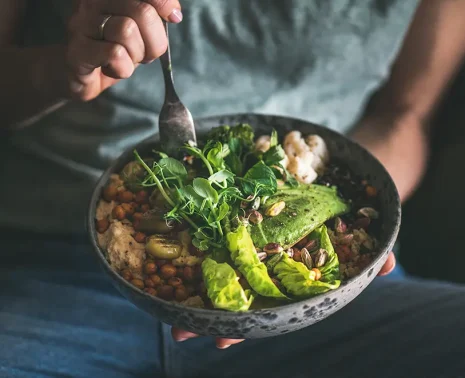
Vegetarian Peruvian Food and the Quiet Depth of a Plant-Based Culinary Tradition
Peruvian cuisine is often described through its richness, its diversity, its complexity. Less frequently is it...
Read Post
Best Restaurants in Peru and the Perspective Behind Where You Choose to Dine
Searching for the best restaurants in Peru often begins with rankings. Lists, awards, and recognitions offe...
Read Post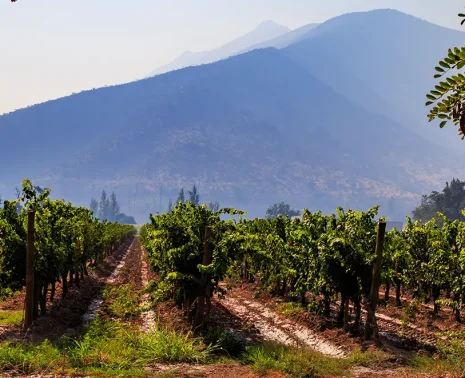
Chilean Wines: How Geography Shapes Their Unique Character
Chilean wines are often introduced through familiarity. Carmenère, Cabernet Sauvignon, valleys near Santia...
Read Post
8 DAYS
Luxury Machu Picchu Tours: Unveiling Peru’s Timeless Wonders
Cusco, Lima, Machu Picchu, Sacred Valley

8 DAYS
Peru Family Vacation: Journey to Machu Picchu and Beyond
Cusco, Lima, Machu Picchu, Sacred Valley

11 DAYS
Amazon River Cruise: A Luxury Journey Through the Amazon
Lima, Cusco, Sacred Valley, Machu Picchu, Iquitos, Amazon River