September 07, 2026 | by: Kuoda Authors


Peruvian cuisine is often described through its richness, its diversity, its complexity. Less frequently is it understood through what it omits.
Yet vegetarian Peruvian food, when approached with attention, reveals a different perspective on the country. One that is not defined by substitution, but by abundance. By an agricultural history that predates modern dietary distinctions, and by ingredients that have always held central importance.
Corn, potatoes, quinoa, ají peppers, native herbs. These are not adaptations. They are foundations.
To experience Peru through a vegetarian lens is not to narrow the journey. It is, in many ways, to understand it more clearly.
Vegetarian Peruvian Food as an Expression of Place
Vegetarian Peruvian food does not exist as a separate category within the cuisine. It is embedded within it.
Long before global culinary trends, Andean and coastal communities developed diets that relied heavily on plant-based ingredients. What distinguishes Peru is not simply the presence of these ingredients, but their diversity.
Thousands of potato varieties, each with its own texture and use. Grains such as quinoa and kiwicha that carry both nutritional and cultural significance. Fruits from the Amazon that remain unfamiliar outside the region.
When experienced in context, vegetarian Peruvian food becomes less about restriction and more about recognition.
Understanding Lima Through a Plant-Based Perspective
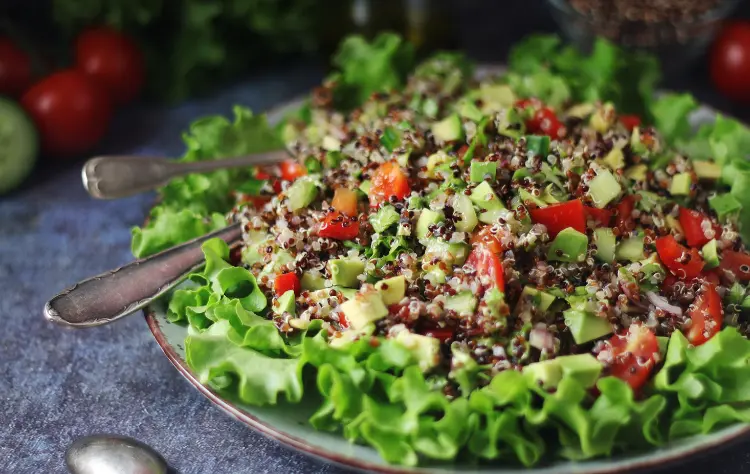
Lima offers a particularly interesting entry point into vegetarian Peruvian food.
The city’s culinary scene is known for its innovation, yet its vegetarian offerings are not limited to modern reinterpretations. They draw from the same ecosystems and traditions that define the broader cuisine.
At Central, for example, plant-based tasting menus are not designed as alternatives, but as parallel narratives. Ingredients are explored through altitude and environment, allowing vegetables and grains to carry the same conceptual weight as any other element.
At Kjolle, the approach is more intuitive. Seasonal ingredients are presented with restraint, allowing their natural character to remain intact.
For something more grounded, La Verde offers a space where vegetarian cuisine feels integrated into daily life. The experience is less structured, but equally reflective of Peru’s evolving food culture.
These are not simply places to eat. They are different ways of understanding vegetarian Peruvian food within the context of Lima.
The Sacred Valley and the Origin of Ingredients
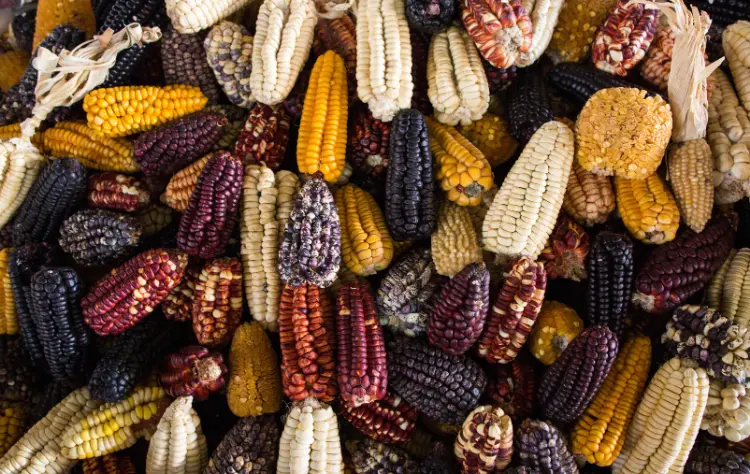
Moving into the Sacred Valley shifts the perspective.
Here, vegetarian Peruvian food is no longer interpreted through restaurants alone. It is experienced at its source. Fields of quinoa, native corn varieties, and small-scale agriculture provide a direct connection to the land.
Meals in this region often feel simpler, but more rooted. Ingredients are used with minimal intervention, allowing their quality to define the experience.
Private visits to local farms or community kitchens offer an opportunity to see how these foods are grown, prepared, and shared. These moments are not staged. They reflect practices that have been maintained over time.
For many travelers, this becomes one of the most meaningful aspects of experiencing vegetarian Peruvian food.
Cusco and the Continuity of Tradition
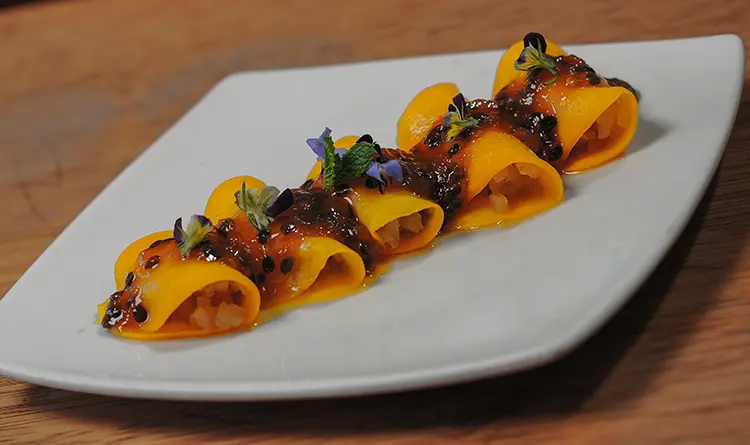
In Cusco, the experience becomes more layered.
The city’s culinary scene reflects both tradition and adaptation. Vegetarian Peruvian food appears in both contemporary restaurants and more traditional settings, often without distinction.
At Chicha, Andean ingredients are reinterpreted with a sense of continuity. Dishes evolve, but their foundation remains recognizable.
At Green Point, the focus shifts toward a fully plant-based approach, combining local ingredients with global influences while maintaining a clear connection to place.
These spaces illustrate how vegetarian Peruvian food continues to evolve without losing its roots.
Suggested Kuoda-Recommended Vegetarian Dining Experiences
Kuoda’s on-the-ground knowledge allows for a more curated approach to vegetarian dining across Peru.
In Lima, travelers are often guided toward a mix of refined and relaxed experiences. Restaurants such as Central, Kjolle, La Verde, and Armónica Café provide different perspectives on how plant-based cuisine is expressed within the city.
In Cusco, options such as Green Point, Organika, and Chicha offer a balance between innovation and tradition, each reflecting a different interpretation of local ingredients.
These recommendations are not presented as a list to complete, but as a framework. The selection depends on the structure of the journey, the traveler’s preferences, and the overall pacing of the experience.
Kuoda’s curated guide to vegan and vegetarian restaurants across Peru can be explored here.
Designing a Vegetarian Journey Through Peru
Traveling through Peru as a vegetarian does not require compromise, but it does benefit from thoughtful design.
Menus can be adapted, but the more meaningful approach is to build the journey around places where vegetarian Peruvian food is already part of the culinary identity.
At Kuoda, this is considered from the outset. Restaurants are selected with intention. Experiences are shaped to ensure that each meal feels aligned with the broader journey.
The result is not a series of adjustments, but a cohesive culinary experience.
Sustainability and Agricultural Heritage
Vegetarian Peruvian food is closely connected to the country’s agricultural heritage.
Traditional farming practices, biodiversity, and regional knowledge all contribute to how ingredients are cultivated and used. This connection is increasingly reflected in contemporary cuisine, where chefs work directly with producers to preserve native varieties.
Kuoda supports experiences that reflect this relationship, often through partnerships with local communities and initiatives connected to the Kaypi Kunan Foundation.
These elements are not presented as separate experiences. They are part of the structure of the journey itself.
FAQs About Vegetarian Peruvian Food
Is vegetarian Peruvian food widely available?
Yes, particularly in cities such as Lima and Cusco, where both traditional and contemporary restaurants offer strong plant-based options.
Can high-end dining experiences accommodate vegetarian preferences?
Absolutely. Many of Peru’s leading restaurants offer vegetarian tasting menus that are designed with the same level of detail and intention.
Will I miss out on traditional cuisine as a vegetarian?
Not necessarily. Many traditional dishes are naturally plant-based or can be experienced through their core ingredients.
How does vegetarian Peruvian food vary by region?
Coastal areas emphasize fresh produce and herbs, while the Andes focus on grains, tubers, and seasonal vegetables. Each region offers a distinct perspective.
A Different Way of Understanding Peru
To experience vegetarian Peruvian food is to see the country from a different angle.
Not through what is added, but through what has always been present. Ingredients that carry history, culture, and identity in ways that are often overlooked.
When approached with care, this perspective does not feel limiting. It feels clarifying.
At Kuoda, this is how the journey is designed. Not as a modification, but as a way of engaging more deeply with the places, people, and traditions that define Peru.

Best Restaurants in Peru and the Perspective Behind Where You Choose to Dine
Searching for the best restaurants in Peru often begins with rankings. Lists, awards, and recognitions offe...
Read Post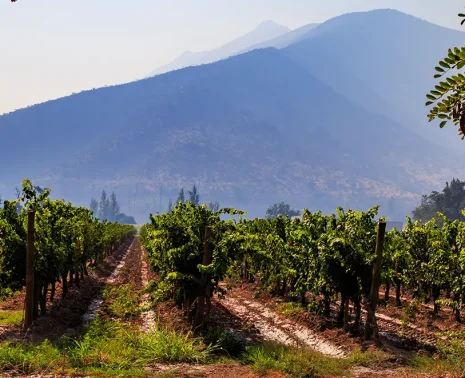
Chilean Wines: How Geography Shapes Their Unique Character
Chilean wines are often introduced through familiarity. Carmenère, Cabernet Sauvignon, valleys near Santia...
Read Post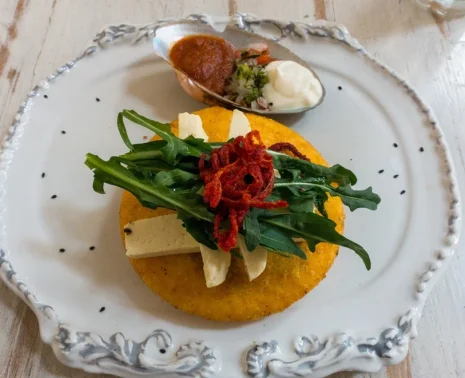
Colombia Culinary Journeys and the Experience of Understanding a Country Through Flavor
Colombia is a country that expresses itself through regional identity. The Caribbean coast feels warm, colo...
Read Post
8 DAYS
Luxury Machu Picchu Tours: Unveiling Peru’s Timeless Wonders
Cusco, Lima, Machu Picchu, Sacred Valley

8 DAYS
Peru Family Vacation: Journey to Machu Picchu and Beyond
Cusco, Lima, Machu Picchu, Sacred Valley

11 DAYS
Amazon River Cruise: A Luxury Journey Through the Amazon
Lima, Cusco, Sacred Valley, Machu Picchu, Iquitos, Amazon River