April 21, 2026 | by: Kuoda Authors


Colombia cannot be understood as a single narrative. It is a country shaped by altitude shifts, coastlines, river basins, and migration patterns that have produced distinct cultural identities.
When travelers begin searching for Colombia regions, they are not simply looking for a map. They are trying to determine how geography shapes experience. Which landscapes align with their interests. How to move through the country in a way that feels coherent rather than fragmented.
The answer lies in recognizing that Colombia’s regions are not interchangeable. They carry different histories, rhythms, and atmospheres. Designing a refined journey requires acknowledging these differences and allowing space for each to unfold.
Colombia Regions as Cultural and Geographic Frameworks
Colombia is often divided into five principal regions: the Caribbean coast, the Andean highlands, the Pacific coast, the Amazon basin, and the Orinoquía plains. For travelers seeking depth and comfort, certain regions offer greater infrastructure and accessibility, while others remain more remote and exploratory.
The art of travel here lies in selective combination.
The Caribbean Coast: Light, Color, and Layered History
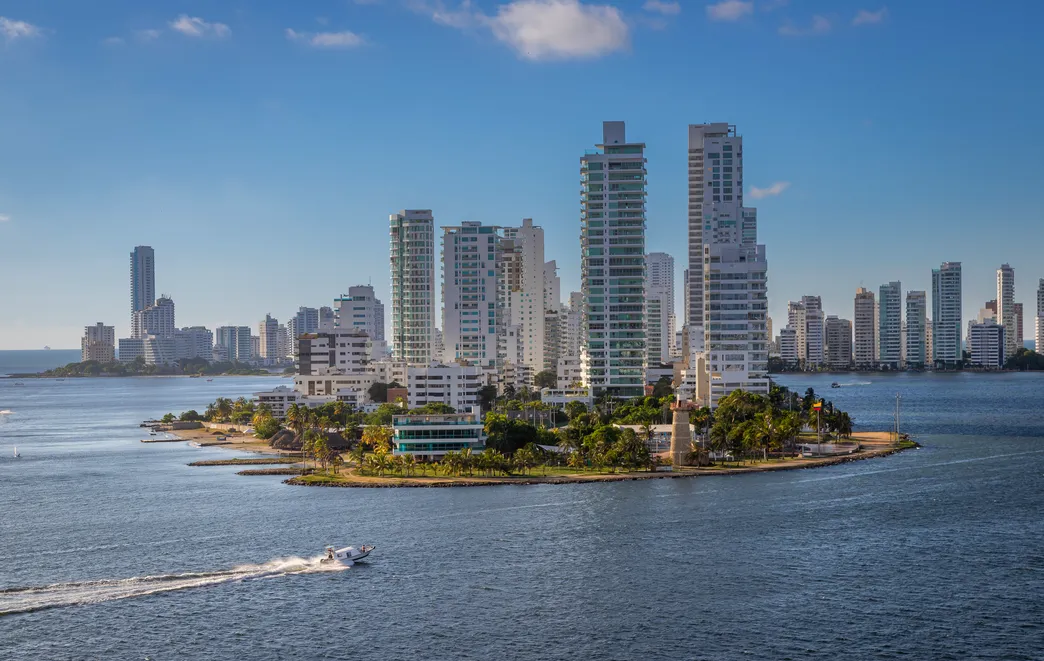
Along the northern shoreline, the Caribbean region reflects a blend of African, indigenous, and Spanish influences. Heat softens the pace. Music carries easily through open windows.
Cartagena serves as the cultural anchor of this region. Within its walled historic center, colonial architecture stands in deliberate symmetry, softened by bougainvillea and salt air. Fortifications such as Castillo San Felipe de Barajas remind visitors of the city’s strategic importance in the Spanish empire.
Yet Colombian culture here extends beyond preserved façades. Contemporary culinary scenes reinterpret Caribbean ingredients with refinement. Small art studios and design spaces signal a modern creative current.
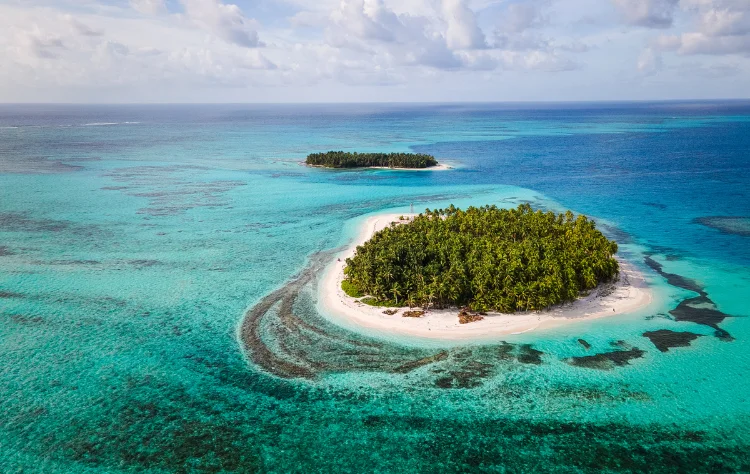
Nearby islands in the Rosario archipelago offer quiet beaches and marine biodiversity, allowing contrast between cultural immersion and restorative seclusion.
For many travelers, the Caribbean coast provides a compelling introduction to Colombia regions. It feels accessible yet complex.
The Andean Region: Intellectual and Agricultural Heart
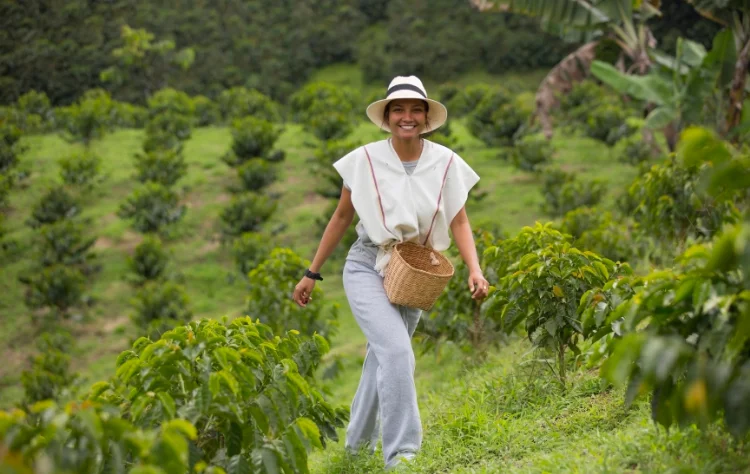
The Andean region forms the country’s core, stretching across multiple mountain ranges. Here, cities rise above valleys, and agricultural traditions shape daily life.
Bogotá, at 2,600 meters above sea level, presents a reflective and intellectual atmosphere. Museums such as the Gold Museum illuminate pre-Columbian craftsmanship, while contemporary galleries explore political memory and social dialogue.
Further north, Medellín offers a study in urban transformation. Once marked by conflict, it now stands as a center of innovation and civic renewal. Public transportation systems integrate previously isolated neighborhoods. Design and entrepreneurship reflect confidence in forward momentum.
The coffee region, part of the Andean landscape, introduces agricultural continuity. Rolling green hills and family-run fincas define the terrain. Visiting a working coffee estate provides insight into generational knowledge and cultivation techniques that shape Colombia’s global reputation.
Among Colombia regions, the Andes offer depth through contrast: cosmopolitan cities and rural heritage coexisting within mountain corridors.
The Pacific Coast: Remote Biodiversity
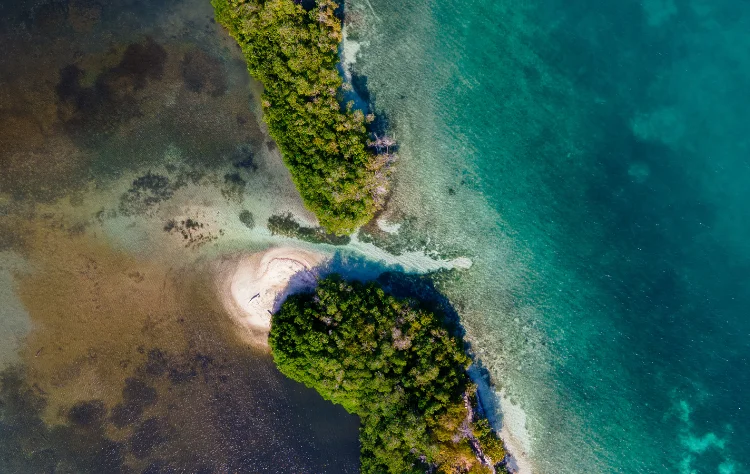
Colombia’s Pacific coast remains one of its least visited regions, yet it holds extraordinary ecological richness. Dense rainforest meets black-sand beaches. Whale migration occurs seasonally offshore.
Access is limited and infrastructure modest. For travelers seeking exclusivity grounded in nature, carefully selected eco-lodges offer privacy without disrupting fragile ecosystems.
The Pacific region demands flexibility. Weather patterns are unpredictable. Yet for those drawn to biodiversity and relative isolation, it provides a different lens on Colombian identity.
In designing journeys, Kuoda approaches this region selectively, ensuring conditions and accommodations align with traveler comfort and expectations.
The Amazon Basin: Ecological Immersion
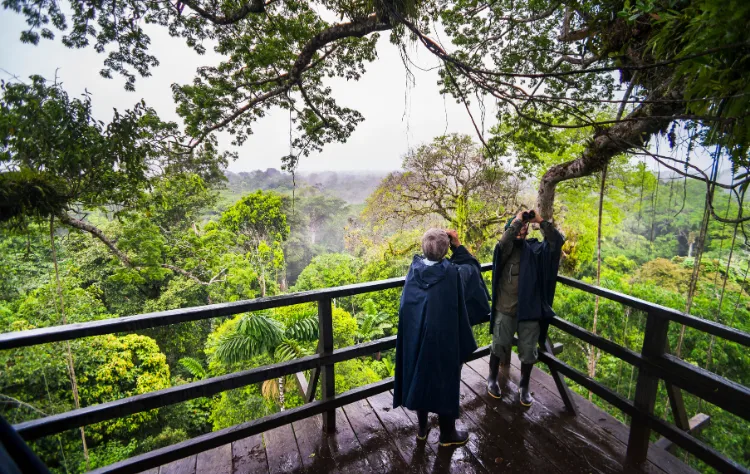
Southern Colombia extends into the Amazon basin, where river systems define movement. Indigenous communities maintain traditions shaped by forest knowledge and river navigation.
Visiting this region requires careful coordination and cultural sensitivity. Private guides facilitate respectful encounters, emphasizing dialogue rather than observation.
The Amazon does not lend itself to hurried itineraries. It invites immersion and humility. Within a broader exploration of Colombia regions, it serves as an ecological counterpoint to Andean cities and Caribbean warmth.
Designing Coherence Across Colombia Regions
Colombia’s regional diversity is its strength. It can also overwhelm.
Attempting to combine too many regions in a short timeframe dilutes understanding. A more considered approach might pair Cartagena with the coffee region, balancing coastal energy with Andean calm. Alternatively, Bogotá and Medellín offer insight into intellectual and creative evolution.
Travel within Colombia benefits from private transfers and carefully timed domestic flights. Boutique accommodations, chosen for architectural character and location, preserve atmosphere.
Kuoda’s role is orchestration. Seamless logistics allow the traveler to focus on engagement rather than coordination. Each region becomes a chapter within a coherent narrative.
Responsible Presence
Colombia’s recent history and ongoing transformation require thoughtful engagement. Tourism contributes to economic growth, yet must be approached with respect for community dynamics.
Kuoda partners with local experts and properties committed to sustainable development. Cultural encounters are curated privately and collaboratively. Environmental considerations guide property selection, particularly in biodiverse regions.
Through the Kaypi Kunan Foundation, Kuoda supports long-term community initiatives across South America, reinforcing continuity and responsible presence.
Recognition as a Tripadvisor Travelers’ Choice 2025 winner reflects consistent trust from travelers who value integrity alongside refinement.
Frequently Asked Questions About Colombia Regions
How many Colombia regions should be included in one journey?
Two to three regions over ten to fourteen days allows for depth and manageable transitions.
Is the Caribbean region very different from the Andes?
Yes. Climate, cuisine, music, and architecture vary significantly. Experiencing both provides meaningful contrast.
Are remote regions such as the Pacific coast suitable for luxury travel?
They can be, when carefully designed. Select eco-lodges offer privacy and comfort, though expectations should align with environmental realities.
Which region best reflects Colombian culture?
No single region defines Colombian culture. Identity shifts by geography. Understanding emerges through contrast rather than concentration.
Reading the Landscape
Colombia regions are not administrative divisions alone. They are expressions of climate, migration, and resilience.
Coastal light. Mountain air. Forest canopy. Each shapes how people live, cook, build, and celebrate.
Designing a journey through Colombia with intention means selecting regions that resonate personally, allowing time for dialogue, and moving with awareness.
When done thoughtfully, the country reveals itself not as a collection of destinations, but as a layered, evolving whole.
And that is where understanding begins.
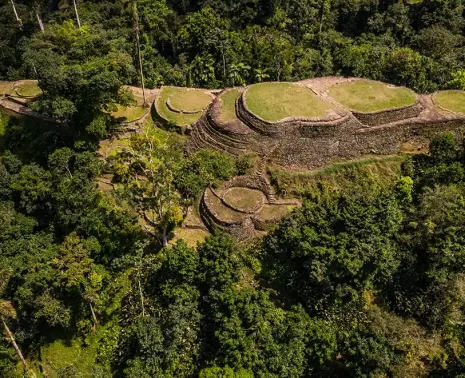
The Lost City Colombia and the Meaning of Reaching It
Some destinations are defined by what they are. Others by what it takes to reach them. The Lost City Col...
Read Post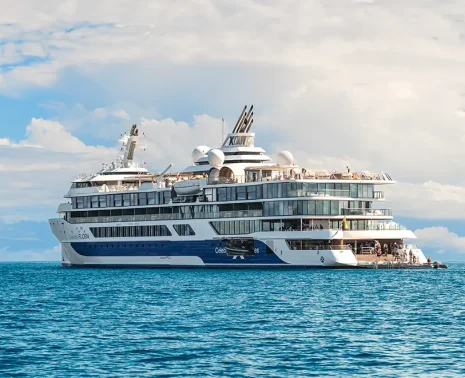
Best Galápagos Cruises: Choosing the Right Way to Experience the Islands
The phrase “best Galápagos cruises” suggests comparison. Ships, cabins, amenities, itineraries. It invite...
Read Post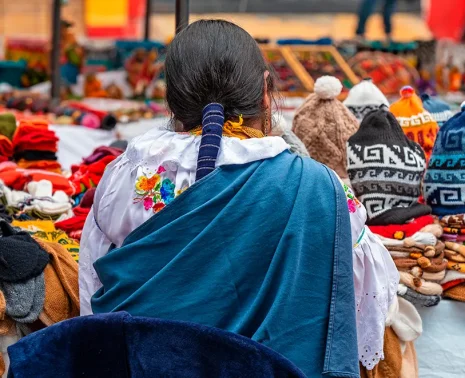
Designing an Ecuador Itinerary with Intention: How to Experience the Country Beyond the Obvious
An Ecuador itinerary is often approached as a checklist. A few days in Quito, a quick passage through the Ande...
Read Post
8 DAYS
Luxury Machu Picchu Tours: Unveiling Peru’s Timeless Wonders
Cusco, Lima, Machu Picchu, Sacred Valley

8 DAYS
Peru Family Vacation: Journey to Machu Picchu and Beyond
Cusco, Lima, Machu Picchu, Sacred Valley

11 DAYS
Amazon River Cruise: A Luxury Journey Through the Amazon
Lima, Cusco, Sacred Valley, Machu Picchu, Iquitos, Amazon River