June 01, 2026 | by: Kuoda Authors


Introduction
Traveling as a family changes the purpose of a journey.
It is no longer only about discovery. It becomes about sharing. About creating experiences that resonate across generations, where each person engages with a place differently, yet the journey still feels cohesive.
South America offers a rare setting for this kind of travel. Its landscapes are expansive, its cultures deeply rooted, and its experiences varied enough to hold the attention of both adults and children without dilution.
Family travel South America, when designed thoughtfully, is not about simplifying the destination. It is about structuring the journey in a way that allows each traveler to connect with it in their own way, without losing the depth that makes the experience meaningful.
Family Travel South America: Designing for Different Perspectives
A family journey carries multiple layers of expectation.
Parents may be drawn to cultural depth or history. Children often engage more through activity and interaction. Grandparents may prioritize comfort and pace. Balancing these perspectives is less about compromise and more about thoughtful design.
Family travel South America begins with understanding these differences.
An archaeological site becomes more engaging when approached through storytelling rather than explanation. A visit to a local community feels more natural when it includes hands-on interaction rather than observation. Even landscapes, vast and still, take on a different dimension when experienced through movement, whether hiking, exploring, or simply being present.
The goal is not to adjust the destination to fit the family, but to shape the experience so that it resonates across ages.
Structuring the Journey Around Pace
Why Rhythm Matters More Than Distance
South America’s geography is expansive, but distance alone is not what defines a journey. Pace does.
For families, particularly those traveling with younger members or across generations, the rhythm of each day becomes essential. Too much movement creates fatigue. Too little engagement creates restlessness.
Family travel South America benefits from a balance between structured experiences and open time. Mornings may be dedicated to guided exploration, while afternoons remain flexible. Days are not overfilled, allowing space for rest, spontaneity, or simply enjoying the surroundings.
This rhythm creates a sense of ease. It allows the journey to feel continuous rather than segmented.
Fewer Destinations, Deeper Experiences
It is often tempting to include multiple countries or regions within a single trip. For families, this approach rarely works as intended.
Focusing on one or two destinations allows for depth. It reduces the need for constant transitions and creates a more stable environment for everyone involved.
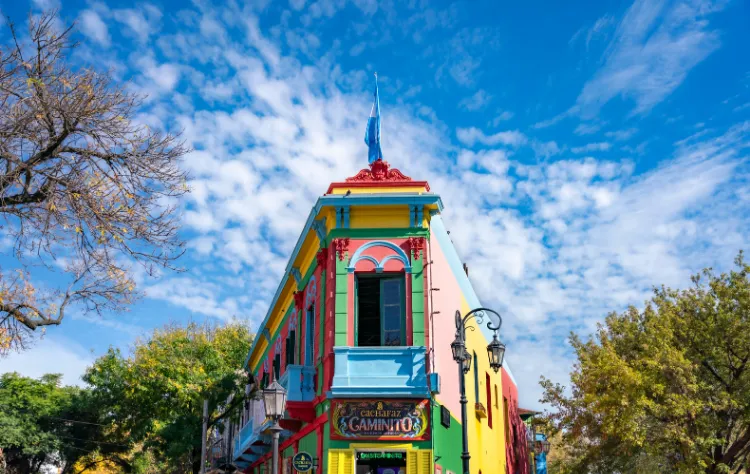
In Peru, for example, a journey that includes Lima, the Sacred Valley, and Machu Picchu offers both cultural and experiential variety without requiring excessive travel. In Argentina, combining Buenos Aires with Patagonia provides contrast while maintaining coherence.
Family travel South America becomes more meaningful when each place is given the time it requires.
Experiences That Engage Across Generations
Cultural Encounters That Feel Natural
South America’s cultural richness is one of its defining features. For families, the challenge is making these experiences feel accessible without oversimplifying them.
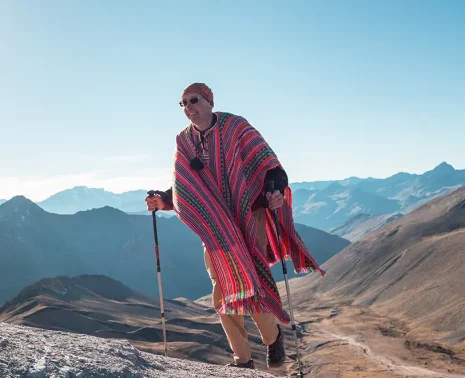
In the Andes, visiting artisan communities can become an interactive experience when framed through participation. Learning traditional weaving techniques, understanding agricultural practices, or sharing a meal provides a more immediate connection than observation alone.
These moments create a sense of involvement. They allow younger travelers to engage actively, while offering adults a deeper understanding of the culture.
Nature as a Shared Language
Natural environments often provide the most universal points of connection.
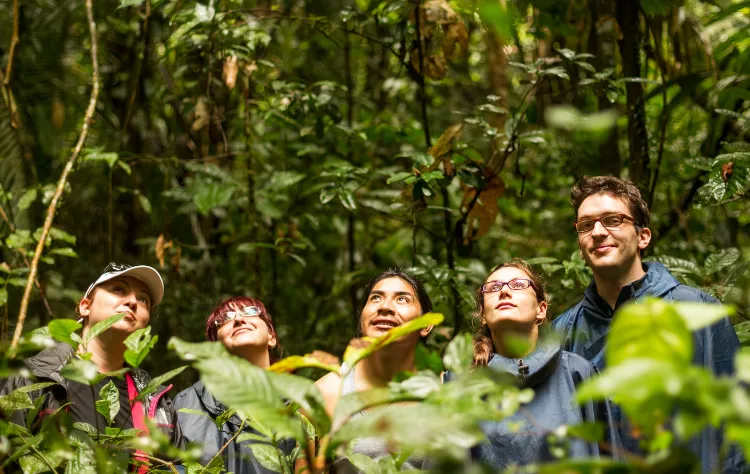
The Amazon rainforest introduces wildlife, sound, and movement in a way that feels immersive for all ages. The Galápagos Islands offer close observation of animals in their natural habitat, creating moments that are both educational and memorable. Patagonia’s landscapes invite exploration, whether through light hiking or simply experiencing the scale of the environment.
Family travel South America benefits from incorporating these settings. They require little interpretation and naturally engage different perspectives.
Comfort and Flexibility as Foundational Elements

Accommodation That Supports the Experience
Where you stay shapes how the journey unfolds.
For families, accommodations must balance comfort with practicality. Suites or connecting rooms provide space. Properties integrated into the landscape offer a sense of place. Service that is attentive without being intrusive allows the experience to feel relaxed.
In the Sacred Valley, lodges often provide both comfort and access to surrounding experiences. In the Galápagos, smaller vessels or well-selected hotels allow for a more personal approach. In Patagonia, properties are designed to connect guests with the landscape while maintaining a high level of comfort.
Family travel South America requires accommodations that adapt to the needs of different travelers without losing the character of the destination.
Flexibility as a Design Principle
Even the most carefully planned journey requires adaptability.
Children may need more rest. Interests may shift. Weather may influence plans. Private travel allows for adjustments to be made without disruption.
A later start to the day. An extended visit to a place that resonates. A change in activity based on energy levels. These small adjustments contribute significantly to the overall experience.
Flexibility is not an added benefit. It is a central component of family travel.
The Role of Local Expertise
Traveling through South America with family introduces additional considerations. Safety, logistics, and cultural sensitivity all require careful attention.
Local expertise ensures that these elements are managed seamlessly.
Being on the ground allows for real-time adjustments. It ensures that guides are not only knowledgeable, but also able to engage with different age groups. It creates a level of support that allows parents to focus on the experience rather than the coordination behind it.
Family travel South America becomes more relaxed when these layers are handled with quiet precision.
Sustainability and Cultural Awareness
Traveling as a family often brings a greater awareness of impact.
Experiences that engage with local communities, support traditional practices, and respect environmental boundaries create a more meaningful journey. These elements are not presented as lessons, but they naturally introduce a sense of responsibility.
Children, in particular, tend to absorb these experiences intuitively. They leave not only with memories, but with a broader understanding of the world.
FAQs
Is family travel South America suitable for young children?
Yes, with thoughtful planning. The pace, activities, and accommodations can be adapted to ensure comfort and engagement for younger travelers.
Which destinations are best for family travel South America?
Peru, Argentina, Ecuador, and Colombia all offer strong options, depending on your interests. Each provides a balance of culture, nature, and accessibility.
How long should a family trip to South America be?
Most families benefit from 8 to 12 days, allowing enough time to explore without creating fatigue.
Is it safe to travel South America with family?
With proper planning and local support, South America can be experienced safely and comfortably as a family destination.
Traveling Together, Experiencing Individually
Family travel South America is not about finding experiences that appeal equally to everyone. It is about creating a journey where each person finds their own point of connection.
A shared moment in the Sacred Valley. A quiet observation of wildlife in the Galápagos. A conversation over a long meal in Argentina. These experiences resonate differently, yet contribute to a collective memory.
When designed with care, the journey becomes more than a trip. It becomes a space where perspectives align, where time is shared, and where each traveler, regardless of age, feels both included and inspired.
And that, ultimately, is what makes it lasting.
Best Time to Visit Peru: When to Go by Region & Experience
Planning a journey to Peru is an exciting step toward exploring a land of extraordinary diversity, from the so...
Read Post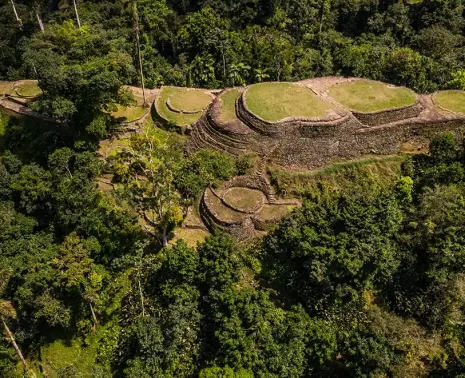
The Lost City Colombia and the Meaning of Reaching It
Some destinations are defined by what they are. Others by what it takes to reach them. The Lost City Col...
Read Post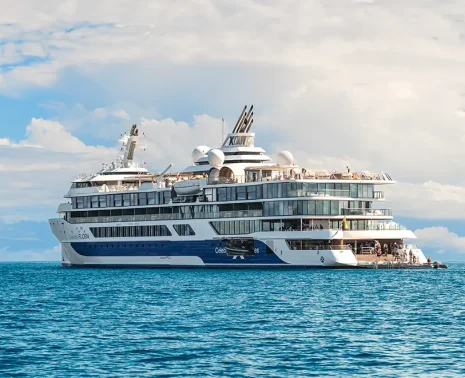
Best Galápagos Cruises: Choosing the Right Way to Experience the Islands
The phrase “best Galápagos cruises” suggests comparison. Ships, cabins, amenities, itineraries. It invite...
Read Post
8 DAYS
Luxury Machu Picchu Tours: Unveiling Peru’s Timeless Wonders
Cusco, Lima, Machu Picchu, Sacred Valley

8 DAYS
Peru Family Vacation: Journey to Machu Picchu and Beyond
Cusco, Lima, Machu Picchu, Sacred Valley

11 DAYS
Amazon River Cruise: A Luxury Journey Through the Amazon
Lima, Cusco, Sacred Valley, Machu Picchu, Iquitos, Amazon River