July 10, 2026 | by: Kuoda Authors


Chile is a country shaped by distance.
Not simply geographic distance, though the country stretches dramatically across South America. What travelers feel more profoundly is emotional distance: the sensation of moving into environments where scale begins to overpower density, where silence becomes more noticeable than activity, and where landscape starts determining rhythm more than infrastructure does.
This is what makes Chile remote landscapes so compelling.
The country offers some of the most geographically isolated environments in South America, yet these places are not experienced best through ambition or speed. Chile rewards travelers who understand that remoteness changes how travel itself should function. Journeys become less about accumulation and more about absorption. Time stretches differently. Movement slows. The relationship between traveler and environment becomes more direct.
The strongest experiences are rarely defined by how much territory is covered. They are shaped by how deeply travelers allow themselves to settle into the landscape surrounding them.
Remoteness in Chile Feels Different Depending on the Region
One of the reasons Chile’s landscapes feel so distinctive is that remoteness changes character dramatically across the country.
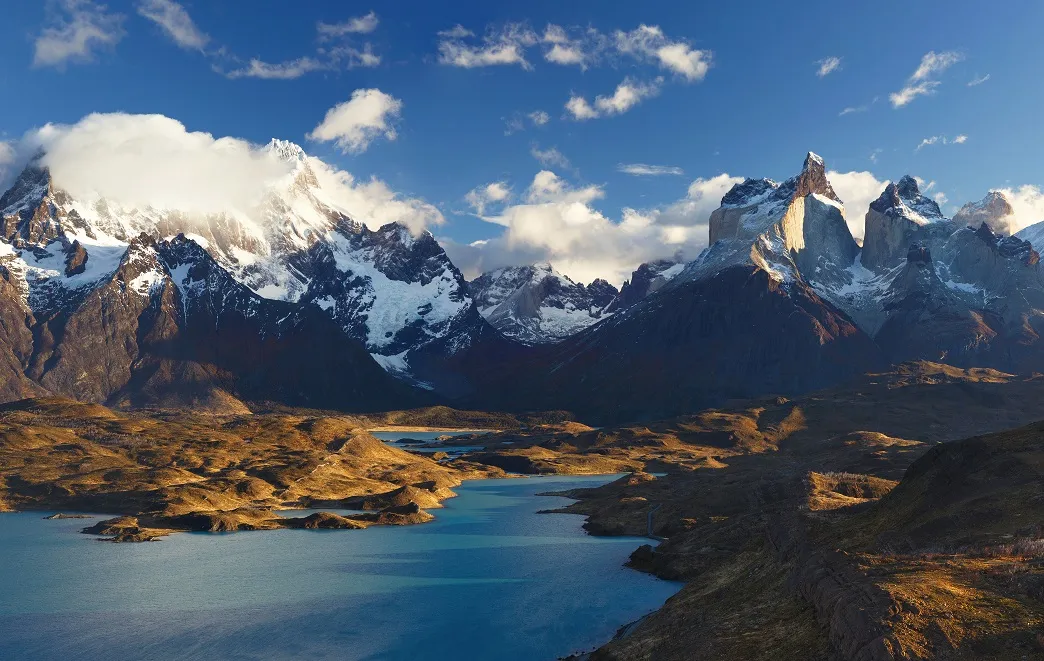
In Patagonia, isolation feels physical. Wind, distance, and weather dominate perception. The environment constantly reminds travelers how small human presence remains within the larger geography. In the Atacama Desert, remoteness feels more atmospheric. Silence becomes the defining feature. Light sharpens. The absence of visual interruption changes how travelers perceive scale entirely.
Further north, volcanic plateaus and high-altitude desert regions introduce another kind of isolation altogether, one shaped by altitude and exposure rather than wilderness density. Even Easter Island, though culturally and emotionally different from mainland Chile, extends this relationship with separation and distance into the Pacific itself.
This variation matters because Chile remote landscapes should never be approached as interchangeable wilderness experiences.
Each region asks something different of the traveler.
The Atacama and the Luxury of Environmental Stillness
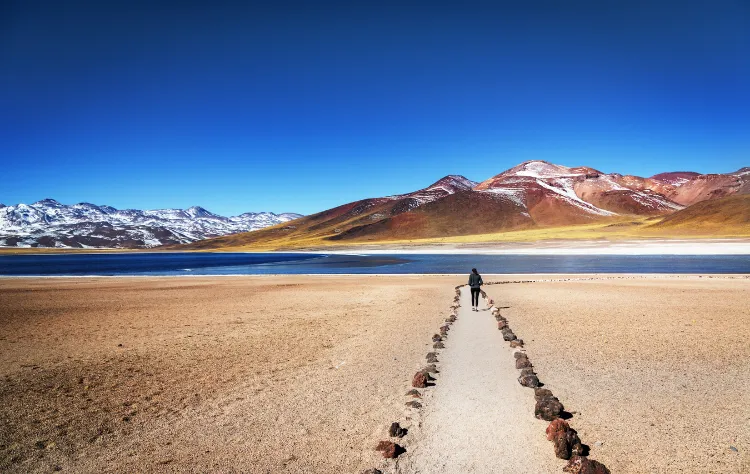
Few places alter perception as quietly as the Atacama Desert.
Travelers often arrive expecting dramatic scenery, and the desert certainly delivers it. Salt flats, volcanic peaks, geothermal fields, and lunar valleys create landscapes that feel visually unfamiliar even to experienced travelers. Yet the deeper impact of the Atacama usually emerges more gradually.
The desert changes attention itself.
Without visual density or constant environmental stimulation, travelers begin noticing smaller shifts: light moving across mineral surfaces, temperature changing rapidly after sunset, silence becoming almost physical in its presence. The environment encourages observation rather than movement.
This is why pacing matters enormously here.
Chile remote landscapes reveal themselves most fully when travelers stop trying to constantly “experience” them and instead allow the environment to shape the rhythm of the journey naturally. In the Atacama, overpacked itineraries often weaken immersion because the landscape itself requires stillness to become emotionally meaningful.
The strongest desert journeys leave room for quiet.
Patagonia and the Scale of Exposure
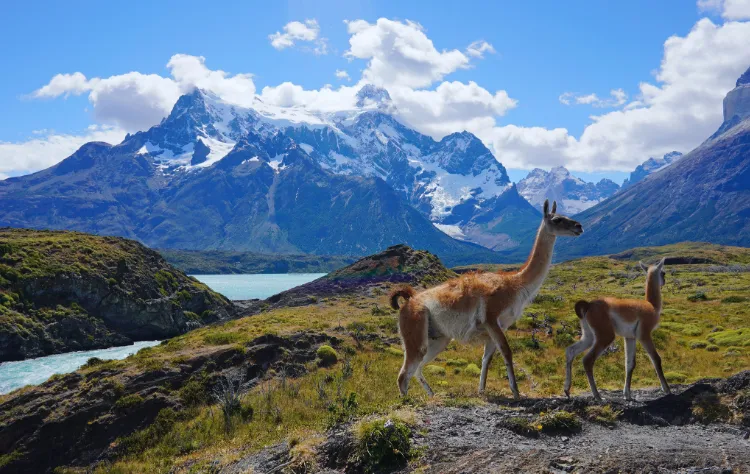
Patagonia creates a completely different relationship with remoteness.
Where the Atacama strips away visual density, Patagonia expands physical scale. Travelers moving through southern Chile quickly become aware of exposure: weather shifts rapidly, distances remain enormous, and the landscape feels resistant to compression into conventional travel pacing.
This is part of Patagonia’s power.
The region does not adapt easily to urgency. Travelers trying to “cover” Patagonia often spend much of the journey moving through it without fully absorbing the environment itself. The strongest experiences emerge through longer stays, fewer transitions, and enough flexibility to respond naturally to weather and changing conditions.
This is where thoughtful journey design becomes essential.
From our base in South America, we regularly see how dramatically Patagonia changes depending on pacing. A traveler spending additional time in one region often experiences more emotional depth than someone attempting to maximize every possible viewpoint or excursion.
Chile remote landscapes reward restraint far more than intensity.
Why Chile Requires Different Travel Logic
One of the reasons Chile surprises travelers is that the country often requires abandoning conventional travel expectations.
In many destinations, movement itself creates stimulation. In Chile’s more remote regions, the opposite tends to happen. The experience deepens when travelers stop trying to optimize every moment and begin adapting to the pace imposed by the environment itself.
This shift can feel unfamiliar initially.
Travelers accustomed to urban travel or highly active itineraries sometimes arrive in Patagonia or the Atacama expecting constant activity. Over time, they begin recognizing that remoteness changes what feels meaningful. Long stretches of landscape, changing weather, quiet observation, and even inactivity become central to the experience rather than interruptions between attractions.
Chile remote landscapes are experienced best through patience.
The country teaches travelers how to slow down not through instruction, but through geography itself.
The Emotional Impact of Isolation
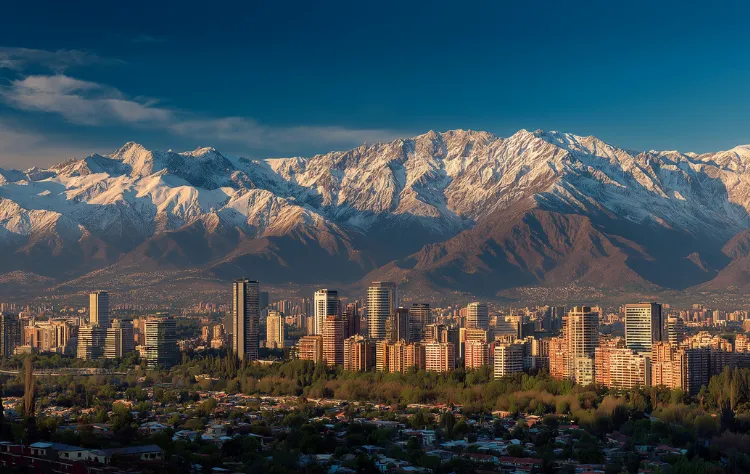
Remote landscapes affect travelers emotionally in ways that are difficult to anticipate beforehand.
Part of this comes from scale. But another part comes from the reduction of distraction. In highly remote regions of Chile, there are fewer interruptions competing for attention. Travelers become more aware of:
- silence
- weather
- distance
- light
- physical movement
- environmental rhythm
This often creates a form of clarity that travelers describe long after the journey itself ends.
The strongest Chile itineraries understand how to preserve this emotional atmosphere rather than constantly interrupting it with unnecessary movement or overly dense scheduling. Transitions matter enormously because remote landscapes lose some of their impact when experienced through logistical exhaustion.
Continuity becomes part of the luxury.
Local Presence and Operational Understanding
Remote travel in Chile also requires significant operational awareness behind the scenes.
Weather changes rapidly across Patagonia. Desert conditions shift seasonally in the north. Distances between regions can become emotionally tiring if sequencing is poorly managed. Even small logistical decisions influence how connected travelers remain to the experience itself.
This is where local expertise becomes essential.
Designing travel from within South America changes what is possible because the journey can be shaped around how regions actually function rather than how they appear theoretically on a map. Sometimes the difference comes through timing. Other times it comes through understanding where travelers need additional stillness, fewer transitions, or more gradual environmental progression.
The strongest journeys feel calm despite the scale surrounding them.
Sustainability and the Fragility of Remote Regions
Chile’s remote landscapes also highlight the importance of responsible travel.
Patagonia, the Atacama, and many isolated regions across the country remain environmentally sensitive. Tourism pressure, climate shifts, and infrastructure expansion increasingly affect ecosystems that once felt almost untouched.
Thoughtful travel design matters because remoteness itself is part of what travelers come to experience.
Slower pacing, smaller-scale lodges, fewer unnecessary transfers, and stronger local conservation relationships all help preserve the environmental integrity that gives these regions their emotional impact in the first place.
Travelers often connect more deeply to Chile when the journey feels respectful of the landscape rather than extractive from it.
FAQs
What are the best Chile remote landscapes to experience?
Many travelers focus on Patagonia, the Atacama Desert, Tierra del Fuego, and Easter Island for their extraordinary sense of scale, isolation, and environmental contrast.
Why are Chile remote landscapes so unique?
Chile combines extreme geographic diversity with low population density across many regions, creating environments where remoteness remains deeply felt rather than abstract.
How should remote travel in Chile be paced?
The strongest journeys involve slower pacing, longer stays, and fewer transitions, allowing travelers enough time to adapt to the environmental rhythm of each region.
Is Chile good for luxury remote travel?
Yes. Chile is particularly well suited for thoughtfully designed luxury travel because refined hospitality can coexist naturally with extraordinary environmental isolation and scale.
Where Distance Begins to Change Perception
Chile remote landscapes often leave travelers remembering atmosphere more than itinerary details themselves. Over time, silence becomes more noticeable than activity, weather more influential than schedules, and distance something to experience rather than overcome. The country reveals itself gradually through exposure, scale, and the unusual feeling of moving through places that still operate largely according to environmental rhythm rather than human urgency. Chile’s most remote regions remind travelers that sometimes the deepest form of travel is not about reaching more places, but about allowing certain landscapes enough time and stillness to reshape perception entirely.
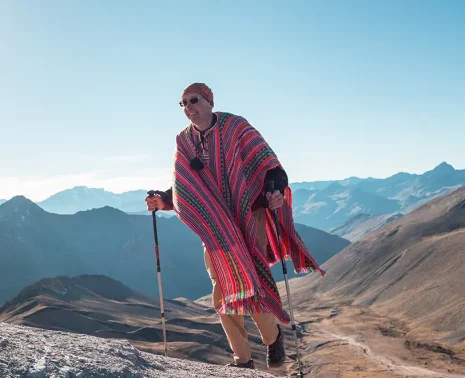
Best Time to Visit Peru: When to Go by Region & Experience
Planning a journey to Peru is an exciting step toward exploring a land of extraordinary diversity, from the so...
Read Post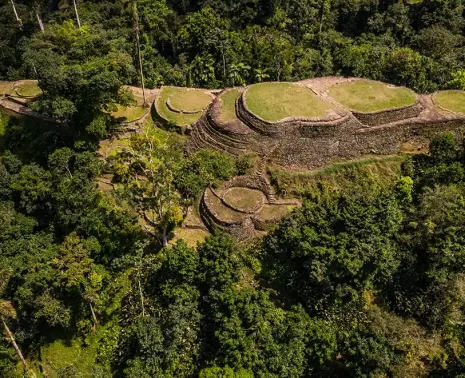
The Lost City Colombia and the Meaning of Reaching It
Some destinations are defined by what they are. Others by what it takes to reach them. The Lost City Col...
Read Post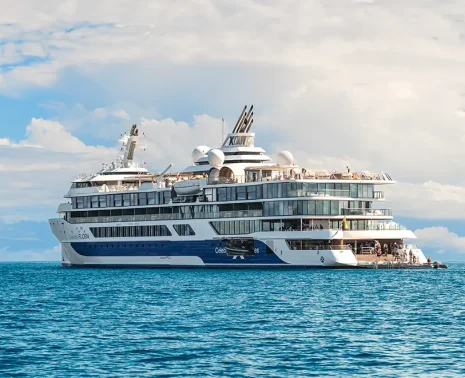
Best Galápagos Cruises: Choosing the Right Way to Experience the Islands
The phrase “best Galápagos cruises” suggests comparison. Ships, cabins, amenities, itineraries. It invite...
Read Post
8 DAYS
Luxury Machu Picchu Tours: Unveiling Peru’s Timeless Wonders
Cusco, Lima, Machu Picchu, Sacred Valley

8 DAYS
Peru Family Vacation: Journey to Machu Picchu and Beyond
Cusco, Lima, Machu Picchu, Sacred Valley

11 DAYS
Amazon River Cruise: A Luxury Journey Through the Amazon
Lima, Cusco, Sacred Valley, Machu Picchu, Iquitos, Amazon River