July 08, 2026 | by: Kuoda Authors


Few destinations feel as intentionally distant as Easter Island.
Even before arrival, travelers become aware of separation. The flight stretches far into the Pacific. Land disappears entirely for hours. By the time the island emerges from the ocean, the experience already feels emotionally distinct from mainland Chile or the rest of South America.
This sense of isolation shapes everything about Easter Island luxury travel.
The island is not experienced through movement or variety in the traditional sense. It is experienced through atmosphere, repetition, and gradual understanding. Travelers expecting constant activity often misunderstand the destination initially. Easter Island reveals itself slowly, through archaeology, landscape, oral tradition, and the growing awareness that remoteness itself is part of the experience.
The island asks travelers to adjust their pace before it begins to make sense.
Why Easter Island Is Not About the Moai Alone
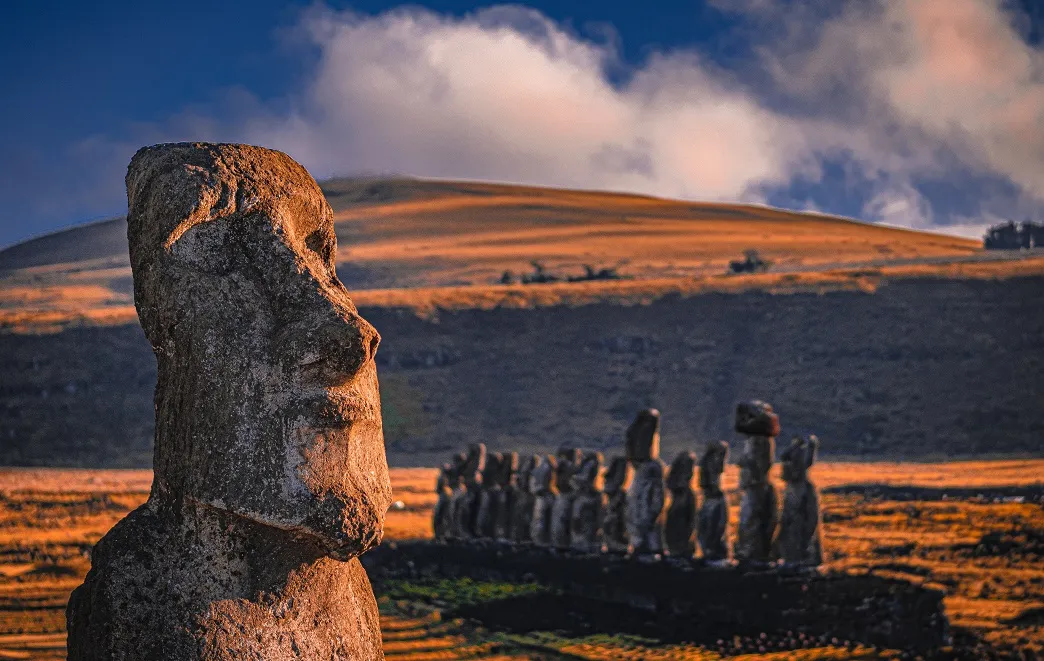
Most travelers arrive focused primarily on the moai statues.
And understandably so. Their scale, positioning, and presence remain visually striking even for travelers already familiar with the island through photography. But reducing Easter Island to the moai alone often creates a surprisingly shallow experience.
The statues matter because of the civilization surrounding them.
Easter Island becomes more compelling when travelers begin understanding:
- how geography shaped the island’s development
- how isolation influenced cultural evolution
- how ceremonial sites relate to landscape
- how oral tradition continues shaping local identity
- how environmental pressures altered the island historically
This is where thoughtful interpretation changes everything.
Without strong contextual guidance, travelers often move quickly between archaeological sites without fully understanding the cultural and ecological complexity connecting them. The island risks becoming visually memorable but emotionally distant.
A well-designed Easter Island luxury travel experience slows this process down.
It allows the landscape, history, and atmosphere to interact gradually rather than presenting them as disconnected points of interest.
The Island Requires Slower Pacing
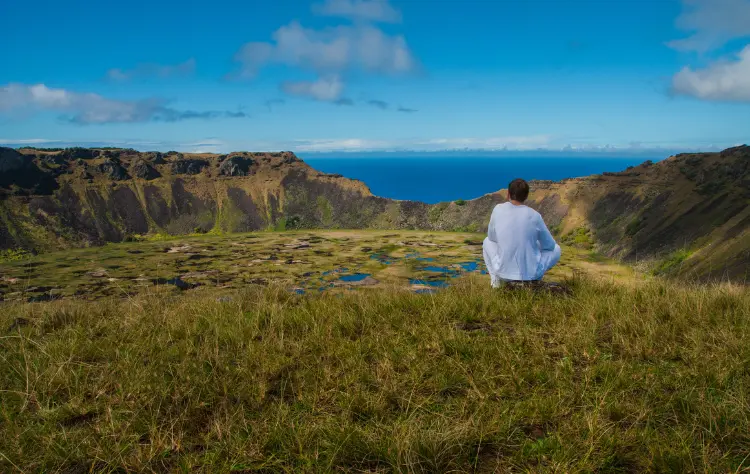
Easter Island is physically small. Emotionally, it is not.
One of the most common mistakes travelers make is underestimating how much time the island requires to settle into psychologically. Because major archaeological sites can technically be visited quickly, itineraries are often compressed into highly efficient sightseeing schedules.
This usually weakens the experience.
The strongest Easter Island journeys allow repetition and return. Light changes dramatically throughout the day across ceremonial platforms and coastal landscapes. Weather shifts alter the emotional atmosphere of the island constantly. Certain sites feel entirely different in silence during early morning than they do later in the afternoon.
Pacing matters enormously here because the island’s impact is cumulative rather than immediate.
Travelers often describe Easter Island differently after several days than they do upon arrival. The experience deepens gradually as the rhythm of the island begins replacing the rhythm travelers arrived with.
This is why luxury on Easter Island increasingly revolves around time and positioning rather than activity density.
Why Landscape Matters as Much as Archaeology
One of the most overlooked aspects of Easter Island luxury travel is the landscape itself.
The island’s volcanic terrain, open coastline, grass-covered hills, and constant exposure to the Pacific shape the emotional experience as much as the archaeological sites do. The environment creates a sense of vulnerability and scale that helps travelers understand how extraordinary human settlement here once was.
Easter Island feels geographically unfinished in a way that is increasingly rare in modern travel.
Roads remain limited. Distances stay exposed. The ocean is visible constantly. There is very little separation between archaeological history and natural environment. This continuity changes how travelers relate to the island itself.
The strongest journeys allow travelers to experience these transitions gradually:
- coastal drives between ceremonial platforms
- changing weather over volcanic terrain
- quiet moments overlooking the Pacific
- slower exploration away from the busiest archaeological sites
The landscape becomes part of the interpretation.
The Importance of Local Perspective
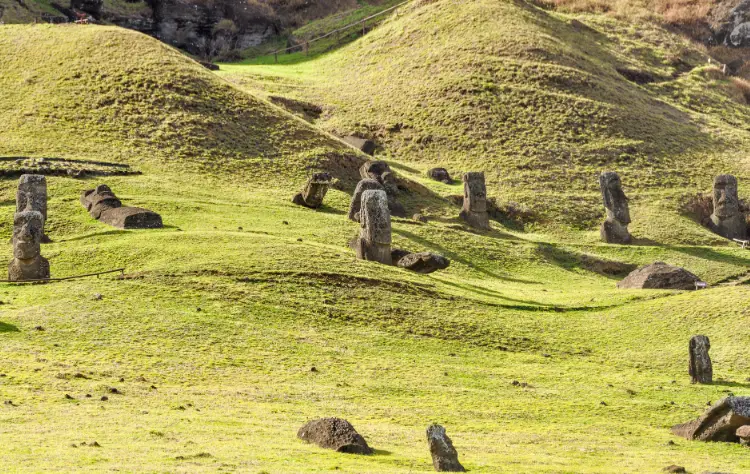
Easter Island cannot be understood fully through archaeology alone.
The island remains culturally alive, and local Rapa Nui perspective plays an essential role in how travelers experience it meaningfully today. Oral tradition, community identity, language preservation, and local historical interpretation all contribute dimensions that are impossible to replicate through independent exploration alone.
This is particularly important because the island’s history is often simplified externally.
Thoughtful guiding helps travelers navigate the tension between mythology and historical complexity without reducing the island to either romanticism or academic explanation. Strong local interpretation creates a more human understanding of Easter Island rather than presenting it purely as an archaeological mystery.
From within South America, designing travel to Easter Island also involves understanding operational realities that travelers often underestimate: weather variability, flight timing, pacing after mainland Chile, and how to position the island naturally within a broader itinerary.
The island requires intentional sequencing because its emotional rhythm differs dramatically from destinations such as Patagonia, Santiago, or the Atacama Desert.
Luxury Through Simplicity and Positioning
Luxury on Easter Island operates differently than in many high-profile destinations.
Travelers do not come here for urban sophistication, nightlife, or highly structured activity. The island rewards simplicity executed thoughtfully: strong positioning, calm hospitality, flexible pacing, excellent guiding, and accommodations that maintain connection to the landscape rather than separating travelers from it.
The most refined Easter Island experiences often feel intentionally understated.
This restraint works because the island itself remains the center of the experience. The role of hospitality is not to compete with the environment, but to support deeper immersion within it.
This becomes especially valuable after long days moving through exposed archaeological landscapes and coastal terrain. Returning to quiet spaces, slower meals, and thoughtful service allows the rhythm of the island to continue uninterrupted rather than becoming fragmented.
Easter Island Within a Larger Chile Journey
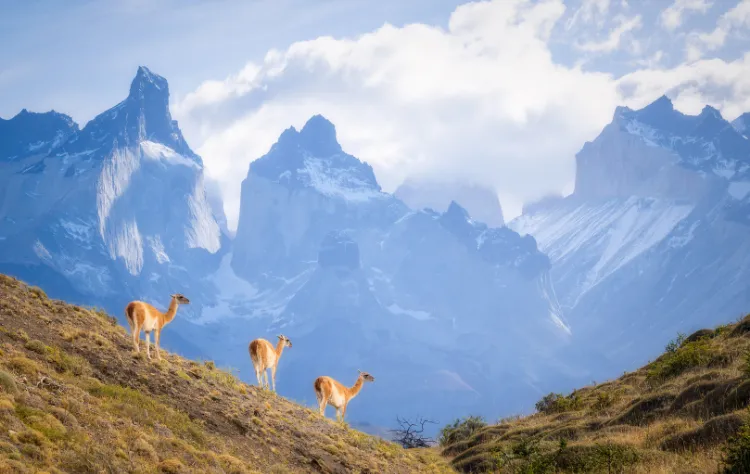
Easter Island changes meaning depending on where it sits within a Chile itinerary.
After Santiago, the island feels dramatically remote and stripped back. Following Patagonia, it introduces a completely different relationship with isolation: less physical, more cultural and atmospheric. Combined with the Atacama Desert, travelers begin experiencing two entirely different forms of silence and environmental scale within the same country.
These contrasts matter.
The strongest Chile journeys use Easter Island carefully because the island leaves a lingering emotional tone that can easily be disrupted by poor sequencing or rushed transitions afterward.
Travelers often benefit from allowing space around Easter Island rather than treating it as a quick extension.
Sustainability and Cultural Preservation
Easter Island faces unique sustainability challenges due to its remoteness and limited resources.
Tourism impacts infrastructure, environmental systems, and cultural preservation directly. Responsible travel here involves more than environmental awareness alone. It also requires respect for local community rhythms, archaeological protections, and the cultural significance of sacred sites.
Thoughtful travel design naturally supports this.
Slower pacing, smaller-scale experiences, strong local partnerships, and deeper cultural interpretation all help travelers engage with the island more respectfully and meaningfully.
Easter Island rewards humility far more than consumption.
FAQs
How many days should an Easter Island luxury travel itinerary include?
Most travelers benefit from spending at least four to five days on Easter Island to experience the island beyond surface sightseeing and allow time for slower immersion.
Is Easter Island worth including in a Chile luxury itinerary?
Yes, particularly for travelers interested in cultural depth, archaeology, and remote landscapes. The island creates a completely different emotional dimension within a broader Chile journey.
What is the best time for Easter Island luxury travel?
Easter Island can be visited year-round, though weather conditions and visitor levels vary seasonally. The experience is shaped more by pacing and interpretation than by a single ideal season.
What makes Easter Island luxury travel different from other destinations?
Luxury on Easter Island is defined less by activity volume and more by thoughtful pacing, cultural interpretation, strong guiding, and the ability to experience one of the world’s most isolated inhabited islands with continuity and depth.
Where Isolation Becomes Part of the Experience
Easter Island luxury travel leaves its strongest impression gradually. The island is not experienced through spectacle alone, but through the growing awareness of distance, exposure, and continuity between landscape and history. Over time, the silence begins to feel intentional. The ocean surrounding the island stops feeling empty and starts feeling defining. Travelers often leave remembering not only the archaeological sites themselves, but the unusual sensation of having spent time somewhere that still feels genuinely separated from the rest of the world, both geographically and emotionally.
Best Time to Visit Peru: When to Go by Region & Experience
Planning a journey to Peru is an exciting step toward exploring a land of extraordinary diversity, from the so...
Read Post
The Lost City Colombia and the Meaning of Reaching It
Some destinations are defined by what they are. Others by what it takes to reach them. The Lost City Col...
Read Post
Best Galápagos Cruises: Choosing the Right Way to Experience the Islands
The phrase “best Galápagos cruises” suggests comparison. Ships, cabins, amenities, itineraries. It invite...
Read Post
8 DAYS
Luxury Machu Picchu Tours: Unveiling Peru’s Timeless Wonders
Cusco, Lima, Machu Picchu, Sacred Valley

8 DAYS
Peru Family Vacation: Journey to Machu Picchu and Beyond
Cusco, Lima, Machu Picchu, Sacred Valley

11 DAYS
Amazon River Cruise: A Luxury Journey Through the Amazon
Lima, Cusco, Sacred Valley, Machu Picchu, Iquitos, Amazon River