July 05, 2026 | by: Kuoda Authors


Peru is one of those destinations where luxury can easily become superficial if the journey is designed around visibility rather than understanding.
The country offers extraordinary hotels, remarkable cuisine, refined trains, and highly recognizable landmarks. But none of these elements alone define the quality of the experience. Travelers can move through Peru surrounded by comfort and still feel disconnected from the country itself if the pacing, sequencing, and regional flow are poorly designed.
This is what distinguishes truly high-end Peru trips.
Luxury here is not created through excess. It is created through coherence.
The strongest journeys feel calm despite the complexity surrounding them. Altitude transitions happen naturally. Cultural immersion feels unforced. Movement through the Andes, Amazon, Sacred Valley, and coast unfolds with enough continuity that travelers remain connected to the experience rather than constantly adjusting to logistics.
Peru rewards travelers who move through it thoughtfully.
Why Peru Is More Complex Than It Appears
From a distance, Peru can seem relatively straightforward operationally.
Many travelers focus on a familiar sequence:
- Lima
- Sacred Valley
- Machu Picchu
- Cusco
Yet the quality of the journey changes dramatically depending on how these regions are connected.
Altitude alone alters everything:
- energy
- sleep
- appetite
- pacing
- physical recovery
- emotional engagement
Travelers who ascend too aggressively into the Andes often spend much of the trip adapting physically rather than experiencing Peru fully. Others overpack itineraries, reducing extraordinary places into short transitions between airports and hotel check-ins.
High-end Peru trips solve these problems quietly.
The strongest itineraries account for:
- acclimatization rhythm
- environmental contrast
- emotional pacing
- recovery time
- cultural continuity
- operational fluidity
Travelers may not always notice these design decisions directly. But they feel the difference constantly.
The Sacred Valley Changes the Entire Experience
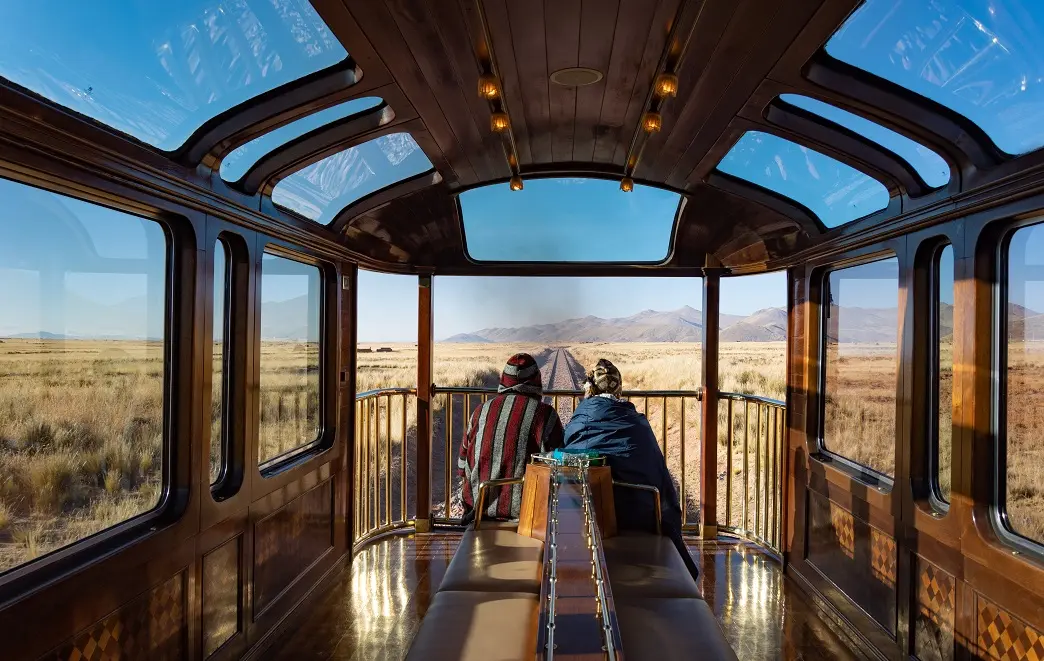
One of the clearest examples of thoughtful Peru journey design is the role of the Sacred Valley.
Many travelers still treat the valley primarily as a corridor between Cusco and Machu Picchu. In reality, the Sacred Valley often becomes the emotional center of the entire Peru experience when approached properly.
The region introduces travelers gradually into the Andes.
Altitude is softer than Cusco. Agricultural traditions remain deeply present. Villages maintain slower rhythms shaped by landscape and seasonal cycles. Archaeological sites feel integrated into daily life rather than isolated from it.
This gradual immersion matters enormously.
High-end Peru trips often prioritize additional time in the Sacred Valley not because there are more activities to “complete,” but because the valley creates continuity. Travelers begin adjusting physically and emotionally before arriving at Machu Picchu or higher elevations.
The experience becomes less rushed and more connected.
Machu Picchu Is Influenced by Everything Before It
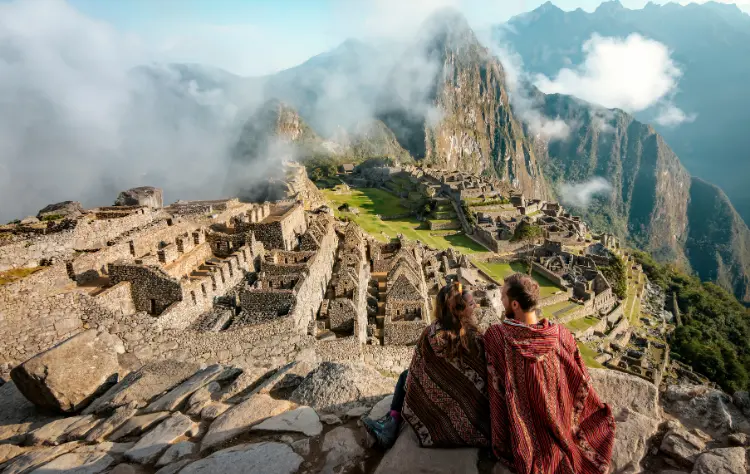
Travelers often speak about Machu Picchu as though the experience begins upon arrival.
In reality, Machu Picchu is shaped heavily by everything leading up to it.
The pace of the Sacred Valley. The quality of guiding. Altitude adaptation. How crowded or rushed the previous days felt. Whether travelers arrived physically depleted or mentally present. How transitions were managed.
All of these factors alter the emotional impact of the site itself.
High-end Peru trips understand this relationship.
The goal is not simply to “get to” Machu Picchu comfortably. It is to create the conditions where travelers can experience the site with clarity rather than fatigue or overstimulation.
This is where sequencing becomes more important than activity density.
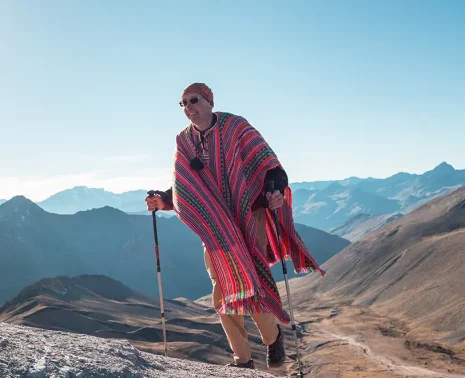
Some travelers arrive through the train journey from the Sacred Valley, preserving energy while gradually watching the Andes shift toward cloud forest. Others approach through trekking routes that transform arrival into physical progression across multiple days.
Neither approach is universally superior. The right choice depends on the traveler’s relationship with movement, pacing, and immersion.
Peru’s Luxury Exists in the Invisible Layer
One of the defining characteristics of high-end Peru trips is that much of the expertise remains invisible.
Travelers rarely see:
- transfer coordination
- operational timing
- contingency planning
- local communication
- regional adaptation
- logistical sequencing
Yet these elements shape the experience continuously.
Peru can become operationally demanding very quickly when movement is poorly managed. Delays, altitude fatigue, unnecessary transfers, or overcrowded scheduling create friction that weakens immersion regardless of accommodation quality.
Well-designed journeys remove this friction quietly.
From our base in South America, we regularly see how small operational decisions influence the emotional quality of the experience far more than travelers initially realize. The strongest journeys are rarely the most elaborate. They are the ones where travelers stop thinking about logistics altogether and remain fully engaged with the destination itself.
Lima and the Importance of Transition
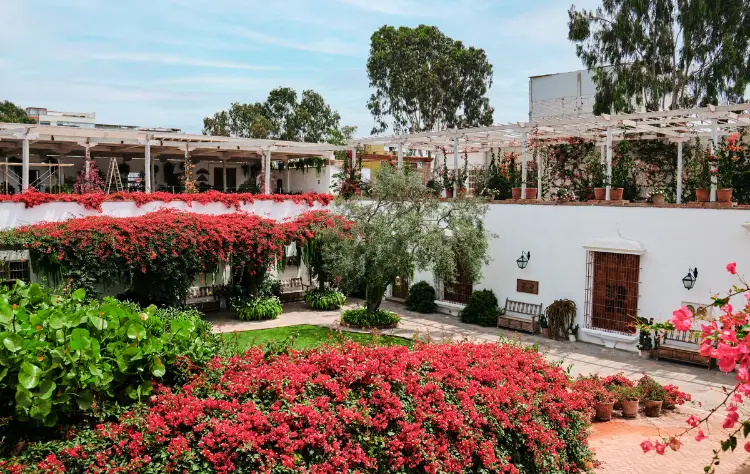
Lima is often underestimated within Peru itineraries.
Many travelers view the city primarily as an arrival point before heading toward the Andes. But Lima plays an important role emotionally and operationally within high-end Peru trips.
The city introduces Peru gradually.
Cuisine, contemporary culture, coastal atmosphere, and slower urban pacing help travelers settle into the country before altitude and Andean landscapes reshape the experience entirely. Lima also creates balance within the itinerary itself, particularly after more physically or emotionally intense regions.
This is why transitions matter so much in Peru.
The strongest journeys understand when travelers need stimulation, stillness, recovery, or progression. Peru works best when these shifts feel natural rather than abrupt.
The Amazon and a Different Relationship With Luxury
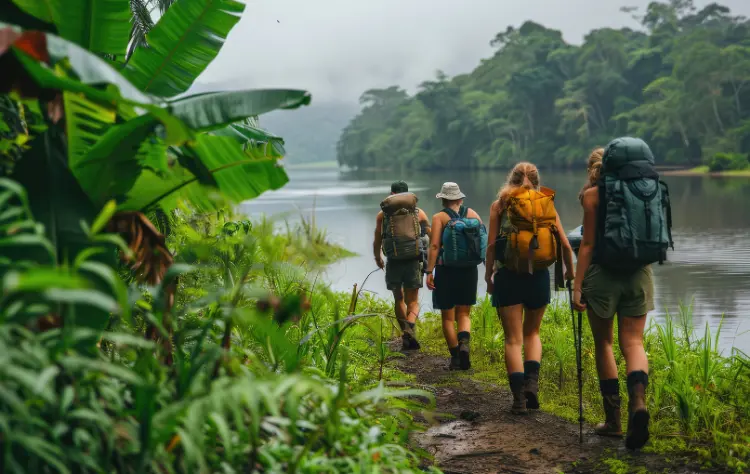
The Peruvian Amazon introduces another entirely different rhythm.
Travelers accustomed to the Andes often notice immediately how perception changes in the rainforest. Movement slows. Sound becomes more important than scenery. Observation replaces constant visual stimulation.
Luxury here becomes quieter.
The strongest Amazon experiences are shaped less by activity volume and more by:
- strong naturalist guiding
- thoughtful lodge positioning
- smooth river transitions
- wildlife timing
- environmental immersion
- stillness
The Amazon works particularly well within high-end Peru trips because it balances the emotional intensity of the Andes with an entirely different sensory environment.
Peru becomes more complete through this contrast.
Personalization Is What Makes the Journey Work
No two travelers experience Peru in the same way.
Some travelers want deeper archaeological focus. Others prioritize gastronomy, textiles, trekking, photography, spirituality, or slower cultural immersion. Families require different pacing than couples. Multi-generational travel changes logistics and energy management significantly.
This is why personalization matters so much in Peru.
High-end Peru trips succeed when the country feels shaped around the traveler rather than requiring the traveler to adapt constantly to a fixed itinerary structure.
The strongest journeys feel composed specifically for the people experiencing them.
Sustainability and Respectful Travel in Peru
Peru’s popularity also creates responsibility.
Machu Picchu, the Sacred Valley, and many Andean communities experience significant tourism pressure, making thoughtful travel design increasingly important. Responsible high-end travel involves:
- slower pacing
- respectful cultural engagement
- strong local partnerships
- reduced unnecessary movement
- supporting long-term preservation rather than high-volume tourism
Travelers increasingly value experiences that feel not only refined, but grounded in respect for place itself.
Peru responds particularly well to this approach.
FAQs
What makes high-end Peru trips different?
High-end Peru trips prioritize thoughtful pacing, seamless logistics, local expertise, and deeper cultural immersion rather than simply combining luxury hotels with major landmarks.
How many days should a high-end Peru trip include?
Most travelers benefit from 10 to 14 days in Peru to allow proper acclimatization, smoother pacing, and meaningful immersion across multiple regions.
What regions are best included in high-end Peru trips?
Many journeys combine Lima, the Sacred Valley, Machu Picchu, Cusco, and the Amazon, though ideal itineraries depend heavily on traveler interests and pacing preferences.
Is Peru good for luxury travel?
Yes. Peru combines extraordinary cultural depth, strong hospitality infrastructure, refined gastronomy, and highly diverse landscapes, making it exceptionally rewarding for thoughtfully designed luxury travel.
When Luxury Begins to Feel Effortless
High-end Peru trips are rarely remembered for isolated moments alone. Travelers often remember how naturally the journey unfolded: how altitude adaptation felt gradual rather than exhausting, how one region transitioned into the next without friction, how extraordinary experiences never seemed rushed or overexplained. Peru is a country of immense cultural and environmental depth, but that depth becomes most meaningful when travelers are given enough continuity to absorb it fully. The strongest journeys feel less like highly managed tourism and more like moving through the country with a quiet understanding of exactly when to slow down, when to explore more deeply, and when to simply allow Peru to reveal itself at its own pace.
Best Time to Visit Peru: When to Go by Region & Experience
Planning a journey to Peru is an exciting step toward exploring a land of extraordinary diversity, from the so...
Read Post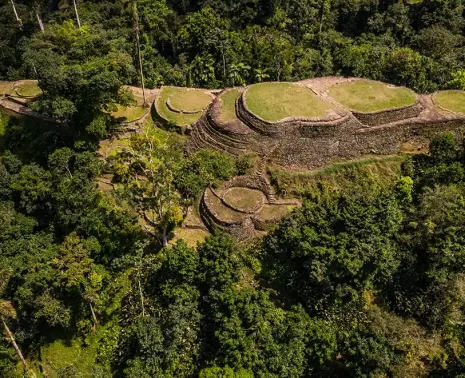
The Lost City Colombia and the Meaning of Reaching It
Some destinations are defined by what they are. Others by what it takes to reach them. The Lost City Col...
Read Post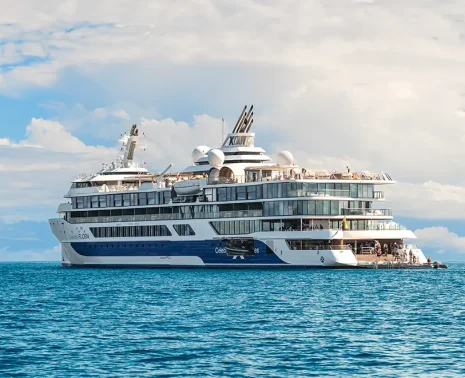
Best Galápagos Cruises: Choosing the Right Way to Experience the Islands
The phrase “best Galápagos cruises” suggests comparison. Ships, cabins, amenities, itineraries. It invite...
Read Post
8 DAYS
Luxury Machu Picchu Tours: Unveiling Peru’s Timeless Wonders
Cusco, Lima, Machu Picchu, Sacred Valley

8 DAYS
Peru Family Vacation: Journey to Machu Picchu and Beyond
Cusco, Lima, Machu Picchu, Sacred Valley

11 DAYS
Amazon River Cruise: A Luxury Journey Through the Amazon
Lima, Cusco, Sacred Valley, Machu Picchu, Iquitos, Amazon River