July 11, 2026 | by: Kuoda Authors


Peru is one of those destinations where travelers quickly realize that access alone is not enough. Flights can be booked independently. Hotels can be reserved online. Train schedules, restaurant lists, and archaeological highlights are widely available. Yet travelers often return from Peru describing two completely different experiences, even when they visited many of the same places.
The difference usually comes down to how the journey was curated.
Peru curated trips are not defined by exclusivity in the conventional sense. They are defined by interpretation. They shape how travelers move through the country, how experiences relate to one another, and how Peru gradually reveals itself beyond its most photographed landmarks.
This matters because Peru is layered. Coastal cities, high-altitude Andean regions, cloud forests, Amazon waterways, living Indigenous traditions, and modern culinary culture all coexist within one country, but they do not unfold naturally without careful sequencing. Peru can feel deeply immersive or unexpectedly exhausting depending on how the experience is designed.
The strongest journeys do not attempt to show travelers everything.[Salto de ajuste de texto] They help travelers understand what deserves their attention most.
Why Peru Requires Curation More Than Collection
One of the most common misconceptions about Peru is that the country revolves entirely around Machu Picchu.
While Machu Picchu remains extraordinary, the experience surrounding it often determines whether the journey feels transformational or merely efficient. Travelers who rush directly between Cusco, train stations, archaeological sites, and airports frequently leave feeling as though they spent more time managing logistics than absorbing place.
Peru curated trips approach the country differently.
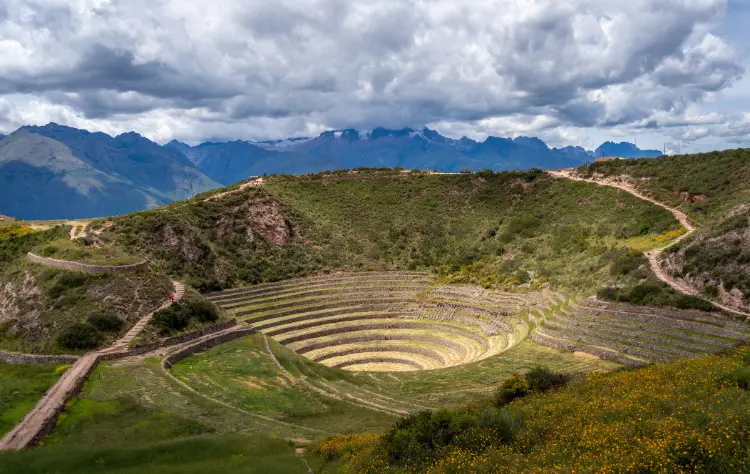
Rather than building itineraries around isolated highlights, they focus on continuity. The Sacred Valley is not simply a stop before Machu Picchu. It becomes an introduction to Andean geography, agricultural traditions, altitude adaptation, and the quieter rhythm that allows travelers to settle into the region gradually before arriving at Peru’s most iconic site.
Likewise, Lima is not merely an arrival city. When approached thoughtfully, it provides cultural and gastronomic context that changes how travelers later interpret regional Peru. The Amazon is not simply an extension to “add nature.” It introduces an entirely different relationship with time, movement, and landscape.
Curation creates coherence across contrasts.
Without that coherence, Peru risks becoming fragmented into disconnected experiences rather than a journey with emotional progression.
The Role of Pacing in Peru
Pacing is one of the least visible but most important elements of well-curated travel in Peru.
Travelers often underestimate how physically demanding the country can become when itineraries are compressed. Altitude changes, early transfers, domestic flights, archaeological exploration, and regional transitions accumulate quickly. An itinerary that appears manageable on paper can create fatigue that subtly reduces the quality of the entire experience.
Peru curated trips account for energy, not just geography.
This often means allowing travelers to acclimate naturally in the Sacred Valley before Cusco, balancing major archaeological days with quieter cultural experiences, or designing transitions that reduce unnecessary movement between hotels and transport hubs.
The emotional rhythm matters just as much as the logistical one.
An itinerary that alternates intensity and stillness tends to create stronger memory, deeper connection, and greater appreciation for place. Travelers need space not only to see Peru, but to absorb it.
This is one reason why thoughtfully curated journeys often feel calmer despite involving considerable complexity behind the scenes. The visible experience feels smooth because the invisible structure has already been carefully considered.
Why Local Interpretation Changes the Experience
Peru is not a destination that reveals itself fully through surface observation alone.
Its richness often lies in context: how agricultural terraces still shape Andean communities, how colonial architecture overlaps with Indigenous traditions, how regional cuisine reflects migration patterns and biodiversity, how local festivals alter the atmosphere of entire cities throughout the year.
Peru curated trips rely heavily on interpretation because understanding changes perception.
A market visit becomes more meaningful when travelers understand regional ingredients and their relationship to altitude and climate. Archaeological sites become more compelling when connected to broader Andean cosmology rather than presented simply as ruins. Even landscapes shift emotionally when travelers understand how communities continue to live within them rather than beside them.
Strong guiding matters enormously in Peru for this reason.
The best experiences are rarely driven by volume of information. They are shaped by perspective, timing, and the ability to read the traveler’s curiosity naturally rather than mechanically.
From within Peru, local expertise also shapes experiences beyond formal guiding. It influences restaurant recommendations, route design, seasonal adjustments, and the ability to avoid the friction points that can quietly disrupt a journey.
The Difference Between Luxury and Ease
Luxury in Peru increasingly has less to do with excess and more to do with ease.
Travelers seeking Peru curated trips are often looking for something more sophisticated than traditional luxury signaling. They want confidence that the journey will flow naturally, that transitions have been thoughtfully managed, and that they can remain fully present within the experience rather than constantly navigating logistics themselves.
This is especially important in Peru because the country involves multiple layers of coordination:
- domestic flights
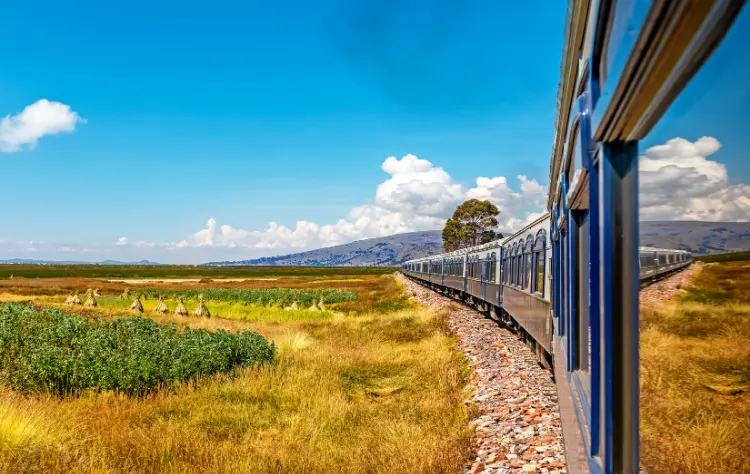
- train systems
- protected site entry timing
- altitude management
- regional transportation
- weather variability
- local operating conditions
When these elements are poorly aligned, even beautiful accommodations and remarkable destinations can feel disjointed.
Well-curated travel reduces visible friction.
A transfer arrives before it becomes stressful. A guide adjusts pacing based on the traveler’s energy. A meal reservation complements the day’s rhythm rather than interrupting it. A regional transition feels gradual instead of abrupt.
These details rarely appear dramatic individually. Collectively, they shape the entire journey.
Why Curated Travel Becomes More Valuable in Multi-Region Peru Trips
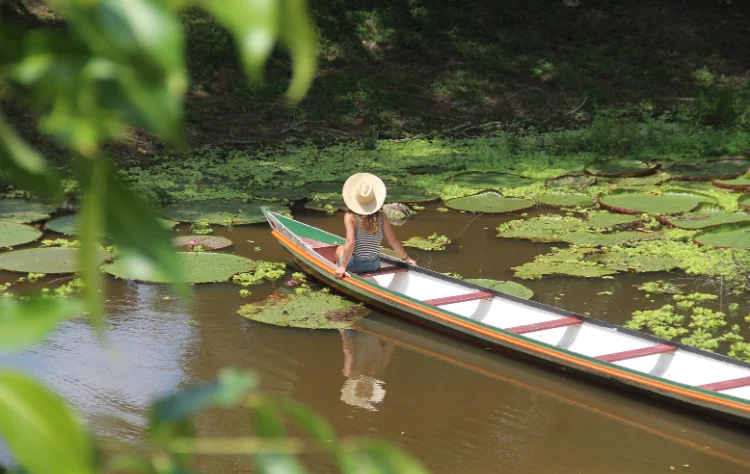
The larger and more varied the Peru itinerary becomes, the more important curation becomes.
Combining Lima, the Sacred Valley, Machu Picchu, the Amazon, Lake Titicaca, or northern Peru requires more than logistical coordination. It requires understanding how these regions interact emotionally and physically across the broader experience.
For example, the Amazon changes how travelers perceive silence, movement, and scale. Entering the Andes afterward creates a very different emotional rhythm than beginning there first. Likewise, adding Lake Titicaca after a heavily archaeological itinerary can either deepen the cultural continuity or create fatigue depending on timing and pacing.
There is no universal formula for Peru.
This is why highly personalized travel matters. Two travelers visiting the same regions may benefit from completely different sequencing depending on age, interests, energy level, travel style, or desired depth of immersion.
The best curated journeys feel shaped around the traveler rather than forcing the traveler into a standardized structure.
Sustainability Through Thoughtful Travel Design
Peru curated trips also tend to support more responsible forms of travel because they prioritize depth over volume.
Longer stays, slower transitions, and stronger regional engagement naturally reduce some of the pressures created by rushed tourism patterns. More thoughtful travel design also allows greater opportunity to support local guides, regional hospitality partners, artisans, and communities in more meaningful ways.
This matters in Peru, where tourism intersects directly with cultural heritage sites, living Indigenous traditions, and environmentally sensitive regions.
Responsible travel is not only about minimizing impact. It is also about creating more reciprocal forms of exchange between travelers and the places they experience.
Journeys become more valuable when they allow travelers to move through Peru with greater awareness rather than simply greater efficiency.
FAQs
What are Peru curated trips?
Peru curated trips are thoughtfully designed private journeys tailored around the traveler’s interests, pace, and travel style. They focus on continuity, local expertise, and meaningful sequencing rather than standardized itineraries.
Why are curated trips important in Peru?
Peru involves significant regional variation, altitude changes, and logistical complexity. Curated travel helps create smoother pacing, stronger cultural immersion, and more coherent experiences across the country.
How long should a curated Peru trip be?
Most well-paced Peru journeys range between 8 and 14 days, depending on the regions included. Longer trips often allow for deeper immersion and more balanced pacing between destinations.
What regions are commonly included in Peru curated trips?
Many travelers combine Lima, the Sacred Valley, Machu Picchu, Cusco, and the Amazon. Others may also include Lake Titicaca, Arequipa, Colca Canyon, or northern Peru depending on their interests and travel style.
When the Journey Flows Naturally
The most rewarding Peru journeys rarely feel rushed or overconstructed. They unfold gradually, allowing travelers to move between regions with enough continuity to understand how the country connects culturally, geographically, and emotionally. Peru curated trips succeed not because they show more, but because they reveal the country with greater clarity, pacing, and intention. Over time, travelers often remember less about the individual logistics and more about how naturally the entire experience seemed to flow from one moment into the next.
Best Time to Visit Peru: When to Go by Region & Experience
Planning a journey to Peru is an exciting step toward exploring a land of extraordinary diversity, from the so...
Read Post
The Lost City Colombia and the Meaning of Reaching It
Some destinations are defined by what they are. Others by what it takes to reach them. The Lost City Col...
Read Post
Best Galápagos Cruises: Choosing the Right Way to Experience the Islands
The phrase “best Galápagos cruises” suggests comparison. Ships, cabins, amenities, itineraries. It invite...
Read Post
8 DAYS
Luxury Machu Picchu Tours: Unveiling Peru’s Timeless Wonders
Cusco, Lima, Machu Picchu, Sacred Valley

8 DAYS
Peru Family Vacation: Journey to Machu Picchu and Beyond
Cusco, Lima, Machu Picchu, Sacred Valley

11 DAYS
Amazon River Cruise: A Luxury Journey Through the Amazon
Lima, Cusco, Sacred Valley, Machu Picchu, Iquitos, Amazon River