June 02, 2026 | by: Kuoda Authors


Wine regions are often approached as destinations of pleasure. Places to taste, to pause, to enjoy. In Argentina, they are something more structural.
They are shaped by altitude and light. By the Andes, which sit not as a backdrop but as a defining presence. By climate conditions that shift subtly across valleys, influencing not only the character of the wine, but the rhythm of life around it.
Argentina wine region travel, when approached with care, becomes less about visiting wineries and more about understanding a landscape. It is about how elevation changes the expression of Malbec. How water from the Andes makes cultivation possible in otherwise arid terrain. How time moves differently in a place where the day is anchored by long lunches and unhurried afternoons.
To experience this well requires more than access. It requires perspective.
Argentina Wine Region Travel: Beyond the Tasting Room
The Mendoza region is often introduced through its most visible elements. Rows of vineyards. Snow-capped peaks. Contemporary wineries. While all of these are present, they do not define the experience on their own.
What matters more is how the region is approached.
Distances between wineries are short, but the variation in terroir is significant. Luján de Cuyo, the Uco Valley, and Maipú each offer distinct expressions of wine and landscape. Moving between them without context reduces the experience to a sequence of tastings.
Argentina wine region travel, when designed thoughtfully, introduces structure. It allows for contrast. A day in the Uco Valley, where altitude brings freshness and precision. A slower afternoon in Luján de Cuyo, where tradition is more visible. Time in Maipú, where history and small-scale production offer a different perspective.
The intention is not to see more, but to understand what is being experienced.
The Role of the Andes
Altitude as a Defining Element
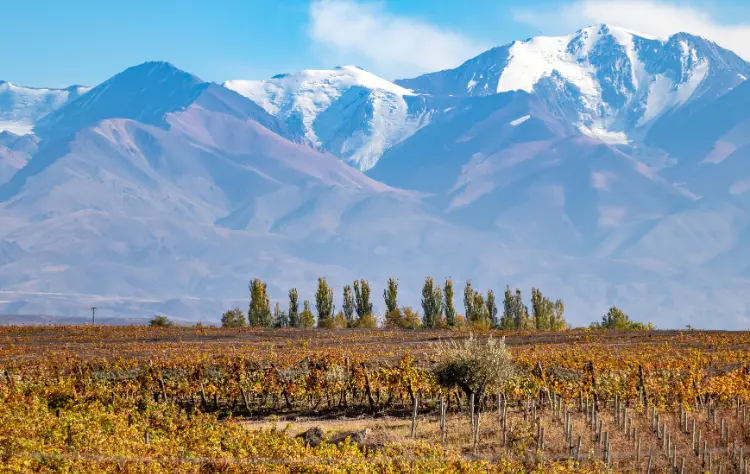
Few wine regions are as directly influenced by altitude as Mendoza.
Vineyards here can sit between 800 and 1,500 meters above sea level. This elevation affects temperature, sunlight, and ultimately the structure of the wine. Days are warm, nights are cool. This contrast allows grapes to develop complexity while retaining balance.
For the traveler, altitude also shapes the experience of the region itself. The air feels different. Light is sharper. The landscape carries a sense of openness that is difficult to replicate elsewhere.
Argentina wine region travel is inseparable from this geography. The Andes are not simply present. They are active in every aspect of the journey.
Water and the Shape of the Land
Mendoza is, in essence, a desert made fertile through irrigation.
Water from the Andes is carefully channeled to sustain vineyards. Without it, the region would not exist as it does today. This relationship between water and land adds another layer to the experience.
Understanding this dynamic changes how the landscape is perceived. It introduces a sense of fragility beneath the abundance. It also reflects the precision required to cultivate wine in this environment.
Private visits to certain estates allow for a closer look at these processes, often through conversations with those who manage them daily.
Designing the Experience Around Pace
The Importance of Unstructured Time
Wine regions reward a slower approach.
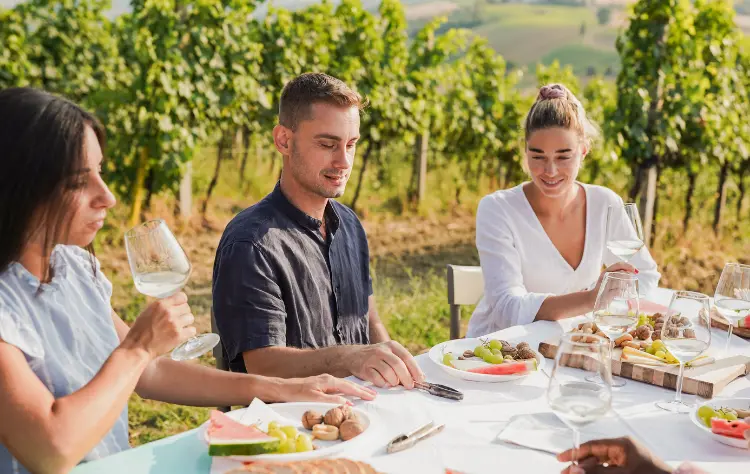
In Mendoza, this is expressed through long, deliberate meals. Through afternoons that extend without interruption. Through evenings that unfold gradually rather than according to schedule.
Argentina wine region travel, when designed properly, creates space for this rhythm. It avoids over-scheduling. It allows for moments that are not predefined.
A tasting that lingers. A conversation that extends beyond its expected time. A meal that becomes the center of the day rather than a transition between activities.
This is where much of the experience resides.
Private Tastings and Meaningful Encounters
Access to wineries is widely available in Mendoza. What distinguishes a more considered journey is how these visits are structured.
Private tastings, often hosted by sommeliers or members of the winery team, allow for a deeper understanding of the wines. Not only their flavor, but their origin. The decisions behind them. The philosophy guiding their production.
In some cases, visits extend beyond the tasting room. Into the vineyard. Into the cellar. Into conversations that are less formal and more reflective.
Argentina wine region travel becomes more meaningful when these interactions feel natural rather than staged.
Where You Stay Shapes What You Experience
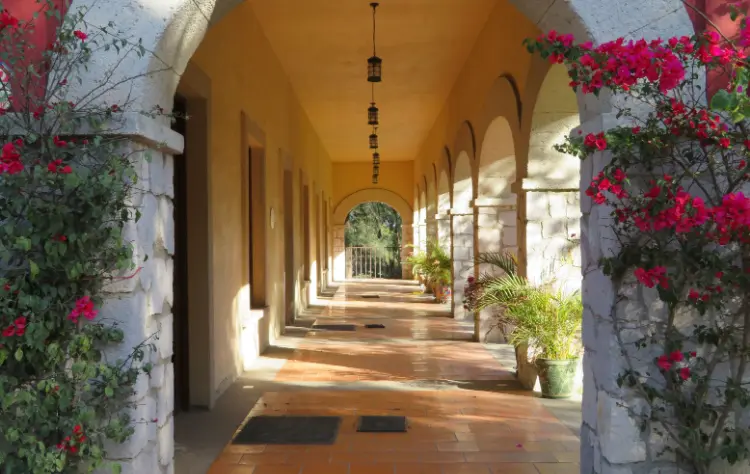
Lodges and Estates Integrated into the Landscape
Accommodation in Mendoza is not separate from the experience. It is part of it.
Many of the region’s most refined properties are set within vineyards or along the foothills of the Andes. Architecture tends to be low and integrated, allowing the landscape to remain dominant.
Rooms open toward the mountains. Common spaces are designed to extend outward rather than inward. The experience of staying in these places is quiet, intentional, and connected to the environment.
Selecting the right property is less about category and more about alignment. Some offer a more contemporary design approach. Others are rooted in traditional materials and forms. Each creates a different relationship with the surroundings.
Comfort That Supports, Not Defines
Luxury in Mendoza is understated.
It is present in the quality of materials, the attentiveness of service, and the coherence of the experience. It is not expressed through excess.
Argentina wine region travel benefits from this restraint. It allows the focus to remain on the landscape, the wine, and the rhythm of the place itself.
Comfort becomes a support structure rather than the focal point.
Extending the Journey Beyond Mendoza
While Mendoza is central to Argentina wine region travel, it does not exist in isolation.
Many travelers choose to connect their time in the wine region with Buenos Aires. The city offers a cultural counterpoint. Architecture, gastronomy, and a different pace of life provide contrast to the stillness of Mendoza.
Others extend further north to Salta, where high-altitude vineyards offer a more remote and less visited perspective on Argentine wine. The landscapes here are more rugged, the experience more intimate.
The decision to extend depends on the traveler’s interests, but when done thoughtfully, it creates a more complete understanding of the country.
Sustainability and Local Continuity
Wine production in Argentina increasingly reflects a sensitivity to environmental conditions.
Water management, soil preservation, and sustainable farming practices are becoming central to how many wineries operate. These are not always visible, but they influence the long-term viability of the region.
Travel experiences that engage with these practices tend to feel more grounded. They offer insight into how the region is evolving, not just how it presents itself today.
FAQs
When is the best time for Argentina wine region travel?
The harvest season between March and April offers a dynamic atmosphere, while spring and early summer provide milder weather and a quieter pace.
How many days should I spend in Mendoza?
A stay of three to four nights allows enough time to explore different sub-regions without rushing the experience.
Is Argentina wine region travel suitable for non-wine enthusiasts?
Yes. The landscape, gastronomy, and overall pace of the region offer a rewarding experience even for those less focused on wine itself.
Can Argentina wine region travel be combined with other destinations?
It pairs naturally with Buenos Aires or northern regions such as Salta, depending on the depth and contrast you are seeking.
Letting the Landscape Lead
Argentina wine region travel is not defined by the number of wineries visited or bottles tasted.
It is defined by how well the journey aligns with the place itself. With its altitude. Its light. Its pace.
When approached with intention, the experience becomes less about consumption and more about understanding. About allowing the landscape to set the tone, and following it rather than shaping it.
In doing so, what remains is not a checklist of visits, but a sense of having moved through the region in a way that felt coherent, natural, and quietly complete.
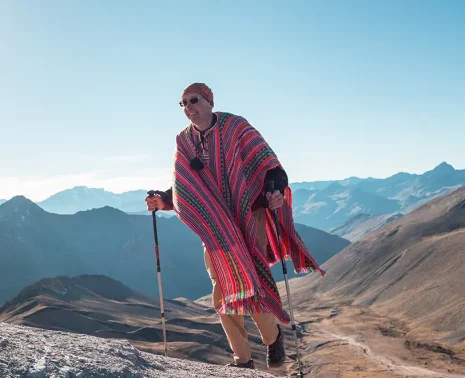
Best Time to Visit Peru: When to Go by Region & Experience
Planning a journey to Peru is an exciting step toward exploring a land of extraordinary diversity, from the so...
Read Post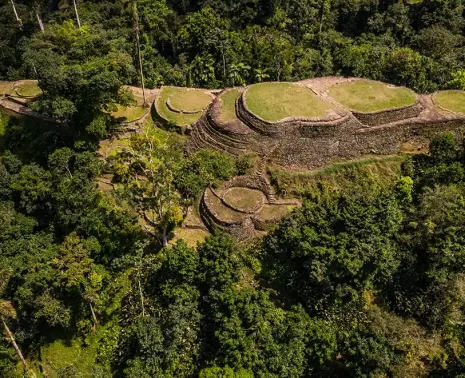
The Lost City Colombia and the Meaning of Reaching It
Some destinations are defined by what they are. Others by what it takes to reach them. The Lost City Col...
Read Post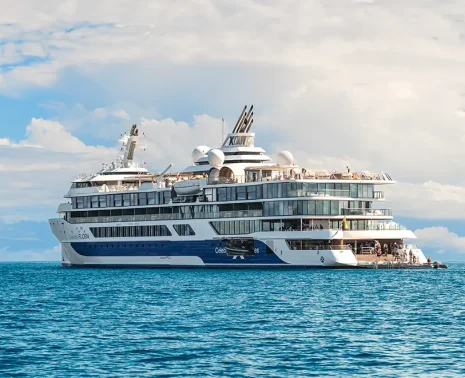
Best Galápagos Cruises: Choosing the Right Way to Experience the Islands
The phrase “best Galápagos cruises” suggests comparison. Ships, cabins, amenities, itineraries. It invite...
Read Post
8 DAYS
Luxury Machu Picchu Tours: Unveiling Peru’s Timeless Wonders
Cusco, Lima, Machu Picchu, Sacred Valley

8 DAYS
Peru Family Vacation: Journey to Machu Picchu and Beyond
Cusco, Lima, Machu Picchu, Sacred Valley

11 DAYS
Amazon River Cruise: A Luxury Journey Through the Amazon
Lima, Cusco, Sacred Valley, Machu Picchu, Iquitos, Amazon River