June 03, 2026 | by: Kuoda Authors


Introduction
To plan a trip to Peru is to engage with a country that does not reveal itself all at once.
It is a place where geography shapes experience at every level. Coastal cities that sit at sea level. Andean regions that rise above 3,000 meters. Rainforest ecosystems that move at an entirely different rhythm. Each requires a different way of traveling, not just in logistics, but in mindset.
For travelers who value depth and coherence, the challenge is not deciding whether to go, but how to move through the country in a way that feels natural. How to connect regions without forcing them together. How to experience Peru without reducing it to a sequence of highlights.
Planning well is what transforms the journey from a collection of places into something that feels continuous.
Plan a Trip to Peru: Start with How You Want to Travel
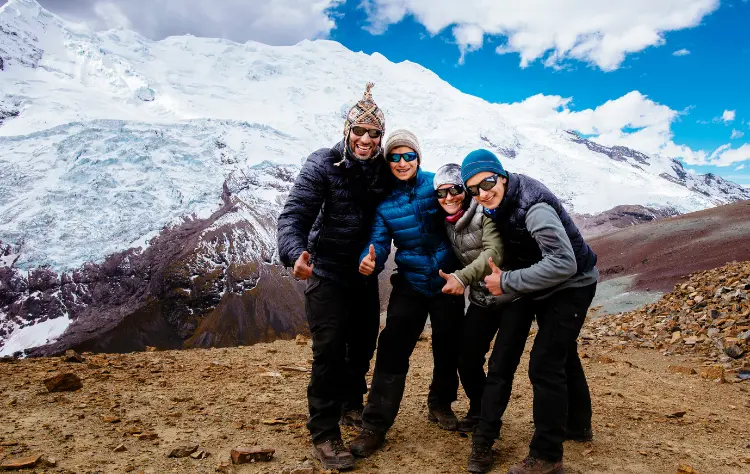
The first decision is not where to go. It is how you prefer to experience a destination.
Some travelers are drawn to cultural immersion. Time in Cusco, the Sacred Valley, and smaller Andean communities. Others are more interested in landscape, perhaps combining the highlands with the Amazon. Many are traveling with family, where pace, flexibility, and ease become central.
To plan a trip to Peru properly, these preferences need to guide every decision that follows.
A traveler interested in history may prioritize archaeological sites and expert-led interpretation. Someone focused on gastronomy may spend more time in Lima, engaging with Peru’s evolving culinary scene. A family may require a different rhythm altogether, with space for rest and varied activities.
Destinations do not define the journey. The traveler does.
Structuring the Journey Around Geography

Understanding Altitude and Flow
One of the most important aspects of planning travel in Peru is altitude.
Cusco sits at over 3,300 meters above sea level. Arriving there directly can be physically demanding. A more considered approach introduces altitude gradually, often beginning in the Sacred Valley, which lies lower and allows for a smoother transition.
This is not simply a logistical detail. It shapes how the journey feels from the beginning.
A well-structured itinerary might begin in Lima, move to the Sacred Valley, continue to Machu Picchu, and then return to Cusco once acclimatization has occurred. This sequence aligns with both geography and physiology.
To plan a trip to Peru without considering altitude is to risk disrupting the experience before it begins.
Connecting Regions Without Rushing
Peru offers multiple regions that can be combined into a single journey, but not all combinations are equally coherent.
The Andes and the Amazon, for example, create a natural pairing. The contrast between high-altitude landscapes and dense rainforest adds depth to the experience. However, this requires thoughtful transitions, often through Cusco or Puerto Maldonado.
The southern coast, including Paracas and Nazca, offers another dimension, but it introduces additional travel time. Northern Peru, with its archaeological sites, requires even more commitment.
The goal is not to include as much as possible. It is to create a journey that feels complete without feeling compressed.
The Core Experience: Andes and Machu Picchu
The Sacred Valley as a Foundation
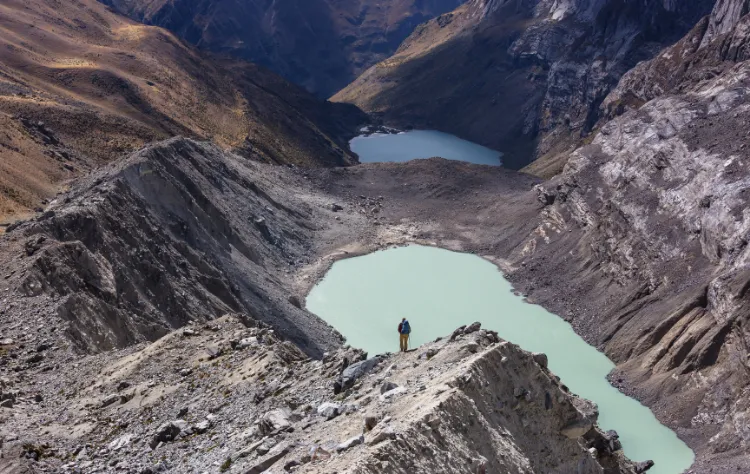
The Sacred Valley is often the first true immersion into Andean culture.
Villages, agricultural terraces, and archaeological sites are set within a landscape that feels both expansive and intimate. Time here allows for adjustment, both physically and mentally, before moving deeper into the Andes.
Experiences in the valley are varied. Visiting local markets, engaging with artisan communities, exploring sites such as Pisac or Ollantaytambo. These moments introduce the cultural and historical context that defines the region.
When planning well, the Sacred Valley is not a stop. It is a foundation.
Machu Picchu as a Culmination
Machu Picchu is rarely the starting point of a meaningful journey through Peru. It is the point toward which the journey builds.
Arriving after time in the Sacred Valley and Cusco changes the experience. The architectural language is familiar. The relationship between landscape and construction is understood. The site becomes less of a spectacle and more of a synthesis.
There are different ways to reach Machu Picchu. By train, moving gradually through the valley. Or on foot, through multi-day treks such as the Inca Trail. Each offers a different perspective.
To plan a trip to Peru that includes Machu Picchu is to think carefully about how that arrival should feel.
Expanding the Experience
Lima and the Coastal Perspective
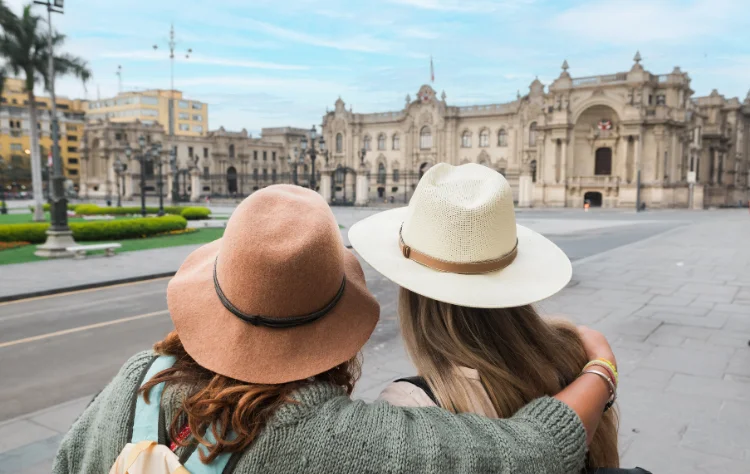
Lima often serves as the entry point to Peru, but it is more than a gateway.
The city offers a contemporary perspective on Peruvian culture. Its culinary scene, shaped by both tradition and innovation, reflects the diversity of the country’s ingredients and influences.
Time in Lima provides contrast to the Andes. It introduces a different pace and a different lens through which to understand Peru.
The Amazon and a Shift in Rhythm
The Peruvian Amazon offers an entirely different experience.
Here, the focus shifts from history to ecology. From constructed environments to natural systems. Days are structured around guided excursions, often by boat or on foot, observing wildlife and understanding the dynamics of the rainforest.
This is not an extension of the Andean experience. It is a departure from it.
Including the Amazon requires time and a willingness to adjust expectations. It rewards those who are open to a slower, more observational pace.
Where You Stay Shapes the Journey
Accommodation in Peru plays a significant role in how the experience unfolds.
In the Sacred Valley, properties are often set within the landscape, offering a sense of connection to the surroundings. In Cusco, boutique hotels are integrated into historic buildings, reflecting the layered nature of the city.
In the Amazon, lodges are designed to balance comfort with environmental sensitivity. Access, logistics, and sustainability all influence how these properties operate.
To plan a trip to Peru thoughtfully is to select accommodations that align with the overall rhythm of the journey, not just individual preferences.
The Value of Local Expertise
Planning travel in Peru involves multiple variables. Altitude, transportation, timing, and site access all require coordination.
Local expertise brings these elements together in a way that feels seamless.
Being based in Peru allows for a more intuitive understanding of how the country functions. It enables adjustments to be made in real time. It ensures that the journey is not only well designed, but well supported throughout.
This level of presence is often what distinguishes a smooth experience from a fragmented one.
Sustainability and Cultural Continuity
Travel in Peru intersects with living cultures and fragile environments.
Engaging with local communities, supporting traditional practices, and respecting site regulations are part of responsible travel. These elements are not separate from the experience. They are embedded within it.
When approached thoughtfully, travel becomes a way of connecting with these cultures rather than observing them from a distance.
FAQs
When is the best time to plan a trip to Peru?
The dry season from May to September is often preferred for Andean travel, while the shoulder months offer fewer visitors and milder conditions.
How many days do I need to plan a trip to Peru?
A well-paced itinerary typically ranges from 8 to 12 days, depending on how many regions you include.
Is it better to focus on one region or multiple regions?
Focusing on one or two regions allows for a more coherent and relaxed experience. Adding more requires careful planning to avoid a rushed pace.
Can I plan a trip to Peru with family?
Yes. With the right pacing and accommodations, Peru offers meaningful experiences for multigenerational travel.
Letting the Journey Take Shape
To plan a trip to Peru is not simply to organize logistics. It is to shape an experience.
One that reflects how you prefer to travel. One that respects the structure of the country itself. One that allows each place to be encountered with the time and attention it deserves.
When this is done well, the journey feels less constructed and more intuitive. Less about moving between destinations and more about moving through a landscape that gradually reveals itself.
And in that process, Peru becomes not just a place you visit, but a place you begin to understand.
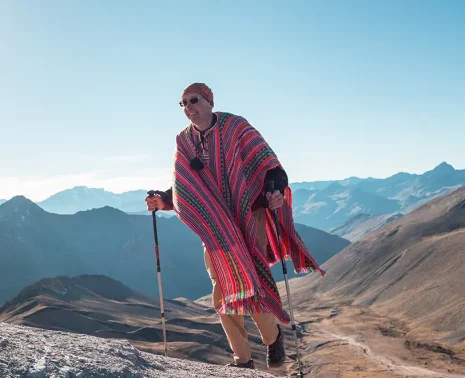
Best Time to Visit Peru: When to Go by Region & Experience
Planning a journey to Peru is an exciting step toward exploring a land of extraordinary diversity, from the so...
Read Post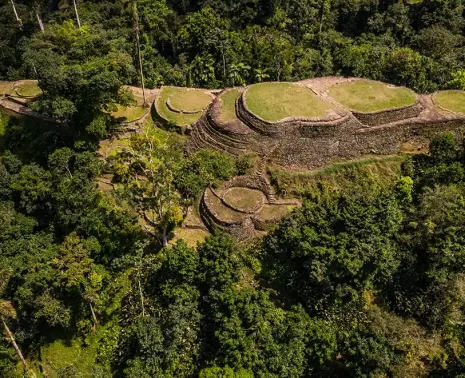
The Lost City Colombia and the Meaning of Reaching It
Some destinations are defined by what they are. Others by what it takes to reach them. The Lost City Col...
Read Post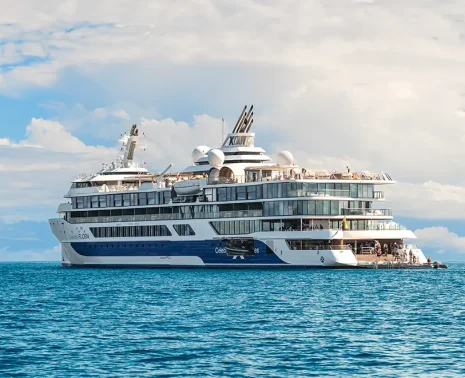
Best Galápagos Cruises: Choosing the Right Way to Experience the Islands
The phrase “best Galápagos cruises” suggests comparison. Ships, cabins, amenities, itineraries. It invite...
Read Post
8 DAYS
Luxury Machu Picchu Tours: Unveiling Peru’s Timeless Wonders
Cusco, Lima, Machu Picchu, Sacred Valley

8 DAYS
Peru Family Vacation: Journey to Machu Picchu and Beyond
Cusco, Lima, Machu Picchu, Sacred Valley

11 DAYS
Amazon River Cruise: A Luxury Journey Through the Amazon
Lima, Cusco, Sacred Valley, Machu Picchu, Iquitos, Amazon River