June 04, 2026 | by: Kuoda Authors


Barranco is not where Lima explains itself.
It is where the city relaxes into something less structured. A place where architecture, art, and daily life intersect without needing definition. For travelers arriving in Peru’s capital, Barranco Lima often becomes the moment when the experience shifts from observation to presence.
There is a different pace here. Streets that invite wandering rather than navigation. Spaces that feel lived-in rather than designed for display. It is not a district to move through quickly.
It is one to settle into, even if only briefly.
Understanding Barranco Lima Beyond Its Landmarks
Barranco is often described as Lima’s artistic district.
While this is accurate, it simplifies what makes it meaningful. Art exists here, but not only in galleries. It appears on walls, in small studios, in the way buildings are restored or left to age.
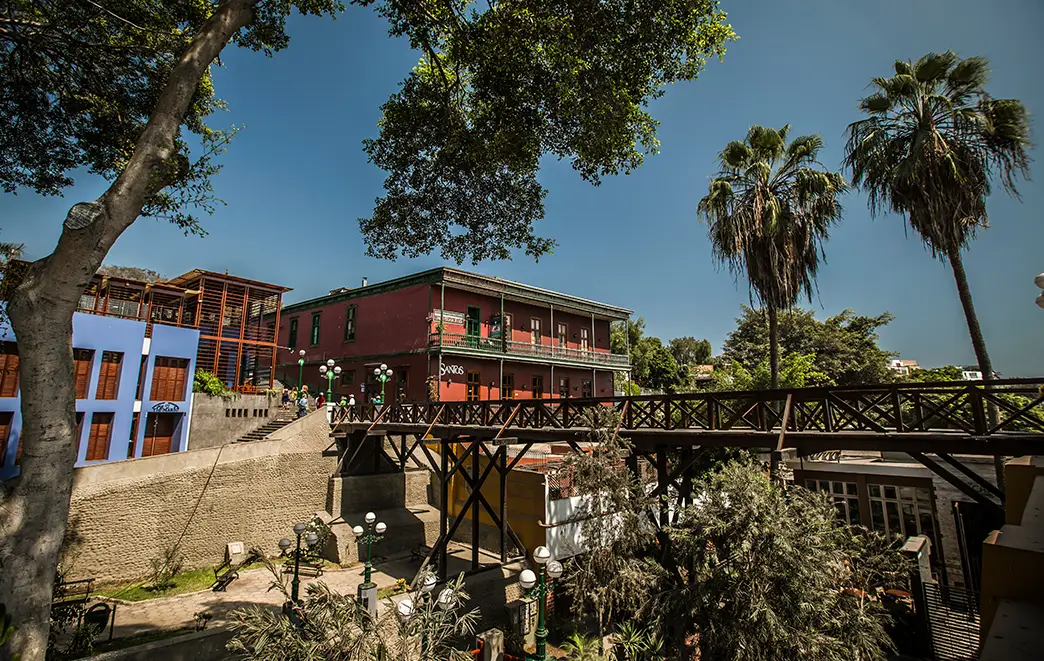
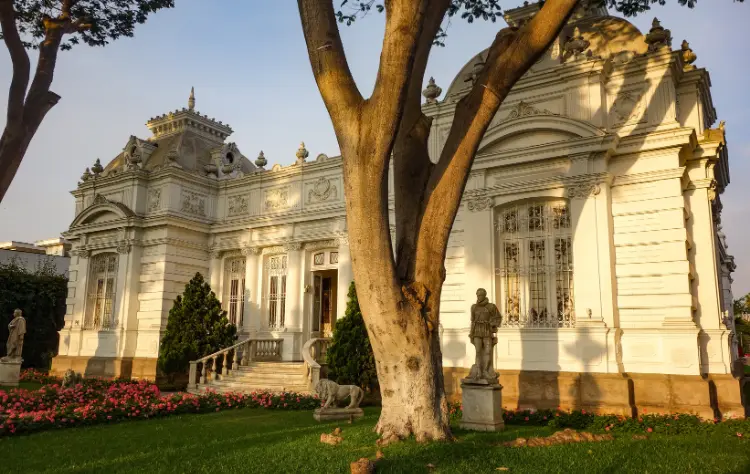
The district carries a sense of continuity. Old colonial homes, contemporary cafés, and cultural spaces coexist without feeling curated.
Barranco Lima is less about what you see and more about how it feels to move through it.
The Role of Pace in Experiencing Barranco Lima
Unlike other parts of Lima, Barranco does not demand structure.
The experience is shaped by movement without urgency. Walking becomes the primary way of engaging with the district. Short distances, changing textures, and subtle shifts in atmosphere define the experience.
This slower rhythm allows details to emerge. A doorway, a mural, a small courtyard that might otherwise go unnoticed.
At Kuoda, time in Barranco Lima is rarely over-scheduled. It is intentionally left open, allowing the district to reveal itself naturally.
Art, Culture, and Everyday Expression
A Living Creative Space
Barranco’s identity is closely tied to its creative community.
Galleries such as MATE introduce a more formal engagement with photography and visual art, while smaller studios and independent spaces offer a more intimate perspective.
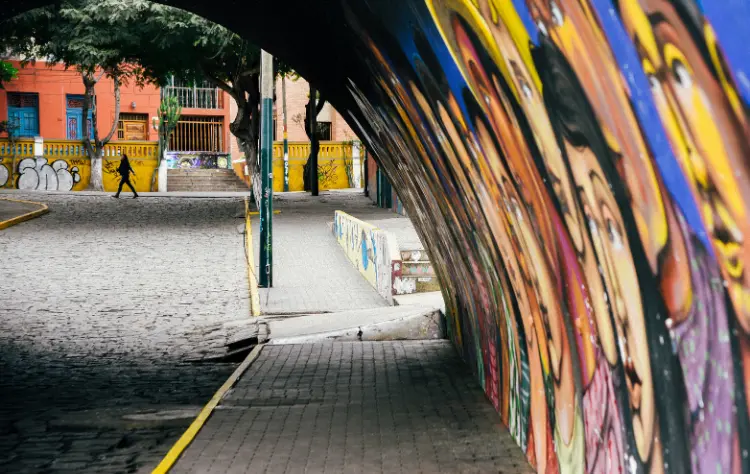
Street art plays an equally important role. Murals are not isolated pieces, but part of the district’s visual language. They reflect both contemporary themes and cultural memory.
In Barranco Lima, art is not confined. It exists alongside daily life.
The Bridge Between Tradition and Modernity
Barranco also reflects Lima’s ability to hold multiple identities.
Traditional architecture remains present, yet it is adapted for contemporary use. Restaurants, cafés, and cultural spaces occupy buildings that carry history without losing relevance.
This balance defines the district. It does not preserve the past in isolation. It integrates it.
The Coastal Influence
Barranco’s proximity to the ocean shapes its atmosphere.
The Pacific is not always visible from every street, but it is always present. The light, the air, the openness of the horizon influence how the district feels.
Walking toward the cliffs, the landscape shifts. The city recedes, and the coastline becomes central.
This connection to the sea distinguishes Barranco Lima from other parts of the capital.
Dining in Barranco Lima as Part of the Experience
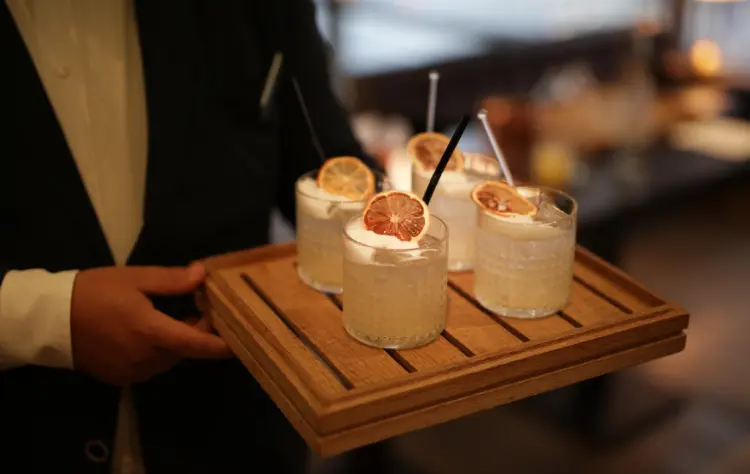
Barranco offers a different culinary perspective from the rest of Lima.
Restaurants here tend to feel more relaxed, though no less considered. Spaces such as Isolina reflect traditional Peruvian cuisine in a setting that feels grounded and familiar. Others introduce contemporary approaches while maintaining a sense of intimacy.
Cafés, in particular, play an important role. They provide places to pause, to observe, to engage with the district without structure.
Dining in Barranco Lima is less about occasion and more about integration into the day.
Designing Time in Barranco Lima Within a Broader Journey
Barranco is rarely the focus of an entire stay, yet it often becomes one of the most memorable parts.
Its role within a journey is specific. It provides contrast. A shift from more structured experiences to something more intuitive.
At Kuoda, time in Barranco Lima is placed carefully within the itinerary. Often after arrival, or before departure, when the traveler benefits most from a slower pace.
This positioning allows the district to be experienced fully, without interruption.
For a broader understanding of Lima and how Barranco fits within the city, Kuoda’s destination page offers additional context: https://www.kuodatravel.com/destinations/peru/lima/
Beyond Exploration: Moments That Stay
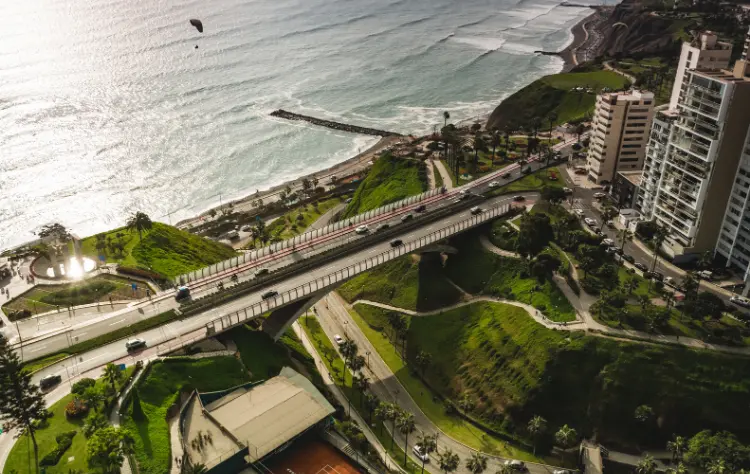
Barranco is not defined by a single highlight.
It is shaped by smaller moments. A quiet walk in the afternoon. A conversation in a café. The way light changes along the coastline in the evening.
These experiences are not planned in detail, yet they often remain the longest.
Barranco Lima becomes part of the journey in a way that is difficult to define, but easy to remember.
Sustainability and Cultural Preservation
The character of Barranco depends on its continuity. Maintaining its architecture, supporting local artists, and preserving its cultural identity are essential to its future. Experiences that respect this balance contribute to the district’s longevity.
Kuoda approaches this with care, ensuring that time spent in Barranco aligns with the preservation of what makes it distinct.
FAQs About Barranco Lima
What makes Barranco Lima different from other districts in Lima?
Its slower pace, artistic identity, and connection to the coast create a more relaxed and culturally layered experience.
How much time should be spent in Barranco Lima?
Half a day to a full day allows for a meaningful exploration without rushing.
Is Barranco Lima safe for travelers?
Yes, particularly when explored with awareness and local guidance.
Can Barranco be combined with other areas of Lima in one day?
Yes, though it is best experienced with enough time to move at a slower pace.
A District That Does Not Need to Explain Itself
Barranco does not try to define Lima.
It offers a different perspective. One that is quieter, more intuitive, and less structured. For travelers, it becomes a space to observe without urgency and to experience the city in a more natural way.
Barranco Lima is not about what you do. It is about how you move through it.
At Kuoda, this is understood as part of the journey’s design. Allowing time and space for experiences that do not need to be planned in order to be meaningful.
Best Time to Visit Peru: When to Go by Region & Experience
Planning a journey to Peru is an exciting step toward exploring a land of extraordinary diversity, from the so...
Read Post
The Lost City Colombia and the Meaning of Reaching It
Some destinations are defined by what they are. Others by what it takes to reach them. The Lost City Col...
Read Post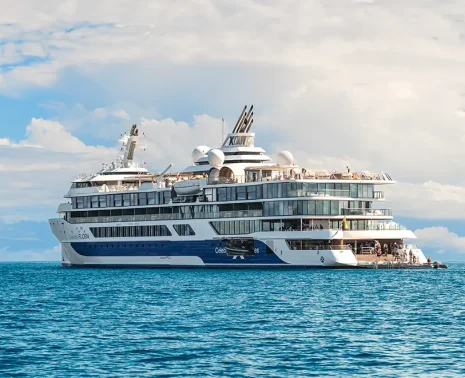
Best Galápagos Cruises: Choosing the Right Way to Experience the Islands
The phrase “best Galápagos cruises” suggests comparison. Ships, cabins, amenities, itineraries. It invite...
Read Post
8 DAYS
Luxury Machu Picchu Tours: Unveiling Peru’s Timeless Wonders
Cusco, Lima, Machu Picchu, Sacred Valley

8 DAYS
Peru Family Vacation: Journey to Machu Picchu and Beyond
Cusco, Lima, Machu Picchu, Sacred Valley

11 DAYS
Amazon River Cruise: A Luxury Journey Through the Amazon
Lima, Cusco, Sacred Valley, Machu Picchu, Iquitos, Amazon River