April 23, 2026 | by: Kuoda Authors


Colombia is often described through its geography. Coffee regions. Caribbean coastlines. Andean cities rising above valleys. Yet landscape alone cannot explain its magnetism.
To understand Colombian culture is to understand contrast. Resilience and warmth existing side by side. European colonial architecture layered over indigenous heritage. African rhythms woven into coastal traditions. A national narrative shaped by complexity rather than simplicity.
When travelers search for colombian culture, they are rarely looking for definitions. They are asking how to encounter it in a way that feels authentic rather than curated for display. How to move through Colombia with context. How to appreciate its evolution without reducing it to headlines or stereotypes.
Colombia rewards those who approach with openness and discernment.
Colombian Culture as Regional Identity
There is no single expression of Colombian culture. It shifts meaningfully from region to region. The Caribbean coast carries a different cadence than Bogotá. The coffee region differs again from Medellín.
A thoughtful journey recognizes these distinctions.
Cartagena: Colonial Memory and Caribbean Rhythm
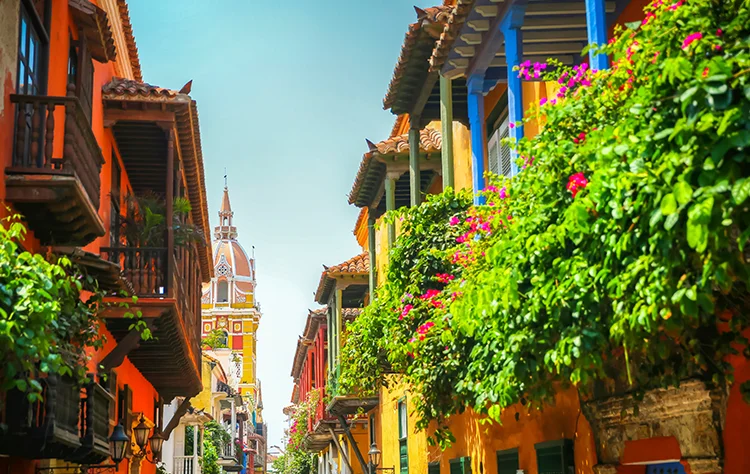
In Cartagena, culture reveals itself through architecture and atmosphere. Walled streets painted in saturated hues. Bougainvillea spilling over balconies. Churches dating back to the Spanish colonial period.
Yet beneath the aesthetic charm lies deeper narrative. Cartagena was once a major port in the transatlantic trade network. Its fortifications, including Castillo San Felipe de Barajas, speak to its strategic importance.
Experiencing Colombian culture here involves more than strolling through plazas. A private historian can frame the city’s layered past, from colonial wealth to contemporary artistic revival. Evenings may unfold in intimate restaurants where Caribbean ingredients are interpreted with refinement.
The city is vibrant, but understanding tempers romanticism with context.
Medellín: Reinvention and Creative Energy
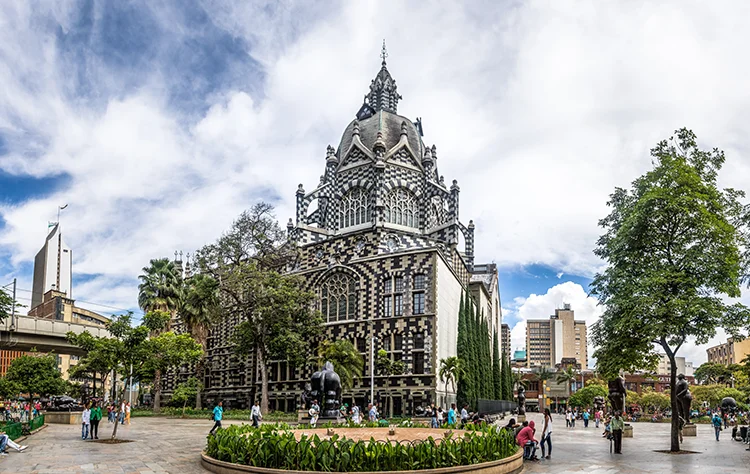
Medellín has undergone one of Latin America’s most compelling transformations. Once associated with conflict, it now stands as a center of design, technology, and social innovation.
Colombian culture in Medellín is expressed through creativity. Street art in Comuna 13 reflects collective memory and forward momentum. Public transportation systems connect hillside neighborhoods once isolated. Contemporary galleries showcase emerging voices.
A curated exploration avoids sensational narratives. It focuses instead on resilience and civic imagination. Conversations with local entrepreneurs or artists reveal how identity evolves.
Culture here feels dynamic rather than preserved.
The Coffee Region: Tradition and Landscape
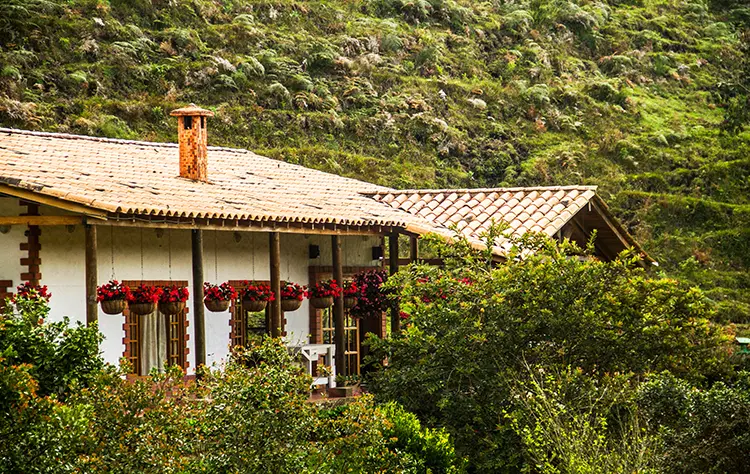
In the Andean highlands, Colombia’s coffee region offers a slower rhythm. Rolling green hills dotted with fincas reflect agricultural continuity.
Colombian culture in this region is inseparable from coffee cultivation. Visiting a family-run estate allows insight into generational practices, from hand-picking beans to small-batch roasting. The conversation often extends beyond agriculture into family history and rural life.
Accommodation in refined haciendas balances heritage architecture with contemporary comfort. The experience feels grounded and personal.
It is here that Colombian culture reveals its intimacy.
Bogotá: Intellectual and Artistic Center
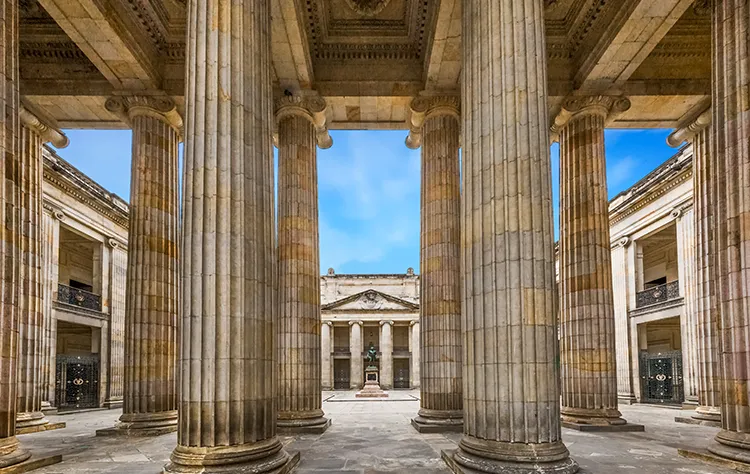
Bogotá presents another dimension. Situated at high altitude, the capital feels reflective and intellectually charged.
Museums such as the Gold Museum trace pre-Columbian craftsmanship and cosmology. Contemporary art spaces explore political memory and social commentary. Culinary scenes draw from regional ingredients with cosmopolitan influence.
Private exploration with subject-matter guides enriches understanding. Colombian culture in Bogotá is often quieter, yet deeply layered.
The city invites conversation.
Music, Movement, and Social Fabric
Music remains central to Colombian identity. Cumbia, vallenato, salsa. Each genre reflects regional histories and cross-cultural influence.
On the Caribbean coast, drums and accordions echo African and indigenous heritage. In Cali, salsa feels kinetic and disciplined. In Bogotá, jazz and experimental sounds coexist alongside traditional forms.
Participating thoughtfully may involve a private dance session in a local studio or attending a small-scale live performance rather than a staged spectacle. Engagement is respectful and immersive.
Food, too, reflects geography. Coastal ceviches differ markedly from Andean stews. Street markets reveal regional produce. A private culinary exploration allows insight without intrusion.
Colombian culture lives in these daily rituals.
Designing a Journey Around Colombian Culture
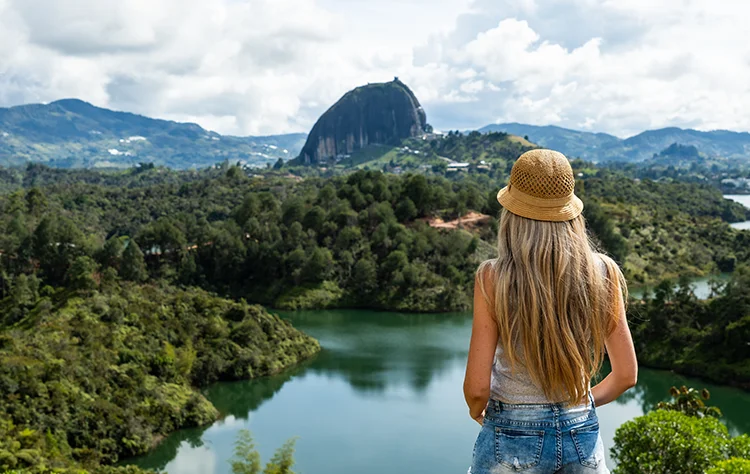
Travel focused on Colombian culture requires pacing. Attempting to compress multiple cities into a short timeframe undermines depth.
A refined itinerary might combine Cartagena and the coffee region for contrast between coast and highlands. Alternatively, Medellín and Bogotá offer a study in urban evolution and intellectual exchange.
Kuoda designs private journeys that prioritize continuity. Transfers are seamless. Boutique accommodations reflect regional character. Guides are selected for knowledge and emotional intelligence.
The objective is not to perform culture. It is to engage with it.
Responsible Presence and Community
Colombia’s recent history demands sensitivity. Communities have experienced transformation, resilience, and growth. Tourism plays a role in this ongoing evolution.
Kuoda partners with local experts and properties committed to responsible development. Cultural encounters are arranged with consent and collaboration, never voyeurism. Private travel reduces pressure on neighborhoods and preserves authenticity.
Through the Kaypi Kunan Foundation, Kuoda supports broader community initiatives across South America, reinforcing long-term engagement.
Recognition as a Tripadvisor Travelers’ Choice 2025 winner reflects consistent trust among travelers who value thoughtful, culturally grounded experiences.
Frequently Asked Questions About Colombian Culture
Is Colombian culture the same across the country?
No. Colombian culture varies significantly by region. Coastal cities differ from Andean highlands in music, cuisine, and social rhythms.
Is it safe to explore Colombian culture through local neighborhoods?
Yes, when guided thoughtfully. Private experts ensure context, comfort, and awareness of current conditions.
How many regions should be included in one trip?
Two to three regions over ten to fourteen days allows meaningful engagement without fatigue.
Can Colombian culture be experienced through food?
Absolutely. Culinary traditions reflect geography and history. Private tastings and market visits provide insight beyond surface-level dining.
Listening Before Speaking
Colombia does not require admiration. It invites attention.
Colombian culture is not a singular narrative. It is layered, regional, and evolving. From Caribbean coastlines to Andean capitals, identity unfolds in conversation, music, and memory.
Experiencing it thoughtfully means slowing down. Allowing time for dialogue. Moving with awareness rather than assumption.
When designed carefully, a journey through Colombia becomes less about observation and more about understanding.
From there, connection follows naturally.
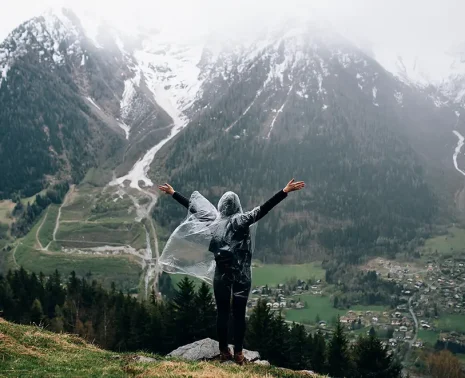
Rainy Season in Peru: When It Is and What to Expect
When is the rainy season in Peru, and what should travelers actually expect? Understanding how the wet season ...
Read Post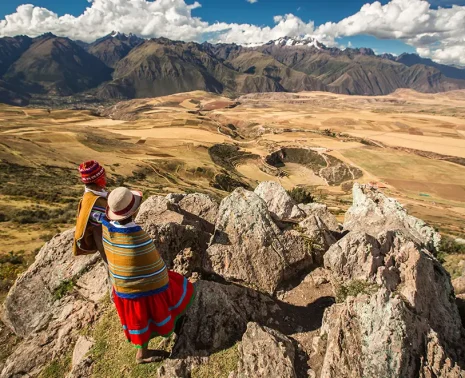
Dry Season in Peru: Best Months, Weather & What Travelers Should Know
When is the dry season in Peru, and what can travelers truly expect during these months? Understanding Peru’...
Read Post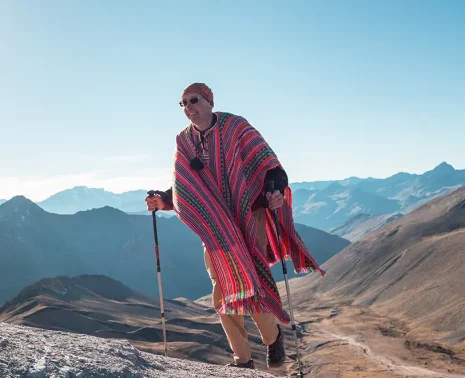
Best Time to Visit Peru: When to Go by Region & Experience
Planning a journey to Peru is an exciting step toward exploring a land of extraordinary diversity, from the so...
Read Post
8 DAYS
Luxury Machu Picchu Tours: Unveiling Peru’s Timeless Wonders
Cusco, Lima, Machu Picchu, Sacred Valley

8 DAYS
Peru Family Vacation: Journey to Machu Picchu and Beyond
Cusco, Lima, Machu Picchu, Sacred Valley

11 DAYS
Amazon River Cruise: A Luxury Journey Through the Amazon
Lima, Cusco, Sacred Valley, Machu Picchu, Iquitos, Amazon River