May 15, 2026 | by: Kuoda Authors


Introduction
In Colombia, coffee is not simply an export. It is a way of structuring life.
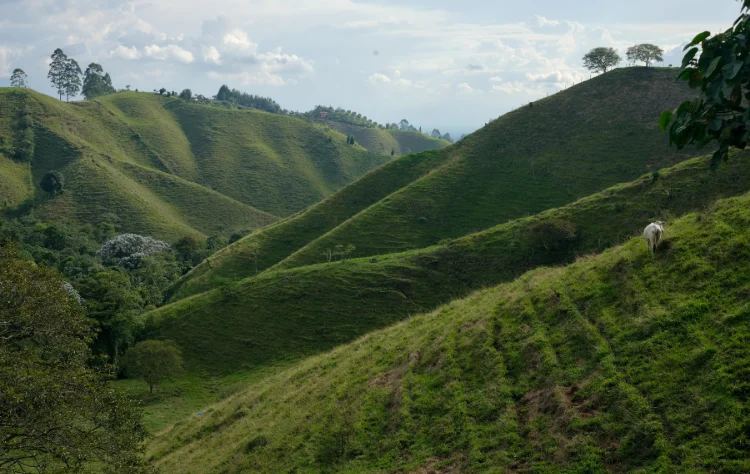
Across the central Andes, where mountains soften into rolling green hills, the Colombia coffee triangle reveals a landscape shaped by cultivation. Plantations follow the contours of the land. Small towns sit quietly between valleys. Mist settles in the early morning, lifting slowly as the day unfolds.
For travelers considering the Colombia coffee triangle, the question is not whether to visit a coffee farm. It is how to understand the region beyond production. How to experience the relationship between land, labor, and tradition without reducing it to demonstration.
The coffee triangle is not defined by a single estate or town. It is a cultural landscape best approached with patience.
The Colombia Coffee Triangle as Living Geography
The region known as the Colombia coffee triangle spans three primary departments: Caldas, Quindío, and Risaralda. Together, they form one of the most productive and culturally significant coffee-growing areas in the world.
Within this geography, altitude plays a defining role. Coffee is cultivated along slopes between 1,200 and 2,000 meters above sea level, where temperature and rainfall create ideal conditions.
The landscape itself feels continuous. Hills extend in soft repetition. Roads wind between farms and villages without clear boundaries.
Understanding the Colombia coffee triangle requires seeing it not as a destination, but as an ecosystem.
Salento and the Valle de Cocora
Among the most recognized towns in the region is Salento.
Its streets reflect a blend of colonial architecture and contemporary local life. Yet the true significance of Salento lies just beyond the town, in the Valle de Cocora.
Here, wax palms rise dramatically above green valley floors. As Colombia’s national tree, these palms create a landscape that feels both distinct and symbolic.
Walking through the valley introduces the ecological diversity that supports coffee cultivation. Moisture, altitude, and soil composition all intersect within this environment.
For many travelers, this pairing of cultural town and natural landscape defines their understanding of the region.
Coffee as Process, Not Product
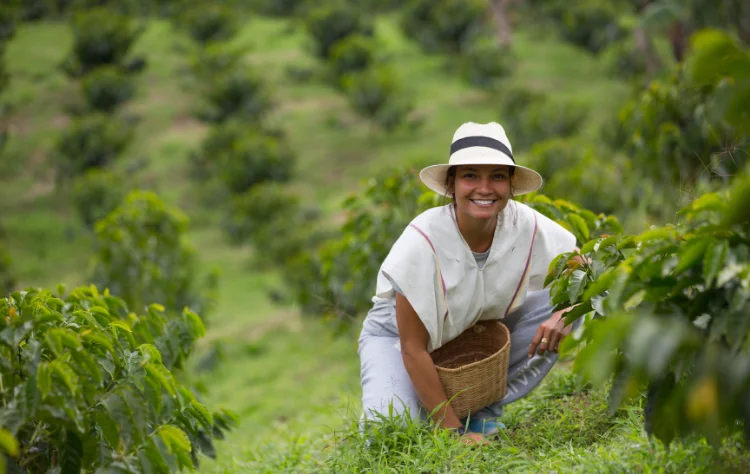
Visiting the Colombia coffee triangle often begins with a farm visit, but the experience extends far beyond tasting.
On a working finca, travelers follow the entire process. From harvesting ripe cherries to washing, fermenting, drying, and roasting. Each stage reflects decisions influenced by climate, altitude, and tradition.
Private visits arranged by Kuoda emphasize conversation rather than demonstration. Farmers share not only technical knowledge but also the generational continuity behind their work.
Tasting coffee in this context becomes more precise. Flavor profiles reflect microclimates rather than branding.
The experience shifts from consumption to understanding.
The Role of Pace
The coffee region resists urgency.
Distances between towns are short, but roads curve through mountainous terrain. Movement takes time. Meals extend naturally. Conversations unfold without structure.
Kuoda designs itineraries that respect this rhythm. Rather than scheduling multiple finca visits in a single day, experiences are spaced deliberately. Time is left for observation and rest.
Boutique countryside estates provide quiet settings where mornings begin slowly and evenings remain unhurried.
The Colombia coffee triangle is best experienced through stillness.
Where to Stay Within the Coffee Landscape
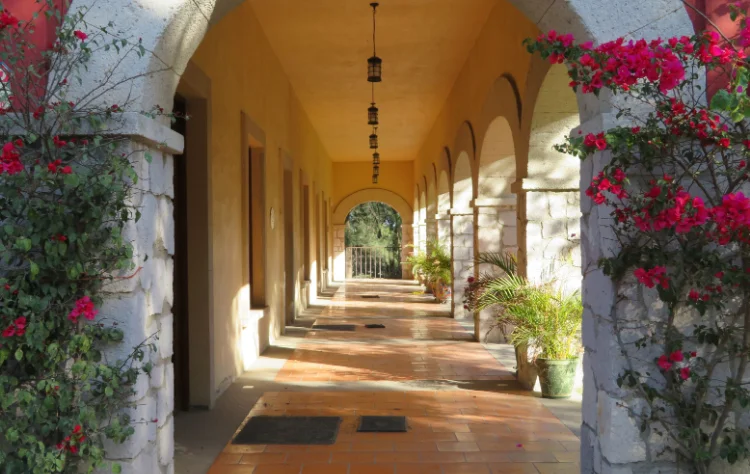
Accommodation in the region reflects its agricultural identity.
Restored haciendas and boutique estates offer intimate settings surrounded by coffee fields and gardens. Architecture often combines colonial elements with contemporary comfort, creating spaces that feel both rooted and refined.
Kuoda selects properties where scale remains small and service is attentive without formality. Rooms open toward landscape. Outdoor spaces invite reflection.
Staying within a working estate provides continuity between daily life and the surrounding environment.
The experience feels integrated rather than separate.
Integrating the Coffee Triangle Into a Colombia Journey
The Colombia coffee triangle often follows time in Medellín or precedes a transition to Cartagena.
This sequence creates contrast. Urban innovation gives way to rural continuity. Coastal warmth follows highland calm.
Flights between regions are relatively short, but transitions require coordination. Kuoda ensures that timing supports rest rather than interruption.
Private transfers, carefully selected accommodations, and knowledgeable guides maintain continuity across environments.
The journey remains coherent.
Sustainability and Agricultural Continuity
Coffee cultivation in Colombia depends on long-term environmental balance.
Shade-grown practices, water management, and soil preservation all contribute to sustainable production. Supporting small-scale farmers helps maintain both biodiversity and cultural continuity.
Kuoda partners with estates that prioritize responsible cultivation and community engagement. Private visits reduce pressure on working farms and allow for more meaningful interaction.
Through the Kaypi Kunan Foundation, Kuoda supports broader initiatives across South America that reinforce education and community development.
Recognition as a Tripadvisor Travelers’ Choice 2025 winner reflects sustained trust among travelers who value thoughtful travel design.
Frequently Asked Questions About the Colombia Coffee Triangle
How many days are ideal in the Colombia coffee triangle?
Three to four nights allow for a balanced experience that includes finca visits, landscape exploration, and time at leisure.
Is the region suitable for luxury travel?
Yes. Boutique haciendas and private experiences provide refined comfort while maintaining authenticity.
What is the best time to visit the coffee region?
The region can be visited year-round, though harvest periods vary and may influence the experience.
Can the coffee triangle be combined with other regions in Colombia?
Yes. It pairs naturally with Medellín and Cartagena for a balanced itinerary.
A Landscape That Teaches Patience
The Colombia coffee triangle does not reveal itself through a single experience.
It unfolds gradually. In the curve of the hills. In the rhythm of cultivation. In the quiet repetition of daily work.
Traveling here thoughtfully allows these patterns to become visible.
And in that visibility, the region becomes more than a place of production. It becomes a landscape understood.

Vegetarian Peruvian Food and the Quiet Depth of a Plant-Based Culinary Tradition
Peruvian cuisine is often described through its richness, its diversity, its complexity. Less frequently is it...
Read Post
Best Restaurants in Peru and the Perspective Behind Where You Choose to Dine
Searching for the best restaurants in Peru often begins with rankings. Lists, awards, and recognitions offe...
Read Post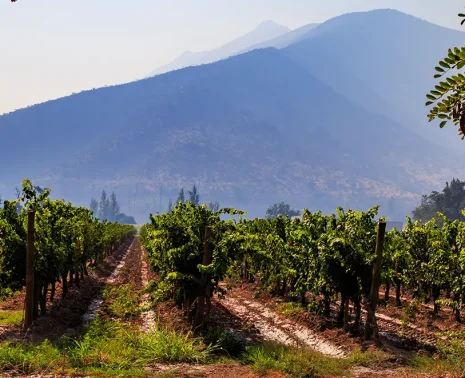
Chilean Wines: How Geography Shapes Their Unique Character
Chilean wines are often introduced through familiarity. Carmenère, Cabernet Sauvignon, valleys near Santia...
Read Post
8 DAYS
Luxury Machu Picchu Tours: Unveiling Peru’s Timeless Wonders
Cusco, Lima, Machu Picchu, Sacred Valley

8 DAYS
Peru Family Vacation: Journey to Machu Picchu and Beyond
Cusco, Lima, Machu Picchu, Sacred Valley

11 DAYS
Amazon River Cruise: A Luxury Journey Through the Amazon
Lima, Cusco, Sacred Valley, Machu Picchu, Iquitos, Amazon River