May 06, 2026 | by: Kuoda Authors


Peru’s cuisine is often celebrated for its creativity and diversity, yet its foundations are far older than contemporary gastronomy.
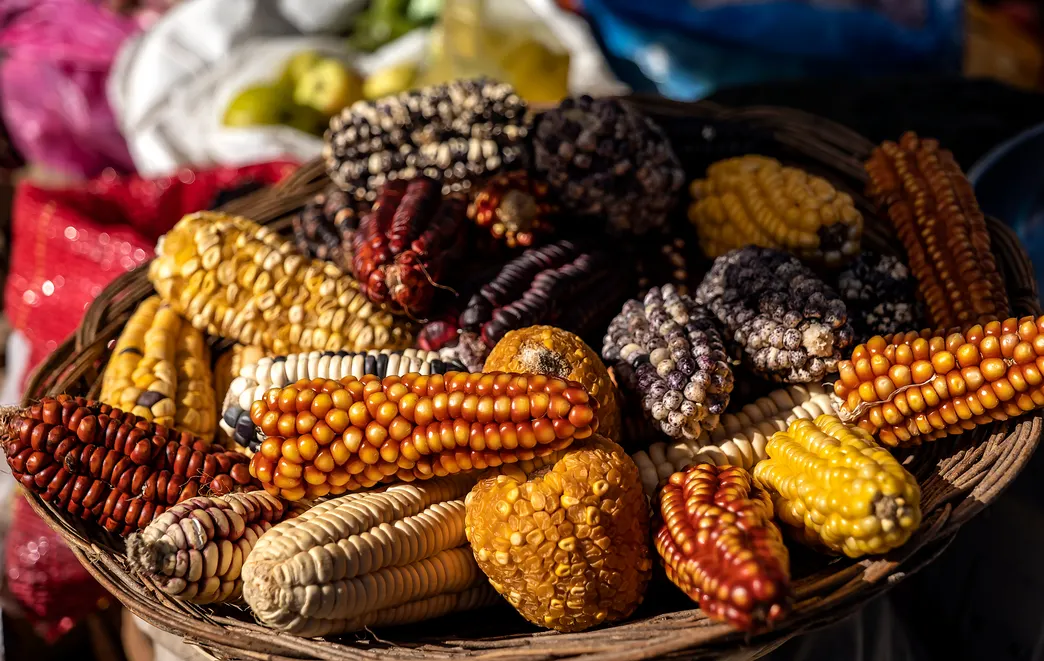
Across the Andes and Amazon, agricultural traditions developed over thousands of years. Crops were cultivated not only for sustenance but for resilience at altitude, nourishment in demanding climates, and medicinal value. Long before the global wellness industry adopted the language of “superfoods,” Andean farmers were cultivating ingredients that would eventually gain international recognition.
For travelers interested in Peruvian superfoods, the deeper story lies not in nutrition trends but in cultural continuity. These ingredients are not recent discoveries. They are expressions of geography, agricultural knowledge, and Indigenous tradition.
Experiencing them within Peru offers a different perspective entirely.
Peruvian Superfoods as Cultural Heritage
The crops now categorized as Peruvian superfoods developed within environments that demanded innovation. High-altitude farming, extreme temperature fluctuations, and varied microclimates encouraged agricultural diversity.
Today, many of these ingredients remain central to Andean and Amazonian diets. Their presence in contemporary cuisine reflects both preservation and adaptation.
Rather than existing as isolated ingredients, Peruvian superfoods form part of a broader agricultural ecosystem that has shaped the country’s culinary identity.
Quinoa and the Agricultural Intelligence of the Andes
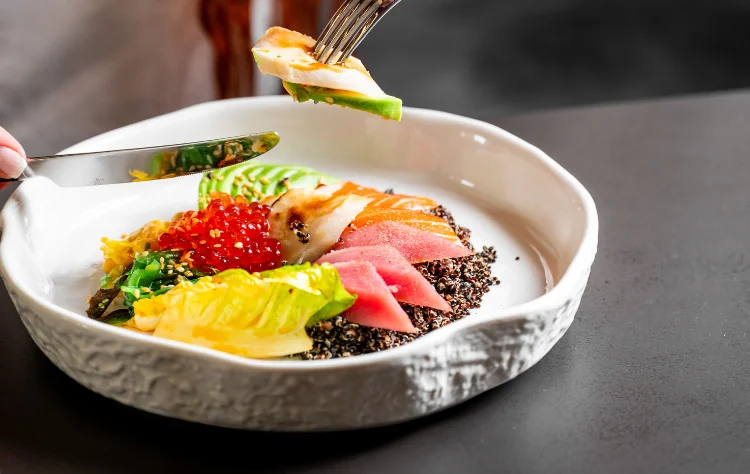
Among the most recognized Peruvian superfoods is quinoa.
Cultivated for thousands of years across the Andean highlands, quinoa thrives in conditions where many other crops fail. Its ability to grow in poor soil and withstand dramatic temperature changes made it essential for pre-Columbian societies.
Visitors traveling through the Sacred Valley near Cusco often encounter quinoa fields surrounding traditional farming communities. Here, agricultural techniques continue to reflect centuries of accumulated knowledge.
When prepared locally, quinoa reveals complexity often absent in international interpretations. It appears in soups, warm grain dishes, and refined contemporary cuisine in Peru’s capital.
In the context of travel, quinoa becomes more than a nutritional ingredient. It becomes evidence of Andean agricultural ingenuity.
Cacao From the Amazon Basin
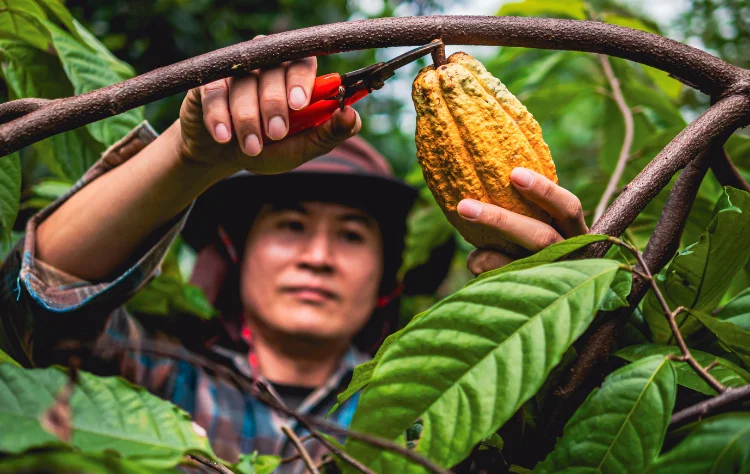
Peru’s Amazon region contributes another group of remarkable ingredients, particularly cacao.
Wild cacao varieties grow within rainforest ecosystems where biodiversity influences flavor complexity. In recent years, Peruvian cacao has gained international recognition among artisan chocolate producers.
Travelers exploring the Amazon basin near Iquitos or within rainforest reserves may visit small cacao producers who cultivate and ferment beans using traditional methods.
Tasting cacao within its ecological environment reveals layers of flavor tied directly to soil, humidity, and forest biodiversity.
Peruvian superfoods such as cacao demonstrate how culinary traditions remain inseparable from landscape.
Maca and Adaptation to Extreme Altitude
Few crops illustrate Andean resilience more clearly than maca.
Cultivated at elevations exceeding 4,000 meters in the central Andes, maca developed within some of the most challenging agricultural environments in South America. Indigenous communities have long valued the root for its nutritional density and medicinal properties.
Today, maca appears in both traditional Andean preparations and contemporary Peruvian gastronomy. Its subtle sweetness and earthy flavor integrate naturally into beverages, desserts, and savory dishes.
For travelers, encountering maca in its native highland context adds cultural dimension to an ingredient often reduced to powdered supplements abroad.
Aji Peppers and the Diversity of Flavor
Peru’s culinary identity would be incomplete without its extraordinary range of peppers.
Varieties such as ají amarillo and ají panca form the backbone of many traditional dishes. These peppers contribute not only heat but also distinctive fruitiness and depth.
Markets in Lima display dozens of pepper varieties, illustrating the biodiversity that defines Peruvian cuisine.
Cooking classes and private culinary experiences arranged by Kuoda often introduce travelers to these ingredients in their original culinary context. The result is an understanding of flavor that cannot be replicated elsewhere.
Peruvian superfoods, in this sense, are inseparable from gastronomy.
From Agricultural Tradition to Contemporary Cuisine
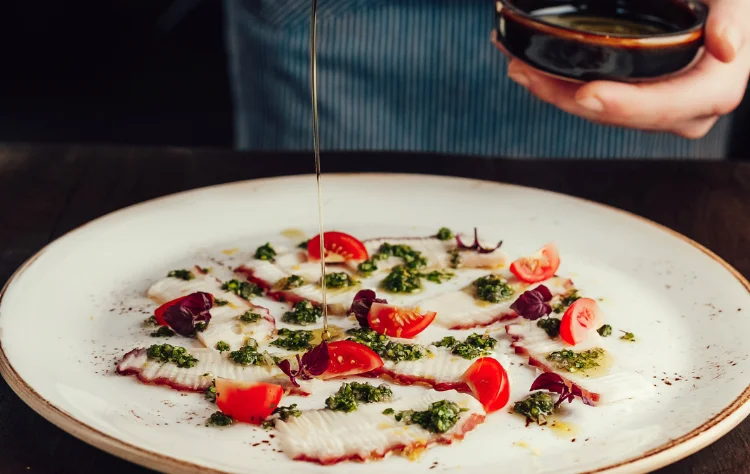
Over the past two decades, Peru’s culinary movement has brought global attention to these traditional ingredients.
Chefs in Lima and across the country have incorporated ancient grains, roots, and fruits into contemporary dishes that celebrate both heritage and innovation.
Dining in Lima now offers a refined expression of these ingredients. Restaurants reinterpret Andean agriculture through modern culinary technique while maintaining respect for origin.
For travelers, this evolution provides an opportunity to experience Peruvian superfoods in both their traditional and contemporary forms.
Designing Culinary Experiences Within Peru
Understanding Peruvian superfoods becomes most meaningful when integrated into a broader cultural journey.
A thoughtfully designed itinerary might include visits to agricultural communities in the Sacred Valley, private culinary experiences in Lima, and exploration of Amazonian biodiversity.
Each region contributes different ingredients and perspectives. The Andes offer ancient grains and tubers. The Amazon introduces fruits, cacao, and medicinal plants. Coastal regions add seafood and marine diversity.
Kuoda curates these experiences carefully, ensuring that culinary exploration feels natural rather than staged.
Sustainability and Agricultural Continuity
Many traditional crops remain essential to local food systems in Peru.
Supporting small-scale farmers and regional agricultural practices contributes to both cultural preservation and environmental resilience. Biodiversity in crops helps maintain ecological balance and food security.
Kuoda collaborates with partners who value responsible sourcing and community engagement. Through the Kaypi Kunan Foundation, the company supports educational initiatives that strengthen opportunities within Peruvian communities.
Recognition as a Tripadvisor Travelers’ Choice 2025 winner reflects Kuoda’s commitment to thoughtful travel design that respects both culture and environment.
Frequently Asked Questions About Peruvian Superfoods
What are the most well-known Peruvian superfoods?
Quinoa, cacao, maca, and a wide variety of Andean peppers are among the most widely recognized.
Can travelers experience Peruvian superfoods during a trip to Peru?
Yes. Culinary tours, market visits, and farm experiences offer direct engagement with the ingredients and their producers.
Are these ingredients still used in traditional cooking?
Absolutely. Many of these foods remain staples within Andean and Amazonian communities.
Why has Peru gained international recognition for its cuisine?
The country’s biodiversity, agricultural heritage, and contemporary culinary creativity have positioned Peru as one of the world’s most dynamic food cultures.
A Culinary Landscape Rooted in Time
Peruvian superfoods did not emerge from modern wellness trends.
They are the result of centuries of agricultural experimentation across diverse landscapes. High-altitude terraces, rainforest gardens, and coastal ecosystems all contributed to the ingredients now celebrated worldwide.
Experiencing them within Peru reveals a deeper narrative. One where food reflects geography, culture, and resilience.
And in that narrative, the country’s cuisine becomes something far richer than a trend.
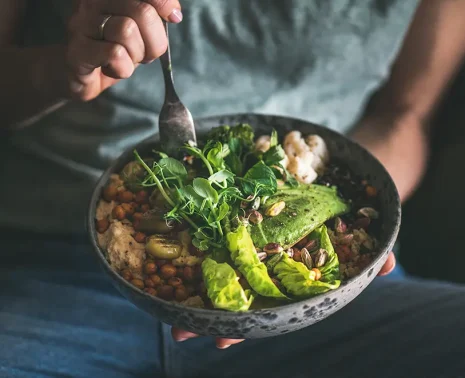
Vegetarian Peruvian Food and the Quiet Depth of a Plant-Based Culinary Tradition
Peruvian cuisine is often described through its richness, its diversity, its complexity. Less frequently is it...
Read Post
Best Restaurants in Peru and the Perspective Behind Where You Choose to Dine
Searching for the best restaurants in Peru often begins with rankings. Lists, awards, and recognitions offe...
Read Post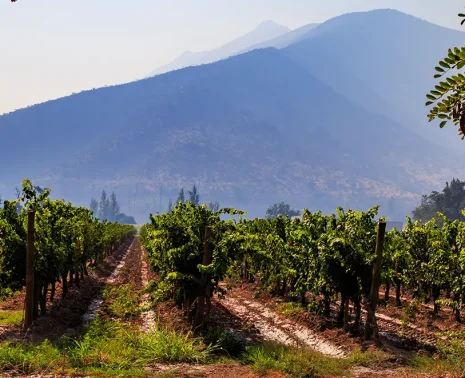
Chilean Wines: How Geography Shapes Their Unique Character
Chilean wines are often introduced through familiarity. Carmenère, Cabernet Sauvignon, valleys near Santia...
Read Post
8 DAYS
Luxury Machu Picchu Tours: Unveiling Peru’s Timeless Wonders
Cusco, Lima, Machu Picchu, Sacred Valley

8 DAYS
Peru Family Vacation: Journey to Machu Picchu and Beyond
Cusco, Lima, Machu Picchu, Sacred Valley

11 DAYS
Amazon River Cruise: A Luxury Journey Through the Amazon
Lima, Cusco, Sacred Valley, Machu Picchu, Iquitos, Amazon River