May 12, 2026 | by: Kuoda Authors


High in Ecuador’s northern Andes, the town of Otavalo occupies a cultural landscape shaped by centuries of tradition.
Set between volcanic peaks and agricultural valleys, Otavalo is best known for its textile heritage and vibrant Indigenous markets. Yet its significance extends well beyond commerce. The region reflects one of the most enduring Indigenous cultures in South America, where language, clothing, and craftsmanship continue to define everyday life.
Travelers searching for Otavalo often begin with the market itself. The deeper experience, however, lies in understanding the communities, landscapes, and traditions that sustain it.
When approached thoughtfully, Otavalo becomes less a destination to visit and more a place to observe living cultural continuity.
Otavalo and the Tradition of Andean Markets

Markets have long served as gathering points across the Andes, places where agricultural exchange and community life intersect.
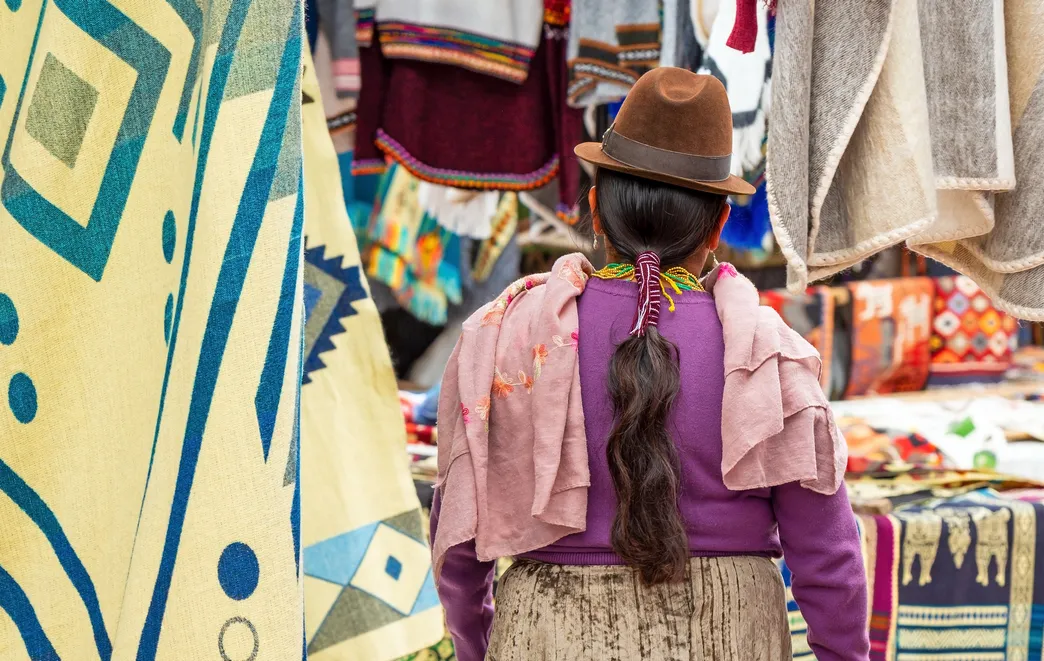
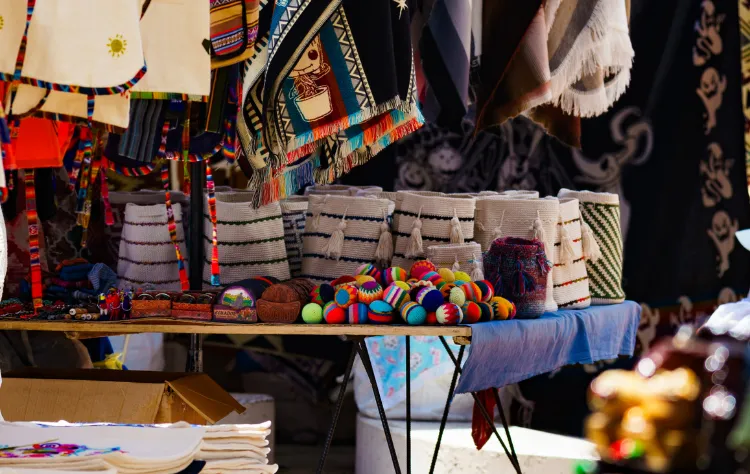
The market in Otavalo Market remains one of the most recognized examples of this tradition. On Saturdays, Plaza de los Ponchos fills with stalls offering woven textiles, embroidered clothing, musical instruments, and hand-carved crafts.
What distinguishes Otavalo is the persistence of Indigenous identity within the marketplace. Many artisans belong to communities that have preserved traditional weaving techniques for generations.
Visitors walking through the market encounter patterns and colors that reflect regional symbolism and Andean cosmology. Rather than mass-produced souvenirs, many pieces represent careful craftsmanship and inherited skill.
Exploring Otavalo with a knowledgeable guide introduces context that transforms the experience from browsing to understanding.
Textile Heritage and Indigenous Identity
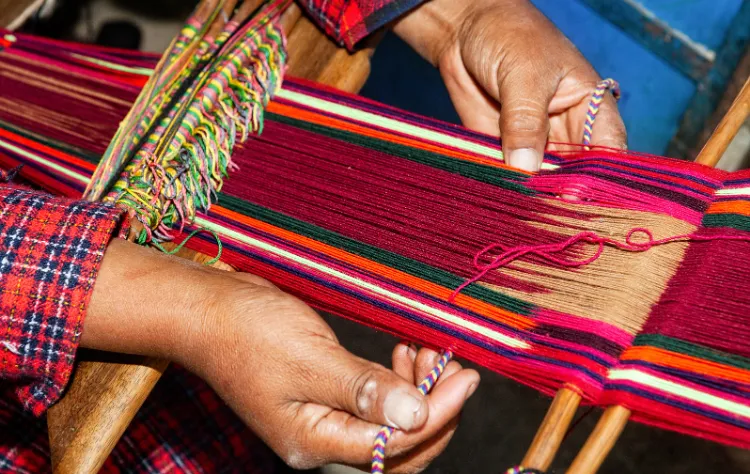
Textile production forms the cultural backbone of Otavalo.
Families across surrounding villages maintain weaving traditions passed down through generations. The characteristic blue ponchos and embroidered blouses worn by many Otavaleños are not simply traditional clothing. They are markers of identity.
Private visits to small workshops reveal the process behind these textiles. Wool is dyed using both natural and modern pigments. Looms transform thread into intricate geometric designs.
Travelers begin to see the relationship between landscape and craft. Highland agriculture provides raw materials. Cultural memory shapes patterns and techniques.
In this way, Otavalo reflects a living artistic tradition rather than a preserved artifact.
Landscapes Around Otavalo
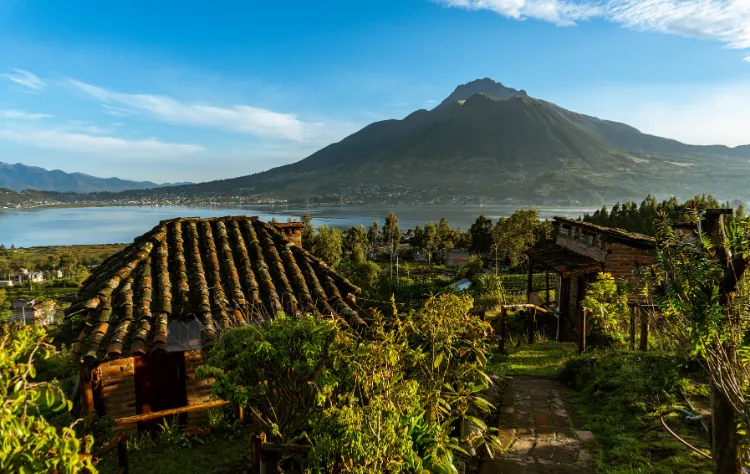
The town itself sits within a dramatic Andean basin surrounded by volcanic peaks.
One of the most recognizable landmarks nearby is Imbabura Volcano, whose symmetrical profile rises above agricultural fields. At its base lies San Pablo Lake, where calm waters reflect mountain silhouettes.
Exploring these landscapes provides a different perspective on Otavalo. Rural communities cultivate corn, beans, and quinoa along terraced hillsides. Dirt roads wind through villages where daily life continues largely unchanged.
Short excursions from Otavalo often include visits to nearby villages known for specific crafts. In Peguche, for example, weaving remains a central livelihood, while traditional music workshops preserve Andean instruments.
These experiences deepen appreciation for the cultural ecosystem surrounding the town.
The Rhythm of Daily Life
While the Saturday market attracts international visitors, Otavalo maintains a quieter rhythm during the rest of the week.
Morning light reveals farmers arriving with produce. Cafés open slowly along cobblestone streets. Artisans continue weaving or carving in small workshops.
Travelers who spend time beyond the main market discover a town shaped by routine rather than tourism.
Evening walks through the plaza often bring the scent of local dishes prepared in family-run restaurants. Highland ingredients such as corn, potatoes, and fresh cheese appear frequently on menus.
Otavalo feels less like a spectacle and more like an ongoing conversation between past and present.
Integrating Otavalo Into an Ecuador Journey
Otavalo sits approximately two hours north of Quito, making it one of the most accessible cultural excursions in the Ecuadorian Andes.
For travelers exploring the country more deeply, Otavalo often becomes part of a broader highland itinerary. After time in Quito’s historic center, visitors move north into the Andean countryside before continuing toward cloud forests or the Amazon basin.
Kuoda designs these transitions with care. Private transfers allow travelers to stop at scenic viewpoints or rural communities along the route. Boutique haciendas near Otavalo offer restful accommodations surrounded by gardens and mountain views.
The experience becomes less about visiting a market and more about understanding the cultural landscape of northern Ecuador.
Responsible Cultural Engagement
Otavalo’s identity depends on the preservation of Indigenous traditions.
Responsible travel here means engaging with artisans respectfully and supporting local craftsmanship directly. Purchasing textiles from producers rather than intermediaries ensures that traditional skills remain economically viable.
Kuoda collaborates with guides and communities who prioritize cultural integrity and authentic exchange.
Through the Kaypi Kunan Foundation, Kuoda supports broader educational and community initiatives across South America, reinforcing the belief that travel should contribute positively to the regions it explores.
Recognition as a Tripadvisor Travelers’ Choice 2026 winner reflects Kuoda’s ongoing commitment to thoughtful, responsible travel design.
Frequently Asked Questions About Otavalo
When is the best time to visit Otavalo Market?
Saturday remains the largest market day, though smaller markets take place throughout the week.
Is Otavalo worth visiting beyond the market?
Yes. Surrounding villages, volcanic landscapes, and textile workshops provide deeper cultural insight.
How far is Otavalo from Quito?
The town is approximately two hours by car from Quito, making it ideal for a day trip or overnight stay.
Can Otavalo be combined with other Ecuador destinations?
Yes. Many travelers combine Otavalo with Quito, the Ecuadorian cloud forest, or the Amazon rainforest.
A Culture That Continues
Otavalo does not exist as a preserved historical site. It is a living community.
Textiles continue to be woven. Markets continue to gather farmers and artisans. Traditions evolve while remaining rooted in centuries of Andean heritage.
For travelers willing to move beyond the surface, Otavalo offers something rare: a place where culture remains visible in daily life.
And experiencing it thoughtfully allows that continuity to be seen with greater clarity.
Fun Facts About Peru: What They a Reveal About How to Experience the Country
Fun facts about Peru are often presented as curiosities. Unexpected details. Numbers. Cultural references t...
Read Post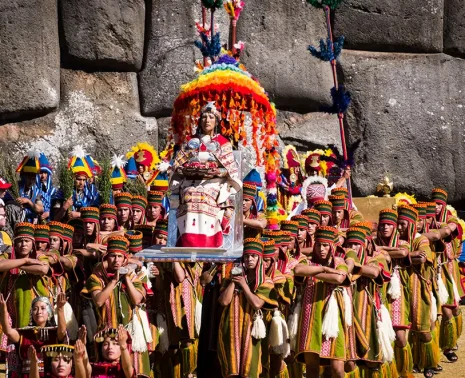
Discover the Secrets of Inti Raymi: Why Some Rituals Are Worth More Than a Thousand Monuments
There are days in Cusco when the city seems to hold its breath. It is not just the chill of June, which always...
Read Post
Ballestas Islands: Wildlife Along Peru’s Pacific Coast
South of Lima, where Peru’s desert coastline meets the Pacific Ocean, the landscape begins to change. Sand d...
Read Post
8 DAYS
Luxury Machu Picchu Tours: Unveiling Peru’s Timeless Wonders
Cusco, Lima, Machu Picchu, Sacred Valley

8 DAYS
Peru Family Vacation: Journey to Machu Picchu and Beyond
Cusco, Lima, Machu Picchu, Sacred Valley

11 DAYS
Amazon River Cruise: A Luxury Journey Through the Amazon
Lima, Cusco, Sacred Valley, Machu Picchu, Iquitos, Amazon River