May 08, 2026 | by: Kuoda Authors


High on the Altiplano, where the sky feels unusually close and the air carries a quiet stillness, lies one of the most important archaeological sites in the Andes.
Tiahuanaco, often spelled Tiwanaku, predates the Inca by centuries. Its monumental stone structures and ceremonial spaces reveal a sophisticated civilization that flourished around Lake Titicaca long before the rise of the Inca Empire.
For travelers researching tiahuanaco, the site offers more than archaeological interest. It provides insight into how ancient Andean cultures understood landscape, astronomy, and social organization.
Standing among its massive stone gateways and temples, visitors begin to see the Andes not simply as dramatic geography but as the foundation of one of South America’s earliest complex civilizations.
Tiahuanaco and the Origins of Andean Civilization
The civilization centered at Tiwanaku Archaeological Site flourished between approximately 500 and 1000 CE. At its height, the city functioned as a ceremonial and political center for a vast network of communities throughout the Andean highlands.
Unlike later imperial structures built by the Inca, Tiahuanaco developed gradually as a religious and cultural hub rather than a military capital.
The society that lived here engineered large-scale agricultural systems adapted to the extreme conditions of the Altiplano. Raised field farming allowed crops to survive frost and fluctuating temperatures. Water channels helped regulate soil moisture and temperature.
These agricultural innovations supported a growing population and allowed the culture to expand influence across regions that today belong to Bolivia, Peru, and northern Chile.
Understanding tiahuanaco therefore means understanding the ingenuity required to thrive in high-altitude environments.
Monumental Stone Architecture
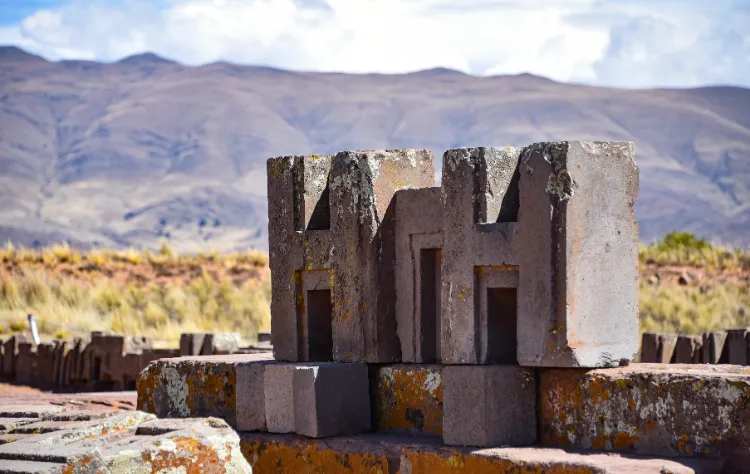
Perhaps the most striking feature of the Tiahuanaco site is its monumental stone construction.
Large blocks of andesite and sandstone were transported and shaped with extraordinary precision. The scale and craftsmanship of these structures continue to intrigue archaeologists.
Among the most recognizable monuments is the Gateway of the Sun. This carved stone portal features intricate iconography depicting what scholars believe to be a deity associated with creation and cosmology.
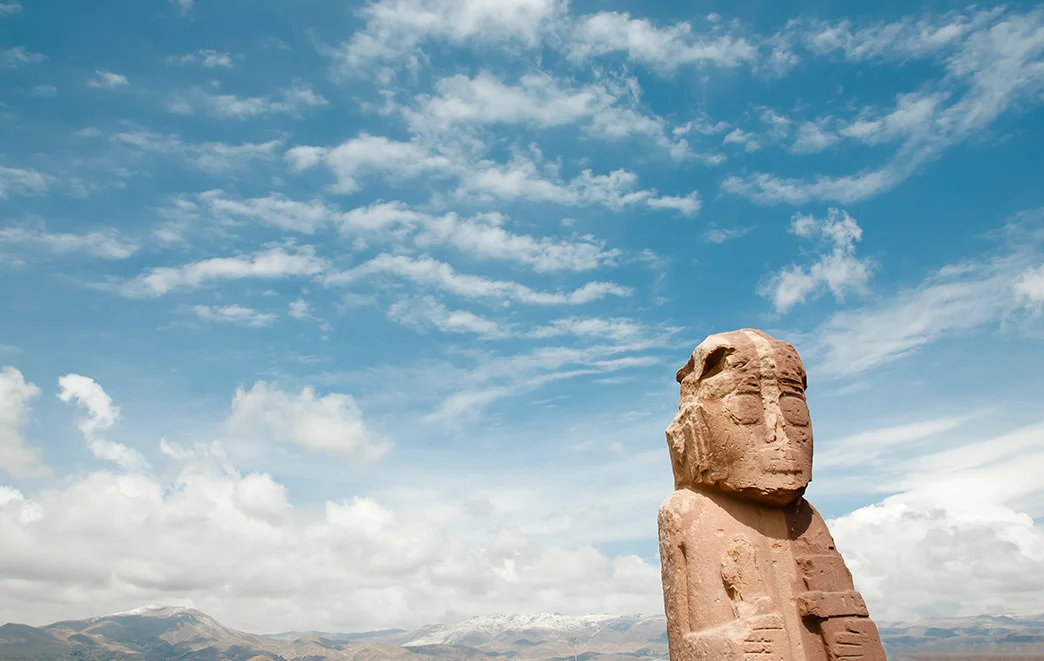
Nearby, the Akapana Pyramid rises in stepped terraces that once supported ceremonial structures. The Kalasasaya temple complex contains large monolithic sculptures representing spiritual figures believed to embody ancestral authority.
These structures reveal not only architectural sophistication but also a deep symbolic relationship between society, religion, and landscape.
Lake Titicaca and the Sacred Landscape
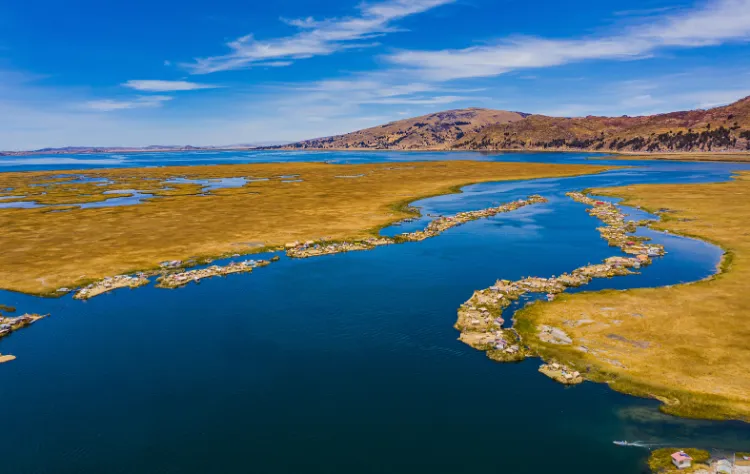
Tiahuanaco’s location near Lake Titicaca was not accidental.
For ancient Andean cultures, landscapes carried spiritual significance. Mountains, lakes, and celestial movements formed part of a cosmological system linking the natural world with human society.
Lake Titicaca, the highest navigable lake in the world, held particular sacred importance. Many Andean origin myths connect the emergence of humanity to this region.
From the ceremonial platforms of Tiahuanaco, the surrounding Altiplano appears vast and open. The horizon stretches across high plains toward distant mountain ranges.
This environment reinforces the sense that the site functioned as both political center and sacred landscape.
Archaeological Discoveries and Ongoing Research
Despite more than a century of archaeological study, many aspects of Tiahuanaco remain uncertain.
Researchers continue to investigate the engineering techniques used to shape and transport massive stone blocks. The precise meaning of the site’s iconography is still debated among scholars.
Recent studies have also revealed the extent of the civilization’s agricultural systems and trade networks. Artifacts found throughout the Andes suggest that Tiahuanaco’s influence extended far beyond its physical city.
Visiting the site today offers travelers a chance to observe an archaeological landscape still revealing new insights about pre-Columbian South America.
Integrating Tiahuanaco Into an Andean Journey
Tiahuanaco is located roughly two hours from La Paz, making it accessible as a day excursion from the city.
Travelers exploring the Bolivian Altiplano often combine visits to the archaeological site with time at Lake Titicaca or journeys across the Uyuni salt flats.
Within a broader Andean itinerary, Tiahuanaco provides historical context that complements visits to Cusco and Machu Picchu.
While Machu Picchu represents the height of Inca imperial architecture, Tiahuanaco reflects an earlier stage of Andean civilization that helped shape the region’s cultural foundations.
Experiencing both sites offers a more complete understanding of Andean history.
Responsible Cultural Preservation
Archaeological sites such as Tiahuanaco represent irreplaceable cultural heritage.
Responsible travel supports preservation efforts and encourages continued research. Visitor access is carefully managed to protect fragile structures while allowing educational exploration.
Kuoda collaborates with experienced local guides who provide historical context and ensure that visits respect the integrity of the site.
Through the Kaypi Kunan Foundation, Kuoda supports broader community initiatives across the Andean region that reinforce cultural preservation and educational opportunities.
Recognition as a Tripadvisor Travelers’ Choice 2025 winner reflects Kuoda’s commitment to thoughtful travel experiences grounded in cultural understanding.
Frequently Asked Questions About Tiahuanaco
What is Tiahuanaco known for?
Tiahuanaco is known as one of the most important ancient civilizations in the Andes, predating the Inca Empire by several centuries.
Where is Tiahuanaco located?
The archaeological site is located in western Bolivia near Lake Titicaca, about two hours from La Paz.
Is Tiahuanaco related to the Inca civilization?
While the Inca came later, many scholars believe they were influenced by earlier cultures such as Tiahuanaco.
Can Tiahuanaco be visited as a day trip?
Yes. Most travelers visit the site on a day excursion from La Paz.
A Civilization That Still Shapes the Andes
The stone structures of Tiahuanaco rise quietly from the high plains of Bolivia.
Though centuries have passed since its ceremonial plazas filled with pilgrims and leaders, the site still communicates the ingenuity of a civilization that understood how to live in balance with the Andean environment.
For travelers seeking to understand the deeper layers of South American history, tiahuanaco offers perspective that extends far beyond its weathered stones.
It reminds us that the Andes have long been home to cultures whose knowledge of landscape, astronomy, and community continues to influence the region today.

Fun Facts About Peru: What They a Reveal About How to Experience the Country
Fun facts about Peru are often presented as curiosities. Unexpected details. Numbers. Cultural references t...
Read Post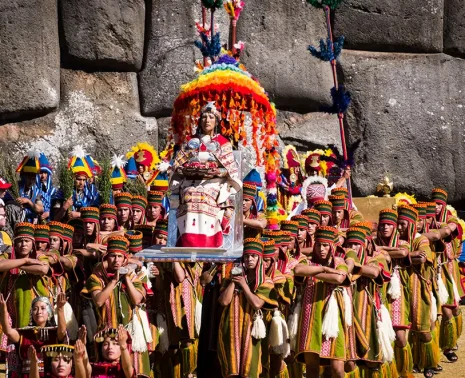
Discover the Secrets of Inti Raymi: Why Some Rituals Are Worth More Than a Thousand Monuments
There are days in Cusco when the city seems to hold its breath. It is not just the chill of June, which always...
Read Post
Otavalo: Culture, Craft, and the Living Highlands of Ecuador
High in Ecuador’s northern Andes, the town of Otavalo occupies a cultural landscape shaped by centuries of t...
Read Post
8 DAYS
Luxury Machu Picchu Tours: Unveiling Peru’s Timeless Wonders
Cusco, Lima, Machu Picchu, Sacred Valley

8 DAYS
Peru Family Vacation: Journey to Machu Picchu and Beyond
Cusco, Lima, Machu Picchu, Sacred Valley

11 DAYS
Amazon River Cruise: A Luxury Journey Through the Amazon
Lima, Cusco, Sacred Valley, Machu Picchu, Iquitos, Amazon River