June 13, 2026 | by: Kuoda Authors


Traveling Peru well requires more than access.
Most travelers can book hotels, trains, or flights independently. Information about Peru exists everywhere. Machu Picchu is globally recognizable. The Sacred Valley appears constantly across travel media. Yet many travelers still move through the country feeling rushed, disconnected, or operationally overwhelmed despite visiting extraordinary places.
This is because Peru is not a destination that reveals itself fully through logistics alone.
The country responds differently when journeys are shaped through local understanding. Not only because local experts know where to go, but because they understand how Peru functions: how altitude affects pacing, how regional rhythm changes between the coast and the Andes, how timing alters the emotional atmosphere of archaeological sites, and how travelers can move through the country in ways that feel natural rather than constantly transactional.
Learning how to travel Peru with local experts ultimately means understanding the difference between visiting the country and being guided through it with intention.
Peru Is More Layered Than Travelers Expect
One of the first things travelers realize in Peru is how quickly the experience becomes more complex than anticipated.
Altitude changes energy levels significantly. Distances through the Andes often feel longer emotionally than they appear geographically. Weather patterns shift rapidly between regions. Cultural experiences vary enormously depending on local context and pacing.
Most importantly, Peru is not built around a single destination.
Machu Picchu may be the global symbol, but the emotional quality of the journey is shaped by everything surrounding it. The Sacred Valley, Lima’s culinary culture, Andean communities, agricultural continuity, and the gradual movement through the mountains all influence how travelers ultimately experience Peru itself.
This is where local expertise becomes essential.
Travelers who move through Peru with strong local guidance often experience the country more calmly because the journey has already been shaped around how Peru actually functions rather than how it appears online or on a map.
Local Expertise Is About Interpretation, Not Just Logistics
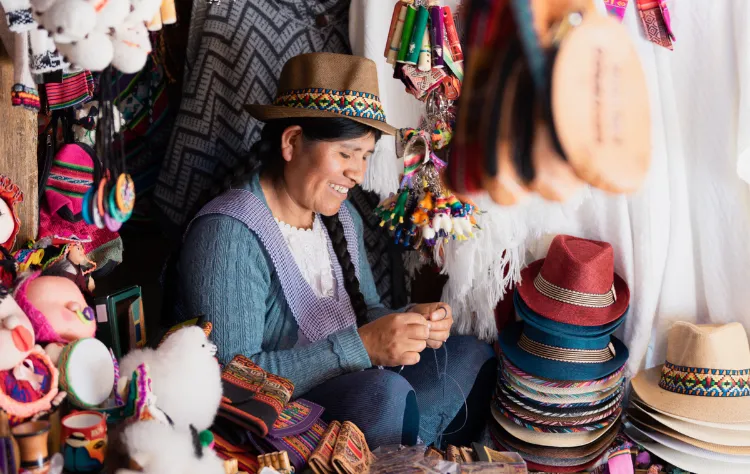
Many travelers initially assume local expertise primarily means smoother transportation or operational support.
In Peru, it goes much deeper than that.
The strongest local experts help travelers interpret the country gradually. They create context between landscapes, history, culture, and daily life in ways that transform how travelers perceive the Andes themselves.
A market becomes more meaningful once travelers understand how agricultural systems still shape regional identity. The Sacred Valley feels different when travelers recognize why altitude, water systems, and geography mattered so profoundly to the Inca civilization. Machu Picchu becomes more emotionally resonant when travelers understand how the journey toward it has been intentionally paced rather than rushed.
This kind of expertise cannot be replicated through information alone.
Traveling Peru with local experts means moving through the country with people who understand not only its history, but its rhythm.
Presence Matters More Than Travelers Realize
One of the most overlooked aspects of Peru travel is the importance of actual local presence.
Peru changes constantly. Weather shifts across the Andes quickly, regional events alter movement patterns, train schedules evolve, and altitude affects every traveler differently. Experts working from within Peru understand these realities instinctively because they live inside the environment travelers are entering temporarily.
This changes the quality of decision-making throughout the journey.
Sometimes the difference is operational, like adjusting pacing, shifting departure timing, or rethinking the sequence of experiences entirely. Other times the impact is emotional. Understanding when travelers need stillness, slower immersion, or deeper context rather than additional activity can completely reshape how the country is experienced.
Travelers often do not notice these adjustments directly. They simply feel that the journey unfolds naturally.
That feeling is rarely accidental.
The Sacred Valley Reveals the Difference Clearly
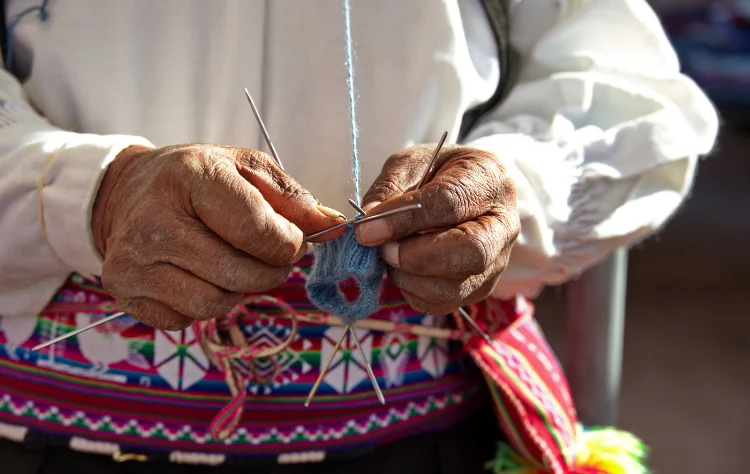
The Sacred Valley often becomes the clearest example of why local expertise matters so much in Peru.
Travelers moving quickly through the region frequently experience it as a collection of archaeological stops between Cusco and Machu Picchu. Travelers guided thoughtfully through the valley usually experience something entirely different.
The region begins revealing continuity. Agricultural traditions still shape the land. Weaving communities preserve inherited techniques passed across generations. Villages continue operating within Andean rhythms that remain deeply connected to altitude, seasonality, and landscape itself.
The valley slows travelers down naturally when experienced properly.
This is one reason local expertise matters so much. Peru responds best to pacing that feels aligned with the environment itself rather than imposed mechanically onto it.
Strong local guidance helps travelers recognize not only what they are seeing, but how to experience it.
Traveling Peru Well Requires Editing
One of the biggest misconceptions in Peru travel is that more experiences automatically create a better journey.
In reality, Peru often becomes more meaningful when itineraries are simplified carefully.
Travelers moving constantly between airports, archaeological sites, and hotels rarely absorb the depth of the country fully. The Andes require time. Cultural immersion requires continuity. Even altitude itself demands slower pacing than many travelers initially anticipate.
Local experts understand what to remove as much as what to include.
This restraint is often what transforms Peru from a busy itinerary into a coherent experience. A slower morning in the Sacred Valley, a long lunch overlooking the Andes, or additional time in one region rather than constant movement often creates more emotional depth than adding another stop simply for the sake of coverage.
Peru reveals itself more fully through continuity than through speed.
Local Relationships Shape the Experience Quietly
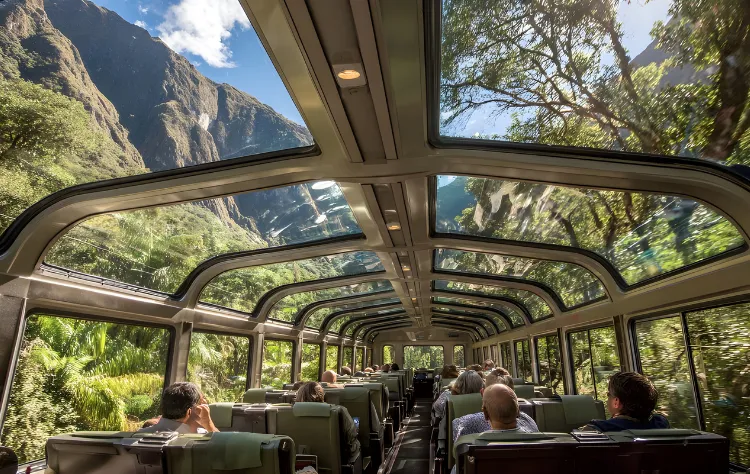
Traveling Peru with local experts also changes the quality of interaction throughout the journey.
Long-term regional relationships often create experiences that feel more natural and grounded. Guides bring deeper regional understanding. Encounters with local communities feel respectful rather than performative. Accommodations are selected for atmosphere, positioning, and continuity within the journey rather than status alone.
Travelers sense this difference quickly.
The country begins feeling less transactional and more connected. Encounters unfold more naturally. Transitions soften. Peru starts to feel inhabited rather than curated exclusively for tourism.
This kind of continuity emerges through years of regional presence and trust.
Why Peru Should Feel Personal
No two travelers move through Peru in exactly the same way.
Some connect deeply through archaeology and history. Others through gastronomy, textiles, spirituality, photography, or slower cultural immersion. Families experience Peru differently than couples or solo travelers. Multi-generational travel changes pacing entirely.
Local expertise matters because Peru should not feel standardized.
The strongest journeys are shaped around energy, curiosity, comfort levels, emotional rhythm, and the ways travelers naturally engage with place. True personalization is not about excess or visible luxury. It is about understanding how the country and the traveler fit together most naturally.
Sustainability and Respectful Travel in Peru
Traveling Peru with local experts also encourages more responsible tourism naturally.
Local presence often creates slower pacing, stronger community relationships, and more thoughtful cultural engagement. Travelers move through Peru with greater awareness of the environmental and cultural systems supporting the experience itself rather than consuming the country as quickly as possible.
This approach not only preserves Peru more thoughtfully, it also creates better journeys.
Travelers experience the country more deeply when they move through it with attention and patience rather than urgency.
FAQs
Why should I travel Peru with local experts?
Local experts help travelers navigate Peru’s altitude, regional diversity, cultural complexity, and operational realities while creating smoother, more meaningful, and more personalized journeys.
What makes local expertise important in Peru?
Peru’s geography, pacing, and cultural depth require real on-the-ground understanding. Local experts help travelers experience the country more naturally and avoid rushed or fragmented itineraries.
Is local guidance important for Machu Picchu and the Sacred Valley?
Yes. Strong local interpretation and thoughtful pacing dramatically change how travelers experience both Machu Picchu and the Sacred Valley emotionally and culturally.
How do local experts improve luxury travel in Peru?
They create continuity, flexibility, regional understanding, and calm operational flow while shaping journeys around the traveler rather than around standardized touring structures.
When Peru Begins to Feel Like More Than a Destination
Learning how to travel Peru with local experts ultimately changes the pace and emotional quality of the journey itself. Travelers begin noticing that the strongest experiences are not necessarily the most dramatic ones, but the moments where Peru starts feeling coherent: the Andes unfolding gradually rather than abruptly, conversations creating context between landscapes and culture, transitions feeling natural instead of rushed. Over time, travelers often realize that what made the journey memorable was not simply where they went, but how deeply they were able to connect to the country while moving through it. Peru rewards presence, patience, and understanding. The right local expertise allows travelers to experience all three.
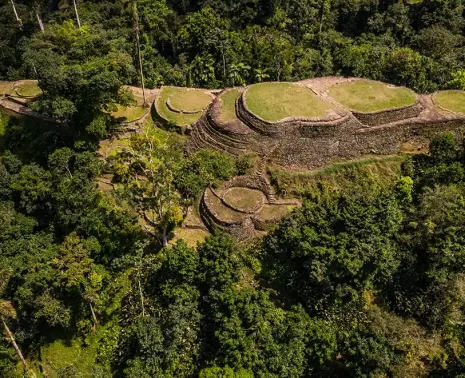
The Lost City Colombia and the Meaning of Reaching It
Some destinations are defined by what they are. Others by what it takes to reach them. The Lost City Col...
Read Post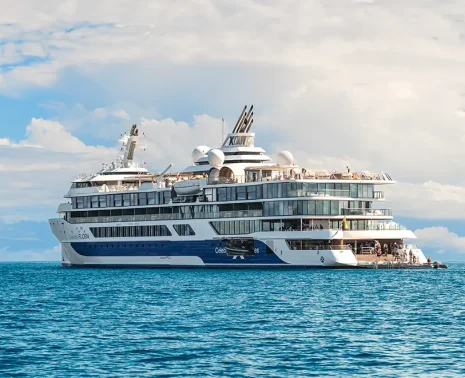
Best Galápagos Cruises: Choosing the Right Way to Experience the Islands
The phrase “best Galápagos cruises” suggests comparison. Ships, cabins, amenities, itineraries. It invite...
Read Post
Designing an Ecuador Itinerary with Intention: How to Experience the Country Beyond the Obvious
An Ecuador itinerary is often approached as a checklist. A few days in Quito, a quick passage through the Ande...
Read Post
8 DAYS
Luxury Machu Picchu Tours: Unveiling Peru’s Timeless Wonders
Cusco, Lima, Machu Picchu, Sacred Valley

8 DAYS
Peru Family Vacation: Journey to Machu Picchu and Beyond
Cusco, Lima, Machu Picchu, Sacred Valley

11 DAYS
Amazon River Cruise: A Luxury Journey Through the Amazon
Lima, Cusco, Sacred Valley, Machu Picchu, Iquitos, Amazon River