
June 12, 2026 | by: Kuoda Authors


A Peru and Galápagos itinerary combines two entirely different ways of experiencing South America.
Peru moves through history, altitude, culture, and human continuity. The Galápagos operate through isolation, wildlife, and ecological stillness. One invites travelers into layered civilizations shaped by the Andes over centuries. The other removes much of the human presence entirely, allowing nature itself to dominate perception.
This contrast is what makes the combination so extraordinary.
It is also what makes it surprisingly easy to design poorly.
Travelers often underestimate how dramatically the rhythm changes between Peru and the Galápagos. Journeys that work beautifully in the Andes can feel exhausting once transferred directly into expedition-style island movement. Likewise, travelers who begin too abruptly in the Galápagos sometimes struggle to transition naturally into the cultural and emotional density of Peru afterward.
The strongest itineraries understand that these destinations should not simply be combined. They must be balanced.
Peru Requires Gradual Immersion
Peru is one of those countries that reveals itself progressively.
The Andes shape everything:
- pacing
- altitude adaptation
- agriculture
- architecture
- cultural continuity
- emotional rhythm
Travelers moving through Peru too quickly often experience extraordinary places without fully absorbing the country itself. Machu Picchu, the Sacred Valley, Cusco, and Lima all deepen meaningfully when connected through thoughtful sequencing rather than compressed logistics.
This matters enormously within a Peru and Galápagos itinerary because Peru works best when travelers are allowed to settle gradually into the Andes before moving onward.
The Sacred Valley often becomes especially important here.
Rather than rushing directly into higher elevations, travelers who spend time in the valley usually experience Peru more calmly. The region introduces Andean rhythm through softer altitude, agricultural continuity, and slower immersion into the landscape itself. By the time travelers reach Machu Picchu, the experience feels connected to a larger cultural and environmental progression rather than isolated from it.
The strongest Peru journeys create continuity before introducing contrast.
The Galápagos Change the Logic of Travel

The Galápagos Islands alter perception differently than almost anywhere else in South America.
In Peru, travelers are constantly aware of history, architecture, markets, local communities, and the visible relationship between people and landscape. The Galápagos remove much of that structure. Wildlife becomes the central presence. Silence changes the atmosphere. Days revolve around tides, marine conditions, and ecological movement rather than urban or cultural rhythm.
Travel itself begins functioning differently.
The islands reward observation more than activity accumulation. Travelers who approach the Galápagos too aggressively often miss the quiet intimacy that makes the experience so unusual. Wildlife encounters feel powerful precisely because they emerge naturally within the environment rather than through spectacle or performance.
This shift can feel surprisingly emotional after Peru.
Many travelers notice that the islands simplify attention. The Andes ask travelers to interpret culture and history continuously. The Galápagos ask travelers simply to observe.
A well-designed Peru and Galápagos itinerary allows enough transition between these worlds for both experiences to remain emotionally coherent.
Why Sequencing Matters So Much

One of the biggest mistakes travelers make when combining Peru and the Galápagos is underestimating sequencing.
The order of the journey changes the emotional atmosphere entirely.
Beginning in Peru often works beautifully because travelers move from cultural density into ecological stillness gradually. Lima introduces the journey through cuisine and coastal atmosphere. The Sacred Valley softens entry into the Andes. Machu Picchu becomes the emotional high point of the Peru portion before travelers transition toward the quieter rhythm of the Galápagos.
The islands then function almost as decompression.
After Peru’s altitude, history, and sensory layering, the Galápagos feel clarifying. Travelers slow down naturally. Observation replaces movement. The experience becomes less about progression and more about presence.
The contrast sharpens both destinations rather than competing between them.
The Importance of Pace
Pacing becomes especially important within a Peru and Galápagos itinerary because both destinations require energy in very different ways.
Peru can be physically demanding. Altitude affects sleep, movement, and overall rhythm. Cultural exploration often involves emotional intensity as well, particularly throughout the Andes where history and landscape feel deeply interconnected.
The Galápagos, while calmer emotionally, still involve movement through island excursions, marine activity, and expedition structure depending on the style of travel.
Without thoughtful pacing, travelers can experience fatigue rather than continuity.
The strongest itineraries therefore avoid excessive internal movement. Longer stays in fewer places often create far more meaningful immersion than attempting to maximize regional coverage. Sometimes removing destinations improves the entire journey because travelers remain more connected to the environments surrounding them.
This is particularly true in South America, where geography shapes emotional rhythm more strongly than many travelers initially anticipate.
Wildlife and Culture as Complementary Experiences

One reason Peru and the Galápagos work so well together is that they reveal entirely different dimensions of South America without feeling repetitive.
Peru centers around human continuity:
- archaeology
- agriculture
- Indigenous traditions
- gastronomy
- urban layering
- cultural adaptation across centuries
The Galápagos focus attention outward toward ecology and evolution instead. Travelers begin observing adaptation, isolation, marine systems, volcanic geography, and wildlife behavior with unusual intimacy.
Together, the journey becomes unusually balanced.
Travelers experience both the human and environmental dimensions of the continent through two destinations that remain emotionally distinct while still complementing one another naturally.
Local Expertise and Operational Flow
Combining Peru and the Galápagos also requires careful operational coordination.
Flight timing, altitude adaptation, internal transitions, and environmental pacing all influence how seamless the experience ultimately feels. Travelers often underestimate how much emotional continuity depends on invisible logistical decisions behind the scenes.
From our base in South America, we regularly see how dramatically the quality of these combined journeys improves when transitions are softened thoughtfully rather than optimized aggressively.
Sometimes the difference comes through adding an extra night in the Sacred Valley before flying onward. Other times it involves structuring the Galápagos portion more gently after physically active time in Peru.
The strongest journeys feel composed rather than crowded.
Sustainability and Thoughtful Travel
Both Peru and the Galápagos also require responsible travel approaches.
Machu Picchu, the Sacred Valley, and the Galápagos Islands all experience significant tourism pressure. Thoughtful travel increasingly depends on:
- slower pacing
- stronger local partnerships
- smaller-scale experiences
- reduced unnecessary movement
- environmental and cultural awareness
Travelers often experience these destinations more deeply when journeys prioritize immersion rather than volume.
Luxury increasingly aligns with restraint and continuity rather than excess.
FAQs
How many days should a Peru and Galápagos itinerary include?
Most travelers benefit from at least 12 to 16 days to experience both Peru and the Galápagos with thoughtful pacing and enough time for meaningful immersion.
Is Peru and the Galápagos a good combination?
Yes. The combination works exceptionally well because Peru offers cultural and historical depth while the Galápagos provide ecological stillness and wildlife-focused exploration.
Should I visit Peru or the Galápagos first?
Many travelers benefit from beginning in Peru and ending in the Galápagos because the islands create a calmer, more reflective conclusion after the intensity of the Andes.
What regions are best included in Peru before the Galápagos?
Lima, the Sacred Valley, Machu Picchu, and Cusco are often combined thoughtfully before transitioning toward Ecuador and the Galápagos Islands.
Where Contrast Becomes the Journey Itself
A Peru and Galápagos itinerary often becomes memorable because of how differently each destination teaches travelers to pay attention. Peru unfolds through history, altitude, and human continuity layered across centuries. The Galápagos simplify perception, drawing attention toward wildlife, volcanic isolation, and the quiet rhythm of the natural world. Over time, travelers begin realizing that the strength of the journey lies not only in the destinations themselves, but in the contrast between them. Together, Peru and the Galápagos create a South America experience shaped equally by culture and ecology, movement and stillness, interpretation and observation.

Patagonia Trekking and the Discipline of Moving Through Open Space
Patagonia does not reveal itself quickly. It exists at a scale that resists compression. Distances are wide...
Read Post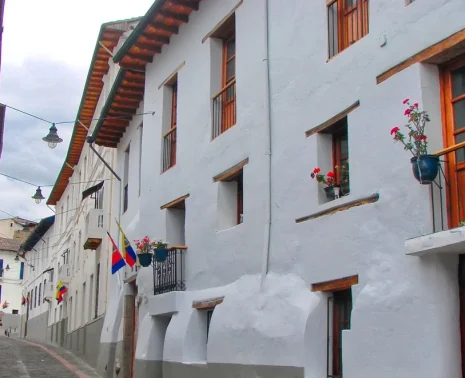
Ecuador Private Travel and the Value of Experiencing Contrast Thoughtfully
Ecuador is one of South America’s most concentrated countries emotionally and geographically. Within rela...
Read Post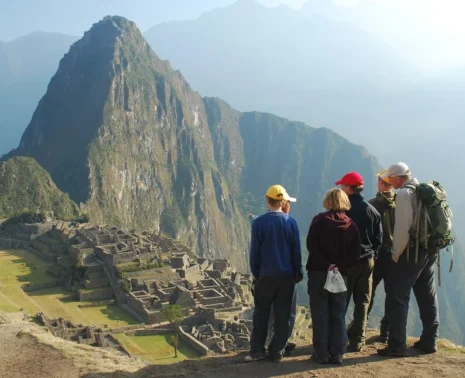
Best Peru Family Itineraries and the Importance of Traveling at the Right Rhythm Together
Peru is one of the rare destinations that genuinely works across generations. Children experience the count...
Read Post
8 DAYS
Luxury Machu Picchu Tours: Unveiling Peru’s Timeless Wonders
Cusco, Lima, Machu Picchu, Sacred Valley

8 DAYS
Peru Family Vacation: Journey to Machu Picchu and Beyond
Cusco, Lima, Machu Picchu, Sacred Valley

11 DAYS
Amazon River Cruise: A Luxury Journey Through the Amazon
Lima, Cusco, Sacred Valley, Machu Picchu, Iquitos, Amazon River