June 26, 2026 | by: Kuoda Authors


Colombia is often approached with surprise.
Travelers arrive expecting one version of the country and quickly discover another entirely. Cities feel more sophisticated than anticipated. Landscapes shift dramatically within short distances. Caribbean coastline gives way to coffee-covered mountains, colonial towns transition into contemporary urban centers, and regional identities feel distinct enough to belong to separate countries altogether.
This complexity is what makes Colombia private journeys particularly valuable.
Colombia does not reveal itself clearly through fast travel or standardized itineraries. The country is layered emotionally and geographically, and the quality of the experience depends heavily on how travelers move between those layers. Journeys that appear efficient on paper often feel fragmented in practice because Colombia’s rhythm changes significantly from one region to another.
The strongest experiences are not built around covering the most territory. They are built around understanding contrast.
Colombia Is Defined by Regional Identity
One of the most important things travelers discover in Colombia is how strongly regional culture shapes the experience.
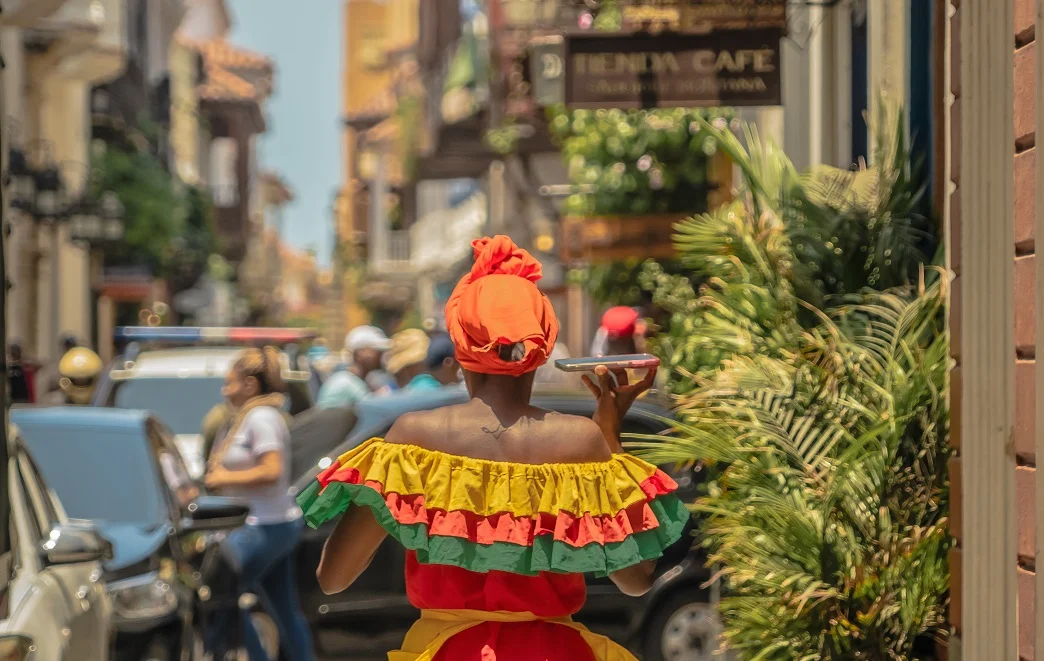
Cartagena feels entirely different from Medellín. The Coffee Region carries a slower, more agricultural rhythm compared to Bogotá’s intellectual and political atmosphere. Caribbean Colombia operates through warmth, music, and coastal energy, while the Andes introduce cooler climates, mountain pacing, and more introspective urban environments.
These differences matter more than travelers initially expect.
Colombia private journeys succeed when itineraries acknowledge that travelers are not simply moving between destinations, but between entirely different emotional and cultural environments. The transitions themselves become part of the experience.
For example, Cartagena often works best not as a quick colonial stop, but as an atmospheric introduction to Colombia’s Caribbean identity before travelers move inland toward quieter coffee landscapes or contemporary cities. Medellín creates a very different kind of immersion, shaped less by architecture and more by transformation, urban evolution, and local perspective.
The country becomes more coherent when travelers experience these shifts gradually rather than rapidly.
Why Colombia Requires Thoughtful Sequencing
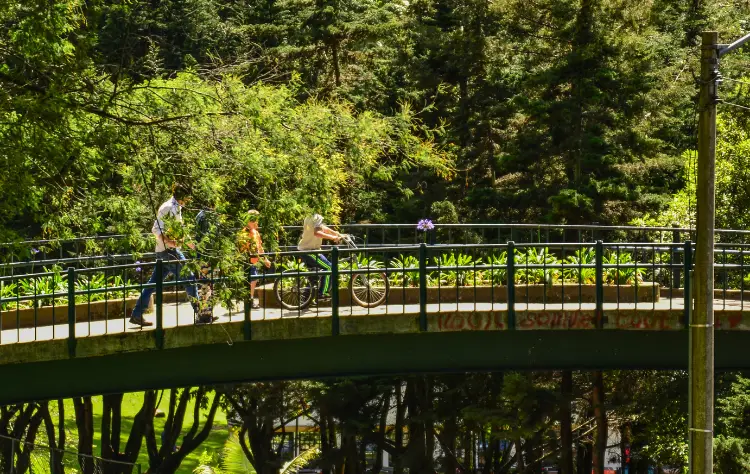
Colombia’s geography creates a surprising amount of variation within relatively short distances.
Altitude changes, climate shifts, domestic flight logistics, and regional pacing all influence how naturally the journey unfolds. Travelers who attempt to combine too many environments too quickly often spend much of the trip adjusting physically and emotionally rather than absorbing the destination itself.
This is where thoughtful sequencing becomes essential.
A well-designed Colombia private journey considers:
- Altitude transitions
- Emotional pacing
- Regional contrast
- Energy management
- Continuity between environments
The Coffee Region, for example, often functions beautifully between urban destinations because it slows the pace naturally. Smaller towns, mountain landscapes, and agricultural rhythms create decompression within the itinerary itself. Cartagena, on the other hand, tends to work best when travelers have enough time to move beyond daytime tourism and experience the city’s evening atmosphere, slower mornings, and quieter corners beyond the busiest historic streets.
The strongest journeys are shaped less by logistics alone and more by rhythm.
Cartagena Beyond the Postcards
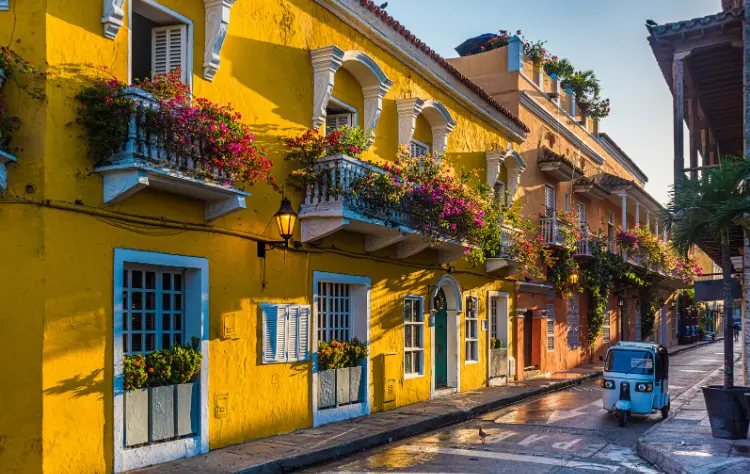
Cartagena is frequently the entry point for Colombia private journeys, but travelers often misunderstand the city initially.
Yes, the colonial architecture is visually striking. But Cartagena becomes more interesting once travelers move beyond the surface beauty and begin understanding the city through atmosphere and timing.
The historic center changes dramatically throughout the day. Early mornings feel entirely different from evenings. The surrounding Caribbean influence shapes music, cuisine, social rhythm, and even the pace of movement through the city itself.
Private exploration matters here because Cartagena can become performative when approached only through its most visible attractions.
- The strongest experiences often involve:
- Slower neighborhood exploration
- Thoughtful culinary encounters
- Time outside peak hours
- Contextual understanding of the city’s layered history
- Balancing the historic center with quieter coastal or cultural experiences
Cartagena rewards travelers who stay long enough for the city to feel lived in rather than simply observed.
Medellín and the Complexity of Reinvention
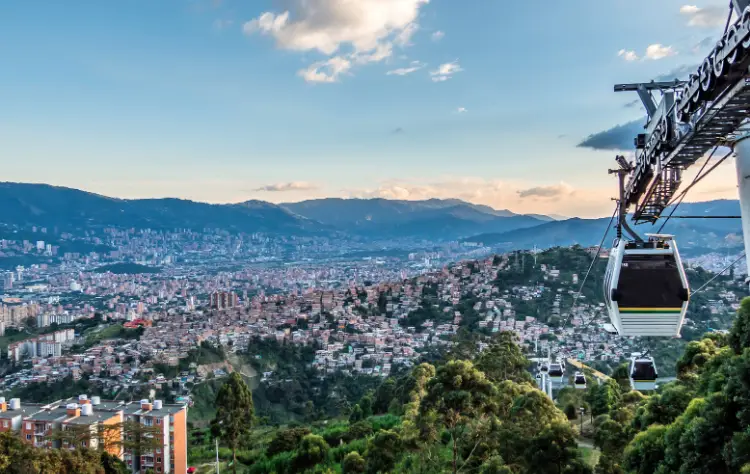
Few cities in South America have transformed international perception as dramatically as Medellín.
But one of the challenges of modern travel in Medellín is avoiding oversimplification. The city is often framed entirely through narratives of reinvention, innovation, or urban transformation. While these themes matter, Medellín is more nuanced than its global reputation suggests.
Colombia private journeys become stronger when Medellín is approached through local perspective rather than generalized storytelling.
The city’s relationship with public space, transportation, contemporary culture, and mountain geography creates a distinctive urban rhythm. Medellín feels highly dynamic, but also deeply local. Neighborhood identity remains strong, and travelers benefit from understanding how the city functions socially and culturally rather than focusing solely on historical transformation narratives.
This is where private guiding and thoughtful pacing matter enormously.
Medellín rewards curiosity and context.
The Coffee Region and the Luxury of Slowing Down
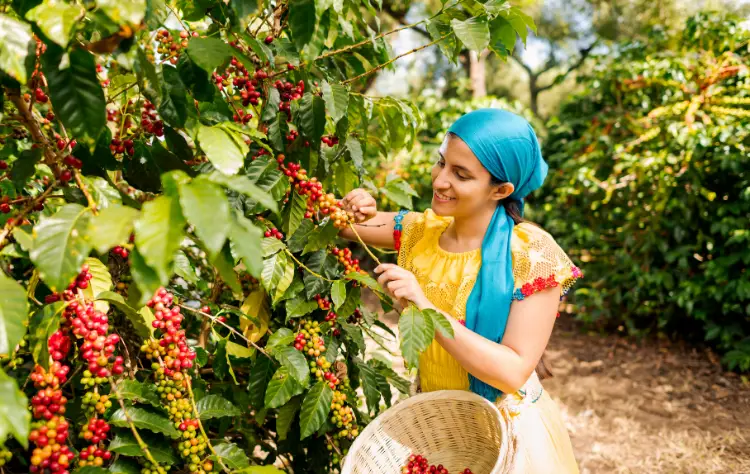
The Coffee Region often becomes the emotional balance point within Colombia private journeys.
After urban exploration or coastal environments, the landscape changes dramatically. Hills soften the pace. Agricultural routines shape daily life. Smaller towns create a stronger relationship between travelers and local rhythm.
Luxury in Colombia’s coffee country is increasingly defined through stillness and atmosphere rather than excess.
Travelers spend time:
- Moving slowly through plantations
- Understanding cultivation processes
- Observing changing mountain weather
- Engaging with local food traditions
- Exploring villages where pace itself becomes part of the experience
The region also demonstrates why Colombia should not be rushed. The quality of the experience emerges gradually through continuity and immersion rather than through isolated attractions.
Why Private Travel Matters in Colombia
Colombia remains a destination where local interpretation changes the experience profoundly.
Travelers can certainly navigate parts of the country independently, but private journeys provide a level of continuity, context, and flexibility that becomes especially valuable in a destination defined by regional variation.
Strong local guidance helps travelers understand:
- How regional identities differ
- How local conditions shape daily life
- How to move through cities naturally
- Where timing matters most
- How to experience Colombia beyond surface-level tourism patterns
From within South America, operational awareness also matters significantly in Colombia. Domestic flight schedules, regional weather patterns, traffic conditions, and local events can all alter the flow of the journey in ways travelers rarely anticipate independently.
The strongest experiences feel smooth not because Colombia is simple operationally, but because the complexity has already been thoughtfully managed.
Sustainability and Human Connection
Colombia private journeys increasingly center around responsible engagement rather than consumption-driven travel.
The country’s diversity creates extraordinary opportunities for meaningful local interaction, but this requires slower pacing and more thoughtful design than conventional tourism structures often allow.
Smaller-scale experiences, locally rooted guiding, regional hospitality partnerships, and deeper cultural immersion tend to create stronger experiences while also supporting more sustainable tourism patterns.
Travel becomes more rewarding when travelers feel connected not only to the landscapes, but to the people and rhythms shaping them.
FAQs
What are Colombia private journeys?What are Colombia private journeys?
Colombia private journeys are personalized travel experiences designed around the traveler’s interests, pace, and preferred style of exploration, with private guiding, flexible logistics, and thoughtful regional sequencing.
What regions should I include in a Colombia private journey?
Many travelers combine Cartagena, Medellín, and the Coffee Region, while others may include Bogotá, Tayrona, Barichara, or the Pacific Coast depending on their interests and travel style.
How many days should I spend in Colombia?
Most thoughtfully paced Colombia journeys benefit from 10 to 14 days, especially when combining multiple regions with different climates and rhythms.
Is Colombia good for luxury private travel?
Yes. Colombia offers strong regional diversity, sophisticated hospitality, cultural depth, and increasingly refined private travel experiences when approached through thoughtful pacing and local expertise.
A Country That Changes Through Movement
Colombia private journeys often leave travelers remembering transitions as much as destinations themselves. The country reveals itself through contrast: warm Caribbean evenings followed by cool mountain mornings, energetic cities balanced by quieter agricultural landscapes, contemporary culture existing alongside deeply rooted regional traditions. Colombia does not unfold through a single narrative. It becomes meaningful gradually, through movement, pacing, and the realization that the country’s complexity is not something to simplify, but something to experience with enough patience and perspective to let its different rhythms connect naturally over time.

Patagonia Trekking and the Discipline of Moving Through Open Space
Patagonia does not reveal itself quickly. It exists at a scale that resists compression. Distances are wide...
Read Post
Ecuador Private Travel and the Value of Experiencing Contrast Thoughtfully
Ecuador is one of South America’s most concentrated countries emotionally and geographically. Within rela...
Read Post
Best Peru Family Itineraries and the Importance of Traveling at the Right Rhythm Together
Peru is one of the rare destinations that genuinely works across generations. Children experience the count...
Read Post
8 DAYS
Luxury Machu Picchu Tours: Unveiling Peru’s Timeless Wonders
Cusco, Lima, Machu Picchu, Sacred Valley

8 DAYS
Peru Family Vacation: Journey to Machu Picchu and Beyond
Cusco, Lima, Machu Picchu, Sacred Valley

11 DAYS
Amazon River Cruise: A Luxury Journey Through the Amazon
Lima, Cusco, Sacred Valley, Machu Picchu, Iquitos, Amazon River