June 24, 2026 | by: Kuoda Authors


Argentina is not a destination that reveals itself through a single narrative. The country stretches across extraordinary geographic and cultural contrasts, from subtropical wetlands and vineyards to glacial Patagonia and cosmopolitan Buenos Aires. What makes luxury travel Argentina so compelling is not simply the diversity itself, but the way these regions interact when experienced thoughtfully together.
Argentina rewards travelers who understand that the journey depends less on how much territory is covered and more on how transitions are managed between entirely different emotional landscapes.
Buenos Aires moves at one rhythm. Patagonia moves at another. Mendoza introduces something quieter still.
The challenge is not choosing where to go. It is understanding how these regions should be sequenced, balanced, and experienced in relation to one another.
Luxury in Argentina increasingly lies in this ability to move through contrast without fragmentation.
Why Argentina Is Best Experienced Through Regional Balance
Many travelers underestimate the scale of Argentina before arriving. Distances are considerable, climates shift dramatically across the country, and each region carries its own identity rather than functioning as variations of a single destination.
Luxury travel Argentina works best when itineraries acknowledge these distinctions instead of compressing them.
Patagonia, for example, demands a completely different pace than Buenos Aires. The city invites late evenings, architecture, literature, cafés, and long meals shaped around conversation and movement through distinct neighborhoods. Patagonia strips much of that away. The experience becomes more elemental, built around weather, silence, open landscape, and physical scale.
Travelers who move too abruptly between these environments often experience emotional disconnection rather than continuity.
Thoughtful sequencing changes this.
Buenos Aires frequently works best at the beginning of the journey, allowing travelers to settle gradually into Argentina’s cultural rhythm before moving south into Patagonia’s remoteness. Mendoza often creates a softer transition either before or after Patagonia because wine country naturally slows the pace and recenters the experience around landscape, gastronomy, and stillness.
Argentina becomes more coherent when travelers understand the relationship between regions rather than approaching them individually.
Buenos Aires Is More Important Than Many Travelers Expect
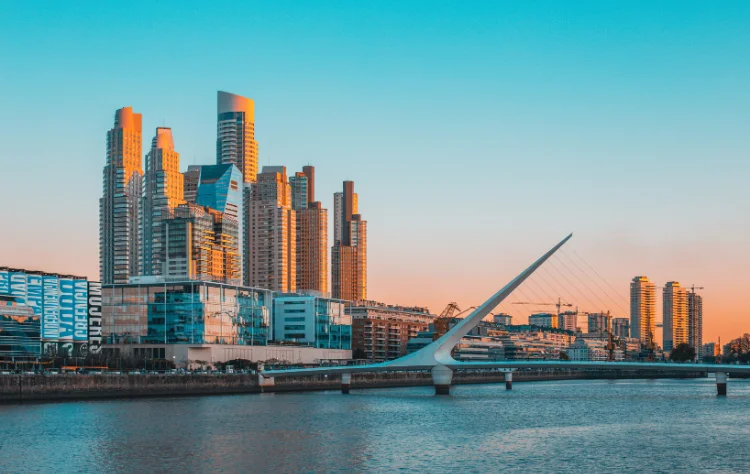
One of the most common mistakes in luxury travel Argentina itineraries is treating Buenos Aires as a brief stopover rather than an essential part of understanding the country itself.
The city establishes emotional context for the journey.
Argentina’s relationship with Europe, immigration, literature, architecture, politics, and gastronomy all become visible in Buenos Aires before travelers encounter the country’s more remote regions. Without that foundation, Patagonia and the interior often feel visually impressive but culturally disconnected.
At the same time, Buenos Aires should not be overprogrammed.
The city reveals itself gradually through pacing rather than sightseeing density. Long lunches, late dinners, local cafés, neighborhood walks, private culinary experiences, and slower movement through districts such as Recoleta, Palermo, or San Telmo often create more meaningful understanding than rigid activity schedules.
Luxury here is not built around exclusivity alone. It is built around rhythm.
Travelers benefit from enough flexibility to respond naturally to the city rather than constantly managing appointments and movement.
Patagonia and the Value of Space
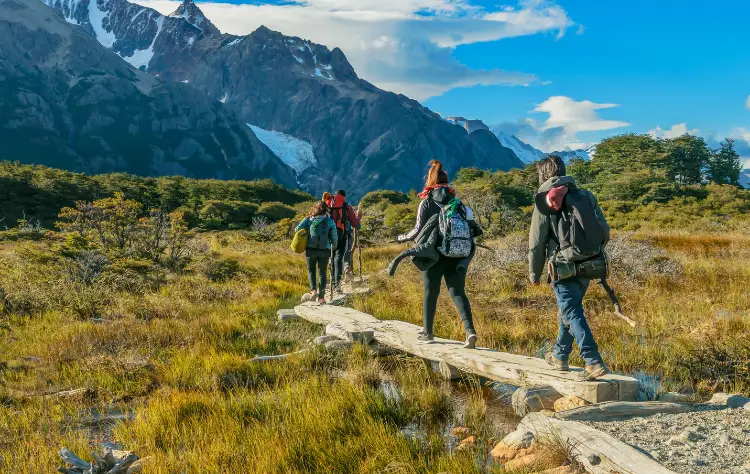
Patagonia changes how travelers perceive time.
The region operates on a scale that resists urgency. Weather shifts constantly, distances remain vast, and landscapes often feel intentionally sparse rather than dramatic in an immediate way. Travelers expecting constant stimulation sometimes miss what makes Patagonia extraordinary in the first place.
Luxury travel Argentina becomes particularly powerful in Patagonia when itineraries allow enough stillness for the landscape to register fully.
This often means fewer lodge changes, longer stays, and more intentional pacing between excursions. Travelers who attempt to combine too many Patagonian regions within limited timeframes frequently spend more energy managing transfers than absorbing the environment itself.
Patagonia rewards restraint.
A morning observing changing light across Torres del Paine or Los Glaciares often becomes more memorable than an aggressively scheduled sequence of excursions. The strongest experiences emerge gradually through weather, silence, and repetition rather than spectacle alone.
This is also where operational knowledge matters considerably. Patagonia’s logistics are highly sensitive to weather conditions, flight variability, and seasonal timing. Designing travel from within South America allows greater flexibility and realism around how the region actually functions operationally rather than how it appears on a map.
Mendoza and the Evolution of Luxury in Argentina
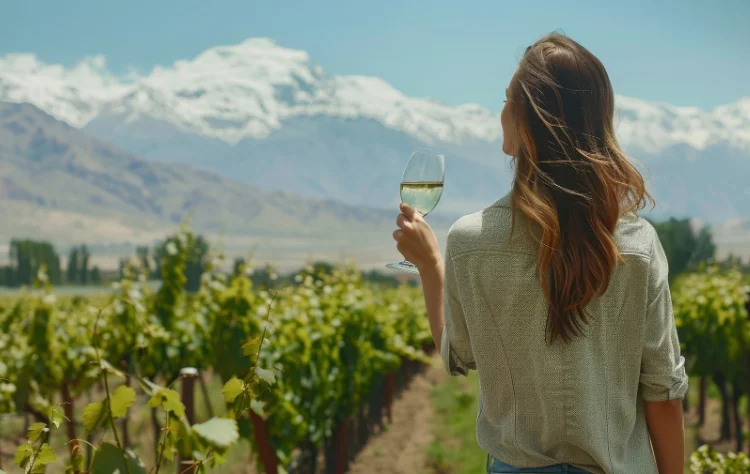
Mendoza reflects a broader evolution in luxury travel Argentina over the past decade.
The region is no longer experienced solely through wine tasting. Increasingly, travelers are drawn to the balance Mendoza creates between gastronomy, landscape, architecture, wellness, and slower forms of immersion.
The Andes remain visually present throughout the region, but Mendoza’s emotional tone differs significantly from Peru or Patagonia. The experience is softer, more grounded in atmosphere than movement.
This changes how travelers engage with luxury itself.
The strongest Mendoza experiences often involve private vineyard visits shaped around producers rather than volume, meals integrated into the landscape rather than separated from it, and accommodations that emphasize quiet positioning over excess.
Mendoza also works exceptionally well as a decompression point within larger Argentina itineraries.
After Patagonia particularly, the region allows travelers to shift gradually from physical immersion into a slower social and culinary rhythm before returning home.
Why Personalization Matters More in Argentina Than Travelers Expect
Argentina does not function particularly well through standardized itineraries.
Travelers interested in food, architecture, horseback riding, photography, hiking, wine, culture, or wildlife may require completely different pacing structures even when visiting similar regions. The emotional rhythm of the journey changes significantly depending on interests, energy levels, seasonality, and travel style.
Luxury travel Argentina succeeds when itineraries are shaped around these distinctions rather than built through fixed templates.
For some travelers, Patagonia should dominate the journey. Others benefit more from balancing urban culture and wine regions. Families often require different pacing entirely compared to couples or solo travelers.
This is where thoughtful curation becomes essential.
The strongest journeys feel individually constructed rather than assembled from interchangeable components.
Sustainability and Long-Term Perspective
Luxury travel Argentina increasingly intersects with questions of environmental responsibility and regional preservation, particularly in Patagonia.
The landscapes travelers come to experience are sensitive to tourism pressure, infrastructure expansion, and environmental change. Responsible travel design matters because Patagonia’s value lies largely in its scale, ecological integrity, and sense of remoteness.
More thoughtful pacing naturally supports more sustainable travel patterns.
Longer stays, reduced unnecessary movement, stronger regional engagement, and partnerships with conservation-oriented lodges and local operators all contribute to preserving the environments surrounding the experience itself.
At the same time, sustainability in Argentina also involves cultural continuity. Supporting local producers, regional culinary traditions, family-run vineyards, and locally rooted guiding helps preserve the depth that makes the destination meaningful beyond aesthetics alone.
FAQs
What is the best luxury travel Argentina itinerary?
The best luxury travel Argentina itinerary depends on the traveler’s interests and pacing preferences, but many journeys combine Buenos Aires, Patagonia, and Mendoza to create balance between culture, landscape, and gastronomy.
How many days do you need for luxury travel in Argentina?
Most thoughtfully paced Argentina journeys benefit from at least 10 to 14 days, especially when combining multiple regions due to the country’s scale and travel distances.
When is the best time for luxury travel Argentina experiences?
Timing depends on the regions included. Patagonia is strongest during the southern summer months from November through March, while Buenos Aires and Mendoza can be enjoyed across broader seasonal windows.
Is Patagonia essential in luxury travel Argentina trips?
For many travelers, Patagonia becomes one of the defining experiences of Argentina because of its scale and environmental beauty. However, the ideal itinerary depends on whether travelers prioritize landscape, culture, gastronomy, or slower immersion.
A Country Defined by Contrast
Luxury travel Argentina is ultimately shaped less by individual destinations than by contrast itself. The country moves between urban sophistication, remote wilderness, vineyard landscapes, and cultural depth with unusual fluidity when experienced thoughtfully. The strongest journeys understand how to manage those transitions carefully, allowing each region enough space to retain its identity while still contributing to a larger emotional continuity. Argentina does not ask travelers simply to see more. It asks them to move differently through scale, rhythm, and landscape altogether.

Patagonia Trekking and the Discipline of Moving Through Open Space
Patagonia does not reveal itself quickly. It exists at a scale that resists compression. Distances are wide...
Read Post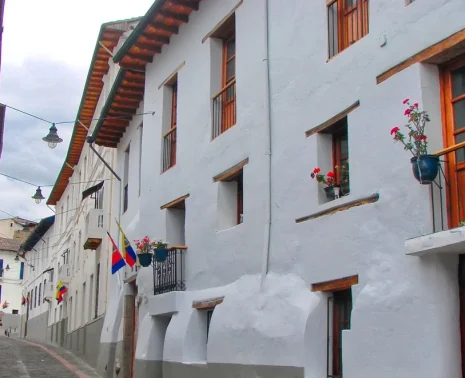
Ecuador Private Travel and the Value of Experiencing Contrast Thoughtfully
Ecuador is one of South America’s most concentrated countries emotionally and geographically. Within rela...
Read Post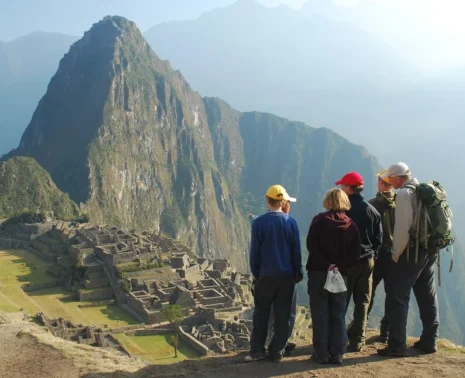
Best Peru Family Itineraries and the Importance of Traveling at the Right Rhythm Together
Peru is one of the rare destinations that genuinely works across generations. Children experience the count...
Read Post
8 DAYS
Luxury Machu Picchu Tours: Unveiling Peru’s Timeless Wonders
Cusco, Lima, Machu Picchu, Sacred Valley

8 DAYS
Peru Family Vacation: Journey to Machu Picchu and Beyond
Cusco, Lima, Machu Picchu, Sacred Valley

11 DAYS
Amazon River Cruise: A Luxury Journey Through the Amazon
Lima, Cusco, Sacred Valley, Machu Picchu, Iquitos, Amazon River