May 20, 2026 | by: Kuoda Authors


Introduction
Peru is one of those countries people think they understand before they arrive.
The names are familiar. Lima. Cusco. Machu Picchu. The Sacred Valley. Lake Titicaca. The Amazon. Yet familiarity can be misleading. Peru is not a destination that yields its depth through speed, nor through a fixed route repeated for every traveler. It is a country of altitude shifts, regional identities, agricultural intelligence, ceremonial landscapes, and living traditions that continue far beyond the archaeological record.
That is why the phrase tours Peru deserves a more careful interpretation than the search term suggests.
For a discerning traveler, the real question is not which tour to join. It is how Peru should be experienced if one wants to understand it properly. How to move through the country without reducing it to logistics. How to gain access to its most important places while still preserving rhythm, privacy, and a sense of personal discovery. How to travel with enough structure that everything works, but enough flexibility that the journey still feels alive.
At Kuoda Travel, based in Cusco and shaped by long-standing local expertise, the answer begins with a simple distinction. Peru is best experienced not through a standardized tour, but through a thoughtfully designed private journey.
Tours Peru Through the Lens of Design, Not Standardization
The problem with most interpretations of tours Peru is not the places included. It is the logic behind how they are assembled.
Too often, Peru is approached as a checklist. A night in Lima. A rushed transfer to Cusco. A quick pass through the Sacred Valley. A day at Machu Picchu. Perhaps an added extension to the Amazon or Lake Titicaca. The traveler sees the names, but not always the country.
A more intelligent approach begins by recognizing that Peru is defined by transitions. Coastal desert gives way to the Andes. The Andes descend toward cloud forest. Agricultural systems, dialects, architecture, and cuisine change from one region to the next. Good planning does not flatten those differences. It gives them shape.
Kuoda’s work in Peru is grounded in this principle. The journey is not built around what can be added. It is built around what should come first, what should follow, and where space is needed. Altitude is respected. Distances are considered. Historic significance is interpreted. Comfort is woven in so discreetly that it never competes with place.
When travelers search tours Peru, what many of them are actually looking for is this level of discernment.
Tours Peru Begin Best in Lima, But Rarely End There
Peru’s capital is often treated as a point of arrival rather than a destination in its own right. That is a missed opportunity.
Lima introduces Peru with subtlety. It is a coastal city shaped by Pacific light, colonial inheritance, migration, and one of the most compelling culinary cultures in the hemisphere. A well-designed beginning here allows travelers to orient themselves before moving inland. Private city explorations can introduce the historic center, contemporary districts such as Barranco and Miraflores, and the country’s broader cultural complexity through museums, architecture, and food.
The point is not to overstate Lima’s role. It is to let it do what it does best: prepare the traveler. Peru is understood more fully when one begins with its coastal identity before ascending into the Andes.
In that sense, the strongest tours Peru itineraries do not rush beyond Lima. They use it as a measured first chapter.
The Sacred Valley: Where the Journey Slows and Deepens
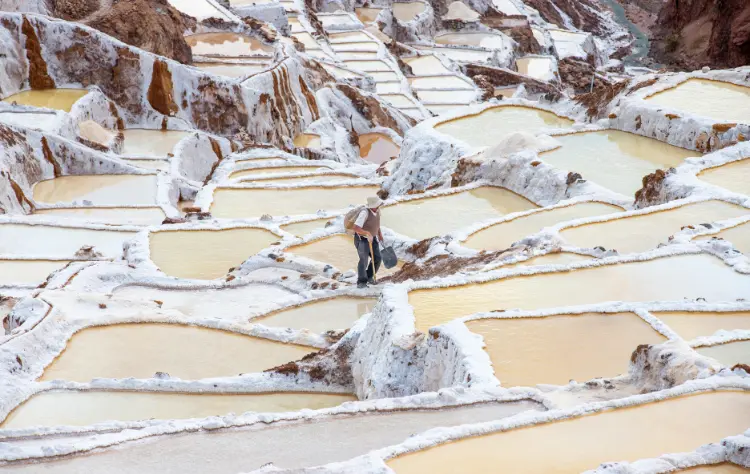
For many travelers, the most skillful decision in Peru happens before Machu Picchu.
After arrival in the Andes, Kuoda typically favors the Sacred Valley over an immediate overnight in Cusco. This is both practical and experiential. At a lower elevation than Cusco, the valley allows for gentler acclimatization. Just as importantly, it introduces the agricultural and spiritual intelligence of the Andes in a way that feels spacious rather than compressed.
This is where Peru begins to reveal its internal logic. At Moray, circular terraces suggest a sophisticated understanding of microclimates and cultivation. At Maras, the salt pans continue a pre-Hispanic system of extraction still maintained through communal stewardship. Villages across the valley retain textile traditions and agricultural rhythms that place the archaeological story within a living continuum.
The right properties here matter. Kuoda’s preferred accommodations in the Sacred Valley are not interchangeable luxury hotels dropped into scenery. They are lodges, haciendas, and boutique retreats that allow the landscape to remain central. Gardens open toward mountains. Interiors feel grounded. Service is highly attentive, but never theatrical.
For travelers exploring tours Peru, the Sacred Valley is often the place where the journey stops feeling scheduled and begins to feel personal.
Machu Picchu: Context Changes Everything
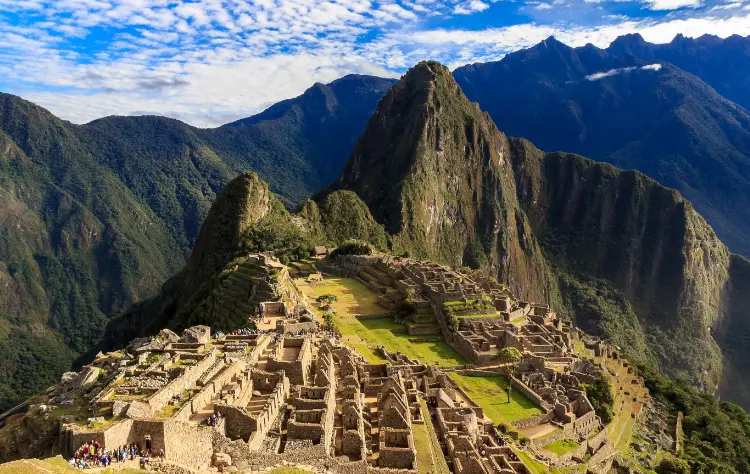
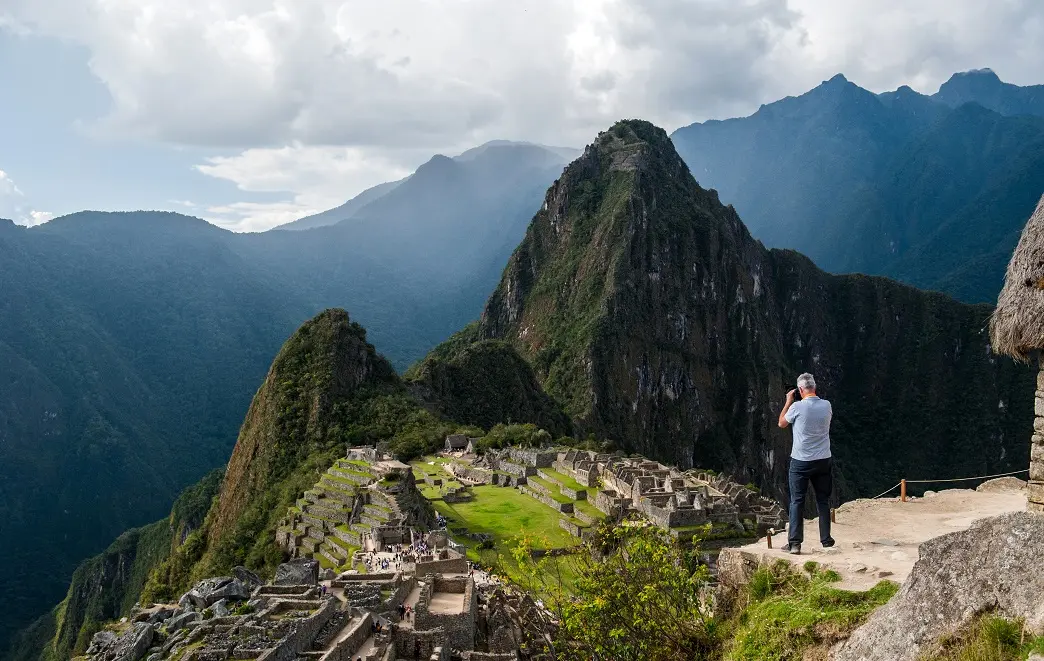
Machu Picchu is the name that draws many travelers to Peru, but it is not best approached as an isolated event.
Its meaning deepens when it is framed by the Sacred Valley, by Andean cosmology, by the engineering language of terraces, water channels, and ceremonial architecture encountered elsewhere. Arrival also matters. For some travelers, the rail journey through the valley offers the most graceful transition. For others, the Inca Trail provides a more physically engaged approach. In both cases, timing, pacing, and guiding shape the experience far more than simple access.
Kuoda’s philosophy around Machu Picchu is rooted in interpretation and rhythm. Private guiding allows the site to be read rather than simply seen. Entry timing is calibrated carefully to reduce fatigue and crowd pressure. Many journeys also include time before or after the visit to allow the experience to settle rather than disappear into a same-day transfer.
This is one of the clearest examples of why tours Peru is too limited a phrase for what thoughtful travel in the country actually requires. At Machu Picchu, the difference between being brought there and being prepared for it is profound.
Cusco: The Intellectual and Emotional Center of the Andes
If Lima introduces Peru and Machu Picchu crystallizes it, Cusco gives it continuity.
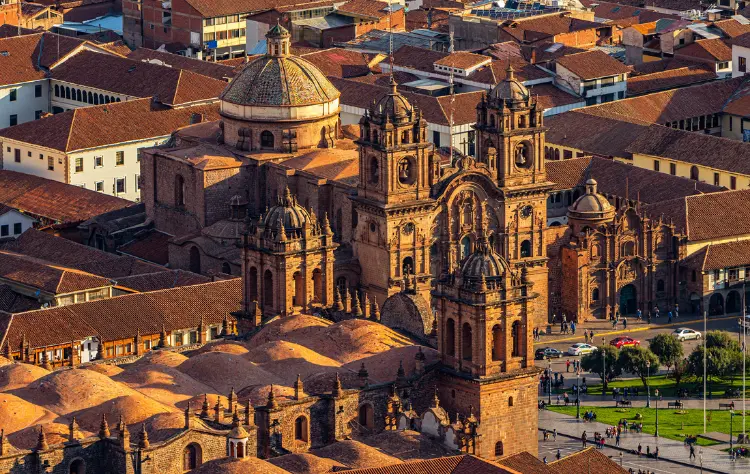
Kuoda’s base in Cusco is not incidental. It reflects the city’s central role in understanding Peru. Here, Inca stonework supports colonial churches and convents. Markets, plazas, and neighborhoods still reflect patterns of exchange and community life that have evolved without losing their structure. It is a city that rewards repeated walks, strong guiding, and unhurried attention.
A thoughtful stay in Cusco may include historical interpretation in the center, access to less obvious sites, conversations around Andean worldview, and time simply to inhabit the city’s atmosphere. The point is not to overload the schedule. It is to let Cusco become more than a transit point on the way to Machu Picchu.
For travelers evaluating tours Peru, this matters. The best journeys do not treat Cusco as infrastructure. They recognize it as a cultural and emotional anchor.
Beyond the South: Peru Is Larger Than Its Most Famous Circuit
One of Peru’s strengths is that it can support both a first journey and many returns.
For a first-time traveler, the southern Andes may form the core. But beyond that, Peru opens outward. The Amazon introduces a radically different expression of the country, whether through a refined river cruise from Iquitos or a lodge-based stay in the rainforest near Puerto Maldonado. Lake Titicaca offers high-altitude stillness and living communities whose relationship to water and tradition remains deeply rooted. Northern Peru, including Kuelap and the Chachapoyas region, reveals a different civilizational story altogether.
This is where Kuoda’s expertise as a local experience curator becomes especially important. Not every traveler should add another region. Not every famous destination belongs in every itinerary. Real luxury lies in editing. In knowing what to leave out. In understanding when a journey needs expansion and when it needs restraint.
That editorial discipline is what should define tours Peru for a discerning traveler.
Accommodations, Logistics, and the Invisible Work of Ease
Luxury in Peru is not excess. It is intelligent orchestration.
It is a boutique hotel in Lima that places you in the right district without noise or friction. It is a Sacred Valley lodge that lets the landscape settle the body before altitude does. It is a well-timed train, a guide whose expertise includes emotional intelligence, a transfer so smooth it disappears from memory, a second night somewhere because leaving too quickly would diminish the experience.
Kuoda’s role is not to overwhelm the traveler with visible service. It is to design the journey so well that effort becomes invisible. This is especially important in Peru, where geography can easily create fatigue if it is handled carelessly.
That is also why Kuoda’s on-the-ground presence in Cusco matters. Local coordination changes the experience. Adjustments can be made in real time. Nuance is not outsourced. The journey remains supported from within Peru, not simply sold from afar.
Sustainability and Community, Quietly Integrated
Peru’s cultural and natural wealth deserves more than admiration. It requires thoughtful engagement.
Kuoda works with partners who respect heritage sites, environmental realities, and local communities. Cultural encounters are arranged with care rather than performance. Small-scale properties are prioritized where possible. Climate-positive travel practices are part of the company’s broader philosophy, and community engagement through the Kaypi Kunan Foundation reflects a longer view of responsibility.
None of this needs to be announced loudly to matter. In Peru, as elsewhere, the most meaningful stewardship is often the least performative.
Recognition as a Tripadvisor Travelers’ Choice 2025 winner reflects not only guest satisfaction, but a consistency of care that becomes visible over time.
Frequently Asked Questions About Tours Peru
What do travelers usually mean when they search for tours Peru?
Most are not actually looking for a standardized group tour. They are looking for the best way to experience Peru’s major regions with the right pacing, access, and guidance. In practice, that often means a private, tailor-made journey rather than a fixed tour format.
How many days are ideal for a Peru itinerary?
For a first journey, ten to fourteen days generally allows enough time for Lima, the Sacred Valley, Machu Picchu, and Cusco, with the possibility of adding the Amazon or Lake Titicaca if paced carefully.
Is it better to stay in the Sacred Valley before Cusco?
Often, yes. Beginning in the Sacred Valley allows for gentler acclimatization and provides cultural context that enriches the rest of the Andean journey.
Are private journeys better than traditional tours in Peru?
For travelers who value flexibility, comfort, cultural depth, and seamless logistics, private design offers a much stronger experience. Peru is too nuanced to be reduced to a one-size-fits-all format.
Peru, Composed Properly
Peru is one of the great travel experiences in the world, but it is not a country that should be consumed in fragments.
It asks for sequencing. For interpretation. For restraint where others add more, and depth where others move on too quickly. The phrase tours Peru may begin the search, but it should not define the journey.
The most meaningful way to travel here is quieter than that. More precise. More personal. Less like joining something predetermined, and more like entering a country through the right doors, in the right order, with the right perspective.
That is where Peru begins to feel not just impressive, but understood.
Best Time to Visit Peru: When to Go by Region & Experience
Planning a journey to Peru is an exciting step toward exploring a land of extraordinary diversity, from the so...
Read Post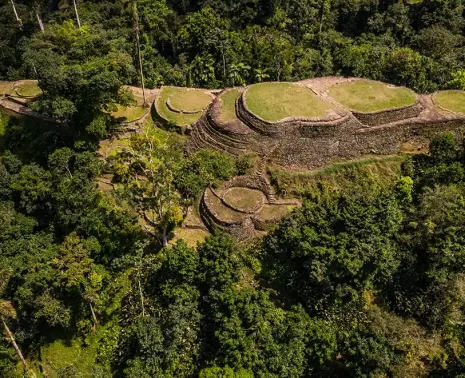
The Lost City Colombia and the Meaning of Reaching It
Some destinations are defined by what they are. Others by what it takes to reach them. The Lost City Col...
Read Post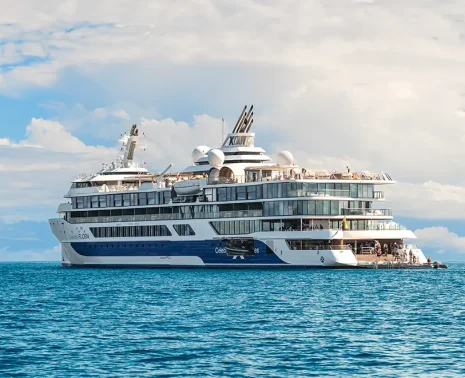
Best Galápagos Cruises: Choosing the Right Way to Experience the Islands
The phrase “best Galápagos cruises” suggests comparison. Ships, cabins, amenities, itineraries. It invite...
Read Post
8 DAYS
Luxury Machu Picchu Tours: Unveiling Peru’s Timeless Wonders
Cusco, Lima, Machu Picchu, Sacred Valley

8 DAYS
Peru Family Vacation: Journey to Machu Picchu and Beyond
Cusco, Lima, Machu Picchu, Sacred Valley

11 DAYS
Amazon River Cruise: A Luxury Journey Through the Amazon
Lima, Cusco, Sacred Valley, Machu Picchu, Iquitos, Amazon River