May 18, 2026 | by: Kuoda Authors


Introduction
The Galapagos Islands are often approached with a sense of expectation.
Wildlife encounters are assumed. Landscapes are imagined. The idea of remoteness is part of the appeal. Yet the experience itself depends less on what is seen and more on how one moves through the islands.
For travelers researching galapagos trips, the central question is not which island to visit first. It is how to structure the journey so that each environment can be understood in context. How to balance exploration with rest. How to experience the islands without feeling as though one is passing through them too quickly.
The Galapagos reward those who approach them with intention.
Galapagos Trips as a Matter of Structure
Unlike many destinations, the Galapagos are not experienced from a single base.
Movement between islands is essential. Wildlife varies by location. Landscapes shift between volcanic terrain, beaches, and marine environments.
The structure of galapagos trips therefore defines the experience.
Travelers typically choose between two approaches. A land-based journey, staying in small hotels on inhabited islands, or a vessel-based itinerary, moving continuously between remote sites.
Each offers a different rhythm. The choice is not about preference alone, but about how one wishes to engage with the islands.
Expedition Cruises: Access to the Remote
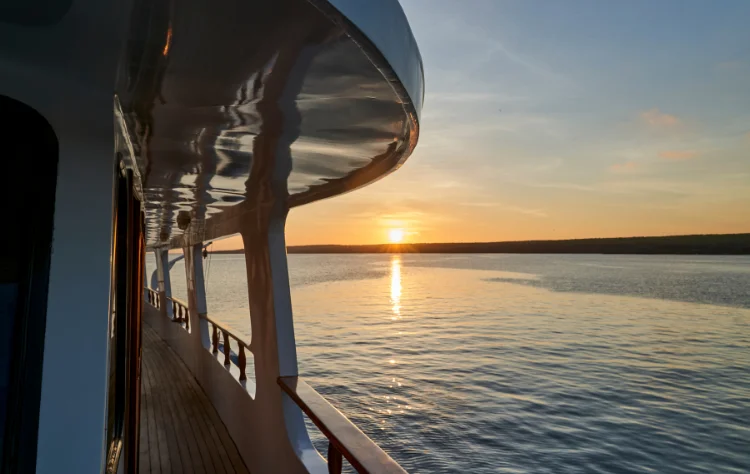
For those seeking deeper access, small expedition vessels provide entry to areas that cannot be reached otherwise.
Yachts and small ships navigate between islands, stopping at designated landing sites where wildlife remains undisturbed by permanent settlement. Daily excursions include guided walks, snorkeling, and zodiac exploration.
Among the most refined options is the Aqua Mare, offering an intimate onboard experience with limited guests and a strong focus on privacy.
The advantage of this approach lies in reach. Remote islands, varied ecosystems, and a continuous sense of movement define the journey.
For many travelers, this represents the most complete form of galapagos trips.
Land-Based Exploration: Stability and Flexibility
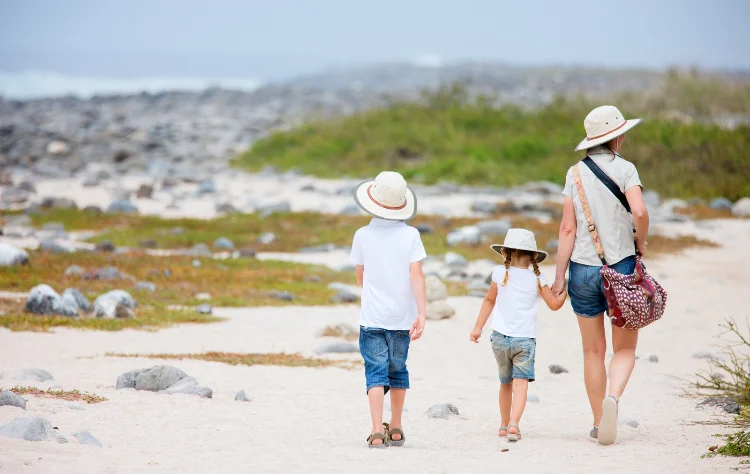
Alternatively, land-based itineraries focus on a small number of inhabited islands such as Santa Cruz Island and Isabela Island.
From these bases, daily excursions explore surrounding areas. The pace is more flexible, with evenings spent on land rather than at sea.
Boutique properties offer comfort and a sense of place, allowing travelers to experience local communities alongside natural environments.
Land-based galapagos trips appeal to those who prefer stability and shorter daily transitions, while still engaging with wildlife and landscapes.
Wildlife Encounters: Observation Without Interference
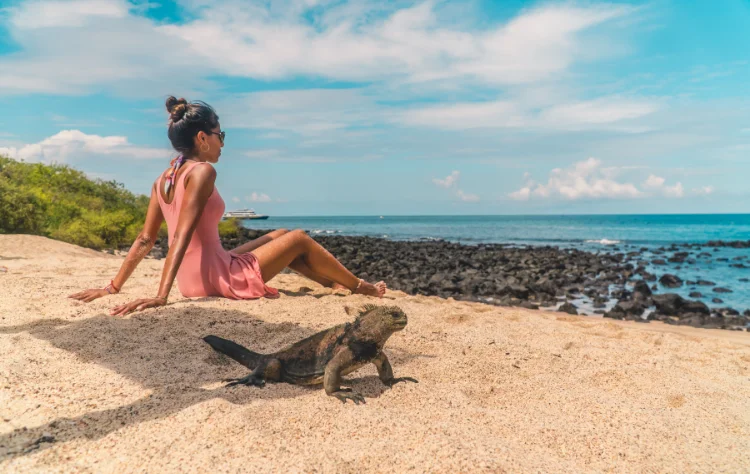
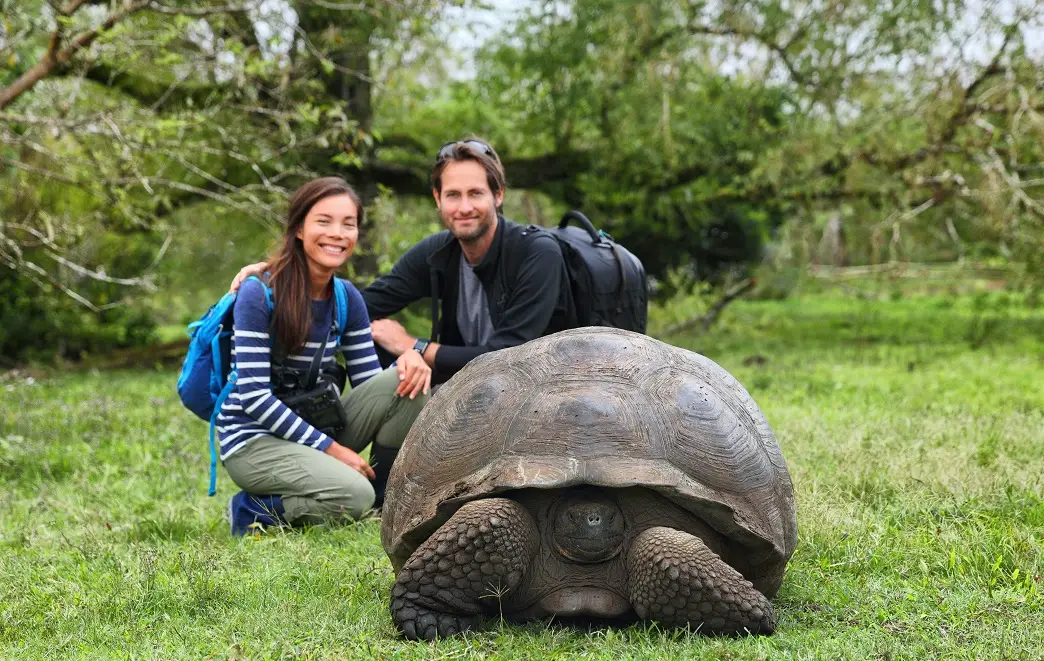
The defining feature of the Galapagos is its wildlife.
Species such as the Galapagos giant tortoise, marine iguanas, and blue-footed boobies move freely within their environments, largely unaffected by human presence.
Strict conservation regulations govern how visitors interact with wildlife. Distances are maintained. Movement is guided. The goal is observation rather than interaction.
Naturalist guides play a critical role, providing context about behavior, adaptation, and ecological balance.
Galapagos trips become meaningful not through proximity alone, but through understanding.
The Role of Naturalist Guiding
Every visitor to the Galapagos is accompanied by certified naturalist guides.
Their role extends beyond explanation. They interpret the islands as an evolving ecosystem shaped by volcanic activity, ocean currents, and isolation.
Guides provide insight into species behavior, geological formations, and conservation efforts. They also regulate movement to ensure minimal impact.
Kuoda works with guides who balance knowledge with restraint, allowing travelers to engage without overwhelming the experience.
This balance defines high-quality galapagos trips.
Integrating the Galapagos Into a South America Journey
Most journeys to the Galapagos begin in Quito or Guayaquil.
Time in Quito provides historical and cultural context before transitioning to the islands. The city’s colonial center and Andean setting introduce Ecuador’s broader identity.
Some travelers combine the Galapagos with the Ecuadorian cloud forest or Amazon, creating a more complete ecological journey.
Kuoda designs these transitions carefully, ensuring that flights, accommodations, and timing align seamlessly.
The islands remain central, but they are not isolated.
Accommodation and Onboard Experience
Whether on land or at sea, accommodation shapes the rhythm of galapagos trips.
On vessels, cabins are designed for comfort within a compact environment. Dining emphasizes fresh ingredients, often sourced locally. Common areas provide space for reflection and observation.
On land, boutique hotels offer more expansive settings, with access to outdoor areas and local communities.
Kuoda selects options that prioritize intimacy, service, and alignment with the surrounding environment.
Luxury remains understated.
Sustainability and Conservation
The Galapagos Islands are among the most carefully protected ecosystems in the world.
Visitor numbers are regulated. Routes are defined. Environmental guidelines are strictly enforced.
Responsible travel supports conservation efforts while ensuring that the islands remain protected for future generations.
Kuoda partners with operators who adhere to these standards, minimizing impact while maintaining access.
Through the Kaypi Kunan Foundation, Kuoda supports broader initiatives across South America that reinforce environmental stewardship and community engagement.
Recognition as a Tripadvisor Travelers’ Choice 2025 winner reflects continued trust among travelers who value thoughtful travel design.
Frequently Asked Questions About Galapagos Trips
How long should galapagos trips be?
Five to eight days allows for a meaningful exploration of multiple islands and ecosystems.
Are cruises better than land-based trips?
Each offers a different experience. Cruises provide access to remote areas, while land-based trips offer flexibility and stability.
When is the best time to visit the Galapagos?
The islands can be visited year-round, with seasonal variations affecting wildlife behavior and ocean conditions.
Is the Galapagos suitable for luxury travel?
Yes. Small vessels and boutique properties provide refined experiences while maintaining environmental responsibility.
Experiencing the Islands With Clarity
The Galapagos are not a place to move through quickly.
They require attention. Movement between islands becomes part of the experience. Wildlife reveals itself gradually. Landscapes shift in ways that feel subtle rather than dramatic.
Galapagos trips, when designed thoughtfully, allow these elements to align.
The result is not a collection of sightings, but a deeper understanding of how the islands function as a whole.

Bolivia Remote Landscapes and the Experience of Traveling Beyond Familiar Scale
Bolivia feels different from many destinations almost immediately. The landscapes appear larger, quieter, a...
Read Post
Bucket List Luxury Trips Peru and the Difference Between Seeing a Destination and Experiencing It Deeply
Peru appears on many travelers’ bucket lists long before they ever arrive there. For some, the image is i...
Read Post
Chile Curated Journeys and the Art of Traveling Through Contrast Thoughtfully
Chile is a country shaped by distance and contrast. The Atacama Desert feels almost extraterrestrial in its...
Read Post
8 DAYS
Luxury Machu Picchu Tours: Unveiling Peru’s Timeless Wonders
Cusco, Lima, Machu Picchu, Sacred Valley

8 DAYS
Peru Family Vacation: Journey to Machu Picchu and Beyond
Cusco, Lima, Machu Picchu, Sacred Valley

11 DAYS
Amazon River Cruise: A Luxury Journey Through the Amazon
Lima, Cusco, Sacred Valley, Machu Picchu, Iquitos, Amazon River