July 04, 2026 | by: Carlos Benavides


Peru is often described as a destination of history.
But history in Perurarely feels distant.
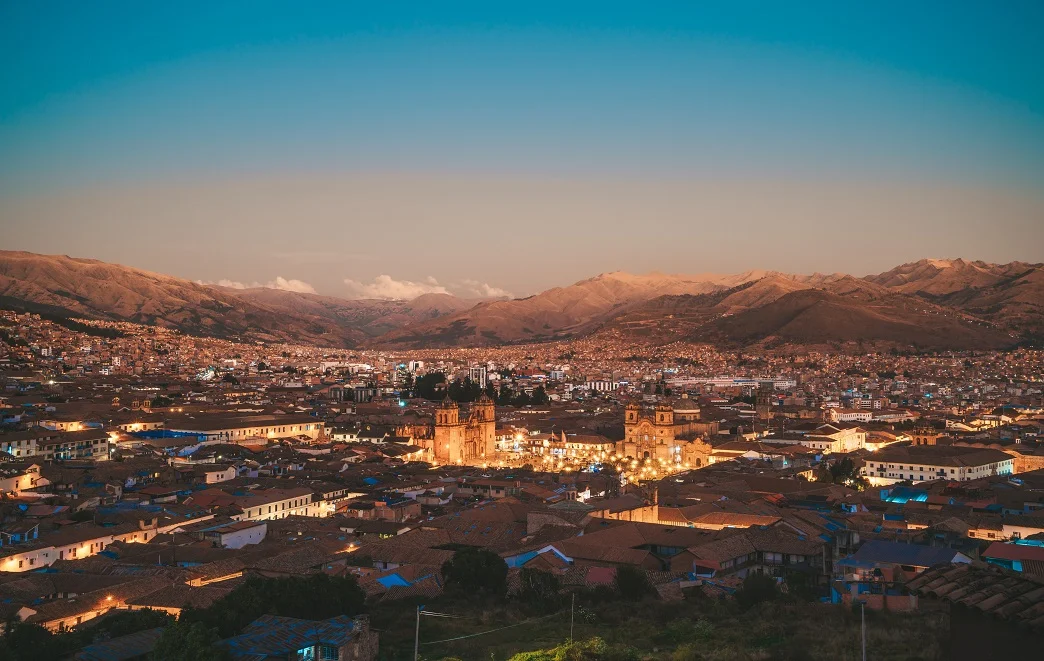
Travelers moving through the country quickly notice something unusual about the Andes: archaeological sites do not exist separately from contemporary life. Terraces built centuries ago still shape agriculture. Indigenous languages remain spoken throughout the highlands. Markets continue functioning within rhythms established long before modern tourism. Even major cities such as Cusco carry layers of continuity where Inca foundations remain physically embedded beneath colonial architecture and contemporary urban movement.
This is what makes Peru heritage travel fundamentally different from visiting historical monuments alone.
The country is not preserving the past as a closed chapter. In many regions, it is still living within it.
The strongest journeys therefore focus less on isolated landmarks and more on understanding continuity: how geography, culture, agriculture, spirituality, and daily life remain connected across generations within the Andes and beyond.
Heritage in Peru Is Experienced Through Landscape
One of the reasons Peru heritage travel feels so immersive is that the country’s history remains inseparable from the environment itself.
The Andes shaped everything:
- settlement patterns
- agriculture
- architecture
- spiritual systems
- trade routes
- political organization
Travelers begin recognizing this immediately in the Sacred Valley, where terraces still define the mountainsides much as they did during the Inca period. Villages continue operating within agricultural rhythms tied to altitude and seasonality. Archaeological sites do not feel artificially preserved outside the landscape. They remain structurally connected to it.
This continuity changes how travelers experience Peru.
Machu Picchu, for example, becomes more meaningful when understood not simply as an isolated wonder, but as part of a larger Andean system shaped by geography and movement through the mountains. Likewise, Cusco reveals itself differently once travelers begin recognizing how Indigenous foundations continue influencing the city physically and culturally beneath later colonial layers.
Peru heritage travel succeeds when travelers are given enough time and context to perceive these relationships gradually.
Why the Sacred Valley Matters So Much
Many travelers initially focus on Machu Picchu when planning heritage-focused journeys through Peru. Yet the Sacred Valley often becomes the region where deeper understanding begins.
The valley creates continuity between archaeology and contemporary life in a way that feels unusually immediate.
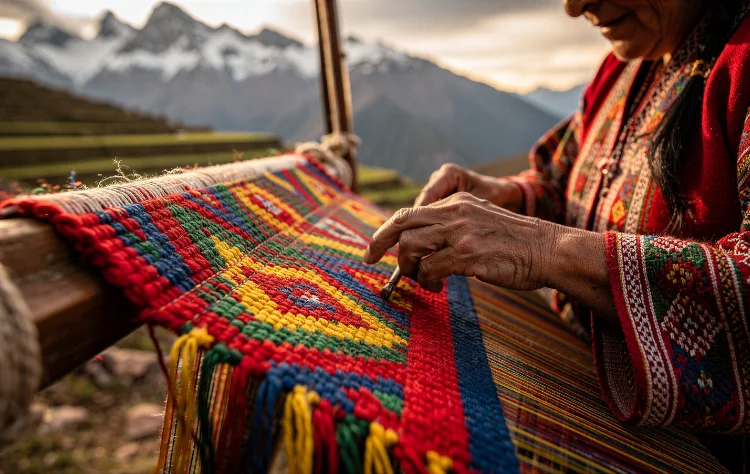
Agriculture remains visible everywhere. Traditional weaving communities continue preserving techniques passed across generations. Ceremonial practices connected to the Andes still shape local identity in many villages. The environment itself explains why the region became so central to Inca civilization historically.
This is why pacing matters so much here.
Travelers moving too quickly through the Sacred Valley often experience sites visually while missing the broader cultural structure surrounding them. A thoughtful Peru heritage travel experience allows the valley to unfold gradually through slower movement, stronger local interpretation, and enough continuity for travelers to recognize that the Andes remain culturally alive rather than historically frozen.
The valley teaches travelers how to experience Peru before they ever arrive at Machu Picchu itself.
Cusco and the Layers of History
Few cities in South America reveal historical layering as visibly as Cusco.
The city operates simultaneously through Indigenous, colonial, and contemporary identities without fully separating one from another. Inca stone foundations support Spanish colonial buildings. Quechua remains present within daily life. Religious festivals often combine Catholic and Andean spiritual traditions in ways that reflect centuries of cultural adaptation rather than replacement.
This complexity is what makes Cusco so important within Peru heritage travel.
The city is not experienced best through rushing between churches and archaeological sites. It becomes meaningful through understanding how history continues shaping urban life today:
- architecture
- language
- ceremony
- markets
- food
- social rhythm
Strong guiding matters enormously here because much of Cusco’s richness lies in interpretation rather than spectacle alone.
Travelers often begin recognizing that Peru’s heritage is not preserved separately from modern life. It continues influencing the present continuously and visibly.
Heritage Through Daily Life Rather Than Performance
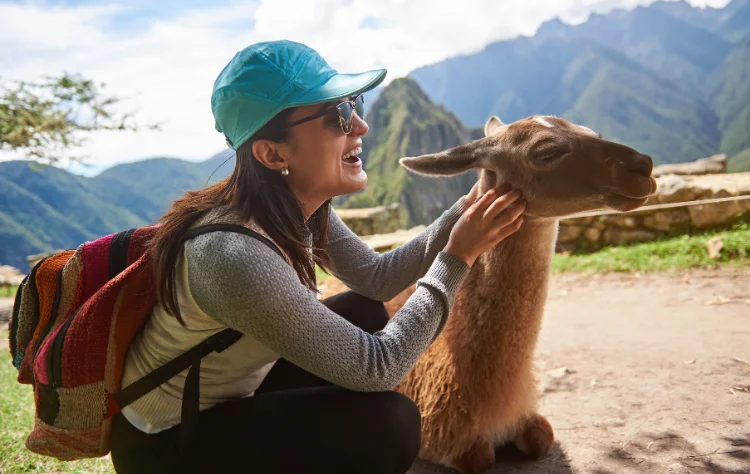
One of the challenges within heritage travel globally is that culture can easily become performative when designed primarily for tourism.
Peru often resists this simplification because so much continuity remains genuinely embedded within ordinary life. Markets still function for local communities first. Agricultural traditions remain practical rather than symbolic. Textile techniques are preserved not only as demonstrations, but as active forms of cultural identity and economic life.
This distinction matters.
The strongest Peru heritage travel experiences avoid reducing culture to staged observation. Instead, they create opportunities for travelers to engage with Peru as a living environment shaped by continuity across generations.
This usually requires:
- slower pacing
- smaller-scale experiences
- thoughtful local interpretation
- stronger community relationships
- enough time for context to emerge naturally
Travelers gain more through understanding how traditions remain relevant today than through highly theatrical presentations disconnected from local reality.
Why Peru’s Heritage Feels Emotionally Different
Many historically significant destinations around the world create admiration. Peru often creates emotional connection.
Part of this comes from the scale and beauty of the Andes themselves. But another reason is that Peru’s heritage still feels inhabited rather than preserved behind distance. Travelers sense that traditions remain active here:
- spiritually
- culturally
- agriculturally
- socially
The result is that Peru heritage travel often feels less like observing the past and more like moving through a civilization whose influence remains ongoing.
This changes the emotional rhythm of the journey.
Travelers begin noticing continuity everywhere:
- terraces still cultivated
- ceremonial practices still observed
- Indigenous languages still spoken
- local knowledge systems still shaping daily life
The country becomes less about isolated historical sites and more about understanding persistence across time.
Heritage and the Importance of Thoughtful Sequencing
Heritage travel in Peru also depends heavily on sequencing.
Travelers who arrive directly into high-altitude environments too aggressively often struggle to absorb the cultural depth surrounding them because physical adjustment dominates the experience initially. Likewise, itineraries overloaded with archaeological sites can create fatigue that reduces emotional engagement over time.
Thoughtful design changes this.
The strongest Peru heritage travel itineraries balance:
- altitude adaptation
- cultural intensity
- quieter moments
- regional transitions
- emotional pacing
The Sacred Valley often works beautifully before Cusco because it introduces the Andes gradually. Lima can provide important historical and culinary context before moving inland. Lake Titicaca adds another dimension of Indigenous continuity that expands the broader understanding of Andean civilization.
The journey becomes cumulative rather than repetitive.
Sustainability and Cultural Preservation
Heritage travel in Peru also carries responsibility.
Tourism affects archaeological preservation, local communities, cultural traditions, and environmental systems throughout the Andes. Responsible travel increasingly depends on supporting experiences that preserve continuity rather than reducing heritage to consumption.
This often means:
- slower travel
- deeper local engagement
- smaller-scale experiences
- respectful cultural interaction
- stronger local partnerships
Travelers experience Peru more meaningfully when they approach heritage as something still living rather than something completed long ago.
FAQs
What is Peru heritage travel?
Peru heritage travel focuses on experiencing the country through its living cultural traditions, archaeological history, Indigenous identity, and the continuity between past and present throughout the Andes and beyond.
What are the best destinations for heritage travel in Peru?
Many travelers focus on the Sacred Valley, Cusco, Machu Picchu, Lake Titicaca, and Lima to understand Peru’s historical and cultural complexity across different regions.
Why is Peru considered important for cultural heritage travel?
Peru preserves extraordinary archaeological sites while also maintaining strong Indigenous traditions, languages, agricultural systems, and cultural continuity that remain active within contemporary life.
How should Peru heritage travel be paced?
The strongest journeys allow gradual immersion, slower movement through the Andes, thoughtful altitude adaptation, and enough time for historical and cultural context to emerge naturally.
Where History Still Feels Present
Peru heritage travel often leaves travelers with the feeling that the past here was never entirely separated from the present. Over time, the country reveals itself less through isolated historical facts and more through continuity: stonework still shaping cities, agricultural systems still defining landscapes, traditions still embedded within ordinary life. Peru’s heritage feels unusually alive because it continues influencing how people move, speak, cultivate, celebrate, and understand the Andes today. The strongest journeys allow travelers enough time to recognize that Peru is not simply preserving history. In many ways, it is still carrying it forward.
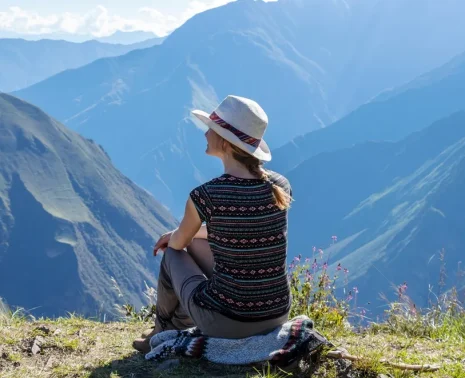
Bucket List Luxury Trips Peru and the Difference Between Seeing a Destination and Experiencing It Deeply
Peru appears on many travelers’ bucket lists long before they ever arrive there. For some, the image is i...
Read Post
Bolivia Cultural Immersion and the Difference Between Visiting and Understanding
Bolivia is not a destination that reveals itself easily from the surface. Travelers can move through the co...
Read Post
Luxury Amazon Cruise Peru: Why the River Changes How Peru Is Experienced
Peru is often approached through altitude. Travelers arrive focused on the Andes, archaeological sites, and mo...
Read Post
8 DAYS
Luxury Machu Picchu Tours: Unveiling Peru’s Timeless Wonders
Cusco, Lima, Machu Picchu, Sacred Valley

8 DAYS
Peru Family Vacation: Journey to Machu Picchu and Beyond
Cusco, Lima, Machu Picchu, Sacred Valley

11 DAYS
Amazon River Cruise: A Luxury Journey Through the Amazon
Lima, Cusco, Sacred Valley, Machu Picchu, Iquitos, Amazon River