July 19, 2026 | by: Kuoda Authors


Bolivia is not a destination that reveals itself easily from the surface.
Travelers can move through the country quickly, photograph dramatic landscapes, visit major sites, and still leave without fully understanding what makes Bolivia so culturally distinct within South America. The country’s depth lies not only in what travelers see, but in the systems of identity, tradition, language, and daily life that continue shaping Bolivia beneath the visible experience of travel itself.
This is why Bolivia cultural immersion requires more than proximity.
Being physically present is not the same as understanding context. Bolivia asks travelers to slow down enough to notice continuity between past and present, between Indigenous identity and contemporary life, between landscape and the communities shaped by it for centuries.
The strongest journeys are not built around consuming culture.[Salto de ajuste de texto] They are built around learning how to move through it respectfully and attentively.
Bolivia’s Cultural Identity Is Still Deeply Present
One of the most powerful aspects of Bolivia is that Indigenous culture here does not feel preserved separately from modern life.
It remains active within:
- language
- clothing
- markets
- agriculture
- festivals
- political identity
- spiritual tradition
- social structure
Travelers encounter this immediately in cities such as La Paz, where Aymara and Quechua influence remains visible throughout daily life rather than existing purely within tourism spaces. Markets function for local communities first. Traditional dress remains part of ordinary urban rhythm. Ceremonial practices continue alongside contemporary politics and modern infrastructure.
This continuity changes how Bolivia cultural immersion should be approached.
The country is not asking travelers simply to observe cultural traditions as performances. It asks travelers to recognize that these traditions remain structurally alive.
That distinction matters enormously.
Why Bolivia Requires Slower Cultural Travel
Many travelers arrive in Bolivia with itineraries heavily focused on landscapes: the Salar de Uyuni, Lake Titicaca, mountain regions, colonial architecture. While these places are extraordinary, travelers often underestimate how much cultural understanding depends on pacing.
Bolivia cultural immersion does not happen through constant movement.
The strongest experiences emerge gradually:
- conversations unfolding over time
- observing local routines
- understanding regional differences
- spending longer in fewer places
- allowing interpretation to build progressively
Travelers moving too quickly often remain visually impressed but culturally distant from the country itself.
This becomes especially important because Bolivia operates at a different rhythm than many travelers initially expect. Meals, transportation, market culture, and social interaction all move through patterns shaped as much by altitude and geography as by urban modernity.
Well-designed journeys allow travelers enough time to adapt to that rhythm rather than resisting it.
La Paz and the Complexity of Daily Life
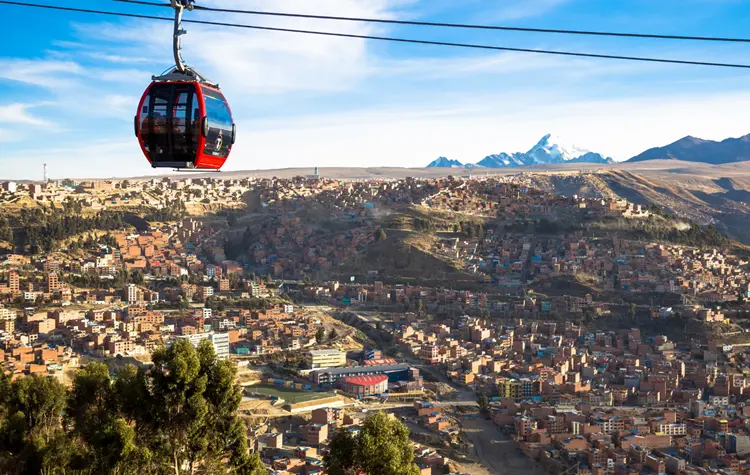
La Paz often becomes the beginning of cultural immersion in Bolivia because the city exposes travelers immediately to the country’s layered identity.
At first, La Paz can feel visually overwhelming:
- steep geography
- dense urban movement
- informal markets
- cable cars crossing above neighborhoods
- Indigenous traditions existing beside highly contemporary spaces
But over time, coherence begins to emerge.
The city reveals how Bolivia’s cultural identity functions dynamically rather than nostalgically. Travelers begin understanding how Indigenous influence shapes commerce, politics, spirituality, and urban life itself rather than existing separately from modern society.
This is where thoughtful guiding becomes essential.
Bolivia cultural immersion depends heavily on interpretation because much of what makes the country meaningful is contextual rather than immediately visible. A market becomes more significant when travelers understand regional agricultural systems, symbolic traditions, or the social role of commerce within daily life. Urban neighborhoods become more compelling once travelers understand migration patterns, political history, and geographic structure.
La Paz rewards curiosity more than efficiency.
Lake Titicaca and Cultural Continuity
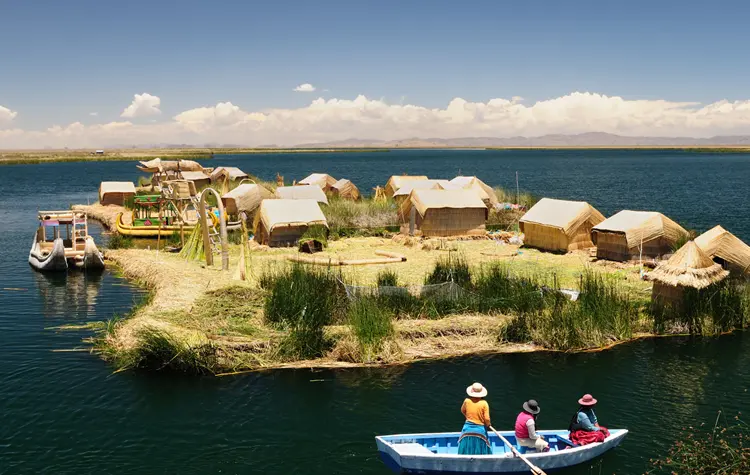
Lake Titicaca introduces another entirely different form of immersion.
The landscape itself slows perception. Villages along the lake maintain traditions shaped by altitude, isolation, and centuries of continuity within the Andes. Daily life often feels more connected to agricultural and spiritual cycles than to external tourism rhythms.
Bolivia cultural immersion becomes particularly meaningful here because travelers begin experiencing how geography shapes identity directly.
The lake is not simply scenic.[Salto de ajuste de texto] It functions as a cultural environment.
Communities surrounding Titicaca often maintain strong local traditions connected to textile work, agriculture, ceremony, and oral history. But the strongest experiences are rarely those that feel staged or performative. They emerge through slower interaction, respectful curiosity, and enough time for travelers to observe daily rhythms naturally.
This is why pacing matters so much.
Travelers rushing through Lake Titicaca often leave with beautiful photographs but little understanding of how deeply place and culture remain connected here.
The Difference Between Observation and Participation
One of the challenges in designing Bolivia cultural immersion journeys is avoiding experiences that reduce local culture to tourism performance.
Authentic immersion does not mean trying to “become local.”[Salto de ajuste de texto] It means learning how to observe respectfully and engage thoughtfully.
This distinction changes how experiences should be structured.
Smaller-scale encounters, stronger local relationships, and private guiding often create more meaningful interaction because they allow space for conversation and interpretation rather than performance-driven tourism. Travelers gain more through understanding daily context than through highly staged cultural demonstrations disconnected from ordinary life.
From within South America, designing culturally immersive Bolivia journeys also requires understanding where tourism pressure alters authenticity and where travelers can engage more naturally with communities and traditions without intrusion.
The strongest experiences feel reciprocal rather than extractive.
Bolivia and the Role of Landscape in Cultural Identity
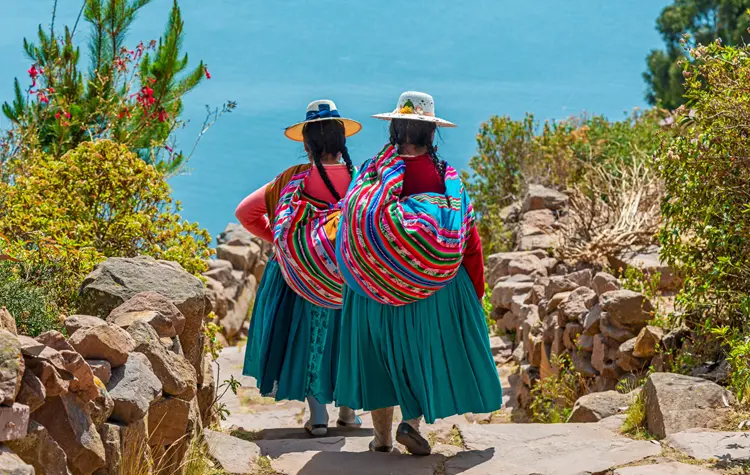
In Bolivia, landscape and culture cannot really be separated.
Altitude shapes agriculture. Isolation shapes language preservation. The vastness of the altiplano influences settlement patterns, architecture, and social rhythm. Even spiritual traditions remain deeply connected to geography itself.
This is one reason Bolivia cultural immersion feels so distinct from more urbanized destinations.
Travelers begin recognizing that environments are not simply backgrounds to culture here. They actively shape how life functions across the country.
The Salar de Uyuni, for example, becomes more meaningful once travelers understand the Indigenous communities and trade histories connected to the region rather than viewing the salt flats only as visual spectacle. Likewise, mountain communities surrounding La Paz reveal how geography continues influencing transportation, architecture, and social organization daily.
The landscape itself becomes part of the cultural interpretation.
Why Bolivia Leaves Such a Lasting Impression
Travelers often describe Bolivia differently after returning home than they did while experiencing it initially.
The country tends to settle into memory gradually.
Part of this comes from Bolivia’s refusal to simplify itself for travelers. The country does not offer easy narratives or highly polished tourism experiences everywhere. Instead, travelers encounter complexity:
- social
- political
- environmental
- cultural
But within that complexity comes depth.
Bolivia cultural immersion leaves its strongest impression when travelers allow themselves enough patience to move beyond first reactions and into understanding.
Sustainability and Respectful Cultural Travel
Responsible travel in Bolivia is inseparable from cultural respect.
The country’s Indigenous traditions, local communities, and regional identities should not be approached as tourism products alone. Thoughtful travel design helps create experiences that support local economies and preserve cultural continuity without reducing communities to performances for visitors.
This often means:
- slower travel
- smaller-scale experiences
- stronger local partnerships
- careful pacing
- thoughtful interpretation
- prioritizing respect over access
The quality of the experience improves when travelers engage with Bolivia as a living cultural environment rather than a backdrop for observation.
FAQs
What does Bolivia cultural immersion mean?
Bolivia cultural immersion involves engaging more deeply with the country’s Indigenous traditions, regional identity, local communities, and daily rhythms through thoughtful pacing and contextual travel experiences.
What are the best places for cultural immersion in Bolivia?
Many travelers focus on La Paz, Lake Titicaca, Sucre, Potosí, and smaller Andean communities where Indigenous traditions and regional identity remain strongly visible within daily life.
Is Bolivia good for cultural travel?
Yes. Bolivia offers one of the most culturally layered and deeply rooted travel experiences in South America, especially for travelers interested in Indigenous traditions and regional continuity.
How should I approach cultural travel in Bolivia respectfully?
The strongest experiences come through slower pacing, local interpretation, smaller-scale interaction, and approaching communities with curiosity and humility rather than consumption-focused tourism expectations.
Where Culture Still Shapes Daily Life
Bolivia cultural immersion often changes travelers less through singular experiences than through gradual realization. Over time, travelers begin noticing how deeply culture remains connected to landscape, language, spirituality, and daily rhythm throughout the country. Traditions are not separated neatly from modern life here. They continue shaping it visibly and continuously. Bolivia leaves a lasting impression because it asks travelers not simply to observe another culture from a distance, but to spend enough time within it to recognize how differently a society can understand identity, continuity, and connection to place itself.

Christmas in Ecuador: Discover Cuenca’s Festive Traditions and the Galápagos
Christmas in Ecuador is a season of religious traditions, colorful processions, handmade nativity scenes, and ...
Read Post
Christmas in Peru: Andean Traditions, Santuranticuy & Holiday Experiences
Christmas in Peru brings together family gatherings, Catholic traditions, Andean culture, and regional celebra...
Read Post
Christmas in Argentina: Traditions, Weather & Where to Go
Christmas in Argentina takes place during the Southern Hemisphere’s summer, bringing warm days, long evening...
Read Post
8 DAYS
Luxury Machu Picchu Tours: Unveiling Peru’s Timeless Wonders
Cusco, Lima, Machu Picchu, Sacred Valley

8 DAYS
Peru Family Vacation: Journey to Machu Picchu and Beyond
Cusco, Lima, Machu Picchu, Sacred Valley

11 DAYS
Amazon River Cruise: A Luxury Journey Through the Amazon
Lima, Cusco, Sacred Valley, Machu Picchu, Iquitos, Amazon River