June 07, 2026 | by: Kuoda Authors


Introduction
The Galápagos Islands ask something different of the traveler.
They are not a place to move through quickly, nor a destination that reveals itself through landmarks or structured highlights. Instead, they unfold through observation. Through patience. Through a gradual attunement to a landscape that operates on its own terms.
To travel here well requires restraint. It requires an understanding that access is regulated for a reason, and that the most meaningful experiences are often the least orchestrated.
Galapagos private travel, when approached thoughtfully, is not about exclusivity in the traditional sense. It is about navigating a protected environment with care, intention, and a level of understanding that allows the experience to feel both immersive and respectful.
Galapagos Private Travel: What It Actually Means

The idea of Galapagos private travel is often misunderstood as simply a more comfortable version of a shared experience. In reality, it is something more nuanced.
The Galápagos are governed by strict environmental regulations. Visitor numbers are controlled. Landing sites are scheduled. Access is coordinated through licensed naturalist guides. These structures are essential to preserving the ecosystem.
Private travel, within this context, is not about bypassing these systems. It is about working within them more intelligently.
It allows for a more considered pace. It creates space between encounters. It ensures that each moment, whether on land or at sea, is approached without urgency or crowding.
The result is not a different version of the Galápagos, but a more attuned one.
Choosing the Right Way to Experience the Islands

Yacht-Based Exploration vs. Land-Based Journeys
There are two primary ways to approach the Galápagos, and each shapes the experience in distinct ways.
Yacht-based travel allows for movement between more remote islands. Days are structured around guided excursions, often twice daily, with time spent navigating between sites. The experience is immersive, with a strong connection to the surrounding environment.
Land-based travel, by contrast, offers a more grounded rhythm. Staying on islands such as Santa Cruz, Isabela, or San Cristóbal allows for a slower pace, with excursions radiating outward from a fixed base. It provides more flexibility and a deeper sense of place within each island.
Neither approach is inherently better. The distinction lies in how a traveler prefers to move. Some are drawn to the continuity of being at sea. Others to the balance of exploration and stillness on land.
Galapagos private travel allows for either path to be refined. Smaller vessels, private departures, or carefully selected lodges create a more personal experience without disrupting the integrity of the destination.
The Role of Timing and Seasonality
The Galápagos are a year-round destination, but the experience shifts subtly with the seasons.
Water temperatures, marine life activity, and weather patterns all influence how the islands are encountered. Warmer months bring calmer seas and vibrant underwater life. Cooler months often offer richer marine biodiversity and more active wildlife encounters.
Understanding these nuances allows the journey to be aligned with the traveler’s interests. For some, this may mean prioritizing snorkeling and marine encounters. For others, it may be about observing birdlife or simply experiencing the islands in a quieter season.
Private travel allows for these preferences to guide timing, rather than fitting into fixed schedules.
Experiencing Wildlife Without Disturbing It

Observation as the Core of the Experience
The Galápagos are often associated with proximity to wildlife. Sea lions resting beside walking paths. Giant tortoises moving slowly through highland vegetation. Blue-footed boobies nesting undisturbed.
What defines the experience, however, is not closeness alone. It is the absence of fear.
Wildlife here has evolved without natural predators. This creates a rare environment where animals behave naturally in the presence of humans, provided that humans respect the boundaries set in place.
Galapagos private travel supports this dynamic by reducing noise, limiting group size, and allowing for quieter observation. It shifts the focus from encountering wildlife to understanding it.
The Importance of Naturalist Guides
Guides in the Galápagos are not simply facilitators. They are interpreters of a complex ecosystem.
Licensed naturalist guides are trained extensively in ecology, conservation, and the unique dynamics of the islands. Their role is to provide context. To explain not just what is being seen, but why it matters.
In a private setting, this relationship becomes more conversational. Questions can unfold naturally. Observations can linger. The experience becomes less structured and more reflective.
This is where much of the depth of the Galápagos is revealed.
Comfort That Does Not Compete with the Environment

A Different Expression of Luxury
Luxury in the Galápagos is inherently restrained.
There are no large-scale resorts or expansive developments. Infrastructure is intentionally limited. This is part of what preserves the integrity of the islands.
Comfort, therefore, is expressed differently. Through well-designed yachts that balance space and intimacy. Through eco-conscious lodges that integrate into the landscape rather than dominate it. Through attentive service that feels present but unobtrusive.
Galapagos private travel focuses on selecting accommodations that align with this philosophy. Places where the experience of the islands remains central, and comfort supports rather than distracts.
Seamless Coordination in a Regulated Environment
Travel in the Galápagos involves layers of coordination. Permits, park regulations, inter-island logistics, and strict schedules all shape the journey.
When managed well, these elements remain invisible.
Private travel ensures that transitions between flights, boats, and excursions are handled with precision. Timing is aligned. Details are anticipated. Adjustments are made quietly when needed.
This allows the traveler to remain focused on the experience itself, rather than the structure behind it.
Conservation as an Embedded Practice
The Galápagos are one of the most protected environments in the world. Conservation is not an added feature of travel here. It is the foundation.
Visitor numbers are controlled. Movement is restricted to designated sites. Interactions with wildlife are regulated. These measures ensure that the ecosystem remains intact for future generations.
Thoughtful travel design works within these frameworks. It prioritizes operators and accommodations that adhere to environmental standards. It supports local conservation efforts through responsible partnerships.
This is not presented as a moral argument. It is simply the only viable way to experience a place like this without compromising it.
FAQs
What is the best way to approach Galapagos private travel?
It depends on how you prefer to move through a destination. Yacht-based journeys offer access to more remote islands, while land-based travel allows for a slower, more flexible pace.
How long should a Galápagos journey be?
Most travelers spend between five and eight days in the islands. This allows for a meaningful range of experiences without feeling rushed.
Is Galapagos private travel suitable for families?
Yes, particularly for families with older children. The educational aspect of the experience, combined with close observation of wildlife, creates a highly engaging environment.
When is the best time for Galapagos private travel?
The islands can be visited year-round. The ideal timing depends on whether your interests are more focused on marine life, birdlife, or overall climate conditions.
Letting the Experience Unfold
The Galápagos are not a place that needs to be interpreted through spectacle.
They are quiet, precise, and deeply intact. Their value lies in how little they have changed, and in how carefully they continue to be protected.
Galapagos private travel, when designed with intention, allows you to enter this environment without disrupting it. To observe without imposing. To move through the islands in a way that feels aligned with their rhythm.
And in doing so, the experience becomes less about what you have seen, and more about how you have understood it.
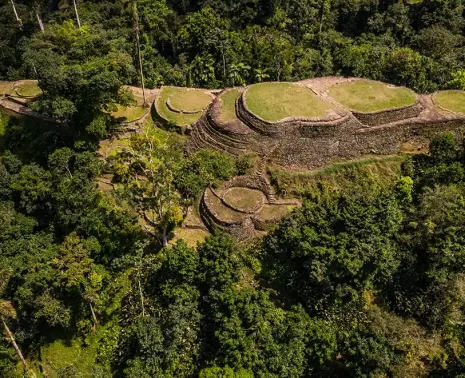
The Lost City Colombia and the Meaning of Reaching It
Some destinations are defined by what they are. Others by what it takes to reach them. The Lost City Col...
Read Post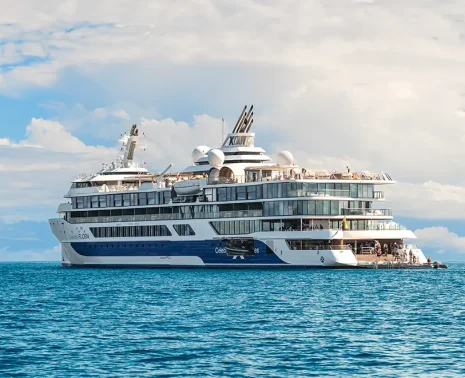
Best Galápagos Cruises: Choosing the Right Way to Experience the Islands
The phrase “best Galápagos cruises” suggests comparison. Ships, cabins, amenities, itineraries. It invite...
Read Post
Designing an Ecuador Itinerary with Intention: How to Experience the Country Beyond the Obvious
An Ecuador itinerary is often approached as a checklist. A few days in Quito, a quick passage through the Ande...
Read Post
8 DAYS
Luxury Machu Picchu Tours: Unveiling Peru’s Timeless Wonders
Cusco, Lima, Machu Picchu, Sacred Valley

8 DAYS
Peru Family Vacation: Journey to Machu Picchu and Beyond
Cusco, Lima, Machu Picchu, Sacred Valley

11 DAYS
Amazon River Cruise: A Luxury Journey Through the Amazon
Lima, Cusco, Sacred Valley, Machu Picchu, Iquitos, Amazon River