August 20, 2026 | by: Kuoda Authors


Fun facts about Peru are often presented as curiosities.
Unexpected details. Numbers. Cultural references that surprise more than they explain.
Yet in a country like Peru, these facts are rarely superficial.
They are reflections of something deeper. A geography that shifts dramatically within short distances. A culture that has evolved without losing continuity. Traditions that remain present rather than preserved.
To understand Peru through its details is to begin to understand how it should be experienced.
A Country Defined by Vertical Geography
Peru is often described in terms of regions.
Coast, Andes, Amazon.
What is less frequently emphasized is how these regions are layered vertically rather than spread horizontally. Within a relatively short distance, altitude can change dramatically, altering climate, vegetation, and daily life.
This is not simply a geographical fact.
It shapes how travel unfolds.
Movement between regions is not just a change in scenery. It is a shift in rhythm. The body adapts. The pace adjusts. The experience deepens or contracts depending on how that transition is managed.
Understanding this transforms what might seem like a logistical detail into a defining element of the journey.
The Sacred Valley Is Lower Than Cusco
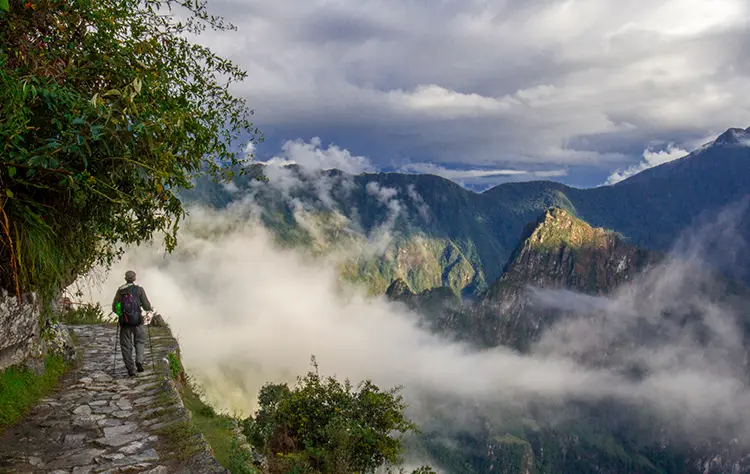
For many travelers, Cusco is the natural base.
Yet the Sacred Valley sits at a lower altitude.
This detail is often overlooked, but it has a direct impact on how a Peru journey is experienced. Beginning in the Sacred Valley allows for a more gradual acclimatization, creating space for the body to adjust before moving higher.
It also changes the way the Andes are encountered.
Rather than arriving and immediately adapting, the experience unfolds progressively. The landscape becomes more accessible, the cultural context easier to engage with.
What appears as a simple fact becomes a foundational decision in how the journey is structured.
Machu Picchu Was Never Lost
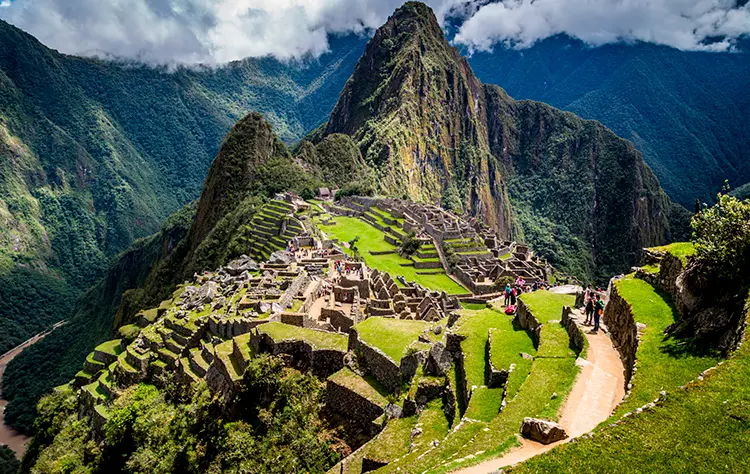
It is often said that Machu Picchu was “discovered.”
In reality, it was never lost to the local population.
Communities in the region were aware of its existence long before it became internationally known. The idea of discovery reflects an external perspective rather than a local one.
This reframes the experience of visiting the site.
Machu Picchu is not an isolated relic. It exists within a broader cultural and historical continuity. Understanding this shifts the focus from the site itself to its place within a living landscape.
The experience becomes less about arrival and more about context.
Peru Has One of the Most Diverse Climates in the World
Peru is home to a remarkable range of ecosystems.
Desert coastline, high-altitude mountains, dense rainforest.
This diversity exists within a single country, but it does not function as a collection of separate environments. Each region influences the next.
For the traveler, this creates both opportunity and complexity.
Including multiple regions within one itinerary is possible, but the experience depends on how those transitions are handled. Moving too quickly can reduce contrast to confusion. Allowing space between environments creates clarity.
The diversity is not the challenge.
The sequencing is.
Meals Are Structured Around Time, Not Convenience
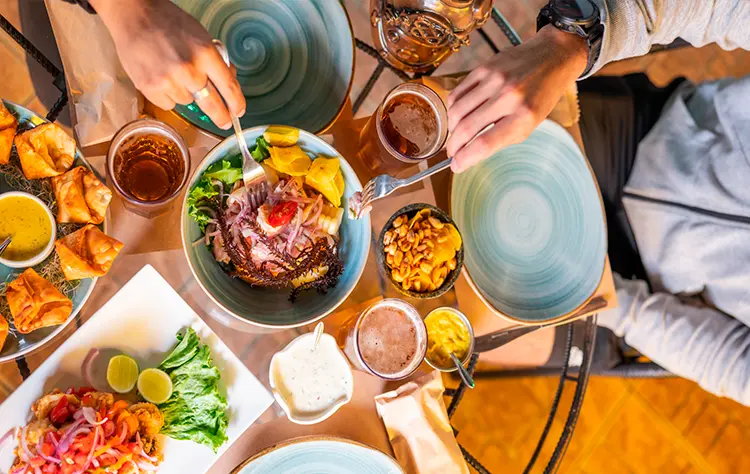
In Peru, meals follow a different rhythm.
Lunch is often the main meal of the day. It is extended, deliberate, and central to daily life. Dinner tends to be lighter and later.
This is not simply a cultural preference.
It shapes how time is experienced.
Planning around this rhythm allows for a more natural flow. Ignoring it creates subtle friction. Meals feel rushed or out of sync with the environment.
What appears as a cultural detail becomes part of how the journey aligns with the place.
Many Traditions Are Still Lived, Not Performed
In the Andes, traditions are not presented as attractions.
They are part of daily life.
Textile production, agricultural practices, and community rituals continue without adaptation for visitors. They are not preserved for display, but maintained as living systems.
This changes the nature of the experience.
Engagement must be approached with awareness. Timing matters. Context matters. Access is not simply granted, it is facilitated through understanding.
This is where local expertise becomes essential.
From our base in South America, this distinction is clear. Experiences that feel natural are rarely spontaneous. They are shaped through relationships and an understanding of how and when to engage.
The Amazon Is Not Just One Environment
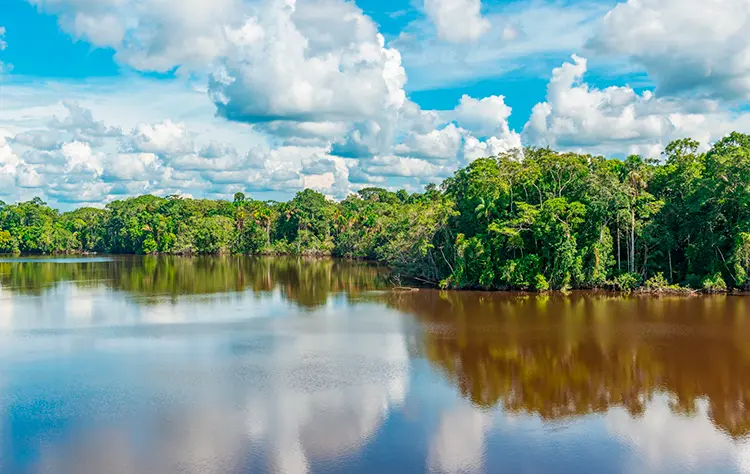
The Peruvian Amazon is often imagined as a single, continuous landscape.
In reality, it is layered and varied.
River systems, floodplains, and dense forest create different ecosystems within the broader region. Wildlife patterns shift. Accessibility changes. The experience is shaped by where and how you enter it.
Time in the Amazon is not defined by activity.
It is defined by observation.
Understanding this changes expectations. The experience becomes quieter, more focused, and more dependent on presence than movement.
What These Details Change
Fun facts about Peru are often treated as isolated information.
But taken together, they reveal a pattern.
Peru is not a country that can be approached casually. It requires attention to sequence, to timing, to how one experience leads into another.
What might seem like minor details become structural decisions.
Where you begin. How quickly you move. How much space you allow.
These are the elements that determine whether the experience feels fragmented or coherent.
Sustainability Through Understanding
Respecting Peru’s diversity requires more than awareness.
It requires thoughtful engagement.
Spending time within regions rather than passing through them supports local communities. Aligning with cultural rhythms creates balance. Choosing experiences that respect the integrity of traditions ensures their continuity.
This approach reflects a broader philosophy of travel that prioritizes depth and responsibility alongside experience .
FAQs
What are some interesting fun facts about Peru?
Peru’s vertical geography, cultural continuity, and ecological diversity create a range of insights that go beyond simple facts, shaping how the country is experienced.
Why does altitude matter when traveling in Peru?
Altitude affects how the body responds, influencing energy and pace. Proper sequencing allows for a more comfortable and immersive experience.
Is Machu Picchu really “discovered”?
Machu Picchu was never lost to local communities. The concept of discovery reflects an external perspective rather than local knowledge.
How many regions should be included in a Peru trip?
While multiple regions can be included, a more selective approach allows for greater depth and a more cohesive journey.
A Different Way to Understand Peru
Fun facts about Peru are not simply details to remember.
They are signals of how the country functions.
They point to the importance of timing, of sequence, of understanding how culture and geography are intertwined. They reveal that the experience of Peru is not immediate, but gradual.
And they suggest that the most meaningful journeys are not built from information, but from how that information is understood and applied.
Because in Peru, what appears as a small detail often defines the experience as a whole.
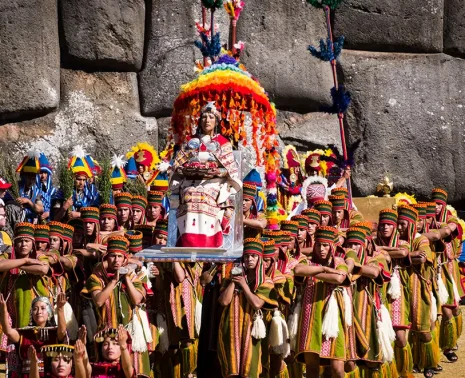
Discover the Secrets of Inti Raymi: Why Some Rituals Are Worth More Than a Thousand Monuments
There are days in Cusco when the city seems to hold its breath. It is not just the chill of June, which always...
Read Post
Otavalo: Culture, Craft, and the Living Highlands of Ecuador
High in Ecuador’s northern Andes, the town of Otavalo occupies a cultural landscape shaped by centuries of t...
Read Post
Ballestas Islands: Wildlife Along Peru’s Pacific Coast
South of Lima, where Peru’s desert coastline meets the Pacific Ocean, the landscape begins to change. Sand d...
Read Post
8 DAYS
Luxury Machu Picchu Tours: Unveiling Peru’s Timeless Wonders
Cusco, Lima, Machu Picchu, Sacred Valley

8 DAYS
Peru Family Vacation: Journey to Machu Picchu and Beyond
Cusco, Lima, Machu Picchu, Sacred Valley

11 DAYS
Amazon River Cruise: A Luxury Journey Through the Amazon
Lima, Cusco, Sacred Valley, Machu Picchu, Iquitos, Amazon River