October 15, 2026 | by: Kuoda Authors


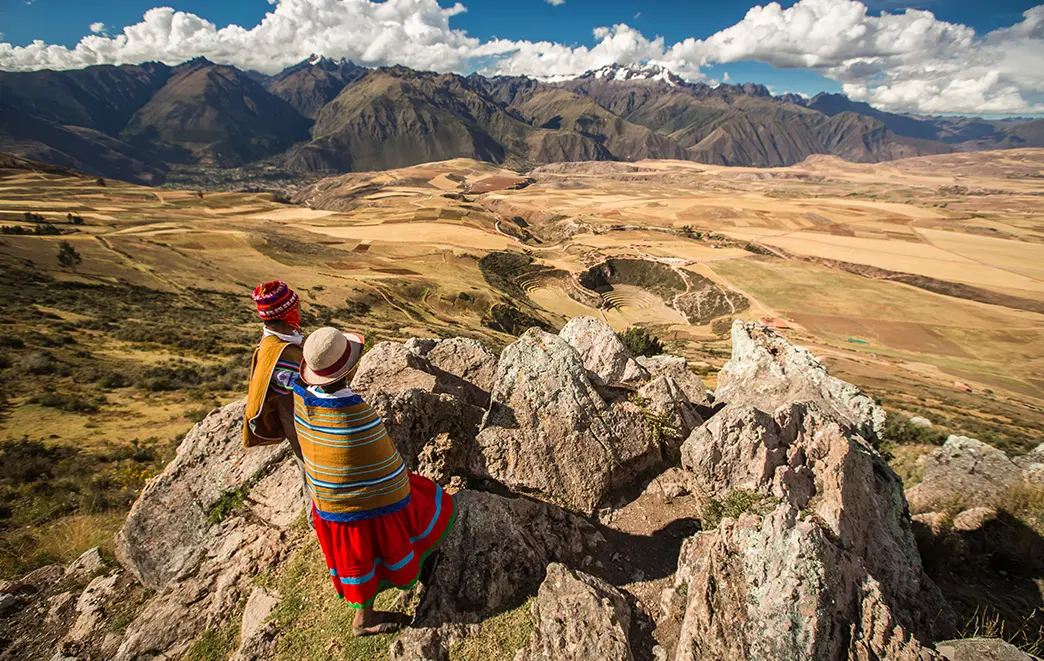
When is the dry season in Peru, and what can travelers truly expect during these months? Understanding Peru’s dry period requires looking past the common misconception that the entire country experiences identical weather. While the Andean highlands enjoy clearer skies and lower precipitation from spring through early autumn, Peru’s Pacific coast and Amazon basin follow entirely distinct climatic rhythms.
Peru’s dry season generally runs from April or May through October in the Andes, bringing clearer days and significantly lower rainfall. June through August mark the peak dry months and the highest visitor volume, while the shoulder periods of April–May and September–October often provide a balanced combination of favorable weather and fewer crowds.
When Is the Dry Season in Peru?
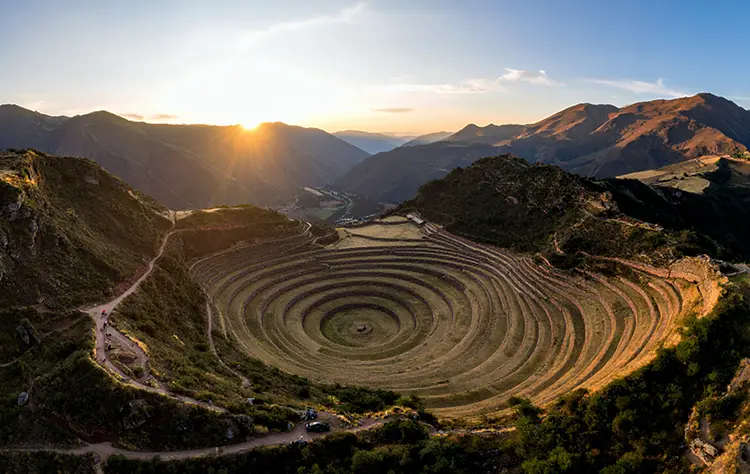
Because Peru’s geography encompasses towering Andean ranges, an expansive tropical basin, and an arid Pacific corridor, the dry season does not manifest as a uniform national climate. Understanding these distinct microclimates is the foundation of precise geographic navigation:
The Andean Highlands (Cusco, Sacred Valley, Machu Picchu, Lake Titicaca)
In the high mountains, the dry season spans approximately from April/May through October. This window is shaped by stable atmospheric pressure systems that deliver brilliant daytime sunshine and minimal precipitation, establishing the optimal meteorological conditions for archaeological exploration. Yet, this same high-altitude clarity exacts a trade-off: the absence of blanket cloud cover causes thermal radiation to escape rapidly after sunset, plunging mountain nights into sub-zero temperatures.
The Peruvian Amazon
The Amazon basin does not experience a true arid season, but rather a transitional period of lower relative precipitation running concurrently from April through October. While tropical humidity and warmth remain constant year-round, this lower-water window alters river dynamics—exposing sandbars and making interior forest trails significantly more navigable for ecological observation and foot exploration.
The Pacific Coast (Lima, Paracas, Ica)
The coastal desert operates on an entirely independent meteorological cycle that defies Andean trends. While the high peaks enjoy pristine blue skies during the dry months, central coastal hubs like Lima experience the winter phenomenon known as garúa—a dense, persistent marine mist driven by the cold Humboldt Current. True coastal aridity and sunshine during these months are instead found further south in Paracas and Ica, or along Peru’s far northern shores.
Is the Dry Season the Same as Winter in Peru?
The dry season and winter in Peru overlap, but they are not exactly the same.
Peru’s winter runs from roughly June to September, while the Andean dry season generally extends from April or May through October. This means June, July, and August are both winter months and part of the driest period in destinations such as Cusco, the Sacred Valley, Machu Picchu, and Lake Titicaca.
Conditions also vary by region. While the Andes often have sunny days and cold nights, Lima experiences cooler, cloudier winter weather with coastal mist. For travelers, understanding these regional differences is more useful than thinking of Peru as having one single winter climate.
Peru Dry Season at a Glance
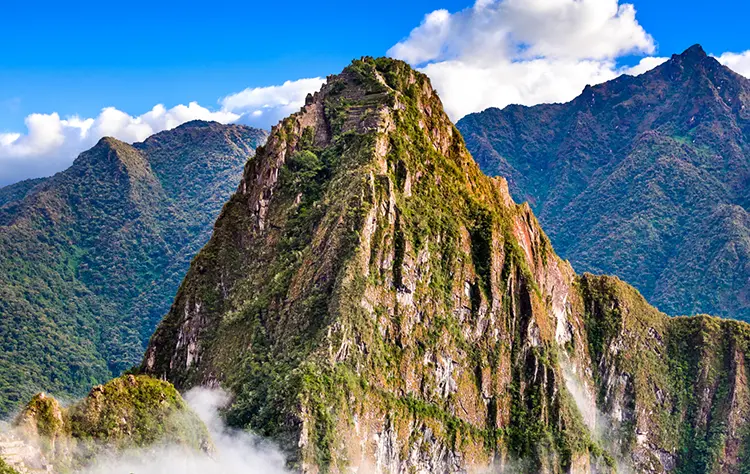
Navigating Peru’s distinct geographical regions requires a clear breakdown of seasonal shifts. The following reference maps how the dry period behaves across key destinations, contrasting local meteorological conditions with essential operational considerations:
| Region | Approx. Dry Period | Conditions | Travel Considerations |
|---|---|---|---|
| Cusco & Sacred Valley | Apr/May–Oct | Sunny days, blue skies, very cold nights | Peak demand and higher crowds from June to August |
| Machu Picchu | Apr/May–Oct | Lower rainfall, stable visibility | Advanced ticket and train reservations are essential |
| Lake Titicaca | Apr–Oct | Dry conditions, intense sun, freezing nights | Strong daytime UV protection and thermal layers required |
| Amazon | Apr–Oct | Lower relative rainfall, more accessible trails | High humidity persists; excellent conditions for jungle hiking |
| Lima | Year-round (Arid) | Cooler, overcast, and humid winters (garúa) | Minimal rainfall; distinct from Andean dry weather |
| Paracas / Ica | Year-round | Arid desert climate, generally sunny | Reliable year-round coastal extension |
What Is the Dry Season Like in Cusco and Machu Picchu?
During the dry months, Cusco, the Sacred Valley, and Machu Picchu experience lower rainfall and more stable weather patterns. Daytime skies are frequently bright and clear, making it ideal for exploring ancient stone ruins and enjoying panoramic valley views.
However, travelers should note two defining characteristics of the Andean dry season: high solar radiation during the day and sharp drops in temperature after sunset. While rainfall is much less frequent than in the summer months, passing mountain showers can still occasionally occur. (Explore further within our Cusco Travel Guide, Sacred Valley Travel Guide, and Machu Picchu Travel Guide).
Expert Insight from Kuoda: An error common among independent travelers is sub-estimating the thermal amplitude of the Andean dry season. While midday in the Sacred Valley gifts a radiant sun of 20°C (68°F), temperatures in Cusco or Puno can plummet to 0°C (32°F) or lower once the sun sets. True luxury travel comfort relies on staying in historic haciendas equipped with proper heating, operational fireplaces, and balanced oxygen systems to counteract both cold and altitude.
Is the Dry Season the Best Time to Visit Machu Picchu?
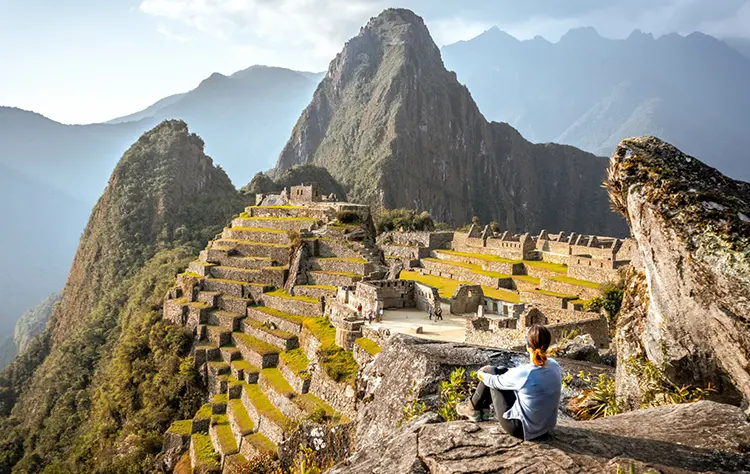
The dry season is widely favored for visiting Machu Picchu due to stable weather and clear mountain backdrops. However, it requires careful, advance planning. Because June through August coincides with international vacation periods, visitor numbers reach their highest annual peaks.
Travelers seeking a quieter experience without sacrificing favorable weather often target the shoulder months of April, May, or September, which offer a wonderful equilibrium between open skies and manageable crowd levels.
While general travel advice suggests booking a few months ahead, the reality of peak dry season (June–August) is that daily permits for the sanctuary of Machu Picchu and luxury train tickets (such as the Hiram Bingham) often sell out 8 to 9 months in advance. Securing these elements proactively through local specialists prevents logistical friction.
Peru Dry Season Month by Month
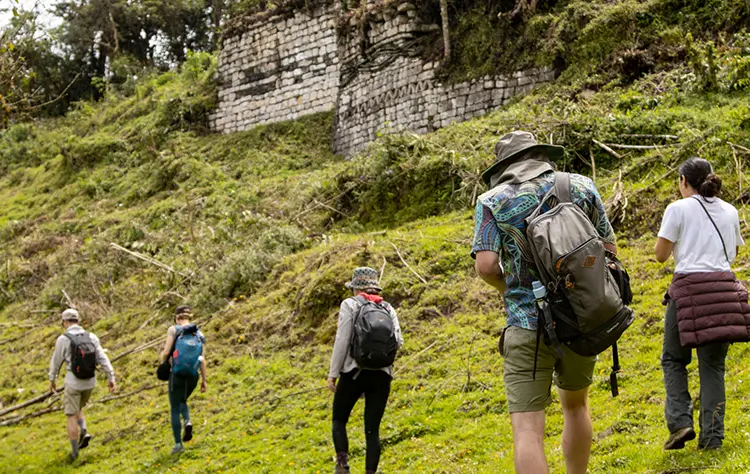
The annual dry cycle in the Andes is not monolithic; it evolves through distinct operational phases, transitioning from the lush shoulder weeks of spring into the deep, crisp months of high winter, and finally tapering off toward the return of the rains. Tracking this chronological progression allows for precise strategic planning:
April: A gorgeous shoulder month. Rains taper off, the surrounding countryside remains lush and green from the wet season, and visitor numbers are still low.
May: The definitive start of the stable dry season. Skies clear up significantly, temperatures remain pleasant, and it marks an exceptional time for early trekking.
June: Characterized by crisp, dry days and freezing nighttime temperatures. June hosts major cultural festivities like Inti Raymi in Cusco, bringing high energy and strong travel demand.
July: Statistically one of the driest months of the year. High-altitude nights are very cold, and peak global travel brings vibrant activity to all major historical sites.
August: Continues the dry, sunny weather pattern. It remains prime time for high-altitude trekking, with high demand across luxury hotels and trains.
September: A fantastic shoulder month. The weather remains favorable and relatively dry, but the intense peak-season tourist rush begins to subside.
October: The final stretch of the dry period. Conditions remain largely good for travel, though the very end of the month can introduce the first transitional signs of returning spring showers.
Is Peru Cold During the Dry Season?
A common surprise for international travelers is discovering that sunny days in the Andes do not mean warm nights.
Because of high altitude (Cusco sits at over 11,000 feet), clear skies during the dry season allow heat to escape rapidly after sunset. While daytime temperatures under the strong Andean sun can feel comfortable and warm, nighttime and early-morning temperatures frequently plunge close to or below freezing. Packing versatile layers and thermal wear is essential. Meanwhile, the Amazon remains warm and humid, and the coast experiences its cooler winter microclimates.
Dry Season in the Peruvian Amazon
While the dry season (April to October) brings lower relative precipitation and makes jungle trails more accessible for hiking, it is important to remember that the Amazon is a tropical rainforest and never truly “dry.”
Humidity remains high year-round. However, lower river levels during these months expose riverbanks and sandbars, offering distinct wildlife-viewing dynamics and making jungle lodge explorations and forest walks exceptionally smooth. (Learn more via our Iquitos guide / Tambopata guide).
Dry Season on Peru’s Pacific Coast
It is vital to recognize that the driest time in the Andes is not the sunniest time in Lima.
While the high mountains enjoy clear blue skies, Lima and the central Pacific coast experience their winter season from June to October, characterized by overcast skies, high humidity, and the famous coastal mist known as garúa. Travelers seeking sunny beach days usually head to Peru’s far northern coast or pair their Andean trip with the arid desert sunshine of Paracas and Ica.
Advantages of Visiting Peru During the Dry Season
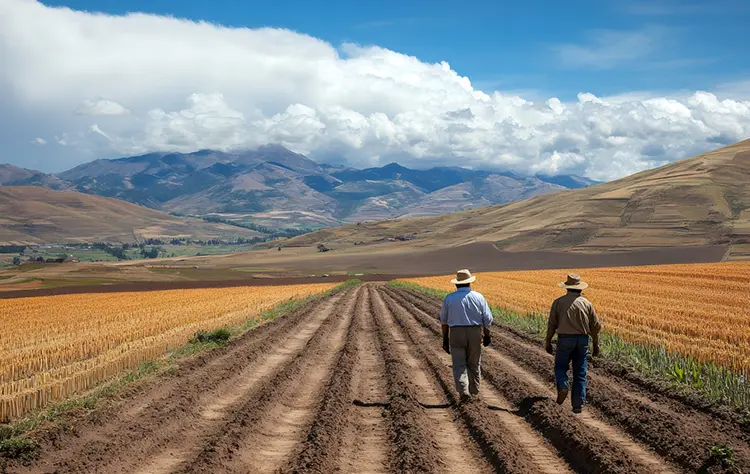
While the dry season commands higher demand and busier sites, it offers distinct meteorological and logistical advantages that make it the preferred window for many international travelers. The reliable weather patterns unlock specific travel benefits:
- Optimal Trekking Conditions: Stable weather and lower rainfall provide the safest, most predictable environment for alpine hiking.
- Clear Mountain Views: Unobstructed vistas of snow-capped Andean peaks and wide horizons.
- Easier Outdoor Planning: Reliable daily weather allows for seamless scheduling of excursions, train connections, and internal flights.
- Vibrant Cultural Calendar: Major historical festivals, including Inti Raymi, take place during these months.
- Cohesive Multi-Region Itineraries: Ideal conditions for combining high-altitude Andean exploration with jungle expeditions.
Challenges of Traveling During the Dry Season
While the meteorological advantages of the dry season are undeniable, operating a high-end journey during peak months introduces distinct logistical variables. A sophisticated travel strategy must account for the operational realities of the Andean winter:
- High Visitor Volume: Popular destinations experience significant crowding, particularly from June through August.
- Strict Booking Requirements: High demand means permits for the Inca Trail, luxury train tickets, and preferred boutique hotels sell out months in advance.
- Freezing Mountain Nights: High-altitude locations require careful packing to manage intense cold after dark.
- Higher Price Points: Peak season demand across global travel networks reflects higher operational costs.
Is Dry Season the Best Time for Trekking in Peru?
For mountaineers and alpine enthusiasts, the dry months represent the undisputed gold standard for high-altitude exploration. While world-renowned routes—such as the classic Inca Trail, Salkantay, Lares, and the demanding Huayhuash circuit—can technically be navigated during shoulder periods, the window between May and September delivers the foundational elements necessary for safe, high-performance trekking: hard-packed ground, stable mountain passes, and predictable meteorological conditions that protect high-altitude visibility.
Rainy Season vs. Dry Season in Peru
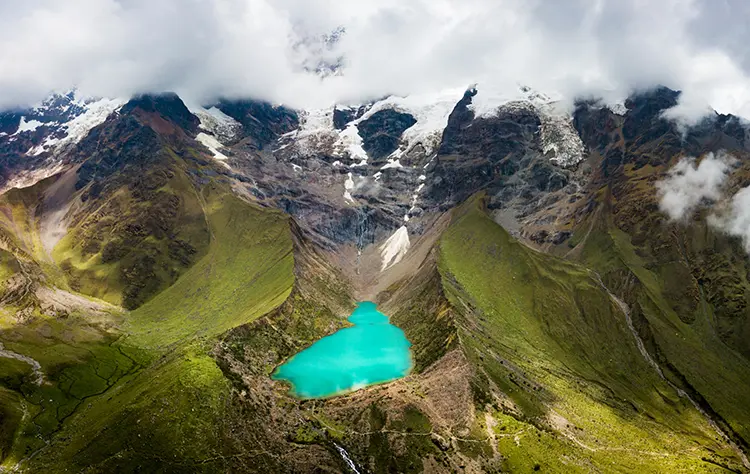
Choosing the right time to experience the Andes ultimately depends on balancing environmental visibility against visitor density and landscape aesthetics. To help calibrate your expectations against the realities on the ground, the following matrix contrasts Peru’s two primary climatic periods:
| Factor | Dry Season (Apr/May–Oct) | Rainy Season (Nov–Mar) |
|---|---|---|
| Andes Rainfall | Lower, minimal precipitation | Higher, regular afternoon showers |
| Mountain Visibility | Generally clear and expansive | More variable with mist and clouds |
| Landscapes | Golden, arid, and open | Lush, vibrant green valleys |
| Trekking | Generally favorable and stable | More variable and moist |
| Visitor Levels | Higher peak tourist volume | Typically lower and quieter |
| Night Temperatures | Colder and crisp at altitude | Often milder due to cloud cover |
| Planning | Requires booking far in advance | Allows for some flexibility |
(For insights on the contrasting period, read our complete guide to the rainy season in Peru).
Who Should Travel During Peru’s Dry Season?
Determining whether the dry season aligns with your travel aspirations depends entirely on your personal priorities, pacing, and tolerance for crowds. The season serves specific travel intents exceptionally well:
Good Fit For: Who Will Love Traveling During the Dry Season?
First-Time Visitors Wanting Classic Vistas: Travelers embarking on their inaugural journey to Peru who want reliable blue skies, crystal-clear mountain visibility, and iconic, unobstructed photographs of Machu Picchu and the high Andes.
Dedicated Trekking Enthusiasts: Hikers committing to multi-day alpine expeditions-such as the Inca Trail, Salkantay, or the Huayhuash circuit-where stable ground and predictable trail conditions are paramount for physical endurance and safety.
Families and Multigenerational Groups: Travelers requiring structured, highly predictable daily logistics, smooth internal flight schedules, and seamless transfers without weather-related operational friction.
Photography Enthusiasts Seeking Clear Horizons: Those whose artistic focus relies on sharp, crisp mountain framing, wide-angle Andean landscapes, and brilliant alpine lighting.
May Prefer Another Season: Who Should Consider Alternatives?
Travelers Who Dislike Crowds: Visitors whose primary definition of luxury is privacy, seclusion, and avoiding heavy tourist congestion at major archaeological sites during peak global holiday months.
Admirers of Lush, Vibrant Landscapes: Those who prefer seeing the Andes blanketed in brilliant emerald green, cascading waterfalls, and blooming wildflowers rather than the golden, arid tones of the dry months.
Flexible Explorers Seeking Intimate Pacing: Travelers who appreciate a quieter, more reflective travel rhythm and want the freedom to navigate destinations without competing against peak international demand.
Frequently Asked Questions About Peru’s Dry Season
When is the dry season in Peru?
The dry season in Peru runs primarily from April or May through October across the Andean highlands, defined by stable atmospheric pressure systems that bring brilliant daytime sunshine and lower precipitation. However, Peru’s coastal strip and Amazon basin operate on entirely independent meteorological cycles.
What months are driest in Peru?
June, July, and August are statistically the driest, most stable months across the high Andes. During this peak winter window, rainfall is at its minimum, though clear high-altitude skies cause a sharp drop in nighttime temperatures.
Is June a good month to visit Peru?
Yes, June offers exceptional dry-weather conditions and coincides with major cultural celebrations, most notably the Inti Raymi festival in Cusco. However, it also marks the official entry into peak global travel demand, requiring advanced planning.
Is July too crowded in Peru?
July is one of the most active months of the year for international tourism. While meteorological conditions are prime, popular historical sites experience heavy visitor volumes, necessitating early ticket acquisitions, private transport coordination, and strategic pacing.
Is October still dry in Peru?
October functions as a transitional shoulder month. While it still provides many pleasant, clear days ideal for travel, atmospheric patterns gradually shift toward the return of spring moisture, particularly toward the final weeks of the month.
Is Machu Picchu better in the dry season?
The dry season provides the most predictable weather, stable visibility, and favorable trail conditions for exploring the sanctuary. Nevertheless, it comes paired with peak visitor density, requiring early booking protocols for both entry permits and luxury rail services.
Does it ever rain during Peru’s dry season?
While overall rainfall is minimal, the Andean microclimate is dynamic. Brief, unexpected mountain showers or passing cloud bursts can occasionally occur even during the core dry months, making versatile layers essential.
Is Peru cold during the dry season?
Yes, particularly in high-altitude zones such as Cusco, the Sacred Valley, and Lake Titicaca. While daytime sun feels warm and intense, the lack of cloud cover causes thermal heat to escape rapidly after sunset, frequently plunging nighttime temperatures near or below freezing.
What is the best dry-season month for trekking?
May through August provides the most reliable trail conditions for high-altitude expeditions. Specifically, June and July offer the driest terrain and clearest mountain passes for demanding routes like the Inca Trail and Salkantay.
Is the Amazon dry from May to October?
The Amazon basin does not experience a true dry season, but rather a period of lower relative precipitation. While humidity and tropical warmth remain constant year-round, these months lower river levels, expose sandbars, and make forest trails significantly more accessible for exploration.
How to Plan a Private Peru Journey During the Dry Season
The best dry-season itinerary depends on your destinations, travel style, and preferred pace.
May and September can be especially attractive for travelers seeking favorable weather with fewer peak-season crowds, while June through August offers some of the most stable conditions for trekking and mountain scenery.
Because Peru’s regions have very different climates, a well-planned journey should consider each destination separately. Kuoda’s local Travel Designers take season, altitude, regional climate, availability, and pacing into account when crafting private journeys across Peru. They can coordinate Machu Picchu entry times, preferred trains, private guides, accommodations, and multi-region itineraries around each traveler’s priorities.
Whether you are planning a classic Andean journey or a broader cultural itinerary across several regions, thoughtful coordination can make the experience more seamless from beginning to end.
Ready to shape your journey? Explore our guide to the best time to visit Peru or Design My Private Peru Trip with our team today.
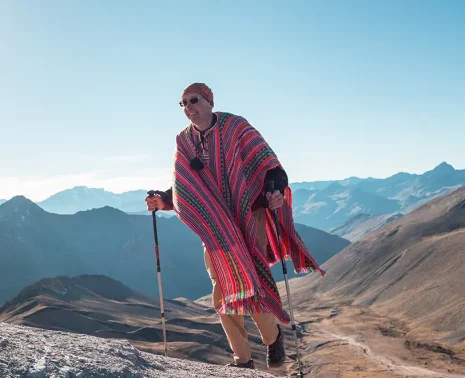
Best Time to Visit Peru: When to Go by Region & Experience
Planning a journey to Peru is an exciting step toward exploring a land of extraordinary diversity, from the so...
Read Post
The Lost City Colombia and the Meaning of Reaching It
Some destinations are defined by what they are. Others by what it takes to reach them. The Lost City Col...
Read Post
Best Galápagos Cruises: Choosing the Right Way to Experience the Islands
The phrase “best Galápagos cruises” suggests comparison. Ships, cabins, amenities, itineraries. It invite...
Read Post
8 DAYS
Luxury Machu Picchu Tours: Unveiling Peru’s Timeless Wonders
Cusco, Lima, Machu Picchu, Sacred Valley

8 DAYS
Peru Family Vacation: Journey to Machu Picchu and Beyond
Cusco, Lima, Machu Picchu, Sacred Valley

11 DAYS
Amazon River Cruise: A Luxury Journey Through the Amazon
Lima, Cusco, Sacred Valley, Machu Picchu, Iquitos, Amazon River