September 23, 2026 | by: Kuoda Authors


The phrase “best Galápagos cruises” suggests comparison. Ships, cabins, amenities, itineraries. It invites evaluation through features.
But the Galápagos do not reward comparison in that way.
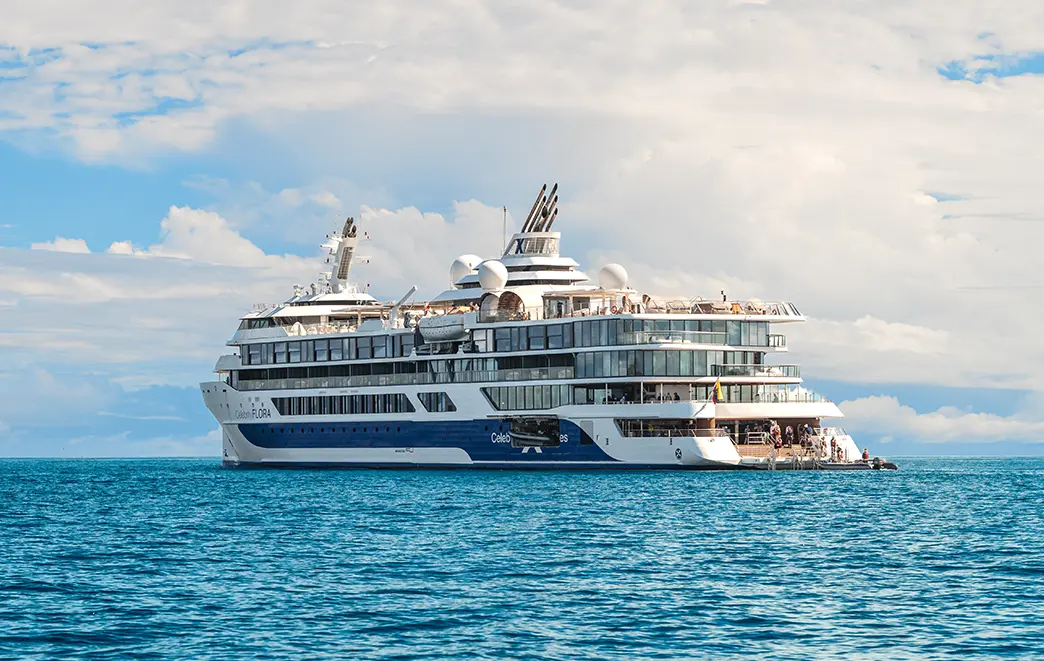
What defines the experience is not the vessel itself, but how it moves through the islands. How each landing is timed. How groups are managed. How transitions are handled between environments that feel, at times, almost unreal in their isolation.
A cruise in the Galápagos is not simply a place to stay. It is the framework through which the islands are experienced.
Choosing well is less about selecting the most impressive option, and more about understanding how the journey is designed.
Rethinking “Best” in the Context of Galápagos Cruises
Why the Vessel Is Only Part of the Experience
It is natural to begin with the ship. Size, comfort, design.
Yet in the Galápagos, the vessel is secondary to access.
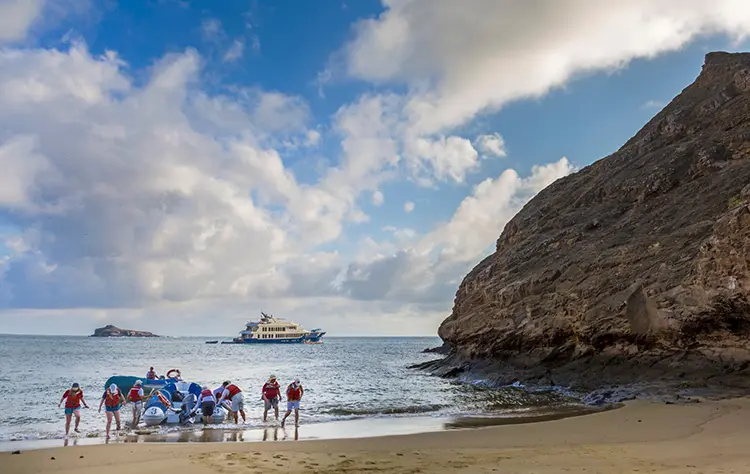
The number of passengers determines how landings unfold. Smaller groups allow for quieter moments, more space, and a sense that the islands are being experienced rather than visited. Larger groups, even when well-managed, introduce a different rhythm. More structured, less fluid.
The difference is subtle, but cumulative.
The most refined Galápagos cruises understand this balance. They do not compete through scale or excess. They create space.
The Importance of Guides Over Amenities
Time in the Galápagos is structured around guided exploration. Each landing, each walk, each moment of observation is shaped by the person interpreting it.
A well-informed guide transforms the experience from visual to meaningful. Wildlife behavior, ecological relationships, evolutionary context. What might appear as a simple encounter becomes something layered and understood.
This is where the distinction between cruises becomes most evident.
The ship may frame the journey, but the guide defines it.
Route Design Within the Best Galápagos Cruises
Why Itineraries Are Not Interchangeable
Not all Galápagos itineraries are equal, even when they appear similar on paper.
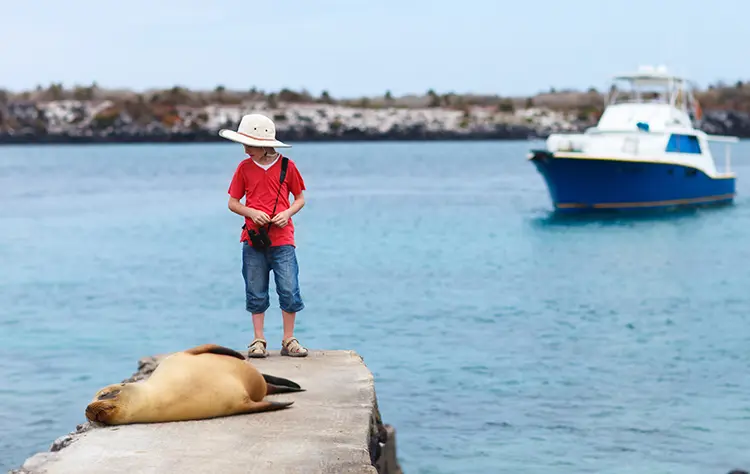
Each island offers a different perspective. Some emphasize geological formations, others wildlife density, others the subtle interplay between the two. The sequence in which they are visited shapes how the experience builds.
An itinerary that moves too quickly between contrasting environments can feel disjointed. One that is carefully sequenced allows for continuity. Observations deepen. Patterns begin to emerge.
This is where expertise becomes essential. Understanding not only where to go, but how to move between those places in a way that feels intentional.
Eastern vs. Western Routes
While both regions are extraordinary, they offer different experiences.
Eastern routes tend to be more accessible, with a balance of landscapes and wildlife. Western itineraries often feel more remote, with a higher concentration of unique species and more dramatic geological formations.
Neither is inherently better.
The question is how each aligns with the traveler’s expectations, pace, and interests. The best Galápagos cruises are not defined by choosing one over the other, but by selecting the route that creates the most coherent experience.
Timing, Pace, and Daily Rhythm

The Structure of a Day in the Galápagos
Days on a Galápagos cruise are carefully structured. Early morning landings, midday navigation, afternoon exploration.
This rhythm is deliberate.
Wildlife activity shifts throughout the day. Light changes the perception of the landscape. Temperatures influence comfort and energy. The timing of each outing affects not only what is seen, but how it is experienced.
A well-designed cruise aligns with these natural patterns.
When Pace Becomes the Difference
Some itineraries attempt to maximize activity. More landings, more islands, more movement.
At first glance, this appears to offer more value.
In practice, it can reduce depth. Experiences blur together. There is less time to absorb what has been encountered.
A more measured pace allows the islands to unfold. Time to observe, to reflect, to notice details that would otherwise be missed.
The best Galápagos cruises understand that restraint creates clarity.
What Most Travelers Overlook When Choosing a Cruise
Focusing Too Heavily on the Ship
It is easy to be drawn toward design, comfort, and amenities.
While these matter, they do not define the experience.
A beautifully designed vessel cannot compensate for a poorly structured itinerary. Nor can it replace the role of a skilled guide.
The emphasis should shift from what the ship offers to how the journey is shaped.
Underestimating the Impact of Group Size
The number of travelers on board directly affects access.
Smaller groups move more easily between landings. They create less disruption. They allow for quieter observation.
This is not always immediately visible when reviewing options, but it becomes evident during the experience itself.
Treating the Galápagos as an Isolated Experience
Many travelers approach the Galápagos as a standalone destination.
While it can be experienced this way, it often feels more complete when integrated within a broader Ecuador itinerary. Time on the mainland provides context. It establishes rhythm. It prepares the traveler for the distinct environment of the islands.
When the Galápagos are positioned thoughtfully within a larger journey, they feel less like a departure and more like a continuation.
The Invisible Design Behind the Best Galápagos Cruises
Coordination That Remains Unseen
Every landing in the Galápagos is regulated. Visitor numbers, timing, access points.
What appears effortless is the result of careful coordination.
Permits are managed, schedules are aligned, movements are timed to avoid congestion. The traveler experiences fluidity, but behind that lies precision.
This is rarely visible, but it defines the quality of the journey.
Access Through Relationships
The Galápagos operate within a controlled framework. Access is not simply booked, it is managed.
Understanding how to navigate this system allows for a smoother, more coherent experience. It ensures that each moment aligns with the broader rhythm of the journey.
This is where designing travel from within the region changes what is possible. It allows for decisions that are informed not by availability alone, but by how each element contributes to the overall experience.
Sustainability Within Galápagos Cruises
Sustainability in the Galápagos is not optional. It is foundational.
The ecosystem is highly protected, and every aspect of travel is structured to minimize impact. Visitor numbers are controlled. Routes are regulated. Interactions with wildlife are carefully managed.
The role of the traveler is to move within this framework with awareness.
The best Galápagos cruises align with this responsibility. They operate within established guidelines while maintaining a high level of experience. They prioritize conservation not as an add-on, but as an integral part of how the journey is designed.
This reflects a broader approach to travel that values long-term preservation over short-term access, ensuring that the islands remain as they are for future generations .
FAQs
How many days are ideal for a Galápagos cruise?
Most Galápagos cruises range from 5 to 8 days. A longer itinerary generally allows for a more complete exploration and a better sense of continuity between islands.
Are smaller ships always better in the Galápagos?
Smaller ships often provide a more intimate experience with easier access during landings. However, the best choice depends on how the itinerary, guide quality, and overall journey design come together.
When is the best time to take a Galápagos cruise?
The Galápagos can be visited year-round. Each season offers different wildlife activity and environmental conditions, so timing should align with what the traveler hopes to experience.
Can the Galápagos be combined with mainland Ecuador?
Yes, and often to great effect. Integrating the islands within an Ecuador itinerary can create a more balanced and connected journey.
A More Considered Way to Experience the Galápagos
The best Galápagos cruises are not defined by the ship, but by how the journey is shaped.
When timing aligns with nature, when routes are sequenced with intention, and when space is allowed for the experience to unfold, the islands reveal themselves differently.
What might otherwise feel like a series of remarkable sightings becomes something more cohesive. A deeper understanding of how these environments function, how species interact, how isolation has shaped everything that exists there.
The experience becomes quieter, more focused, more present.
And it begins, as it should, with choosing not what appears most impressive, but what is most thoughtfully designed.
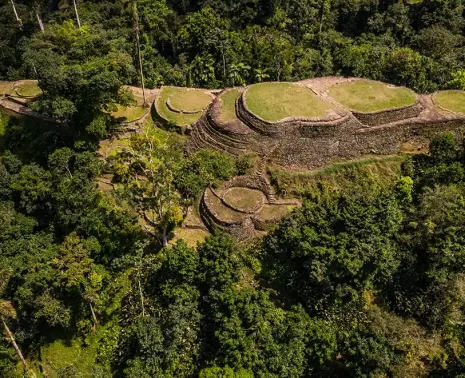
The Lost City Colombia and the Meaning of Reaching It
Some destinations are defined by what they are. Others by what it takes to reach them. The Lost City Col...
Read Post
Designing an Ecuador Itinerary with Intention: How to Experience the Country Beyond the Obvious
An Ecuador itinerary is often approached as a checklist. A few days in Quito, a quick passage through the Ande...
Read Post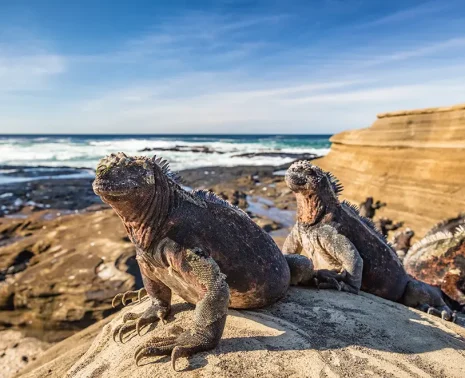
Luxury Cruise Galapagos and the Art of Moving Through a Protected World
The Galápagos Islands are not a destination that can be approached casually. They operate under a differen...
Read Post
8 DAYS
Luxury Machu Picchu Tours: Unveiling Peru’s Timeless Wonders
Cusco, Lima, Machu Picchu, Sacred Valley

8 DAYS
Peru Family Vacation: Journey to Machu Picchu and Beyond
Cusco, Lima, Machu Picchu, Sacred Valley

11 DAYS
Amazon River Cruise: A Luxury Journey Through the Amazon
Lima, Cusco, Sacred Valley, Machu Picchu, Iquitos, Amazon River