October 13, 2026 | by: Kuoda Authors


Planning a journey to Peru is an exciting step toward exploring a land of extraordinary diversity, from the soaring peaks of the Andes to the dense greenery of the Amazon basin and the dramatic Pacific coastline. Because of Peru’s complex geography, there is no single answer to when you should go.
The best time to visit Peru depends entirely on where you want to go and what you want to experience. For most Andean journeys and classic treks, May through October offers drier weather, with June through August marking the peak dry season. If you prefer a balance of favorable conditions and fewer visitors, the shoulder months of April, May, September, and October provide an exceptional window. Meanwhile, Peru’s coast and the Amazon basin follow entirely different seasonal weather patterns.
When Is the Best Time to Visit Peru?
Determining the ideal time for your journey requires looking beyond generic seasons and examining how weather interacts with Peru’s distinct regions. Rather than relying on rigid notions of spring or winter, travelers should evaluate conditions based on three core periods: the dry season, the rainy season, and the shoulder seasons.
Peru Weather and Seasons at a Glance
| Period | Andes | Amazon | Coast | Best For |
|---|---|---|---|---|
| Dec–Mar | Wetter / rainy season | Higher water levels & frequent rain | Warmer & sunnier | Coastal exploration & cultural travel |
| Apr–May | Transitional / shoulder | Changing water levels | Pleasant & mild | Shoulder-season travel & fewer crowds |
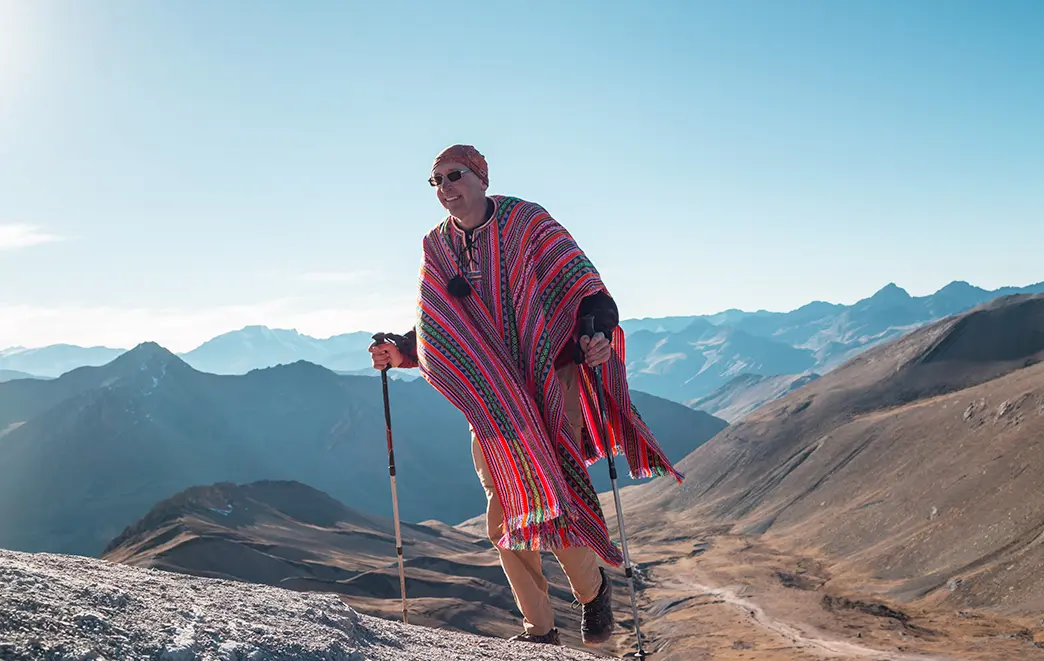
| Jun–Aug | Driest / peak season | Lower-water period | Cooler Lima conditions | Trekking & high Andean exploration |
| Sep–Oct | Dry transitioning to wet | Transitional water levels | Warming up | Ideal balance of conditions & low crowds |
| Nov | Rains begin | Increasing moisture | Warming | Flexible travel & lush landscapes |
Peru Month by Month
January: Rainy conditions settle into the Andes, while Peru’s coast experiences warm summer weather. The Amazon basin displays high-water tendencies.
February: One of the wettest months across the southern Andes, prompting the temporary annual maintenance closure of the Inca Trail. The coast remains warm and sunny.
March: A progressive transition month as rainfall begins to ease in the highlands, leaving landscapes intensely green.
April: A wonderful shoulder month. Rain tapers off, and the Andean countryside is vibrant, lush, and uncrowded.
May: The formal beginning of the dry season. Skies clear up, making it an exceptional window for early-season trekking and exploration.
June: Characterized by dry, crisp conditions in the mountains and major cultural events like Inti Raymi in Cusco. Demand is high.
July: Dry and cold at high altitudes. Peak travel season brings vibrant energy to historical sites across the country.
August: Continues the dry, stable weather pattern, making it prime time for high-altitude trekking and outdoor excursions.
September: Highly favorable weather with gradually increasing visitor flexibility as the peak rush subsides.
October: A wonderful shoulder month before the southern summer rains begin to return to the high mountains.
November: The wet season begins its gentle return to the Andes, breathing new life into local flora and agricultural fields.
December: Andean showers increase, while the Pacific coast enters its warmest, sunniest summer months.
Best Time to Visit Peru by Region
Cusco, Sacred Valley and Machu Picchu
For most travelers dreaming of Inca heritage, May through October provides the most reliable conditions with drier skies. June through August brings peak tourist activity and crisp, clear days. If you prefer breathing room at archaeological sites, April, May, September, and October offer an ideal balance. For those who love vibrant green scenery and quieter trails, the rainy season in Peru presents a completely unique aesthetic. Explore more details within our Cusco Travel Guide, Machu Picchu Guide, and Sacred Valley Guide.
Lake Titicaca and Puno
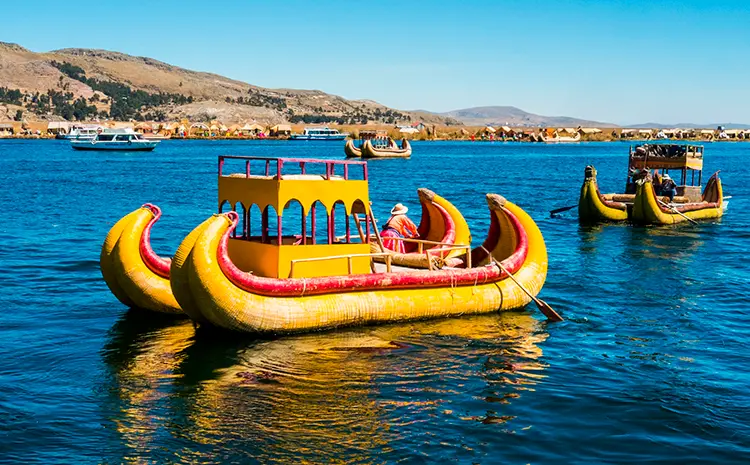
The high-altitude shores of Lake Titicaca experience drier weather roughly between April and October, characterized by intense blue skies and cold nights. The wet season spans November through March. Discover tailored recommendations in our Puno Travel Guide.
Peruvian Amazon
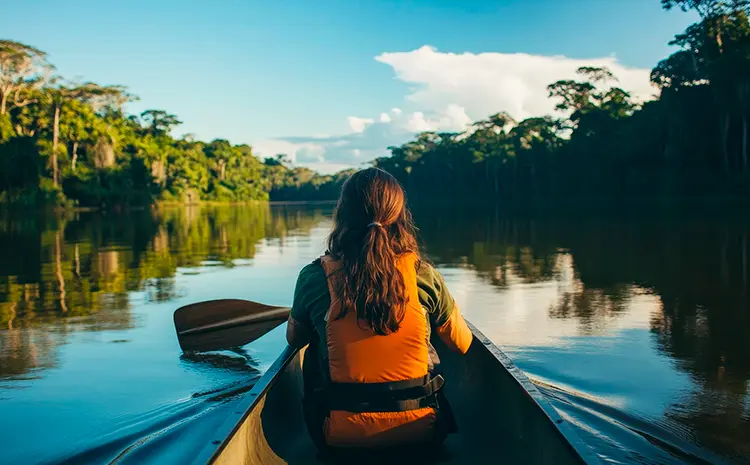
The Amazon does not experience a traditional “dry” season in the same way the Andes do. Instead, it divides into the high-water season (typically December to May), which is exceptional for navigating flooded forests by boat, and the low-water season (June to November), which provides better access to jungle trails for spotting wildlife on foot.
Lima and the Pacific Coast
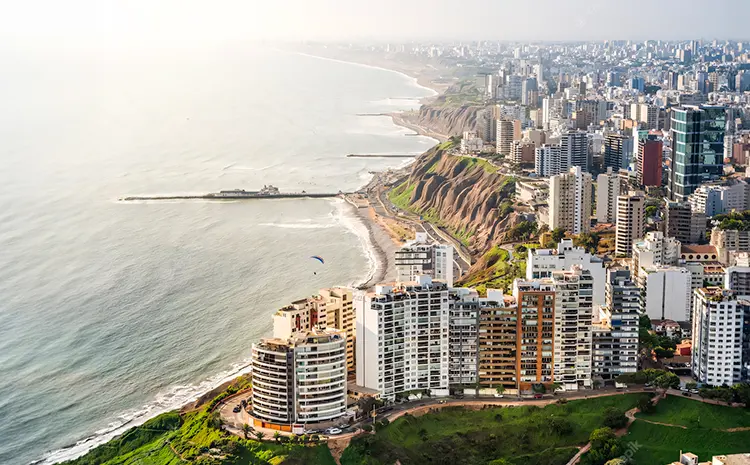
The coastal desert defies Andean weather patterns entirely. Lima and nearby coastal zones are warmest and sunniest during the southern hemisphere’s summer (December to March). Winter months (June to October) often bring the characteristic coastal mist known as garúa.
Paracas and Ica
Located on the southern desert coast, Paracas and Ica enjoy sunny, arid conditions year-round, making them fantastic extensions to any coastal itinerary regardless of what is happening in the high Andes.
Northern Peru
Regions like Chachapoyas and the northern coast possess their own distinct microclimates, offering rewarding cultural and archaeological exploration during shoulder periods when travelers want to look beyond the conventional southern circuit.
Best Time to Visit Peru by Travel Style
Trekking and Hiking: May through September offers the most stable trail conditions and clear mountain passes.
Culture and Archaeology: Shoulder months (April–May and September–October) allow for immersive exploration of ruins without heavy tourist congestion.
Food and Gastronomy: Peru’s culinary scene in Lima and Cusco is world-class 365 days a year, unaffected by seasonal weather shifts.
Amazon Wildlife: Choose high-water months for aquatic excursions or low-water months for jungle trekking.
Family Travel: The drier shoulder months or coastal summer periods provide comfortable pacing and reliable logistics for family members of all ages.
Couples and Honeymoons: Private romantic getaways shine during shoulder months, balancing great weather with intimate privacy at luxury lodges.
Photography: The transition and late-wet months (April and November) deliver dramatic skies, vibrant green valleys, and crystal-clear mountain lighting.
Are Peru’s Shoulder Seasons the Best Time to Visit?
For many discerning travelers, April–May and September–October represent the sweet spot of Peruvian travel. These transitional months combine favorable weather patterns with significantly smaller crowds than the peak winter rush. While brief afternoon showers can occasionally occur, the reward is a more peaceful, unhurried connection with the landscape.
What About Peru’s Rainy Season?
Running primarily from November through March (with peak rainfall in January and February), the rainy season transforms the Andean highlands into a lush, vibrant green paradise. While hiking trails like the Inca Trail experience a temporary closure in February for maintenance, majestic sites like Machu Picchu remain open, peaceful, and beautifully framed by emerald mountains. For a deeper dive, read our complete guide to the rainy season in Peru.
What About Peru’s Dry Season?
Spanning May through October, the dry season is characterized by bright blue skies, sunshine, and excellent trekking conditions. Because it coincides with global vacation periods, popular destinations experience higher visitor volume and colder nighttime temperatures in the high mountains. Learn more in our dedicated guide to the dry season in Peru.
Weather Is Only Part of the Decision
Choosing when to travel involves balancing more than just meteorology. Consideration must also be given to local festival calendars, Machu Picchu permit availability, luxury train capacity, and your personal appetite for crowd levels. A truly well-designed journey factors in all these moving elements.
Seasonal Events That Can Influence When You Visit
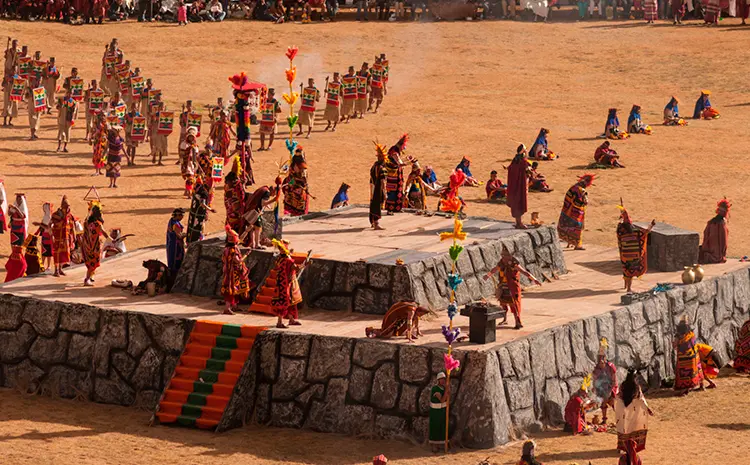
Inti Raymi (June): Cusco’s grand festival of the sun brings historic pageantry and vibrant energy, requiring advance planning.
Qoyllur Rit’i (May/June): An ancient indigenous pilgrimage blending Catholic and Andean traditions high in the Andean mountains.
Paucartambo / Virgen del Carmen (July): A breathtaking display of traditional dance, music, and colorful costumes in a historic Andean town.
So, When Should You Visit Peru?
For first-time explorers: Consider the shoulder periods of May or September for an ideal balance of weather and space.
For dedicated trekkers: Focus on the core dry months between June and August.
For photography and lush landscapes: April and November offer dramatic scenery and blooming valleys.
For avoiding crowds: Embrace the quiet beauty of the shoulder or early rainy months.
Frequently Asked Questions
What is the best month to visit Peru?
May and September are widely considered exceptional months, offering favorable weather conditions, manageable crowds, and beautiful landscapes.
What is the best time to visit Machu Picchu?
The drier months from May to October provide the most consistent weather for exploring the sanctuary.
What is the rainy season in Peru?
The rainy season runs from November to March, bringing warmer daytime temperatures and afternoon showers to the Andes.
What is the dry season in Peru?
The dry season runs from May to September, featuring clear skies, little rain, and colder nights in the mountains.
Is June a good month to visit Peru?
Yes, June is ideal for trekking and experiencing cultural festivals like Inti Raymi, though visitor volume is high.
Is October a good month to visit Peru?
October is a fantastic shoulder month offering pleasant weather and fewer crowds before the rainy season begins.
What months have the best weather in Peru?
May through October generally brings the driest, clearest weather to the Andean highlands.
When is Peru least crowded?
Peru is least crowded during the rainy and shoulder months, particularly November through March and April.
What is the best time to visit Peru and the Amazon?
The dry months (May to October) allow you to combine clear Andean weather with accessible Amazonian wildlife trails.
How far in advance should I plan a Peru trip?
For peak dry-season travel, planning 6 to 9 months in advance is recommended, especially for securing permits and luxury accommodations.
Not Sure Which Season Fits Your Journey?
Kuoda’s travel designers consider regional weather, altitude, festivals, wildlife cycles, crowd flow, and your personal priorities when deciding how to sequence a private Peru journey.
Ready to start shaping your itinerary? Explore our Peru Destination options or Design My Private Peru Trip with our team today.

Rainy Season in Peru: When It Is and What to Expect
When is the rainy season in Peru, and what should travelers actually expect? Understanding how the wet season ...
Read Post
Dry Season in Peru: Best Months, Weather & What Travelers Should Know
When is the dry season in Peru, and what can travelers truly expect during these months? Understanding Peru’...
Read Post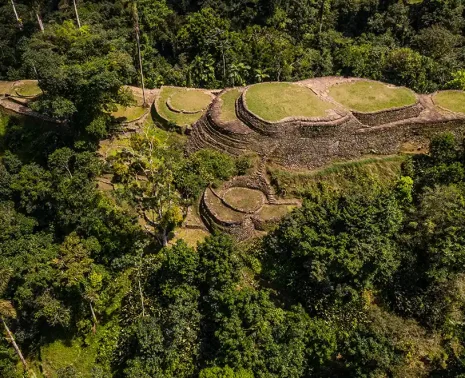
The Lost City Colombia and the Meaning of Reaching It
Some destinations are defined by what they are. Others by what it takes to reach them. The Lost City Col...
Read Post
8 DAYS
Luxury Machu Picchu Tours: Unveiling Peru’s Timeless Wonders
Cusco, Lima, Machu Picchu, Sacred Valley

8 DAYS
Peru Family Vacation: Journey to Machu Picchu and Beyond
Cusco, Lima, Machu Picchu, Sacred Valley

11 DAYS
Amazon River Cruise: A Luxury Journey Through the Amazon
Lima, Cusco, Sacred Valley, Machu Picchu, Iquitos, Amazon River