July 06, 2026 | by: Kuoda Authors


Searching for a top-rated Peru travel agency often begins with the wrong criteria. Travelers compare star ratings, browse sample itineraries, or evaluate hotel portfolios as though the experience itself can be measured through surface-level similarities. But in Peru, where geography, altitude, logistics, and cultural nuance shape nearly every stage of the journey, the quality of a travel experience depends far less on what is booked than on how the entire trip is understood and orchestrated.
Many Peru itineraries can look similar on paper. Lima, the Sacred Valley, Machu Picchu, Cusco, perhaps the Amazon or Lake Titicaca. The difference emerges in the transitions. It appears in pacing decisions, altitude management, regional sequencing, guide selection, contingency planning, and the ability to adapt fluidly when conditions shift.
The best travel agencies in Peru are not simply organizing reservations. They are interpreting the country.
This distinction matters because Peru rewards travelers who move through it thoughtfully. It is a destination where timing changes atmosphere, where overcrowding can alter archaeological sites dramatically within hours, and where a poorly sequenced itinerary quietly diminishes the experience long before travelers realize why.
A truly top-rated Peru travel agency understands that the journey itself is the product, not the individual components within it.
Why Operational Presence Matters More Than Most Travelers Realize
One of the most important differences between Peru travel agencies is whether they operate from within the country itself or manage Peru remotely from abroad.
For travelers planning high-value journeys, this distinction becomes increasingly important.
Peru is not a static destination. Infrastructure shifts, weather patterns evolve, local festivities affect movement through cities and archaeological sites, and operational realities can change quickly across regions. Agencies with real on-the-ground presence understand these dynamics differently because they experience them directly rather than rfeactively.
From within Peru, travel design becomes more precise.
A guide recommendation is based on actual working relationships rather than outsourced coordination. Adjustments can be made quickly when regional conditions change. Airport timing, train sequencing, restaurant reservations, local access, and seasonal pacing are shaped through current operational understanding rather than generalized assumptions.
This local fluency often becomes invisible when everything functions smoothly. But invisibility is precisely the point.
The strongest travel experiences feel seamless because complexity has already been anticipated and resolved before it reaches the traveler.
Why Peru Requires More Than Standard Itinerary Planning
Travelers often underestimate how physically and emotionally varied Peru can be.
The country shifts rapidly between climates, elevations, cultural identities, and logistical realities. Coastal Lima operates at a completely different rhythm than the Sacred Valley. The Amazon introduces another entirely separate pace and environmental context. Even within the Andes, movement between Cusco, Machu Picchu, and Lake Titicaca requires careful consideration around altitude, energy levels, and sequencing.
This is why a top-rated Peru travel agency does not simply assemble destinations together chronologically.
Strong Peru travel design accounts for:
- acclimatization rhythm
- emotional pacing
- transfer fatigue
- regional contrast
- continuity between experiences
For example, many first-time travelers assume they should arrive directly into Cusco because it appears geographically efficient. In reality, beginning in the Sacred Valley often creates a far smoother transition into the Andes due to its lower elevation and gentler pacing. The result is not merely physical comfort. It changes how travelers absorb the experience itself.
Likewise, Peru itineraries become stronger when archaeological intensity is balanced with quieter moments of landscape, cuisine, or cultural interaction rather than compressing major sites consecutively without space to process them.
The best agencies understand Peru as a progression rather than a checklist.
The Difference Between Access and Understanding
Luxury travel has evolved significantly over the last decade. Access alone no longer defines a premium experience.
Most travelers today can research hotels, identify popular restaurants, and reserve train tickets independently. What they cannot easily replicate is judgment.
A top-rated Peru travel agency provides interpretation.
This includes understanding:
- which experiences genuinely deserve time
- which are overemphasized
- when private access meaningfully improves the experience
- how to avoid fragmented pacing
- where flexibility matters most
- how regional identities differ across the country
Machu Picchu itself illustrates this clearly.
The experience is shaped not only by entrance tickets, but by train timing, overnight positioning, guide pacing, circuit selection, crowd flow, weather considerations, and how the visit fits within the broader Andes journey. Travelers who approach the site in isolation often experience it very differently than those arriving through a thoughtfully structured progression across the Sacred Valley.
The same applies throughout Peru.
The value lies not in individual reservations. It lies in how each decision supports the larger emotional rhythm of the journey.
Why Relationships Shape the Experience
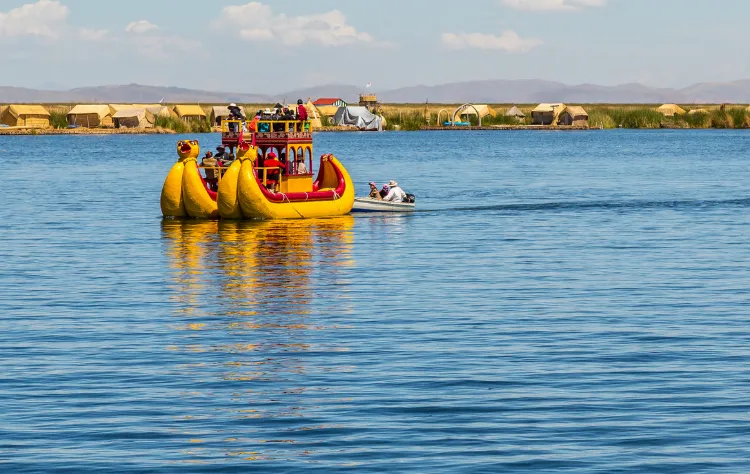
Peru remains a relationship-driven destination in many important ways.
Long-standing local partnerships influence guide quality, operational flexibility, regional coordination, and the consistency of the traveler experience itself. This is especially true in destinations where smaller properties, remote lodges, local communities, and regional specialists play central roles in the journey.
A top-rated Peru travel agency is often distinguished by the quality of its relationships behind the scenes.
Not because relationships create exclusivity in a performative sense, but because they create continuity, trust, and responsiveness across the experience.
Travelers feel this indirectly.
A transfer runs smoothly despite unexpected local conditions. A guide adapts naturally to the family’s energy level. Restaurant timing shifts fluidly after weather delays. A regional host understands how to recalibrate the day without creating stress or visible disruption.
These moments rarely appear in marketing materials. Yet they often define how travelers remember the journey.
Why Thoughtful Pacing Has Become a Luxury in Itself
One of the clearest indicators of a strong Peru travel agency today is restraint.
Sophisticated travel no longer revolves around maximizing activity volume. Increasingly, travelers value clarity, ease, and depth over density.
This is particularly important in Peru because the country invites overdesign. Travelers want to include every major site, every region, every recommended experience. Without thoughtful editing, itineraries quickly become physically exhausting and emotionally fragmented.
A strong agency protects the integrity of the journey by understanding what not to include.
Sometimes this means removing destinations that disrupt continuity. Sometimes it means extending stays in places that deserve more time. Sometimes it means slowing down enough for travelers to actually absorb the environments surrounding them rather than simply moving through them efficiently.
Luxury increasingly reveals itself through pacing.
Not through excess.
Sustainability and Responsible Travel in Peru
Travelers seeking a top-rated Peru travel agency are also increasingly evaluating how agencies approach responsibility within the destination itself.
Responsible travel in Peru extends beyond broad sustainability language. It involves operational choices:
- supporting local employment
- working with regional guides and communities
- reducing unnecessary internal movement
- respecting cultural environments
- building long-term local partnerships
The strongest agencies integrate these principles quietly into how journeys function rather than presenting them as separate marketing features.
This approach matters because Peru’s cultural and ecological richness depends heavily on long-term preservation and thoughtful engagement. Travel becomes more meaningful when it contributes positively to the environments and communities that make the experience possible in the first place.
FAQs
What makes a top-rated Peru travel agency different?
A top-rated Peru travel agency is distinguished by local expertise, thoughtful journey design, operational presence within Peru, and the ability to create seamless experiences through strong regional knowledge and coordination.
Is it better to use a Peru-based travel agency?
In many cases, yes. Peru-based agencies often have stronger operational awareness, local relationships, and real-time understanding of regional logistics, which can significantly improve the quality and flexibility of the journey.
How far in advance should I plan a Peru trip?
For thoughtfully designed private travel, most Peru journeys are ideally planned six to nine months in advance, especially when including Machu Picchu, luxury lodges, or travel during peak seasons.
What should I look for in a Peru travel agency?
Travelers should look beyond hotels and pricing alone. Important factors include local operational presence, itinerary pacing, guide quality, communication style, regional expertise, and how well the agency understands the traveler’s priorities and travel rhythm.
The Difference Between Planning and Designing
The most memorable Peru journeys rarely feel overproduced. They feel coherent. The transitions make sense. The pacing feels natural. Challenges are resolved before becoming visible. Travelers move through the country with the sense that each decision was made intentionally rather than assembled mechanically. That level of continuity does not happen accidentally. It emerges through experience, local understanding, and the quiet expertise required to shape Peru around the traveler rather than forcing the traveler to adapt constantly to the destination.

Patagonia Trekking and the Discipline of Moving Through Open Space
Patagonia does not reveal itself quickly. It exists at a scale that resists compression. Distances are wide...
Read Post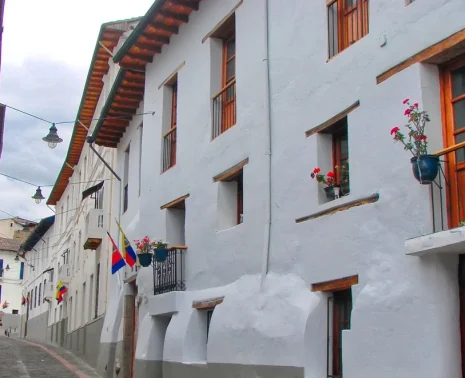
Ecuador Private Travel and the Value of Experiencing Contrast Thoughtfully
Ecuador is one of South America’s most concentrated countries emotionally and geographically. Within rela...
Read Post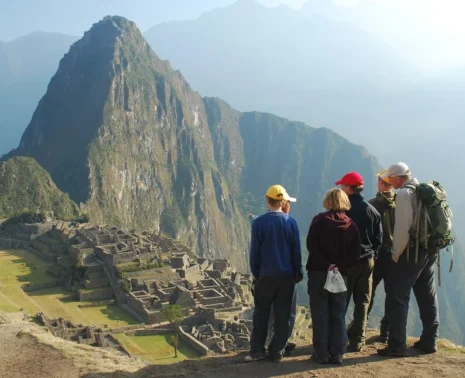
Best Peru Family Itineraries and the Importance of Traveling at the Right Rhythm Together
Peru is one of the rare destinations that genuinely works across generations. Children experience the count...
Read Post
8 DAYS
Luxury Machu Picchu Tours: Unveiling Peru’s Timeless Wonders
Cusco, Lima, Machu Picchu, Sacred Valley

8 DAYS
Peru Family Vacation: Journey to Machu Picchu and Beyond
Cusco, Lima, Machu Picchu, Sacred Valley

11 DAYS
Amazon River Cruise: A Luxury Journey Through the Amazon
Lima, Cusco, Sacred Valley, Machu Picchu, Iquitos, Amazon River