July 31, 2026 | by: Kuoda Authors


Peru is one of the rare destinations that genuinely works across generations.
Children experience the country through movement, trains, wildlife, mountain landscapes, and moments of discovery that feel almost cinematic. Parents often connect more deeply through history, culture, gastronomy, and the emotional experience of exploring somewhere meaningful together. Grandparents may appreciate slower immersion, the rhythm of the Sacred Valley, or the continuity between landscape and tradition that still shapes daily life throughout the Andes.
This layered experience is what makes Peru so rewarding for families.
But the best Peru family itineraries are rarely built around trying to see everything. They are built around pacing.
Peru changes dramatically depending on how travelers move through it. Altitude affects energy levels. The Andes unfold gradually. Cultural immersion deepens over time rather than instantly. Family journeys become most meaningful when the experience feels shared instead of rushed.
The strongest itineraries create enough continuity for everyone to remain connected not only to Peru, but to each other throughout the journey itself.
The Sacred Valley and Why Families Thrive There
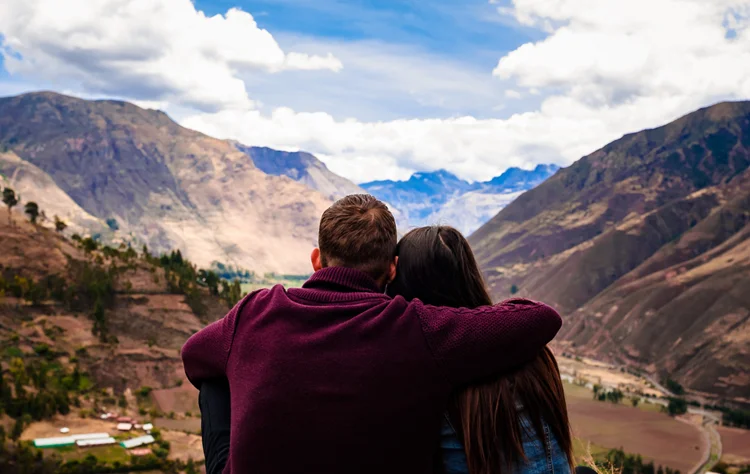
The Sacred Valley often becomes the emotional center of family travel in Peru.
Part of this comes from geography. The altitude is gentler than Cusco, allowing travelers to acclimate more comfortably while easing gradually into the Andes. But the valley also creates a softer relationship with Peru overall. Villages remain closely tied to agriculture, weaving traditions, and mountain rhythm. The landscape feels open and calm rather than overwhelming.
Families often notice the shift quickly.
Meals become slower. Children become more observant. Parents stop focusing entirely on logistics and begin engaging more naturally with the environment surrounding them. The valley creates a form of travel where curiosity develops organically instead of being forced through constant movement.
This pacing matters enormously.
The best Peru family itineraries usually leave enough time in the Sacred Valley for travelers to settle emotionally into the Andes before continuing toward Machu Picchu or more active exploration.
Machu Picchu and Shared Discovery
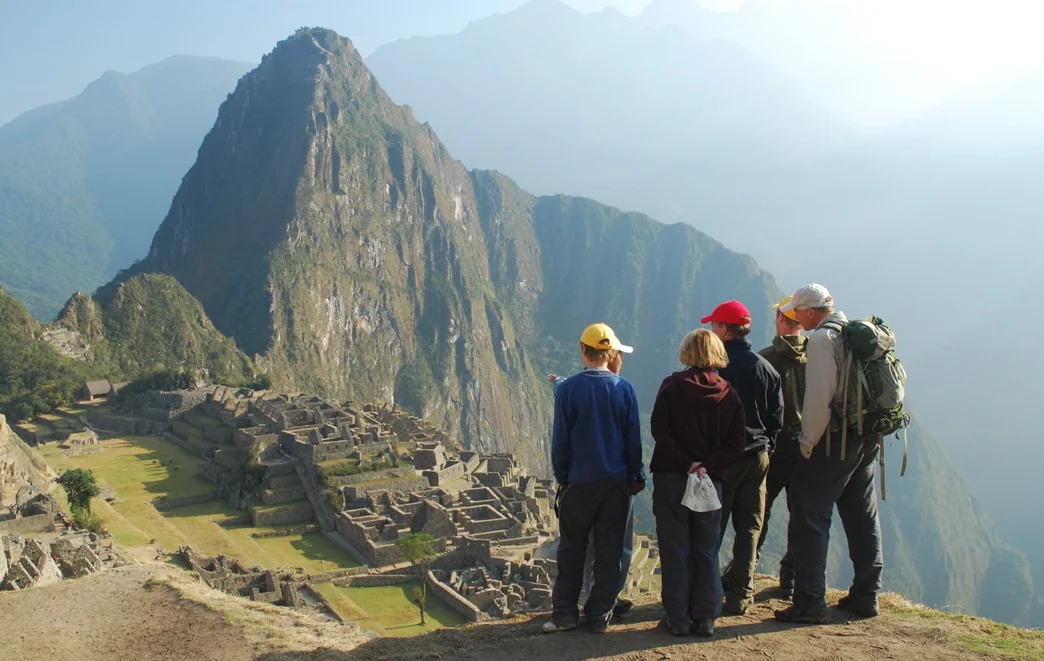
Machu Picchu affects different generations in different ways.
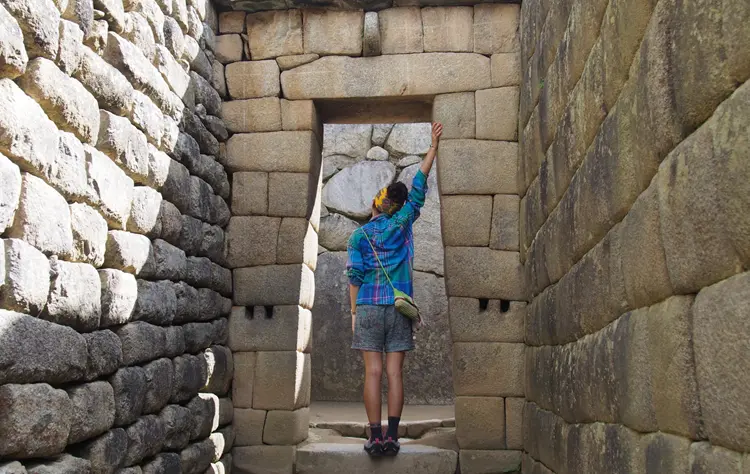
Children often respond immediately to the visual drama of the site itself: mountains surrounding ancient stone structures hidden high above the valley below. Adults frequently experience the emotional impact more gradually, especially after several days moving through the Sacred Valley beforehand.
What makes Machu Picchu especially powerful for families is that the experience naturally becomes collective.
The train through the Andes, changing landscapes, cloud forest transitions, and anticipation leading toward the citadel all create moments shared across generations. Travelers experience the journey together while still connecting to Peru individually.
This balance is important.
The strongest Peru family itineraries understand that family travel is not about making every experience identical for everyone. It is about creating enough shared rhythm that different generations can experience the country meaningfully side by side.
Adventure and Flexibility Can Coexist
Peru works particularly well for families because adventure does not need to feel exhausting.
Some families enjoy active exploration through hiking, horseback riding, or softer trekking experiences in the Andes. Others prioritize wildlife, train journeys, cultural immersion, or slower environmental exploration through the Amazon. Peru supports all of these experiences naturally when pacing is approached thoughtfully.
This flexibility is one of the country’s greatest strengths.
Families do not need to choose between meaningful exploration and comfort. The strongest itineraries balance both carefully. More active days are followed by quieter moments. Environmental contrast is introduced gradually. Travel days feel manageable instead of overwhelming.
Children especially respond well to this rhythm because Peru constantly changes visually and emotionally without requiring nonstop stimulation.
The country keeps curiosity active naturally.
The Amazon and a Different Kind of Family Experience
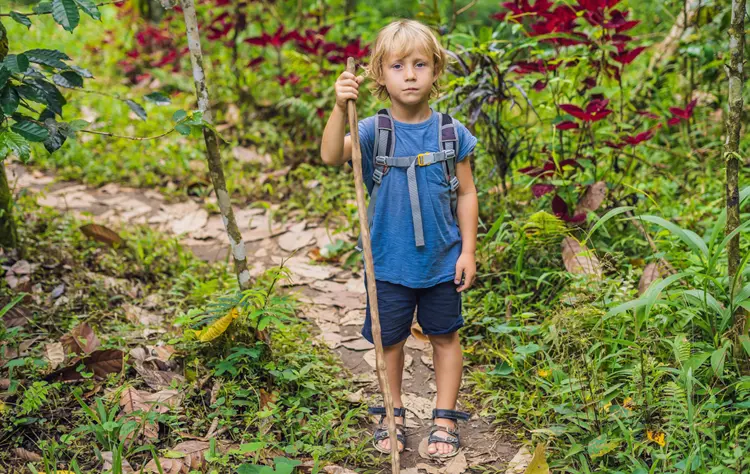
For many families, the Peruvian Amazon becomes one of the most unexpected highlights of the journey.
The rainforest changes attention itself. Wildlife encounters feel immediate and immersive. River systems, canopy sounds, changing weather, and environmental observation create a completely different relationship with travel than the Andes.
Children often engage deeply with the Amazon because the environment feels alive continuously.
Parents frequently notice something else: the rainforest slows the family rhythm down. Travelers stop focusing on schedules and begin adapting more naturally to ecological movement and observation instead.
The strongest Peru family itineraries often combine the Andes and the Amazon because the contrast deepens both experiences. Machu Picchu introduces history and cultural continuity. The rainforest introduces biodiversity, stillness, and environmental immersion.
Together, they create a much broader understanding of Peru itself.
Why Family Travel Requires Different Sequencing
One of the biggest mistakes travelers make while planning family trips to Peru is treating the itinerary like an adult-focused journey with children added afterward.
Family travel requires different rhythm entirely.
Altitude adaptation matters more. Downtime becomes essential. Transitions need to feel softer. The emotional pace of the journey matters just as much as the logistical structure itself.
This is why thoughtful sequencing changes everything.
Families often benefit from:
- beginning in Lima before entering the Andes
- spending additional time in the Sacred Valley
- avoiding excessive hotel changes
- balancing active exploration with slower immersion
- creating enough flexibility for energy levels to shift naturally
The strongest family itineraries feel calm despite the complexity behind them operationally.
Multi-Generational Travel in Peru
Peru also works exceptionally well for multi-generational travel when designed carefully.
Grandparents, parents, and children often engage with the same experience from completely different perspectives while still feeling connected through the journey itself. A weaving demonstration may fascinate children visually while adults appreciate the cultural continuity behind it. Wildlife experiences resonate across generations differently but simultaneously.
This is one reason Peru creates such lasting family memories.
The country naturally encourages shared discovery rather than passive tourism. Families move through landscapes together, adapt to the Andes together, and experience emotional transitions collectively throughout the journey.
The best Peru family itineraries preserve that sense of shared exploration without overloading the experience with excessive movement or structure.
Local Expertise and the Invisible Structure of the Journey
The strongest family journeys through Peru often feel effortless from the traveler’s perspective.
Transitions flow naturally. Timing feels manageable. Families remain emotionally connected to the experience instead of constantly adapting to logistical pressure. This sense of calm rarely happens accidentally.
It requires deep regional understanding.
From our base in South America, we regularly see how dramatically Peru changes when family itineraries are designed around rhythm and continuity rather than simply maximizing destinations. Sometimes the difference comes through slower sequencing. Other times it involves adjusting activity levels, reducing transitions, or creating more balance between exploration and rest.
The strongest journeys feel composed rather than crowded.
Sustainability and Meaningful Family Travel
Family travel in Peru also creates opportunities for more thoughtful tourism.
Slower pacing, stronger local relationships, and longer stays in fewer places naturally encourage deeper engagement with communities and landscapes. Children often respond especially well to experiences that feel authentic and grounded in place rather than overly performative.
Travel becomes more meaningful when families experience Peru as a living environment rather than a sequence of attractions.
FAQs
What are the best Peru family itineraries?
The best Peru family itineraries balance cultural exploration, wildlife, adventure, and downtime while allowing enough flexibility for different ages and energy levels.
Is Peru good for family travel?
Yes. Peru combines archaeology, wildlife, train journeys, mountain landscapes, Amazon exploration, and cultural immersion in ways that naturally engage multiple generations.
How should Peru family itineraries be paced?
The strongest journeys involve slower pacing, fewer transitions, and enough time in regions like the Sacred Valley for families to acclimate and settle into the rhythm of the Andes.
Can Peru family itineraries include both Machu Picchu and the Amazon?
Absolutely. Many families combine the Sacred Valley, Machu Picchu, and the Peruvian Amazon for a more balanced and immersive Peru experience.
Where Peru Begins to Feel Shared
The best Peru family itineraries often become memorable because the journey gradually stops feeling like organized travel and begins feeling like shared discovery instead. Over time, children notice details adults might otherwise overlook, parents settle into the rhythm of the Andes, and families begin moving through Peru together rather than simply visiting it. The country reveals itself through continuity: mountain landscapes unfolding outside train windows, quieter mornings in the Sacred Valley, rainforest sounds replacing urban noise. Peru creates some of its strongest family memories not through constant activity, but through the rare feeling of experiencing a place deeply together across generations.

Patagonia Trekking and the Discipline of Moving Through Open Space
Patagonia does not reveal itself quickly. It exists at a scale that resists compression. Distances are wide...
Read Post
Ecuador Private Travel and the Value of Experiencing Contrast Thoughtfully
Ecuador is one of South America’s most concentrated countries emotionally and geographically. Within rela...
Read Post
South America Travel Designers and the Difference Between Planning and Shaping a Journey
South America is often underestimated operationally. Travelers look at maps and assume destinations connect...
Read Post
8 DAYS
Luxury Machu Picchu Tours: Unveiling Peru’s Timeless Wonders
Cusco, Lima, Machu Picchu, Sacred Valley

8 DAYS
Peru Family Vacation: Journey to Machu Picchu and Beyond
Cusco, Lima, Machu Picchu, Sacred Valley

11 DAYS
Amazon River Cruise: A Luxury Journey Through the Amazon
Lima, Cusco, Sacred Valley, Machu Picchu, Iquitos, Amazon River