June 14, 2026 | by: Kuoda Authors


Many travelers think of the Sacred Valley primarily as the route to Machu Picchu.
Operationally, this is understandable. The valley sits between Cusco and the citadel, connected by train routes, archaeological sites, and Andean villages that naturally fit into most Peru itineraries. But travelers who move through the region too quickly often miss one of the most important dimensions of Peru entirely.
The Sacred Valley is not simply a corridor. It is the emotional foundation of the Andes experience.
A thoughtful Sacred Valley travel experience changes how travelers perceive Peru as a whole. The valley introduces altitude gradually, softens the transition into Andean rhythm, and creates continuity between landscape, agriculture, culture, and history in a way that few other regions in South America do as naturally.
The strongest journeys do not rush through the valley on the way to somewhere else. They allow the valley itself to shape the pace of the trip.
Why the Sacred Valley Feels Different From Cusco
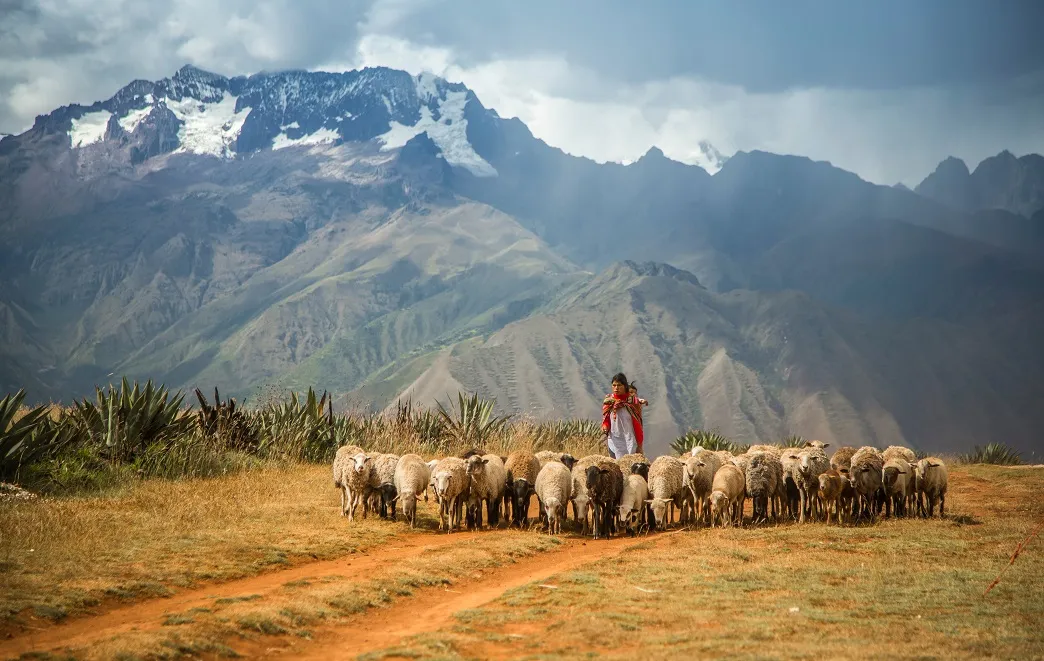
One of the first things travelers notice in the Sacred Valley is that the Andes feel calmer here.
Cusco carries energy and intensity. The city operates through layered history, urban movement, and higher altitude. The Sacred Valley unfolds more gradually. Villages remain closely connected to agricultural cycles. Distances feel softer. Terraces still shape the landscape much as they did centuries ago.
This slower rhythm matters enormously.
A Sacred Valley travel experience often works best at the beginning of a Peru itinerary because it allows travelers to acclimate physically and emotionally before moving deeper into the Andes. Altitude becomes more manageable. The body adjusts naturally. Travelers begin understanding Andean geography not as isolated landmarks, but as a living environment still influencing daily life.
This is where thoughtful sequencing changes the entire Peru journey.
Travelers who move directly into higher elevations too aggressively often spend valuable time recovering rather than engaging fully with the destination itself. The Sacred Valley creates a gentler progression into the Andes while still offering extraordinary cultural and archaeological depth.
The Valley Is Still Deeply Agricultural
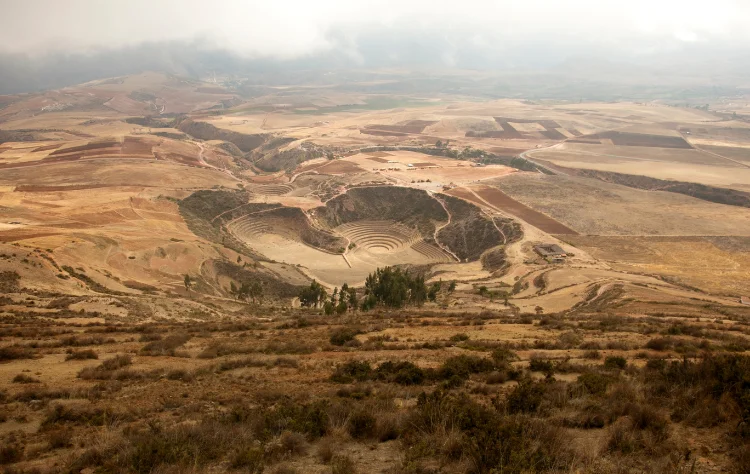
One of the most distinctive aspects of the Sacred Valley is that it still functions as a productive agricultural region rather than purely a historical landscape.
Fields remain active. Terraces continue shaping cultivation. Markets reflect local exchange systems that remain connected to surrounding communities rather than existing solely for tourism. Travelers often notice immediately how closely daily life remains tied to the land itself.
This continuity gives the valley unusual emotional depth.
The strongest Sacred Valley travel experience is rarely defined by checking off archaeological sites quickly. It emerges through understanding how:
- geography shaped Inca civilization
- agriculture supported Andean society
- local communities continue preserving traditions
- landscape and culture remain interconnected today
Travelers begin realizing that the valley is not simply preserving history. It is still living within it.
Why Pacing Matters So Much Here
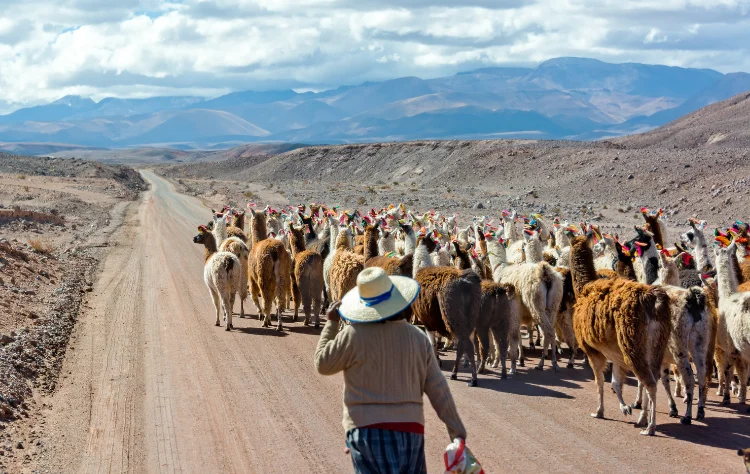
Many Sacred Valley itineraries are designed too aggressively.
Travelers move rapidly between Pisac, Ollantaytambo, Moray, Maras, and Machu Picchu connections, often experiencing the region through constant transportation rather than immersion. While the sites themselves remain extraordinary, the overall experience can become fragmented surprisingly quickly.
A thoughtful Sacred Valley travel experience requires more restraint.
The valley rewards slower movement because much of its impact comes from atmosphere:
- changing mountain light
- village rhythm
- transitions between landscapes
- conversations with local artisans
- meals overlooking agricultural terraces
gradual movement through the Andes rather than constant acceleration
The strongest journeys leave room for these quieter dimensions.
Peru is one of those destinations where removing experiences often improves the trip more than adding them.
Archaeology Feels Different in the Sacred Valley
Archaeological sites throughout the Sacred Valley carry a different emotional atmosphere than many travelers expect.
Unlike isolated ruins disconnected from surrounding life, these sites remain integrated into the landscape itself. Terraces blend into active agricultural systems. Villages exist beside centuries-old stonework. Mountains dominate perspective continuously, reinforcing how geography shaped Andean civilization structurally rather than symbolically.
This changes how travelers experience archaeology here.
Sites such as Pisac or Ollantaytambo become more meaningful when understood not only through historical facts, but through:
- their environmental positioning
- agricultural intelligence
- relationship to trade and movement
- connection to contemporary Andean communities
The strongest guiding helps travelers interpret these layers gradually rather than overwhelming the experience with information alone.
The Andes reveal themselves best through context and pacing.
The Sacred Valley Before Machu Picchu
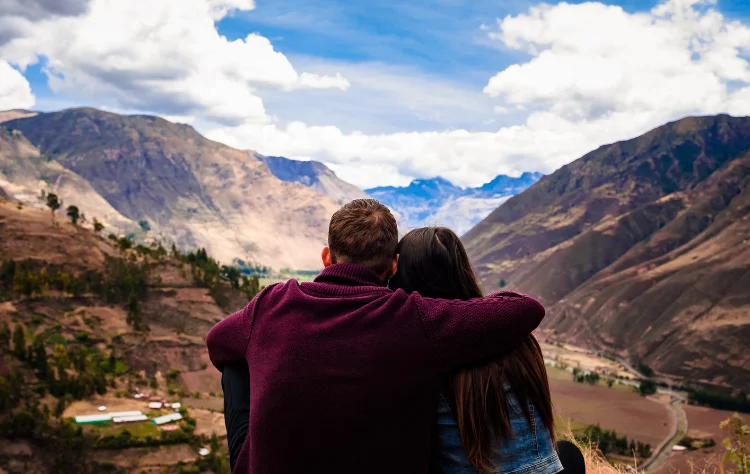
One of the reasons the Sacred Valley matters so much is that it shapes how travelers ultimately experience Machu Picchu.
Travelers arriving at the citadel after several days in the valley often engage with the site differently. The landscape already feels familiar. The agricultural systems make more sense. Altitude adaptation feels smoother. The progression into cloud forest terrain becomes more noticeable.
Machu Picchu stops feeling isolated from Peru and begins feeling connected to a larger Andean system.
This continuity changes the emotional quality of the experience profoundly.
A Sacred Valley travel experience is therefore not separate from Machu Picchu. It is part of understanding it properly.
Family Travel and the Valley’s Flexibility
The Sacred Valley also works particularly well for families and multi-generational travel because the pace can adapt naturally across different energy levels.
Children often respond strongly to:
- llamas and alpacas
- weaving traditions
- open landscapes
- train journeys
- local markets
Older travelers frequently appreciate the softer altitude, slower rhythm, and balance between cultural depth and physical accessibility. Families overall benefit from fewer hotel changes and more continuity within the itinerary itself.
The valley allows different generations to experience Peru together without forcing everyone into the same travel rhythm constantly.
Why Local Presence Matters in the Valley
The Sacred Valley can appear deceptively simple operationally.
In reality, timing affects everything:
- train logistics
- archaeological crowd flow
- market rhythms
- weather conditions
- local events
- altitude adaptation
- road movement through the Andes
From our base in South America, we regularly see how much smoother and more meaningful the valley becomes when journeys are designed through local operational understanding rather than standardized touring structures.
Sometimes small adjustments create enormous differences:
- visiting a site earlier or later
- adding another night
- shifting the order of experiences
- slowing transitions between regions
The valley responds especially well to flexibility and thoughtful editing.
Sustainability and Cultural Continuity
The Sacred Valley also highlights the importance of responsible travel in Peru.
Tourism pressure continues increasing throughout the region, particularly around Machu Picchu and heavily visited archaeological areas. Thoughtful travel design helps preserve not only environmental integrity, but cultural continuity as well.
Slower travel naturally supports this:
- longer stays
- stronger local partnerships
- smaller-scale experiences
- more meaningful community interaction
- reduced emphasis on volume tourism
Travelers experience the valley more deeply when they engage with it as a living Andean environment rather than a sequence of attractions.
FAQs
What is the Sacred Valley travel experience?
A Sacred Valley travel experience involves exploring the Andean region between Cusco and Machu Picchu through archaeology, culture, agriculture, local communities, and slower immersion into the Andes.
How many days should I spend in the Sacred Valley?
Most travelers benefit from spending at least three to four days in the Sacred Valley to acclimate properly and experience the region beyond rushed day touring.
Why is the Sacred Valley important before Machu Picchu?
The valley helps travelers acclimate gradually to altitude while creating cultural and environmental context that deepens the experience of Machu Picchu itself.
Is the Sacred Valley good for family travel?
Yes. The region’s slower pace, softer altitude, and variety of cultural and outdoor experiences make it particularly well suited for families and multi-generational travel.
Where the Andes Begin to Slow the Journey
A Sacred Valley travel experience often changes travelers gradually rather than dramatically. The valley introduces a quieter relationship with Peru, one shaped less by urgency and more by continuity between landscape, culture, and daily life. Over time, travelers begin noticing how naturally the Andes regulate pace themselves: mornings unfolding more slowly, conversations lasting longer, movement through the region feeling less structured and more responsive to the environment surrounding it. The Sacred Valley leaves its strongest impression not because it competes with Machu Picchu, but because it teaches travelers how to experience the Andes before they ever arrive there.
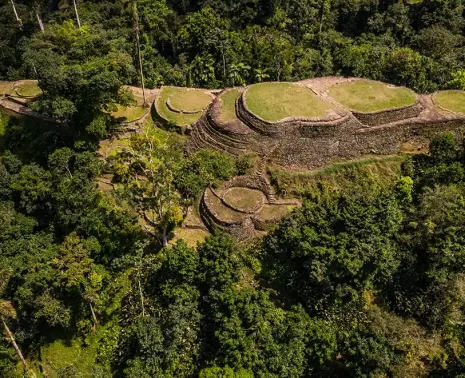
The Lost City Colombia and the Meaning of Reaching It
Some destinations are defined by what they are. Others by what it takes to reach them. The Lost City Col...
Read Post
Best Galápagos Cruises: Choosing the Right Way to Experience the Islands
The phrase “best Galápagos cruises” suggests comparison. Ships, cabins, amenities, itineraries. It invite...
Read Post
Designing an Ecuador Itinerary with Intention: How to Experience the Country Beyond the Obvious
An Ecuador itinerary is often approached as a checklist. A few days in Quito, a quick passage through the Ande...
Read Post
8 DAYS
Luxury Machu Picchu Tours: Unveiling Peru’s Timeless Wonders
Cusco, Lima, Machu Picchu, Sacred Valley

8 DAYS
Peru Family Vacation: Journey to Machu Picchu and Beyond
Cusco, Lima, Machu Picchu, Sacred Valley

11 DAYS
Amazon River Cruise: A Luxury Journey Through the Amazon
Lima, Cusco, Sacred Valley, Machu Picchu, Iquitos, Amazon River