June 05, 2026 | by: Kuoda Authors


Introduction
Peru is often approached through a single image. Stone terraces suspended above the clouds. A citadel revealed at first light. While this is not inaccurate, it is incomplete.
The country’s archaeological landscape is not concentrated in one place. It is layered across regions, cultures, and centuries. Coastal civilizations that predate the Inca by over a thousand years. Highland societies that shaped the Andes long before Cusco became an imperial capital. Living communities that continue to carry fragments of this history forward.
To travel through Peru’s archaeological sites well is not simply to visit them. It is to understand how they relate to one another. How one culture informs the next. How geography influences architecture, belief systems, and daily life.
Peru archaeological sites are not isolated landmarks. They are part of a continuous narrative, one that reveals itself only when approached with time, context, and care.
Peru Archaeological Sites: Understanding the Continuum
The Inca are often seen as the starting point. In reality, they are closer to the culmination.
Long before the Inca Empire, cultures such as the Norte Chico, Moche, Nazca, and Wari developed complex societies across Peru. They built ceremonial centers, irrigation systems, and urban settlements that shaped the foundation of what would come later.
Approaching Peru archaeological sites as a continuum rather than a collection changes the experience entirely.
A journey that begins in Lima might include Caral, one of the oldest known cities in the Americas. Moving north, the adobe pyramids of the Moche civilization near Trujillo introduce a different architectural language. In the south, the Nazca Lines suggest a relationship between landscape and belief that is still not fully understood.
By the time you arrive in Cusco and the Sacred Valley, the Inca are no longer an isolated achievement. They are part of a larger, evolving story.
The Sacred Valley and Cusco: Where the Narrative Deepens
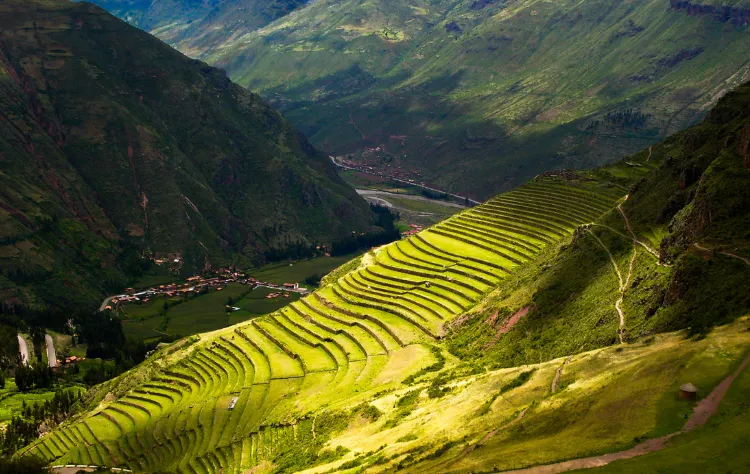
The Sacred Valley as an Introduction, Not a Transition
The Sacred Valley is often treated as a passage between Cusco and Machu Picchu. In reality, it is one of the most significant archaeological regions in Peru.
Sites such as Pisac and Ollantaytambo reveal the Inca’s ability to work with the landscape rather than impose upon it. Agricultural terraces follow the natural contours of the land. Stone structures are integrated into mountainsides with precision.
Spending time here allows for a gradual introduction to altitude, but more importantly, it provides context. It introduces the architectural logic, the agricultural systems, and the spiritual relationship with the land that define Inca society.
Peru archaeological sites in the Sacred Valley are best understood slowly, with space to observe how they connect to the surrounding environment.
Cusco: The Inca Capital Beneath the Colonial City
Cusco presents a layered experience where Inca foundations coexist with colonial architecture.
Walking through the city, original Inca stonework remains visible at street level, supporting structures built centuries later. This juxtaposition is not incidental. It reflects a continuity that has not been entirely erased.
Sites such as Sacsayhuamán, Qenqo, and Tambomachay extend beyond the city, each offering insight into different aspects of Inca life. Ceremonial spaces, military architecture, and water systems reveal a society that was both highly organized and deeply connected to natural elements.
In Cusco, archaeology is not confined to designated sites. It is embedded within the fabric of the city itself.
Machu Picchu in Context
Moving Beyond the First Impression
Machu Picchu is often approached as a singular destination. A place to arrive, observe, and depart.
Its significance, however, becomes clearer when understood in relation to other Peru archaeological sites.
The site’s location, perched between mountain peaks and surrounded by cloud forest, reflects a deliberate choice. Its agricultural terraces, ceremonial structures, and residential areas are arranged with a level of planning that aligns with Inca cosmology.
Arriving at Machu Picchu after time in the Sacred Valley and Cusco changes the experience. The architectural language is familiar. The relationship between stone and landscape is understood. The site becomes less of a visual moment and more of a culmination.
Access and Approach
There are multiple ways to reach Machu Picchu, each shaping the experience differently.
Some travelers choose to arrive by train, moving gradually through the Sacred Valley toward Aguas Calientes. Others opt for a multi-day trek, such as the Inca Trail, which introduces a physical and temporal progression toward the site.
Private travel allows for these approaches to be aligned with the traveler’s preferences. It also ensures that time at the site itself is structured thoughtfully, often including quieter entry times and expert-guided exploration that goes beyond the surface.
The Southern Coast and Desert Civilizations
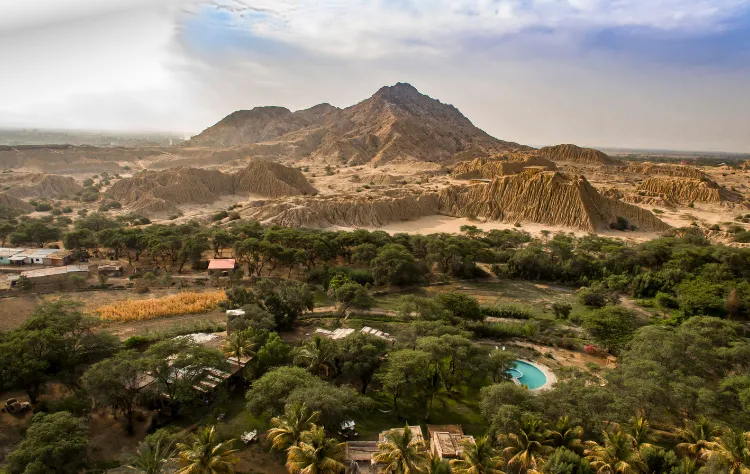
Nazca and the Relationship with Landscape
The Nazca Lines, etched into the desert plains of southern Peru, offer a different perspective on archaeology.
These geoglyphs, visible primarily from the air, reflect a culture deeply engaged with its environment. Their purpose remains debated, but their scale and precision suggest a complex understanding of both astronomy and landscape.
Visiting this region introduces a contrast to the Andes. The arid environment, vast and open, shapes a different kind of experience.
Paracas and Early Coastal Societies
Further north, the Paracas Peninsula offers insight into early coastal cultures.
Archaeological remains here, along with preserved textiles and burial sites, reveal a society that thrived in a challenging environment. The surrounding landscape, where desert meets ocean, reinforces the adaptability required to sustain life in this region.
Peru archaeological sites along the coast add depth to a journey that might otherwise remain focused on the highlands.
Northern Peru: A Different Archaeological Perspective
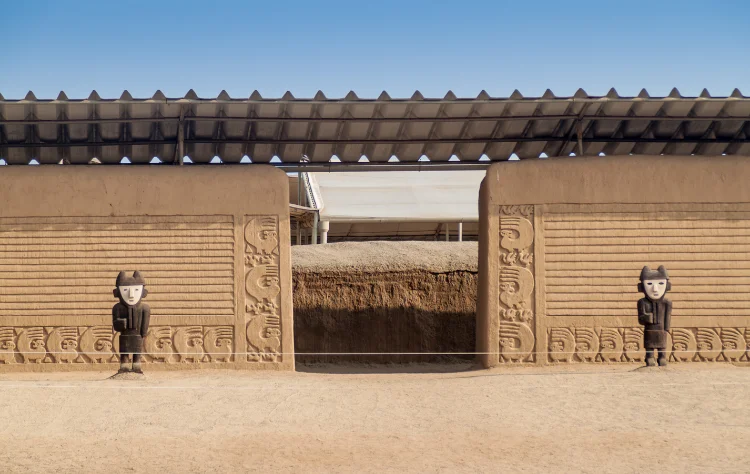
Northern Peru is less frequently visited, but it offers some of the most complex archaeological sites in the country.
The Moche civilization, known for its detailed ceramics and monumental adobe structures, left behind sites such as Huaca del Sol and Huaca de la Luna. These pyramids provide insight into ritual practices and social organization.
Further inland, the city of Chan Chan, built by the Chimú culture, represents one of the largest adobe cities in the world. Its layout, with intricate walls and courtyards, reflects a sophisticated urban design.
Including northern Peru in an itinerary requires additional time, but it offers a broader understanding of the country’s archaeological diversity.
The Role of Interpretation
Why Guides Matter
Archaeological sites, on their own, present form. Interpretation brings meaning.
Expert guides provide context that connects structures to the cultures that created them. They explain not only how sites were built, but why. They introduce layers of belief, social organization, and environmental adaptation that are not immediately visible.
In a private setting, this interpretation becomes more fluid. Conversations can develop naturally. Questions can be explored in depth.
Peru archaeological sites are best understood through this kind of engagement, where information becomes part of a larger narrative rather than a series of isolated facts.
Sustainability and Preservation
Preserving Peru’s archaeological heritage requires careful management.
Visitor numbers, site access, and conservation efforts are all structured to protect these places from degradation. This is particularly evident in Machu Picchu, where entry is regulated and pathways are controlled.
Responsible travel aligns with these measures. It respects site limitations and supports ongoing preservation efforts, ensuring that these cultural landmarks remain intact.
FAQs
What are the most important Peru archaeological sites to include in a trip?
The Sacred Valley, Cusco, and Machu Picchu form the core, but coastal sites such as Nazca and Paracas, or northern sites like Chan Chan, add valuable context.
How many days should I dedicate to Peru archaeological sites?
A well-paced journey typically includes 8 to 12 days, allowing for both highland and coastal experiences without rushing.
Are Peru archaeological sites suitable for family travel?
Yes, particularly when the itinerary is adapted to include engaging guides and a balanced pace that allows for rest and exploration.
Do I need a guide to visit Peru archaeological sites?
While not always required, expert guidance significantly enhances the experience by providing context and interpretation.
Reading a Landscape Through Time
Peru archaeological sites are not simply remnants of the past. They are expressions of how people understood their environment, their beliefs, and their place within a broader world.
To travel through them thoughtfully is to move beyond observation. It is to recognize patterns. To see connections. To understand that each site is part of a larger, continuous story.
When approached with time and context, the experience becomes less about visiting places and more about reading a landscape that has been shaped over centuries.
And in that reading, something deeper begins to emerge. Not only about the past, but about the way we choose to engage with it today.
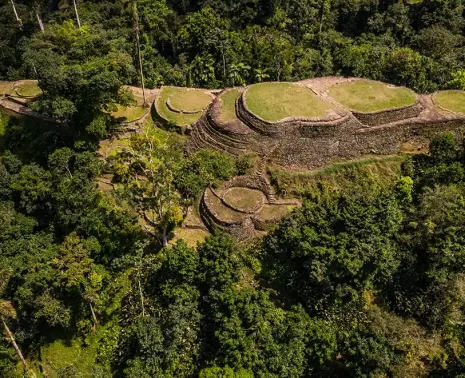
The Lost City Colombia and the Meaning of Reaching It
Some destinations are defined by what they are. Others by what it takes to reach them. The Lost City Col...
Read Post
Best Galápagos Cruises: Choosing the Right Way to Experience the Islands
The phrase “best Galápagos cruises” suggests comparison. Ships, cabins, amenities, itineraries. It invite...
Read Post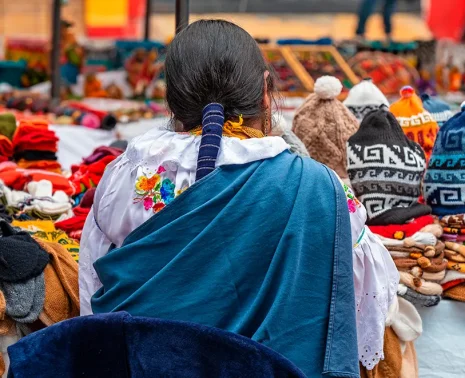
Designing an Ecuador Itinerary with Intention: How to Experience the Country Beyond the Obvious
An Ecuador itinerary is often approached as a checklist. A few days in Quito, a quick passage through the Ande...
Read Post
8 DAYS
Luxury Machu Picchu Tours: Unveiling Peru’s Timeless Wonders
Cusco, Lima, Machu Picchu, Sacred Valley

8 DAYS
Peru Family Vacation: Journey to Machu Picchu and Beyond
Cusco, Lima, Machu Picchu, Sacred Valley

11 DAYS
Amazon River Cruise: A Luxury Journey Through the Amazon
Lima, Cusco, Sacred Valley, Machu Picchu, Iquitos, Amazon River