July 24, 2026 | by: Kuoda Authors


South America is often introduced through landscapes first.
Travelers imagine Patagonia’s mountains, the Andes surrounding Machu Picchu, the Galápagos Islands, the Amazon rainforest, or the salt flats of Bolivia. Yet what gives the continent its emotional depth is not geography alone.
It is continuity.
Culture in South America is not experienced separately from landscape, history, or daily life. It exists within them. The Andes shape agricultural traditions and architecture. Colonial cities still reflect layers of migration and political history. Indigenous identity remains deeply present across communities, textiles, cuisine, language, and local rhythm throughout much of the continent.
This is what makes South America cultural journeys so powerful when approached thoughtfully.
The strongest experiences are rarely built around checking landmarks off an itinerary. They emerge gradually through atmosphere, conversation, local perspective, and the feeling that travelers are moving through living environments rather than curated historical settings disconnected from modern life.
Culture in South America Is Regional
One of the most important realities of traveling through South America is that there is no singular cultural identity across the continent.
Peru feels entirely different from Argentina. Colombia moves differently than Bolivia. Chile’s environmental stillness contrasts sharply with the Caribbean rhythm of Cartagena or the layered Indigenous continuity visible throughout the Andes.
These distinctions matter enormously.
South America cultural journeys become meaningful when travelers experience these regional identities deeply enough to understand how geography, migration, history, and environment continue shaping daily life differently across the continent itself.
The strongest journeys preserve these contrasts rather than smoothing them into generalized “South American” experiences.
Peru and the Continuity of the Andes
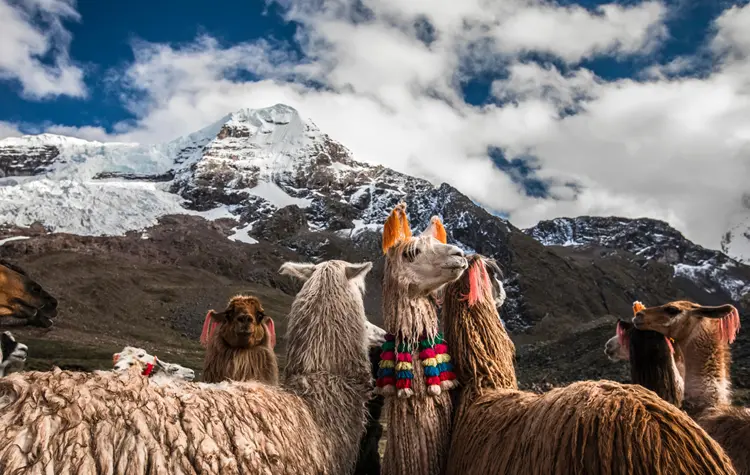
Peru often introduces travelers to South America through the Andes.
Yet what makes the country culturally extraordinary is not only Machu Picchu or archaeological history. It is the visible continuity between past and present. Agricultural terraces remain active. Weaving traditions still carry symbolic meaning. Mountain villages continue operating through rhythms shaped by altitude and seasonality.
Travelers often notice that Peru does not feel frozen historically. It feels lived in.
This distinction changes the experience completely.
South America cultural journeys succeed in Peru when travelers are given enough time in places like the Sacred Valley to observe how landscape, agriculture, language, and tradition remain interconnected rather than isolated as tourist attractions alone.
Culture here unfolds gradually through rhythm and continuity.
Argentina and Cultural Atmosphere

Argentina introduces another entirely different relationship with culture.
Buenos Aires operates through conversation, literature, architecture, wine, and social rhythm that often feels more atmospheric than performative. Patagonia shifts the emotional pace entirely through environmental stillness and exposure. Mendoza softens travel through vineyard landscapes and agricultural continuity tied closely to the Andes.
Travelers begin understanding that culture is not only found in museums or historical sites. It exists within pacing itself.
Long dinners, slower evenings, local markets, café culture, and regional identity all shape the emotional texture of Argentina’s cultural experience.
The strongest journeys allow travelers enough time to inhabit these environments naturally rather than moving aggressively between destinations.
Colombia and Living Cultural Energy
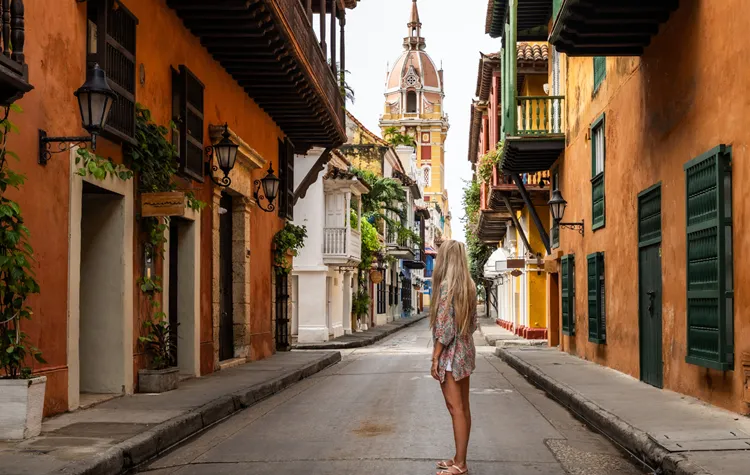
Colombia introduces another entirely different form of cultural immersion.
The country feels emotionally alive in ways travelers often struggle to articulate initially. Cartagena moves through Caribbean rhythm, music, and layered colonial atmosphere. The Coffee Region feels slower and grounded in agriculture and mountain landscapes. Bogotá combines contemporary creativity with strong regional identity and historical complexity.
Culture in Colombia feels relational.
Conversation matters. Food matters. Music and local rhythm shape atmosphere continuously. Travelers often remember how Colombia felt emotionally more than individual landmarks themselves.
This emotional immediacy gives Colombia unusual depth for cultural travel.
The strongest journeys leave enough room for spontaneity and atmosphere instead of over-structuring every experience.
Bolivia and Indigenous Continuity
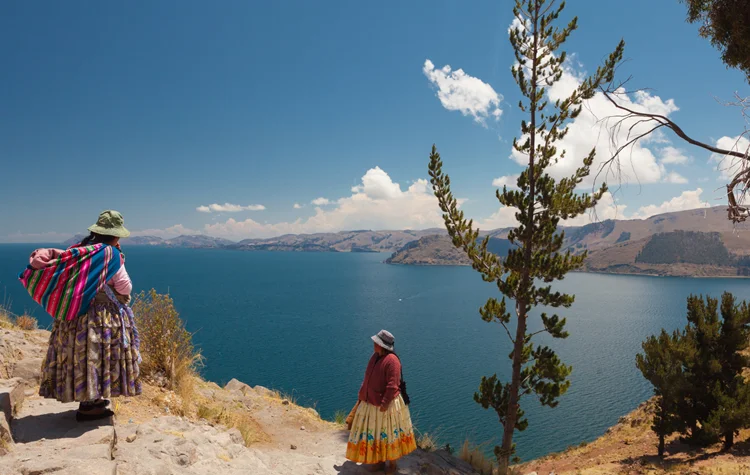
Bolivia offers one of the strongest experiences of Indigenous cultural continuity in South America.
The connection between landscape and identity remains deeply visible throughout the country. Markets, language, textiles, ceremonies, and local traditions continue operating within environments that still feel relatively untouched by mass tourism.
Travelers often experience Bolivia less as a destination curated for outsiders and more as a country where daily life continues according to longstanding cultural rhythms already in place.
This authenticity can feel profoundly immersive.
South America cultural journeys become especially meaningful in Bolivia because travelers are invited into observation rather than performance. The country rewards attentiveness and slower pacing rather than constant activity.
Why Cultural Travel Requires Slower Pacing
Culture cannot be absorbed quickly.
One of the misconceptions surrounding cultural travel is that adding museums, historical sites, or local experiences automatically creates deeper immersion. In reality, meaningful cultural understanding usually emerges through slower observation: watching how daily life unfolds, noticing regional rhythm, sharing meals, spending longer within one environment.
South America responds beautifully to this kind of travel.
The continent’s emotional richness appears gradually through continuity between landscape, food, architecture, conversation, and local identity. Travelers who rush often experience information. Travelers who slow down experience atmosphere.
This distinction changes everything.
Food, Landscape, and Cultural Identity
Cuisine also plays a profound role within South America cultural journeys.
Food throughout the continent remains deeply regional and tied closely to geography. Peru’s gastronomy reflects biodiversity and Andean continuity. Argentina’s cuisine connects naturally to wine country, social ritual, and agricultural rhythm. Colombia’s culinary identity shifts dramatically between coast, mountains, and urban centers.
Meals become cultural experiences not only because of flavor, but because of pacing and social atmosphere surrounding them.
Long conversations over dinner, slower mornings in mountain regions, local markets, and regional ingredients all contribute to understanding how culture moves differently across South America itself.
Local Expertise and Cultural Interpretation
South America’s cultural depth can easily become overwhelming or fragmented without thoughtful journey design.
The strongest experiences are rarely created by simply adding more destinations. They emerge through sequencing, pacing, and local interpretation that allow travelers to recognize continuity between regions rather than experiencing the continent as disconnected highlights.
From our base in South America, we regularly see how dramatically journeys deepen when travelers are guided toward observation and immersion instead of constant movement. Sometimes the strongest cultural experiences happen quietly:[Salto de ajuste de texto] a conversation in the Sacred Valley, a slower evening in Buenos Aires, or watching local life unfold naturally in a colonial Colombian town.
The strongest journeys feel layered rather than crowded.
Sustainability and Respectful Cultural Travel
Meaningful cultural travel also requires responsibility and attentiveness.
Smaller-scale experiences, slower pacing, stronger local relationships, and thoughtful engagement with communities naturally create more respectful and immersive journeys. Travelers often connect more deeply to South America when the experience emphasizes observation and exchange rather than consumption.
The continent rewards humility and curiosity beautifully.
FAQs
What are South America cultural journeys?What are South America cultural journeys?
South America cultural journeys are immersive travel experiences focused on regional identity, local traditions, history, cuisine, daily life, and thoughtful exploration across the continent.
What countries are best for cultural travel in South America?
Peru, Argentina, Colombia, Bolivia, Ecuador, and Chile all offer deeply distinctive cultural experiences shaped by geography, history, and regional identity.
Why is slower travel important for cultural journeys?
Culture unfolds gradually through atmosphere, conversation, pacing, and daily life. Slower travel allows travelers to experience these elements more meaningfully.
Can cultural journeys in South America include luxury travel?
Absolutely. Many of the strongest luxury experiences in South America emerge through thoughtful pacing, local immersion, refined hospitality, and meaningful cultural continuity.
Where the Continent Begins to Feel Human
South America cultural journeys often become memorable because travelers gradually stop experiencing the continent through landmarks alone and begin understanding it through rhythm, continuity, and human presence instead. Over time, regional differences become more emotionally visible: the Andes shaping daily life in Peru and Bolivia, Argentina unfolding through atmosphere and conversation, Colombia expressing itself through warmth and movement. The strongest journeys are remembered not simply for what travelers saw, but for the feeling that the continent revealed itself gradually through the people, traditions, landscapes, and rhythms that continue shaping life across South America today.
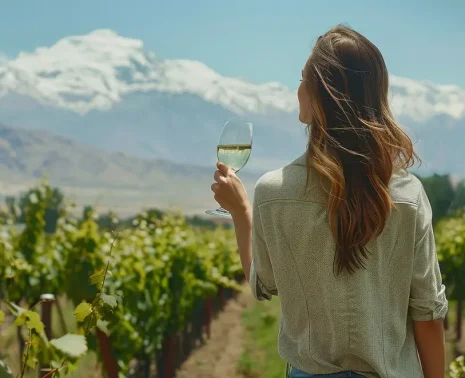
Things to Do in Mendoza Argentina: Experiencing the Region Through Pace, Landscape, and Wine Culture
The question of things to do in Mendoza Argentina often leads to a familiar answer. Wine tastings, vineyard...
Read Post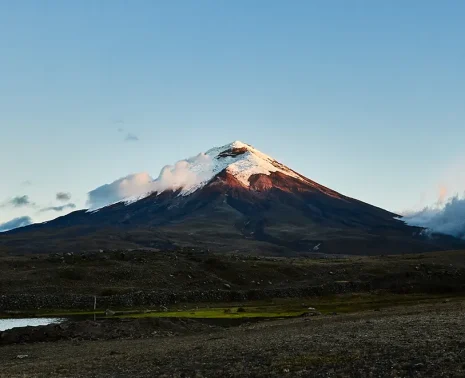
Best Time to Visit Ecuador: Choosing When Based on How You Want to Experience It
The question of the best time to visit Ecuador is often answered with a calendar. Dry season. Rainy season....
Read Post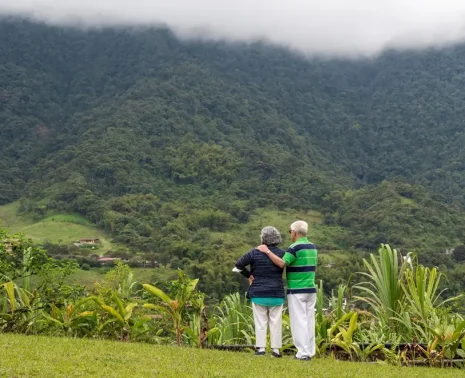
Peru Tours for Seniors and the Value of Experiencing the Country Thoughtfully
Peru is often perceived as a destination built primarily around adventure. Travelers imagine trekking route...
Read Post
8 DAYS
Luxury Machu Picchu Tours: Unveiling Peru’s Timeless Wonders
Cusco, Lima, Machu Picchu, Sacred Valley

8 DAYS
Peru Family Vacation: Journey to Machu Picchu and Beyond
Cusco, Lima, Machu Picchu, Sacred Valley

11 DAYS
Amazon River Cruise: A Luxury Journey Through the Amazon
Lima, Cusco, Sacred Valley, Machu Picchu, Iquitos, Amazon River