July 26, 2026 | by: Kuoda Authors


Patagonia changes travelers long before they fully understand why.
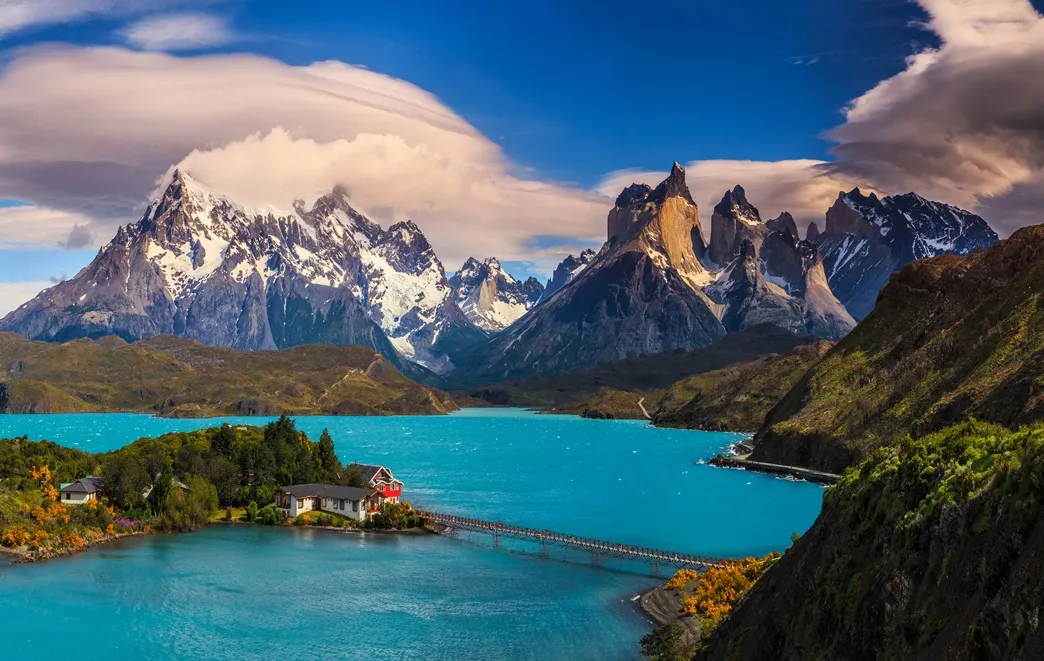
At first, the impact feels visual: mountain ranges emerging through shifting weather, glacial lakes reflecting changing light, enormous open landscapes stretching beyond any sense of scale travelers are used to experiencing elsewhere. But over time, Patagonia’s emotional effect becomes quieter and more difficult to explain.
The region changes rhythm.
Travelers begin moving more slowly. Silence becomes noticeable. Weather stops feeling disruptive and starts becoming part of the experience itself. This is what makes Patagonia Chile lodges so important within the broader journey. The strongest lodges do not separate travelers from the landscape around them. They deepen the relationship between traveler and environment instead.
Luxury here is rarely about excess. It is about stillness, positioning, and the ability to experience Patagonia without interruption.
Patagonia Requires a Different Kind of Hospitality
Patagonia is not a destination where travelers spend most of their time inside.
The landscape itself dominates perception constantly. Wind, weather, light, and distance shape the emotional atmosphere of the journey from morning until evening. Lodges therefore become extensions of the environment rather than isolated places of retreat disconnected from it.
This changes the meaning of comfort entirely.
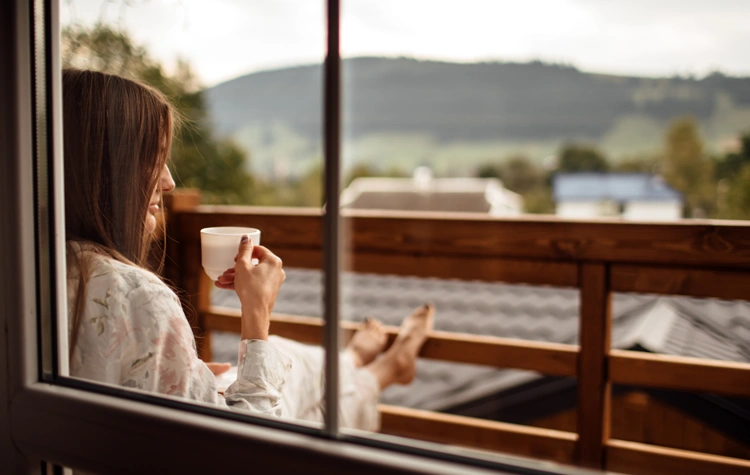
The strongest Patagonia Chile lodges feel grounded in the landscape surrounding them. Architecture responds to weather and openness. Interior spaces create warmth and calm without competing visually with the environment outside. Travelers often remember large windows overlooking mountain ranges, quiet evenings after long days outdoors, and the emotional contrast between Patagonia’s exposure and the intimacy of returning to stillness afterward.
Hospitality becomes part of the environmental rhythm rather than an interruption from it.
Patagonia Is Experienced Through Pace
One of the biggest mistakes travelers make in Patagonia is trying to experience too much too quickly.
The region resists urgency naturally. Distances feel emotionally larger than they appear geographically. Weather conditions shift constantly. Light transforms the landscape hour by hour. Travelers attempting to maximize every excursion or viewpoint often spend much of the journey reacting to logistics instead of absorbing the atmosphere surrounding them.
This is why lodge selection matters so much.
The strongest Patagonia Chile lodges support slower exploration rather than constant movement. Travelers are able to remain longer within one environment, returning to the same mountain views, weather patterns, and landscapes repeatedly enough for Patagonia to begin feeling immersive rather than observational.
Over time, the repetition deepens the experience.
The mountains begin looking different depending on light and weather. Silence becomes more emotionally present. Travelers stop trying to “see” Patagonia and begin simply existing within it more naturally.
The Relationship Between Weather and Experience
Weather is not separate from Patagonia. It is Patagonia.
Conditions change constantly across southern Chile. Wind reshapes movement. Clouds alter visibility within minutes. Rain and sunlight often coexist within the same afternoon. Travelers who expect stable environmental conditions sometimes struggle initially with this unpredictability.
Yet Patagonia’s emotional depth comes precisely from this instability.
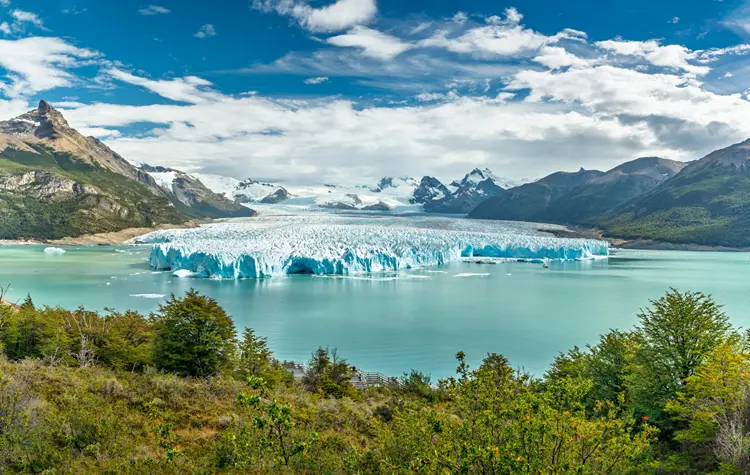
The landscape never feels static. Travelers become aware of atmosphere itself: weather moving visibly across the mountains, shifting reflections over glacial lakes, sudden silence after strong wind softens briefly.
This is another reason thoughtful lodges matter so much here.
The strongest Patagonia Chile lodges create calm within environmental unpredictability. Travelers can remain emotionally connected to the landscape because the hospitality surrounding them feels grounded, seamless, and responsive to the region’s rhythm rather than fighting against it.
Remote Landscapes and Emotional Stillness
Patagonia creates a form of stillness that many travelers do not encounter often in modern life.
The openness of the landscape removes visual density and constant stimulation. Travelers begin noticing smaller changes instead: light moving slowly across peaks, wildlife crossing distant plains, weather systems forming over mountain ranges.
This stillness becomes part of the luxury.
The strongest lodges understand that Patagonia does not need excessive programming or nonstop activity to feel meaningful. Travelers often connect more deeply to the region through quieter experiences: slow mornings overlooking the landscape, evenings near large windows after long days outdoors, or simply enough uninterrupted time for Patagonia’s scale to settle emotionally.
The environment itself does most of the work.
Patagonia and the Meaning of Refinement
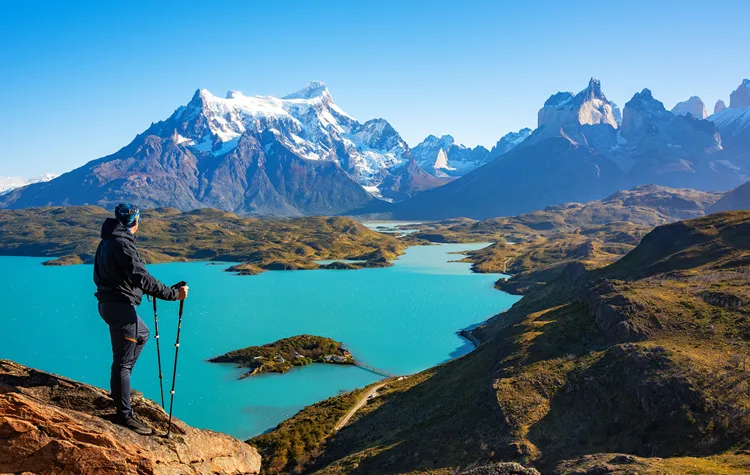
Luxury in Patagonia feels fundamentally different than in many destinations.
The region does not operate through glamour or performance. Its refinement emerges through subtlety: excellent guiding, seamless logistics, thoughtful architecture, calm pacing, warmth after exposure to the elements, and the feeling that the journey unfolds naturally despite Patagonia’s unpredictability.
Travelers often remember how the experience felt more than individual details themselves.
A remote lodge after weather clears. A long dinner overlooking mountain landscapes. The quiet emotional shift that happens after several days moving at Patagonia’s pace rather than the pace of everyday life.
The strongest Patagonia Chile lodges create the conditions for these experiences to emerge naturally rather than forcing them.
Patagonia Beyond the Lodge
The lodge experience also becomes more meaningful when balanced thoughtfully within a broader Chile journey.
The Atacama Desert and Patagonia, for example, create extraordinary contrast together. The desert sharpens perception through silence and exposure. Patagonia softens urgency through weather and environmental scale. Santiago and wine country introduce moments of urban rhythm and refinement between remote landscapes.
This sequencing matters enormously.
Patagonia works best when travelers arrive with enough emotional space to absorb it properly. Overly aggressive itineraries weaken the stillness that gives the region its power.
Thoughtful journeys allow Patagonia to feel expansive rather than compressed.
Local Expertise and the Invisible Structure of the Journey
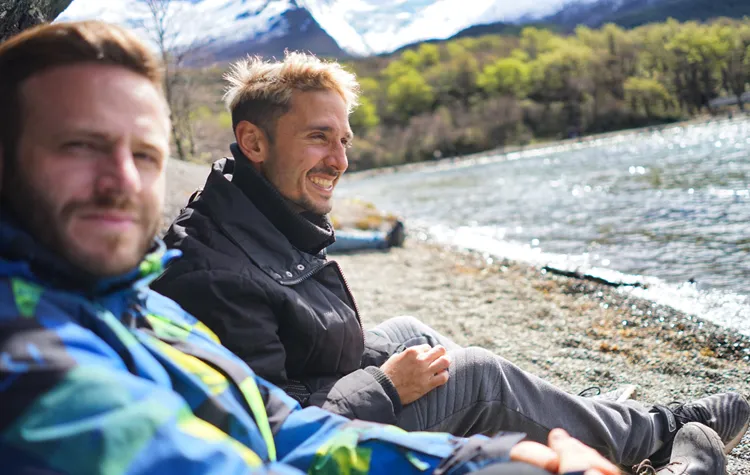
Patagonia appears visually dramatic, but the strongest experiences are often shaped through invisible operational decisions behind the scenes.
Weather timing, lodge positioning, pacing, regional transitions, and guiding all influence how connected travelers ultimately feel to the environment itself. Patagonia becomes emotionally exhausting when movement is poorly structured. It becomes transformative when the journey feels calm despite the complexity surrounding it.
From our base in South America, we regularly see how dramatically Patagonia changes when travelers are given enough continuity between exploration and rest rather than constantly moving through the region aggressively.
The strongest journeys feel composed rather than crowded.
Sustainability and Responsible Patagonia Travel
Patagonia’s remoteness can create the illusion that the landscape is untouched or unlimited.
In reality, the region remains environmentally sensitive and increasingly affected by tourism pressure and climate change. Thoughtful travel therefore matters deeply here.
Smaller-scale lodges, slower pacing, reduced unnecessary movement, and stronger environmental stewardship all help preserve the openness and integrity travelers come to Patagonia to experience in the first place.
Travelers often connect more deeply to Patagonia when the journey feels aligned with the landscape rather than imposed upon it.
FAQs
What are Patagonia Chile lodges?
Patagonia Chile lodges are remote luxury properties designed to immerse travelers in Patagonia’s landscapes through thoughtful hospitality, environmental connection, and slower-paced exploration.
Why stay in a lodge in Patagonia?
Lodges create continuity between exploration and rest, allowing travelers to experience Patagonia more deeply while remaining connected to the landscape throughout the journey.
What makes Patagonia luxury travel unique?
Luxury in Patagonia is defined less by excess and more by stillness, environmental immersion, thoughtful pacing, and seamless experiences within remote landscapes.
How should Patagonia travel be paced?
The strongest journeys involve fewer transitions, longer stays, and enough flexibility to adapt naturally to changing weather and environmental conditions.
Where Patagonia Begins to Slow Everything Down
Patagonia Chile lodges often become memorable because they quietly reshape how travelers experience time, weather, and stillness itself. Over time, the landscape begins determining rhythm naturally. Wind, light, and silence become more emotionally present than schedules or movement. Travelers stop trying to move quickly through Patagonia and begin allowing the region’s scale and atmosphere to soften urgency altogether. The strongest journeys are remembered not simply for the landscapes themselves, but for the rare feeling of existing within those landscapes calmly enough for Patagonia to fully reveal its emotional depth.
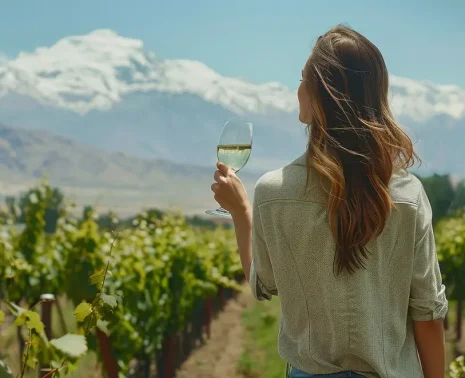
Things to Do in Mendoza Argentina: Experiencing the Region Through Pace, Landscape, and Wine Culture
The question of things to do in Mendoza Argentina often leads to a familiar answer. Wine tastings, vineyard...
Read Post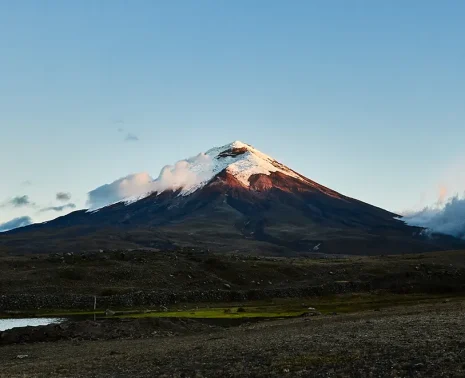
Best Time to Visit Ecuador: Choosing When Based on How You Want to Experience It
The question of the best time to visit Ecuador is often answered with a calendar. Dry season. Rainy season....
Read Post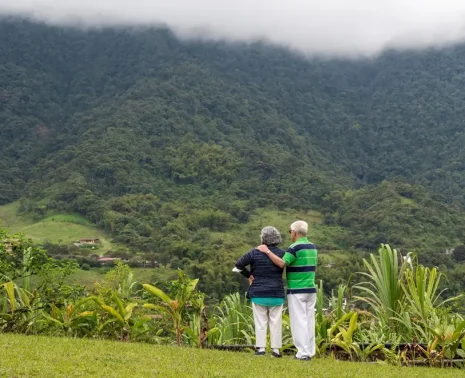
Peru Tours for Seniors and the Value of Experiencing the Country Thoughtfully
Peru is often perceived as a destination built primarily around adventure. Travelers imagine trekking route...
Read Post
8 DAYS
Luxury Machu Picchu Tours: Unveiling Peru’s Timeless Wonders
Cusco, Lima, Machu Picchu, Sacred Valley

8 DAYS
Peru Family Vacation: Journey to Machu Picchu and Beyond
Cusco, Lima, Machu Picchu, Sacred Valley

11 DAYS
Amazon River Cruise: A Luxury Journey Through the Amazon
Lima, Cusco, Sacred Valley, Machu Picchu, Iquitos, Amazon River