April 19, 2026 | by: Kuoda Authors


Chile is not experienced all at once.
Stretching across more than 4,000 kilometers, the country moves from desert to glacier, from vineyards to fjords, with little continuity in between except geography itself. Distances are long. Landscapes shift abruptly. Climate changes with latitude and elevation.
For travelers considering chile private travel, the real question is not where to go, but how to design the journey. Which regions to combine. How to move between them without fatigue. How to experience scale without losing clarity.
Chile rewards selection.
Chile Private Travel as Curated Contrast
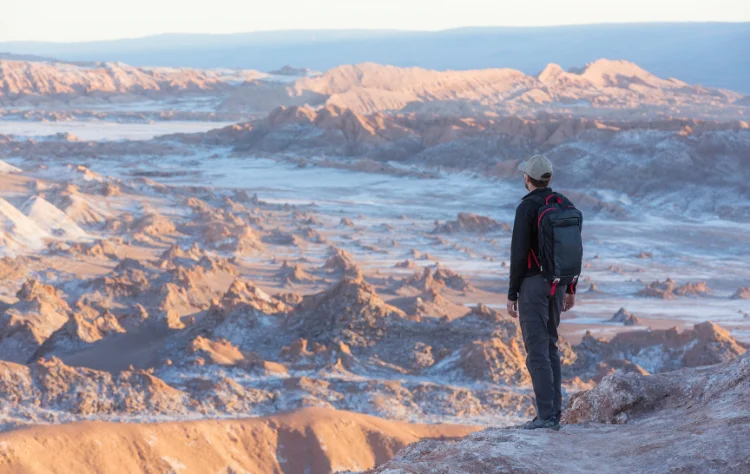
Chile’s defining characteristic is contrast. The country offers some of the driest desert landscapes on Earth alongside glacial Patagonia and temperate wine regions.
Attempting to see all of it in one journey dilutes the experience. Thoughtful chile private travel focuses on pairing regions that complement one another.
A well-composed itinerary might combine the Atacama Desert with Santiago and nearby vineyards, or focus entirely on Patagonia for a more immersive southern experience.
The role of design is to create continuity within a country defined by fragmentation.
The Atacama Desert: Silence and Scale
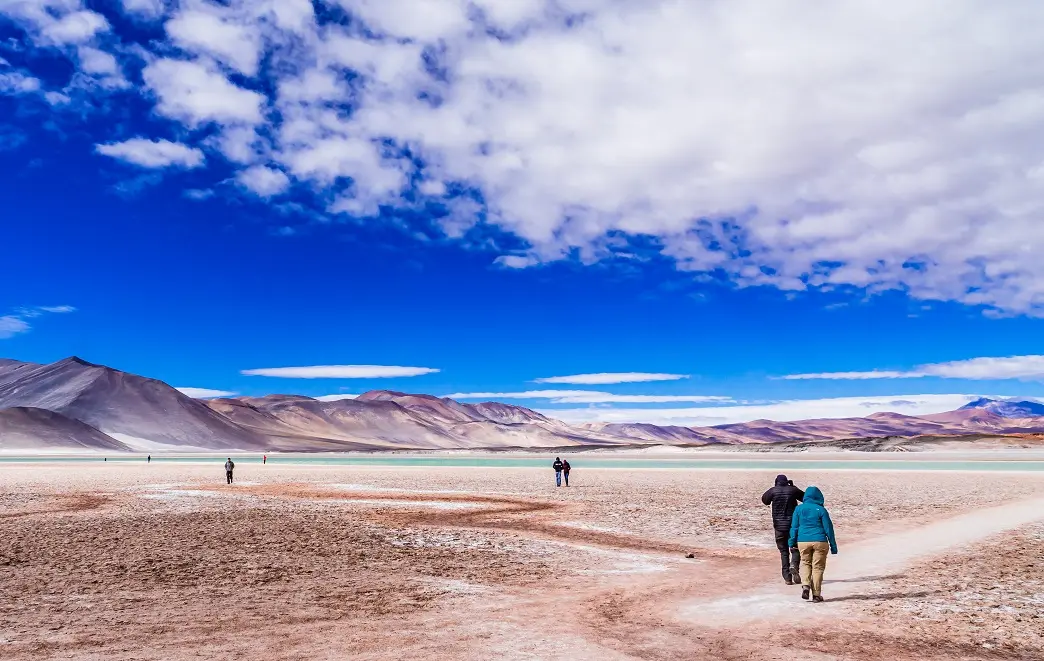
In the north, the Atacama Desert presents a landscape shaped by absence.
Salt flats stretch outward beneath high-altitude volcanoes. Geysers release steam at dawn. Night skies reveal constellations with unusual clarity.
Staying near San Pedro de Atacama provides access to these environments while maintaining a sense of place. Boutique desert lodges integrate architecture into the surrounding terrain, offering privacy and restorative calm.
Chile private travel in the Atacama emphasizes pacing. Early departures align with light and temperature. Afternoons allow for rest. Evenings return to quiet observation, often centered around stargazing experiences guided by local experts.
The desert is best understood slowly.
Central Chile: Vineyards and Cultural Balance
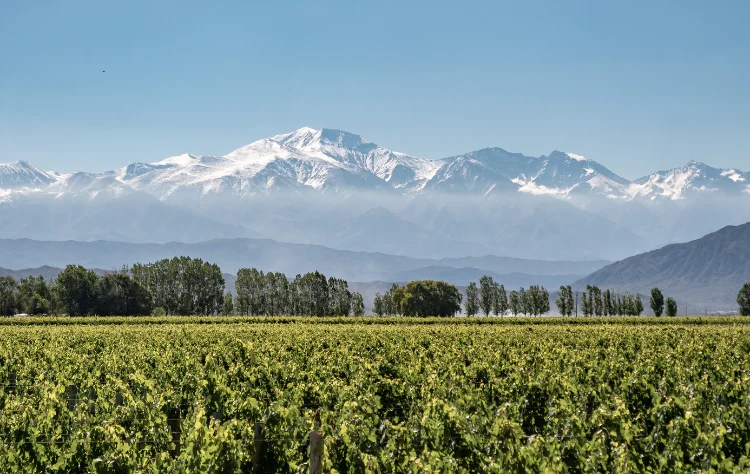
Moving south, the landscape softens.
Near Santiago, vineyards extend across fertile valleys framed by the Andes and coastal ranges. Wine regions such as the Maipo and Colchagua valleys provide a different expression of Chilean identity.
Private tastings at small estates introduce the country’s winemaking traditions with depth and nuance. Conversations with producers replace standard presentations. Meals unfold alongside vineyard views, emphasizing local ingredients and seasonal rhythm.
Santiago itself offers cultural grounding. Museums, contemporary art spaces, and historic neighborhoods provide context before or after time in the countryside.
This central region acts as a bridge between Chile’s extremes.
Patagonia: Movement Through Landscape
In the south, Patagonia expands into open space.
Glaciers descend into turquoise lakes. Wind shapes vegetation and movement. Distances feel vast, and time becomes measured differently.
Exploration here often centers around Torres del Paine National Park, where hiking routes and scenic drives reveal shifting perspectives of the landscape.
Luxury in Patagonia is defined by location and access. Remote lodges provide proximity to key viewpoints while maintaining privacy. Guided excursions are tailored to pace and preference, whether through walking, horseback riding, or vehicle-based exploration.
Chile private travel in Patagonia requires flexibility. Weather conditions shift quickly. The experience adapts accordingly.
Designing Seamless Transitions
One of the defining challenges of chile private travel is distance.
Flights connect regions that are geographically far apart. Thoughtful scheduling ensures that transitions feel natural rather than disruptive.
Kuoda approaches these logistics with precision. Domestic flights are timed to avoid unnecessary waiting. Private transfers reduce friction. Accommodation selections support rest between transitions.
The journey remains continuous, even when the geography is not.
The Role of Accommodation
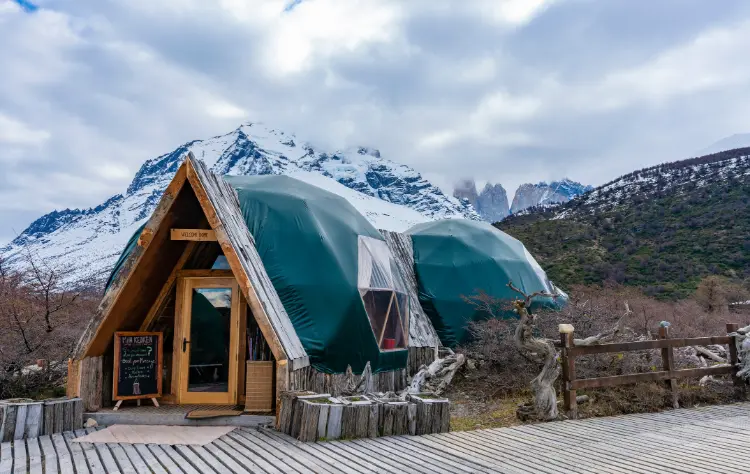
Chile’s landscapes demand properties that respond to their surroundings.
In the Atacama, lodges are designed to integrate with desert terrain, using natural materials and low-profile architecture. In Patagonia, accommodations prioritize views and access to remote environments. In wine regions, boutique properties emphasize intimacy and connection to the land.
Kuoda selects accommodations that reflect place rather than replicate international standards. Service remains attentive but unobtrusive. The experience feels grounded.
This alignment between environment and accommodation defines refined Chile private travel.
Sustainability and Environmental Awareness
Chile’s diverse ecosystems require careful management.
Desert environments recover slowly from disruption. Patagonian landscapes are sensitive to overuse. Wine regions face evolving environmental challenges related to water use and climate.
Kuoda collaborates with partners who prioritize sustainability through responsible land management, conservation practices, and community engagement.
Private travel reduces environmental strain and allows for more controlled interaction with sensitive environments.
Through the Kaypi Kunan Foundation, Kuoda supports broader initiatives across South America that reinforce long-term stewardship.
Recognition as a Tripadvisor Travelers’ Choice 2025 winner reflects consistent trust among travelers who value thoughtful and responsible travel design.
Frequently Asked Questions About Chile Private Travel
How many regions should be included in a Chile itinerary?
Two regions over ten to fourteen days allow for depth and manageable transitions.
Is it possible to combine the Atacama Desert and Patagonia?
Yes, though careful planning is required due to distance. Many travelers include a stop in Santiago between regions.
When is the best time to visit Chile?
Seasonality varies by region. The Atacama is accessible year-round, while Patagonia is best visited between October and April.
Is Chile suitable for luxury travel?
Yes. Boutique lodges, private guiding, and well-designed itineraries provide refined experiences across diverse landscapes.
A Country of Distance, Designed With Care
Chile does not offer a single narrative.
It unfolds through contrast. Desert stillness. Vineyard rhythm. Patagonian movement.
Chile private travel allows these elements to connect through thoughtful design. The journey becomes less about covering distance and more about understanding it.
And in that understanding, the country reveals itself with clarity.
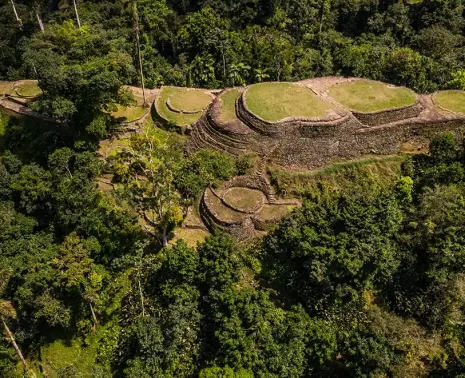
The Lost City Colombia and the Meaning of Reaching It
Some destinations are defined by what they are. Others by what it takes to reach them. The Lost City Col...
Read Post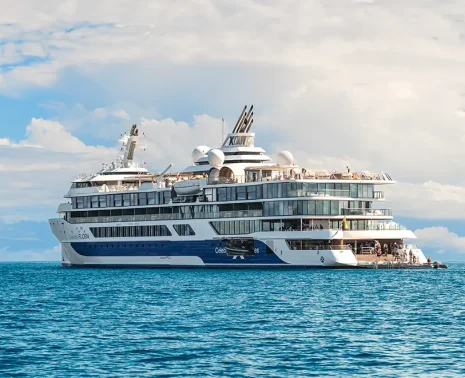
Best Galápagos Cruises: Choosing the Right Way to Experience the Islands
The phrase “best Galápagos cruises” suggests comparison. Ships, cabins, amenities, itineraries. It invite...
Read Post
Designing an Ecuador Itinerary with Intention: How to Experience the Country Beyond the Obvious
An Ecuador itinerary is often approached as a checklist. A few days in Quito, a quick passage through the Ande...
Read Post
8 DAYS
Luxury Machu Picchu Tours: Unveiling Peru’s Timeless Wonders
Cusco, Lima, Machu Picchu, Sacred Valley

8 DAYS
Peru Family Vacation: Journey to Machu Picchu and Beyond
Cusco, Lima, Machu Picchu, Sacred Valley

11 DAYS
Amazon River Cruise: A Luxury Journey Through the Amazon
Lima, Cusco, Sacred Valley, Machu Picchu, Iquitos, Amazon River