April 18, 2026 | by: Kuoda Authors


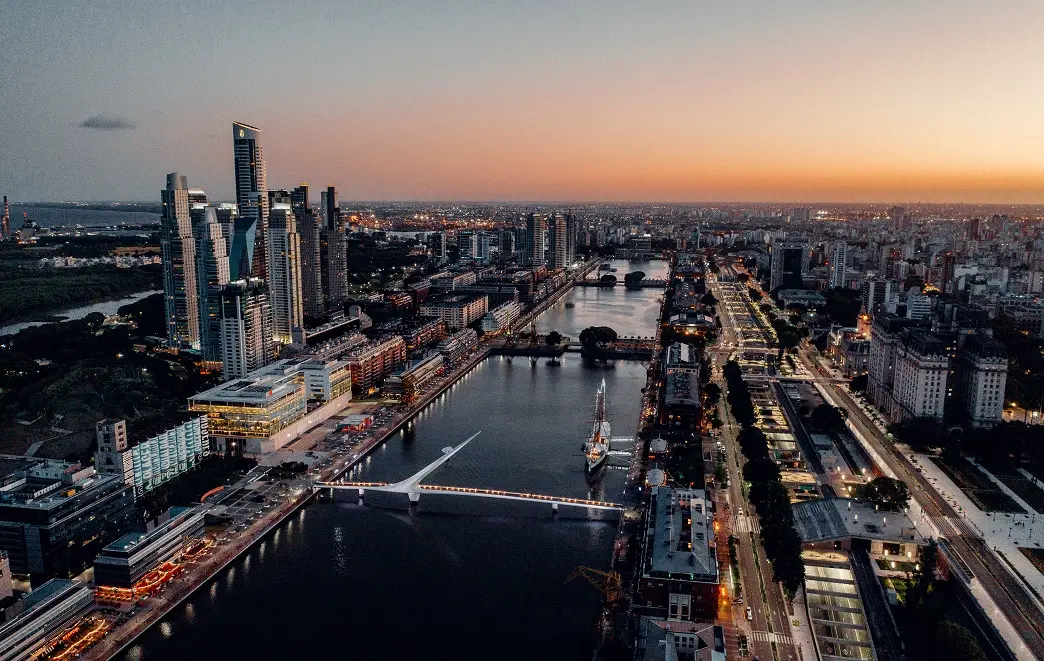
Buenos Aires does not reveal itself immediately.
At first, it appears familiar. European façades, wide boulevards, late dinners, and café culture that feels almost inherited rather than constructed. Yet beneath that surface lies a city shaped by migration, political cycles, and a distinct rhythm that resists simplification.
For travelers planning a Buenos Aires trip, the question is rarely what to see. It is how to enter the city with the right perspective. How to move through its neighborhoods without reducing them to contrasts. How to experience its culture without forcing interpretation.
Buenos Aires rewards those who allow it to unfold.
A Buenos Aires Trip Begins With Neighborhoods
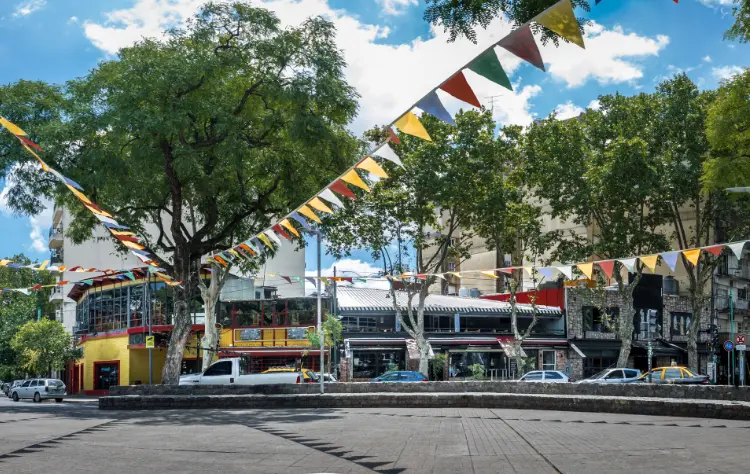
The city is best understood not as a single entity, but as a collection of neighborhoods, each with its own atmosphere and pace.
Recoleta: Architectural Memory
In Recoleta, Parisian influence is unmistakable. Stone buildings with wrought iron balconies line tree-filled avenues. Cultural institutions, galleries, and historic cafés create an environment that feels composed and reflective.
Morning walks here often begin slowly. Coffee arrives without urgency. Conversations extend.
The neighborhood’s cemetery, while frequently visited, reflects more than architectural detail. It reveals the city’s relationship with legacy and memory.
For many travelers, Recoleta provides a calm and structured introduction to a Buenos Aires trip.
Palermo: Contemporary Expression
A short distance away, Palermo offers a different tone.
Tree-lined streets open into small boutiques, design studios, and restaurants that reflect the city’s evolving culinary identity. Palermo does not feel historic in the same way as Recoleta. It feels current.
Evenings here are animated but rarely chaotic. Dining begins late, often after 9 p.m., and unfolds gradually.
For travelers interested in Argentina’s contemporary culture, Palermo becomes a natural base.
San Telmo: Texture and Time
In San Telmo, cobblestone streets and colonial buildings create a more textured atmosphere.
Antique shops, quiet plazas, and occasional live music give the neighborhood a sense of continuity rather than preservation. Sundays bring a well-known market, though the neighborhood reveals more nuance on quieter days.
Walking through San Telmo offers insight into Buenos Aires as it once was, without disconnecting from its present.
The Cultural Language of the City
A Buenos Aires trip is defined as much by atmosphere as by location.
Tango, for example, is often associated with performance. Yet in Buenos Aires, it exists as a cultural language rather than a staged experience. Small milongas, where locals gather to dance, offer a more authentic perspective than large-scale shows.
Literature also plays a central role in the city’s identity. Bookstores occupy former theaters. Writers are referenced in everyday conversation. The intellectual life of the city remains visible.
Understanding Buenos Aires requires attention to these subtler expressions of culture.
Dining as Social Rhythm

Meals in Buenos Aires extend beyond food. They structure the day.
Lunch is unhurried. Dinner begins late and often continues well into the evening. Restaurants prioritize conversation over efficiency.
Steakhouses, known locally as parrillas, remain central to the city’s culinary identity. Yet Buenos Aires also offers a growing number of contemporary restaurants that reinterpret Argentine ingredients with precision.
A thoughtfully planned Buenos Aires trip includes reservations arranged in advance, balanced with flexibility to allow for spontaneous discovery.
The city’s dining culture rewards patience.
Where to Stay
Choosing the right accommodation shapes the experience of Buenos Aires significantly.
Kuoda prioritizes boutique properties that reflect the character of their neighborhoods. In Recoleta, refined hotels offer proximity to cultural institutions and quiet streets. In Palermo, smaller design-led properties provide access to restaurants and creative spaces.
Among the most distinguished options is Alvear Palace Hotel, known for its classic architecture and attentive service. For a more contemporary atmosphere, Legado Mitico in Palermo offers a more intimate and design-focused stay.
The goal is alignment. The hotel should feel consistent with the rhythm of the neighborhood rather than separate from it.
Integrating Buenos Aires Into a Broader Argentina Journey

Buenos Aires often serves as the entry point to Argentina, yet it rarely stands alone.
Many travelers continue south toward Patagonia or west toward Mendoza’s vineyards. Others combine Argentina with Chile for a broader regional exploration.
Kuoda designs these transitions carefully. Domestic flights are timed to avoid unnecessary waiting. Private transfers ensure ease between airport and hotel.
A Buenos Aires trip becomes the opening chapter of a larger narrative rather than a standalone experience.
Responsible Engagement With the City
Buenos Aires is a living city shaped by ongoing economic and social dynamics.
Responsible travel includes supporting local businesses, engaging respectfully with cultural traditions, and moving through neighborhoods with awareness.
Kuoda collaborates with local guides who provide context beyond surface-level exploration, helping travelers understand the city’s complexities without oversimplification.
Through the Kaypi Kunan Foundation, Kuoda supports broader initiatives across South America that reinforce long-term community engagement.
Recognition as a Tripadvisor Travelers’ Choice 2025 winner reflects Kuoda’s commitment to thoughtful and responsible travel design.
Frequently Asked Questions About a Buenos Aires Trip
How many days are ideal for a Buenos Aires trip?
Three to four days allow for meaningful exploration of neighborhoods, dining experiences, and cultural activities without rushing.
When is the best time to visit Buenos Aires?
Spring and autumn offer mild temperatures and comfortable conditions for walking and outdoor exploration.
Is Buenos Aires walkable?
Many neighborhoods, particularly Recoleta and Palermo, are well suited for walking, though private transportation enhances comfort and efficiency.
Can Buenos Aires be combined with other destinations?
Yes. The city pairs naturally with Patagonia, Mendoza, or Chile for a broader South American itinerary.
A City That Reveals Itself Gradually
Buenos Aires is not defined by landmarks alone.
It exists in conversation, in long meals, in the quiet rhythm of neighborhoods that shift from day to night without urgency.
Experiencing a Buenos Aires trip thoughtfully means allowing space for these moments to emerge. Moving without rushing. Observing without forcing meaning.
And in that slower movement, the city begins to reveal itself with clarity.
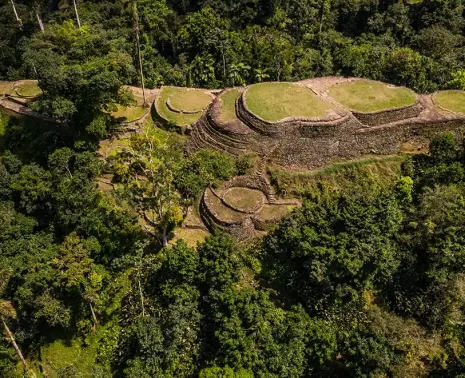
The Lost City Colombia and the Meaning of Reaching It
Some destinations are defined by what they are. Others by what it takes to reach them. The Lost City Col...
Read Post
Best Galápagos Cruises: Choosing the Right Way to Experience the Islands
The phrase “best Galápagos cruises” suggests comparison. Ships, cabins, amenities, itineraries. It invite...
Read Post
Designing an Ecuador Itinerary with Intention: How to Experience the Country Beyond the Obvious
An Ecuador itinerary is often approached as a checklist. A few days in Quito, a quick passage through the Ande...
Read Post
8 DAYS
Luxury Machu Picchu Tours: Unveiling Peru’s Timeless Wonders
Cusco, Lima, Machu Picchu, Sacred Valley

8 DAYS
Peru Family Vacation: Journey to Machu Picchu and Beyond
Cusco, Lima, Machu Picchu, Sacred Valley

11 DAYS
Amazon River Cruise: A Luxury Journey Through the Amazon
Lima, Cusco, Sacred Valley, Machu Picchu, Iquitos, Amazon River