May 04, 2026 | by: Marisol Machaca


South America rarely rewards hurried travel.
The continent unfolds through contrast. Desert landscapes that seem to stretch beyond the horizon. High-altitude cities shaped by centuries of Andean history. Rainforests where movement follows the rhythm of rivers rather than roads.
When travelers search for things to do in South America, the deeper question is rarely about activities themselves. It is about how to approach a place of such geographic and cultural scale with clarity.
Which experiences matter most. How regions connect meaningfully. How to travel across a continent without losing depth along the way.
The most memorable journeys through South America are not defined by the number of places visited. They are defined by the coherence of the experience.
Things to Do in South America Begin With Geography
Understanding South America begins with geography. The continent is structured by three defining environments: the Andes, the Amazon, and the Atlantic and Pacific coastlines.
Each landscape carries its own cultural identity, pace, and sensory language.
In the Andes, ancient civilizations left traces in stone cities, agricultural terraces, and ceremonial landscapes. Along the coastlines, colonial ports evolved into vibrant cultural capitals. In the rainforest, biodiversity shapes daily life.
Thoughtful travel moves between these environments gradually.
For many travelers, the Andean region provides the most compelling entry point.
The Andes: Civilizations in Stone

Highland cultures define much of South America’s historical narrative. The Andes carry the legacy of pre-Columbian civilizations whose architectural and agricultural innovations remain visible today.
In Peru, journeys often lead through Cusco and the surrounding Sacred Valley before continuing to Machu Picchu. The experience becomes meaningful when contextualized by private guiding, archaeological insight, and carefully timed access.
Rather than rushing through landmarks, travelers explore the agricultural terraces of Moray, the communal salt pools of Maras, and Andean villages where textile traditions continue.
Further north, sites such as Kuelap Fortress reveal civilizations that predate the Inca entirely. These less-visited regions offer a different perspective on South America’s layered past.
Among the many things to do in South America, engaging with the Andes remains one of the most intellectually rewarding.
Rainforest Immersion

The Amazon basin introduces a different dimension of travel. Vast river systems and dense canopy ecosystems create environments where movement slows and observation deepens.
In Ecuador and Peru, rainforest lodges and small expedition vessels provide access to some of the most biologically diverse landscapes on the planet.
Travelers exploring the Amazon Rainforest encounter wildlife through guided canoe excursions, early morning birdwatching, and walks beneath towering ceiba trees.
These experiences are not about spectacle. They are about attention.
The rainforest reveals itself gradually, guided by naturalists who interpret subtle signs within the forest.
The Southern Deserts and High Landscapes
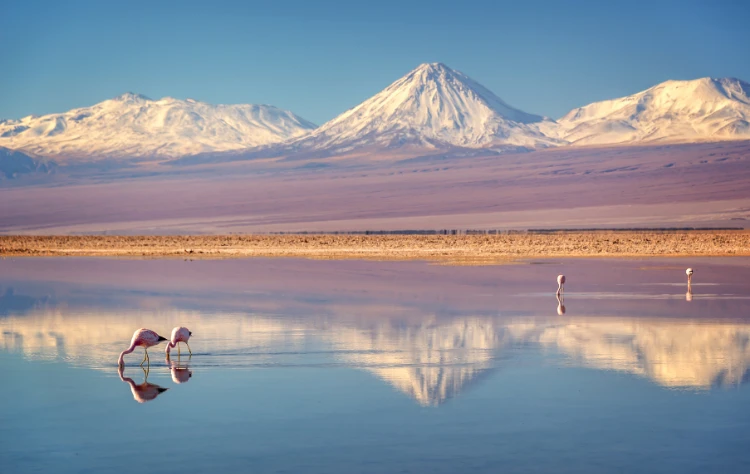
South America’s dramatic geography extends into its deserts.
Northern Chile’s Atacama Desert offers one of the clearest night skies on Earth. Days here move between salt flats, geothermal fields, and high-altitude lagoons where flamingos gather beneath volcanic peaks.
Luxury desert lodges frame the experience with quiet architectural integration. Evening astronomy sessions reveal constellations rarely visible elsewhere.
In Argentina’s west, vineyards stretch across the foothills of the Andes. Mendoza’s wine country offers another expression of landscape and culture, where high-altitude viticulture and refined gastronomy unfold against a mountain backdrop.
Among the most memorable things to do in South America is witnessing how dramatically landscapes change across relatively short distances.
Coastal Cities and Cultural Capitals
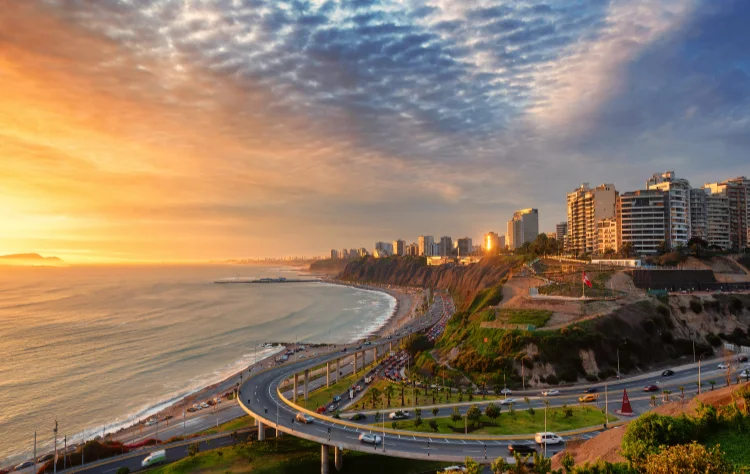
South America’s cities carry distinct identities shaped by history and geography.
In Peru’s capital, Lima blends Pacific coastline views with one of the most sophisticated culinary scenes in the world. Private dining experiences introduce the biodiversity of Peruvian ingredients through contemporary gastronomy.
Further north, Cartagena’s colonial streets and Caribbean atmosphere offer a different cultural expression entirely. Music, architecture, and Afro-Caribbean traditions shape the rhythm of the city.
Urban exploration in South America works best when integrated into a broader narrative rather than approached as isolated stops.
Cities provide context before travelers move into more remote landscapes.
Designing a South America Journey Thoughtfully
One of the most common misconceptions about travel across the continent is that multiple countries must be visited within a single trip.
In practice, the most rewarding journeys focus on one or two regions and allow experiences to unfold gradually.
A thoughtfully designed itinerary might combine Peru’s Andes with the Amazon, or pair Ecuador’s Galápagos Islands with its cloud forests. Argentina’s wine country can complement Patagonia’s expansive wilderness.
Kuoda approaches the continent as a collection of interconnected ecosystems and cultures rather than a checklist of destinations.
Logistics remain seamless. Private guides offer contextual depth. Accommodations reflect local architecture and environmental sensitivity.
The result is travel that feels composed rather than assembled.
Sustainability and Cultural Continuity
South America’s landscapes and communities require respectful engagement.
Many of the most compelling experiences involve interaction with local traditions that have endured for generations. Textile weaving in Andean villages. Agricultural practices in highland terraces. Indigenous ecological knowledge within the rainforest.
Kuoda collaborates with guides, lodges, and partners who prioritize community engagement and environmental stewardship.
Through the Kaypi Kunan Foundation, Kuoda supports education and development initiatives across Peru and beyond, reinforcing long-term investment in local communities.
Recognition as a Tripadvisor Travelers’ Choice 2025 winner reflects sustained trust from travelers who value thoughtful travel design.
Frequently Asked Questions About Things to Do in South America
How much time is needed to explore South America meaningfully?
Most travelers benefit from focusing on one or two countries over ten to fourteen days rather than attempting to cover multiple regions quickly.
What are the most distinctive experiences in South America?
The Andes, the Amazon rainforest, and the continent’s coastal cultural capitals represent three of the most defining travel environments.
Is luxury travel possible in remote regions?
Yes. Boutique lodges, expedition vessels, and carefully designed itineraries allow travelers to explore remote landscapes while maintaining comfort and privacy.
When is the best time to visit South America?
Seasonality varies by region. The Andean dry season typically runs from May through September, while rainforest regions remain accessible year-round.
A Continent That Rewards Depth
South America does not reveal itself through accumulation.
Its landscapes require time. Its cultures require curiosity. Its rhythms reward travelers who move deliberately rather than quickly.
Understanding the most meaningful things to do in South America begins with choosing fewer places and experiencing them well.
When designed with intention, the journey becomes less about movement and more about perspective.
And that shift transforms travel entirely.
Best Time to Visit Peru: When to Go by Region & Experience
Planning a journey to Peru is an exciting step toward exploring a land of extraordinary diversity, from the so...
Read Post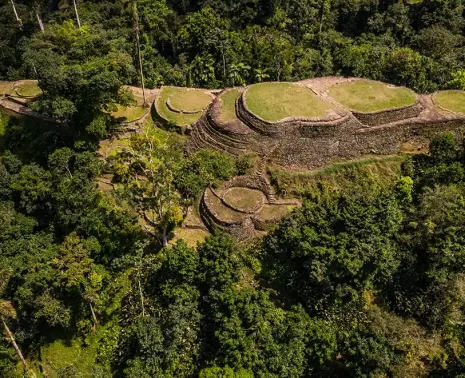
The Lost City Colombia and the Meaning of Reaching It
Some destinations are defined by what they are. Others by what it takes to reach them. The Lost City Col...
Read Post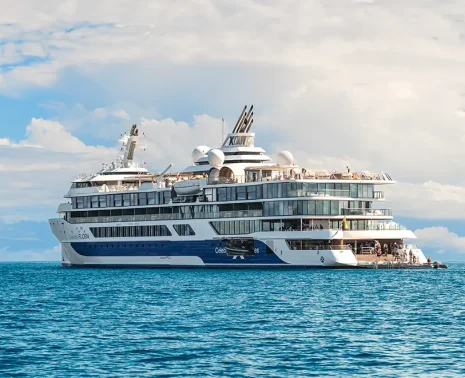
Best Galápagos Cruises: Choosing the Right Way to Experience the Islands
The phrase “best Galápagos cruises” suggests comparison. Ships, cabins, amenities, itineraries. It invite...
Read Post
8 DAYS
Luxury Machu Picchu Tours: Unveiling Peru’s Timeless Wonders
Cusco, Lima, Machu Picchu, Sacred Valley

8 DAYS
Peru Family Vacation: Journey to Machu Picchu and Beyond
Cusco, Lima, Machu Picchu, Sacred Valley

11 DAYS
Amazon River Cruise: A Luxury Journey Through the Amazon
Lima, Cusco, Sacred Valley, Machu Picchu, Iquitos, Amazon River