May 01, 2026 | by: Kuoda Authors


Argentina is not a country that yields easily to summary. Its scale alone resists simplification. Glacial fields in the far south. Subtropical rainforest along the northern border. Vineyards rising toward the Andes. A capital city shaped by European immigration and Latin American intellect.
When travelers begin searching for places in Argentina, they are rarely asking for a list. They are asking how to choose. Which regions align with their pace. Where culture feels most resonant. How to design a journey that feels cohesive rather than fragmented.
The answer depends less on quantity and more on clarity. Argentina rewards selectivity.
At Kuoda Travel, private journeys through Argentina begin with a conversation about rhythm, curiosity, and contrast. The goal is not to see everything. It is to experience a few places well.
Rethinking Places in Argentina as Distinct Worlds
Argentina’s regions are not variations on a theme. They are distinct worlds shaped by climate, migration, and geography. Understanding their differences is essential to designing a refined journey.
Buenos Aires: Intellectual and Cultural Anchor
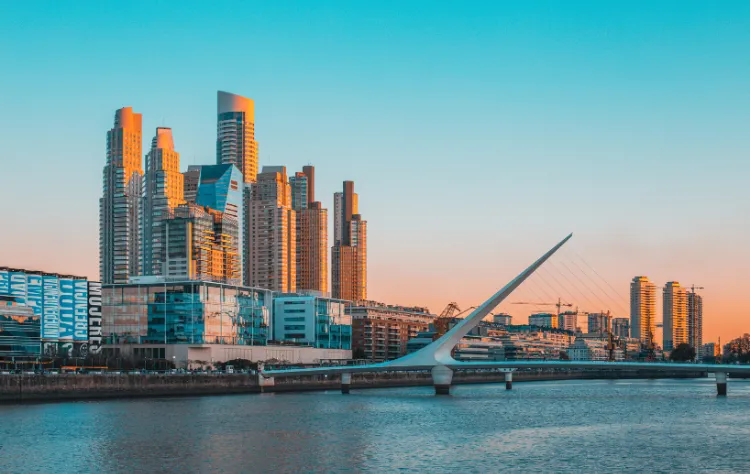
Any thoughtful exploration of places in Argentina begins in Buenos Aires. The capital is not simply a point of arrival. It is the country’s cultural reference point.
Wide boulevards recall Paris, yet the rhythm of conversation in neighborhood cafés is unmistakably Argentine. In Recoleta, mausoleums reveal stories of political legacy. In Palermo, contemporary art galleries coexist with quiet residential streets. San Telmo preserves echoes of colonial architecture and tango salons.
Experiencing Buenos Aires properly requires more than walking its avenues. A private guide versed in history, architecture, or gastronomy can frame the city’s evolution from colonial outpost to intellectual capital. Evenings might include a carefully selected tango performance in an intimate setting rather than a theatrical production designed for scale.
Buenos Aires offers grounding. From here, the country’s regional contrasts become more intelligible.
Patagonia: Space, Silence, and Elemental Landscape
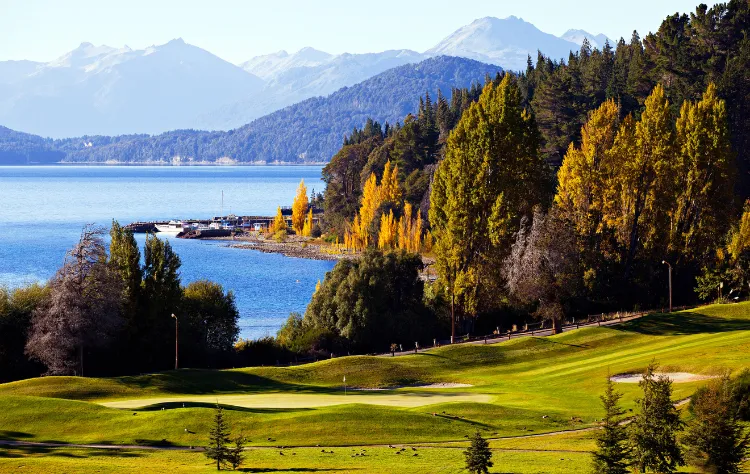
In the south, Argentina expands dramatically. Los Glaciares National Park holds immense ice fields and the advancing face of the Perito Moreno Glacier. Further north, El Chaltén offers access to high-altitude trekking beneath Mount Fitz Roy.
Patagonia is less about landmarks and more about atmosphere. Wind moves across open steppe. Light shifts rapidly across granite peaks. Glacial lakes hold improbable shades of blue.
Traveling here demands patience. Distances are significant. Weather patterns influence access. A refined itinerary allows time to settle into a remote lodge, to walk privately with a naturalist guide, to absorb rather than accumulate.
Among the most compelling places in Argentina, Patagonia offers perspective. It reminds travelers of scale and quiet.
Mendoza: Where Geography Becomes Flavor

At the foothills of the Andes, Mendoza offers a different rhythm. Here, vineyards stretch across a semi-arid landscape framed by snowcapped peaks.
Wine in Mendoza is inseparable from altitude and soil. A thoughtful visit might include a private tasting led by a winemaker before public hours, followed by a long, seasonal lunch overlooking the vines. The experience is less about sampling extensively and more about understanding how landscape shapes taste.
Mendoza integrates easily into a broader Argentine journey, offering both relaxation and intellectual engagement through viticulture, culinary tradition, and Andean geography.
Northwest Argentina: Cultural Continuity and Color
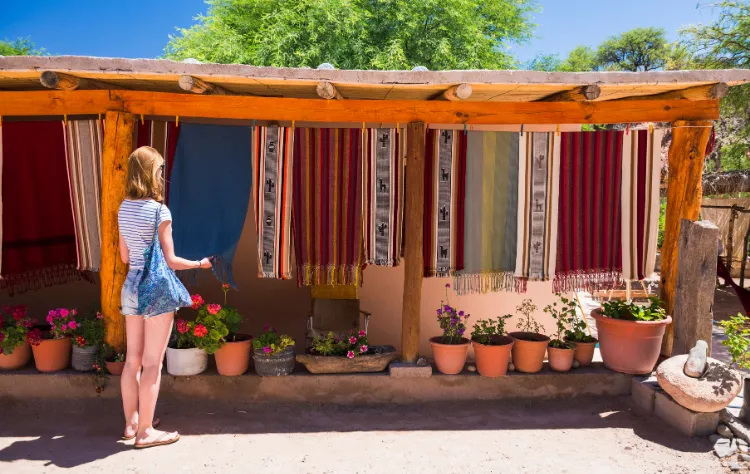
In the northwest, colonial towns and indigenous heritage intersect beneath vast desert skies. Salta serves as a base for exploring the Calchaquí Valleys, where red rock formations and high-altitude vineyards define the terrain.
This region carries deep historical continuity. Spanish colonial architecture stands alongside Andean traditions that predate it. Textile artisans maintain ancestral weaving techniques. Small wineries cultivate Torrontés at remarkable elevations.
Traveling through these places in Argentina requires sensitivity and time. Private access and careful pacing allow encounters to feel authentic rather than staged. The landscape is dramatic, but the human element gives it resonance.
Iguazú: Subtropical Immersion
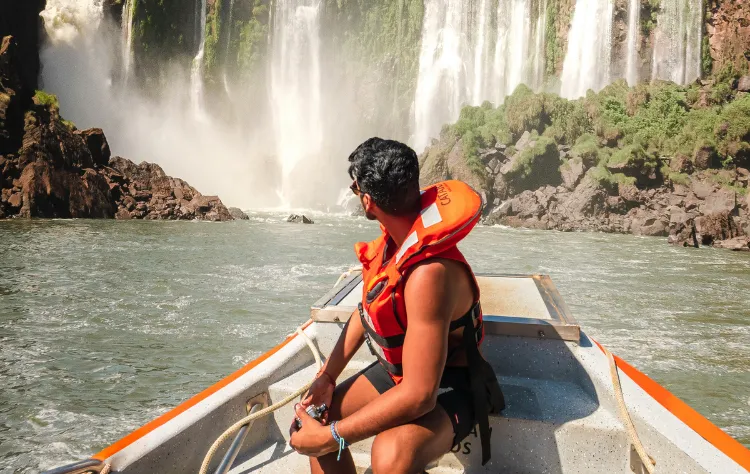
In the far northeast, Iguazú Falls offers a striking contrast to Patagonia’s austerity. Nearly 300 cascades cut through subtropical rainforest along the border with Brazil.
The experience of Iguazú is multisensory. Mist hangs in the air. The roar builds gradually. Walkways lead through dense vegetation alive with birds and butterflies.
A well-designed visit includes early entry into the park with a private naturalist guide and accommodations within the forest itself. The waterfall becomes part of a broader immersion in biodiversity.
As one of the most iconic places in Argentina, Iguazú pairs naturally with Buenos Aires or the northern provinces, creating geographic and climatic contrast within a single journey.
Designing Coherence Across Places in Argentina
The challenge in choosing places in Argentina lies in resisting excess. The country’s vastness can encourage overextension.
A thoughtful itinerary might combine Buenos Aires with Patagonia for contrast between culture and wilderness. Alternatively, Buenos Aires and Mendoza offer an interplay of urban life and viticulture. Adding Iguazú introduces subtropical ecology. Northwest Argentina provides historical and indigenous depth.
Kuoda’s approach is private and fully customized. Routes are designed around traveler preference, seasonal conditions, and pace. Domestic flights are scheduled with buffer and comfort in mind. Boutique accommodations are selected for character rather than scale.
The objective is not coverage. It is continuity.
Sustainability and Responsible Presence
Argentina’s diverse ecosystems require careful stewardship. National parks regulate visitor flow. Remote regions rely on community-based tourism for economic sustainability.
Kuoda prioritizes partnerships with properties that operate responsibly, particularly in fragile environments such as Patagonia and Iguazú. Private travel reduces strain compared to large group movements. Cultural encounters are arranged with respect and reciprocity.
Through its Kaypi Kunan Foundation, Kuoda maintains long-term engagement in community initiatives across South America. Responsible travel is embedded in design, not added as decoration.
Recognition as a Tripadvisor Travelers’ Choice 2025 winner reflects consistent trust from discerning travelers who value both refinement and integrity.
Frequently Asked Questions About Places in Argentina
How many places in Argentina can realistically be combined in one trip?
For a balanced experience, two to three primary regions are ideal over a two-week journey. This allows depth and avoids excessive internal travel.
Is it better to focus on Patagonia or northern Argentina?
The choice depends on climate preference and cultural interest. Patagonia offers expansive wilderness and glacial landscapes. The northwest provides colonial history, indigenous heritage, and high-altitude vineyards. Both require time and thoughtful pacing.
When is the best time to visit different places in Argentina?
Patagonia is strongest from October to April. Mendoza’s harvest season in March and April is particularly engaging. Buenos Aires is pleasant in spring and autumn. Iguazú can be visited year-round, with varying water levels.
Are these destinations suitable for private, luxury travel?
Yes. Argentina’s infrastructure supports refined private journeys, especially when designed with careful sequencing, boutique accommodations, and knowledgeable local guides.
Choosing With Intention
Argentina does not demand urgency. It rewards curiosity and selectivity.
The most meaningful journeys here are shaped around contrast and coherence. A capital city layered with history. A glacier advancing slowly across turquoise water. Vineyards rising toward the Andes. Rainforest mist suspended above cascading falls.
When considering places in Argentina, the question is not how many can be visited. It is which combinations feel aligned with your interests and pace.
From there, the design becomes precise and unforced. A journey that feels not assembled, but composed.
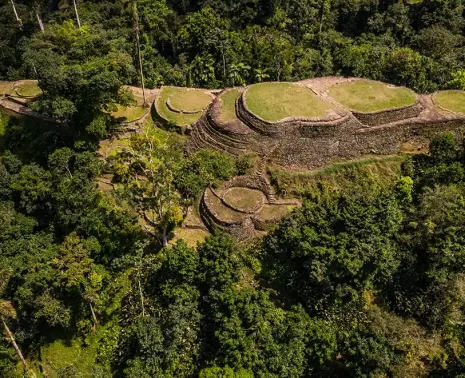
The Lost City Colombia and the Meaning of Reaching It
Some destinations are defined by what they are. Others by what it takes to reach them. The Lost City Col...
Read Post
Best Galápagos Cruises: Choosing the Right Way to Experience the Islands
The phrase “best Galápagos cruises” suggests comparison. Ships, cabins, amenities, itineraries. It invite...
Read Post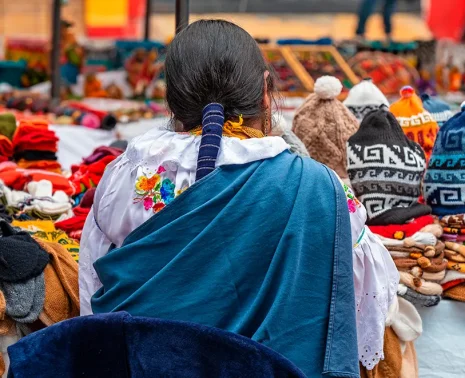
Designing an Ecuador Itinerary with Intention: How to Experience the Country Beyond the Obvious
An Ecuador itinerary is often approached as a checklist. A few days in Quito, a quick passage through the Ande...
Read Post
8 DAYS
Luxury Machu Picchu Tours: Unveiling Peru’s Timeless Wonders
Cusco, Lima, Machu Picchu, Sacred Valley

8 DAYS
Peru Family Vacation: Journey to Machu Picchu and Beyond
Cusco, Lima, Machu Picchu, Sacred Valley

11 DAYS
Amazon River Cruise: A Luxury Journey Through the Amazon
Lima, Cusco, Sacred Valley, Machu Picchu, Iquitos, Amazon River