September 04, 2026 | by: Kuoda Authors


Searching for the best restaurants in Peru often begins with rankings.
Lists, awards, and recognitions offer a useful starting point, but rarely provide the full picture. What they capture is visibility, not necessarily alignment. In a country as layered as Peru, where cuisine is deeply tied to geography and culture, alignment matters more than prominence.
The question is not simply where to eat.
It is how each restaurant fits into the rhythm of a journey, how it reflects the region it belongs to, and how it contributes to a broader understanding of the country. Approached this way, the best restaurants in Peru are not defined by status alone; they are defined by context.
Rethinking the Best Restaurants in Peru
The idea of “best” suggests comparison. In practice, Peru’s culinary landscape resists this.
Restaurants across the country operate from distinct philosophies. Some interpret Peru through innovation; others through preservation. Some rely on rigorous structure, while others lean into intuitive tradition.
To move through these spaces thoughtfully is to understand what each one offers—and precisely when it should be experienced within an itinerary. At Kuoda, the focus is not on compiling a generic directory, but on curating a sequence of dining experiences that feel entirely coherent within a custom-designed journey.
Lima: Where Peru Interprets Itself
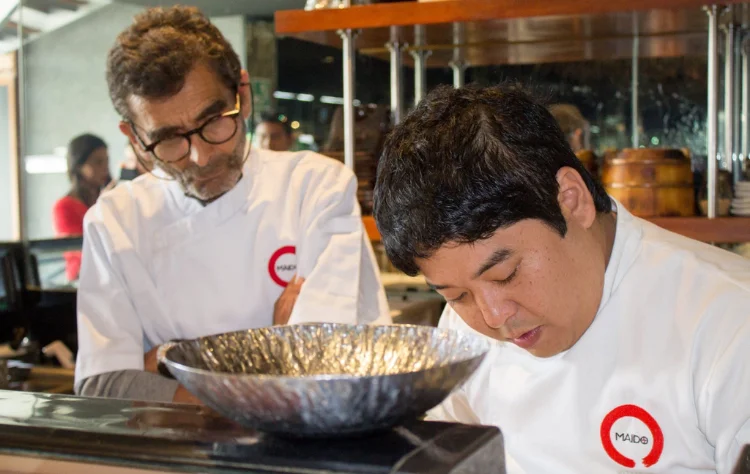
Source Maido Cocina Nikkei, Facebook
Restaurants as Narrative
As the gastronomical capital of the Americas, Lima serves as a creative crucible where the country interprets itself. The city’s top dining establishments function as cultural storytellers:
Central: Spearheaded by chefs Virgilio Martínez and Pía León, Central stands as an ode to Peru in all its forms. The tasting menu is organized around altitude, celebrating the unique landscapes, history, and traditions of their homeland by using locally sourced produce from distinct ecosystems—allowing travelers to move through Peru vertically rather than just geographically.
Maido: Combining Latin American and Japanese cuisines, chef Mitsuharu Tsumura presents an exciting Nikkei menu. The fish-focused 12-course Nikkei Experience degustation features creations like Paracas scallops with green butter beans and miso, paired with beef cheek served with tsukemono and jora corn, and finished with a surprising lucuma ice cream topped with soy sauce and macambo foam.
Astrid y Gastón: Located in a unique three-century-old colonial mansion in San Isidro, this is the birthplace of the modern Peruvian culinary revolution. Gastón Acurio takes traditional ingredients—such as giving guinea pig the haute-cuisine treatment—while pastry chef Astrid Gutsche showcases cacao and tropical fruits, cementing a legacy that honors Peru’s rich flavors.
La Mar Cevichería: A pioneering open-air cevicheria in Miraflores dedicated exclusively to daytime dining (12 PM to 5:30 PM) to ensure absolute freshness. It offers a dazzling array of classic ceviches and tiraditos straight from Peru’s Pacific waters, best matched with a traditional Pisco Sour.
Mayta: Meaning “Noble Land” in Aymara, Mayta expresses contemporary Peruvian gastronomy through modern takes on traditional dishes like arroz con pato (duck rice) and ceviche amazónico.
These dining rooms are frequently referenced globally, but their true value lies in perspective, offering alternative lenses through which to understand Peru’s complex identity.
Beyond Recognition
Lima’s culinary identity extends far beyond its most visible flagships. Traditional neighborhood spaces like Isolinacelebrate the spirit and flavors of yesteryear’s taverns with home-style Peruvian recipes, while boutique spots and contemporary cafés contribute to a more complete, authentic narrative of how contemporary Peruvians eat daily.
The Sacred Valley: Dining Within the Landscape
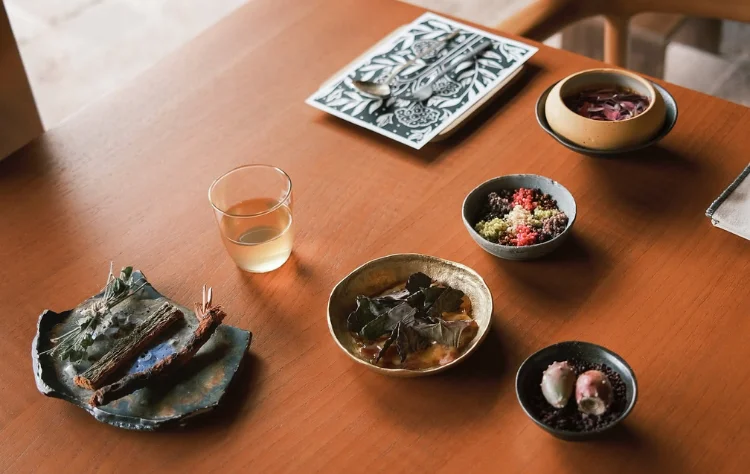
Photo Source: Instagram Mil Centro
What are the top farm-to-table dining experiences in the Sacred Valley?
The Sacred Valley—historically revered as the main food source of the Inca Empire along the Urubamba River—introduces an entirely different relationship with food, moving away from urban formality toward a direct proximity to the land.
MIL (Food Lab and Interpretation Center): Located on the road to Moray, MIL offers an immersive culinary proposal inspired by and aligned with the surrounding environment. Working directly with local high-altitude communities, the menu connects travelers to millenary traditions and ingredients harvested from extreme elevations.
Killa Wasi (Relais & Chateaux): Situated at Hotel Sol & Luna in Urubamba, this restaurant incorporates contemporary interpretations of rustic valley traditions using organic produce from neighboring farms and discoveries from the Amazon.
In this context, the traditional boundary between restaurant and landscape begins to dissolve.
Cusco: Where Tradition and Evolution Meet
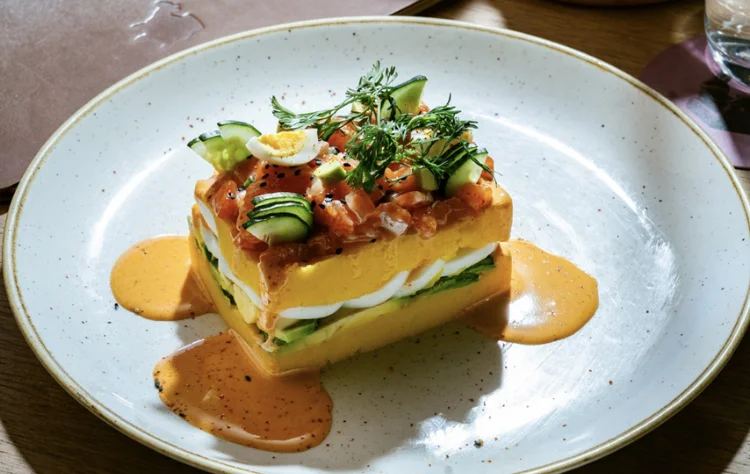
Photo Source: Instagram Chicha Cusco
How does Cusco’s culinary scene blend history with modern technique?
Designated a UNESCO World Heritage site, Cusco retains the original structure of its ancient streets, housing a culinary scene built on continuity and heritage:
Chicha by Gastón Acurio: Located near the Plaza de Armas, Chicha honors the regional food, produce, and culinary wisdom of ancient Cusco, elevating traditional highland recipes through responsible partnerships with local producers.
Cicciolina: Set inside an atmospheric colonial-era loft, it delivers a cosmopolitan yet intimate ambiance with open kitchens, offering wonderful flavors that mirror the character of the city itself.
Uchu Peruvian Steakhouse: Blends tradition and innovation near the main plaza, serving high-grade meats and alpaca steaks cooked on volcanic stone, paired with local Andean sauces.
Limo: Combines a traditional balcony overlooking the Plaza de Armas with an exceptional pisco bar and a creative menu celebrating Nikkei fusion.
The best restaurants in Peru located within Cusco successfully manage this balance—engaging with tradition in a way that feels vibrant and current.
A Curated Perspective on Dining Across Peru
Kuoda’s extensive experience in designing bespoke journeys across Peru offers a nuanced approach to where and how to dine. Rather than presenting a fixed, inflexible list, restaurant recommendations are shaped by:
- The architectural structure and flow of the itinerary
- The traveler’s specific palate and dietary preferences
- The optimal pacing and energy of each travel day
- The broader cultural narrative of the journey
For a comprehensive overview of how luxury travel and fine dining intertwine, explore the Kuoda Destination Guide to Peru. This approach guarantees that dining is never treated as an isolated activity, but as an integral thread of the entire travel experience.
The Role of Access and Timing
Dining in Peru is influenced as much by timing as by selection.
Securing reservations at world-class establishments requires strategic advance planning, and certain venues reveal their true character only when experienced at specific moments of the day. Managing these details with precision is essential. At Kuoda, this coordination is handled seamlessly—not to manufacture artificial exclusivity, but to ensure each reservation flows naturally within the cadence of your private journey.
Beyond Restaurants: Food as a Cultural Lens
While elite dining rooms offer extraordinary insight, they represent only one dimension of Peru’s gastronomy.
Private market visits—such as early-morning explorations of Cusco’s San Pedro Market for fresh juices and local Andean produce—curated tastings, and direct engagement with local producers, agronomists, and chefs reveal the systems and human relationships sustaining Peru’s food culture. For discerning travelers, these immersive encounters often prove just as memorable as the country’s top-rated tables.
Sustainability and Culinary Responsibility
Peru’s global culinary reputation is inextricably linked to its fragile biodiversity, spanning from coastal waters to high-altitude Andean ecosystems and the Amazon.
The country’s leading culinary pioneers collaborate directly with small-scale indigenous producers, championing the preservation of native tubers, heirloom grains, and responsible sourcing models. Kuoda intentionally partners with establishments that share this ethical commitment, ensuring that every curated meal supports local communities and safeguards the natural landscape.
FAQs About the Best Restaurants in Peru
How many top-tier restaurants should be included in a Peru itinerary?
It depends entirely on the length, focus, and pacing of the journey. A well-curated itinerary typically features a select number of signature dining experiences rather than an overscheduled calendar.
Are the best restaurants in Peru found exclusively in Lima?
No. While Lima serves as the country’s primary gastronomic hub, exceptional fine-dining and farm-to-table experiences are distributed throughout the country, particularly in Cusco and the Sacred Valley.
Do high-end restaurants in Peru accommodate specialized dietary preferences?
Yes. Most premier establishments readily adapt their tasting menus for dietary requirements while meticulously preserving the artistic and conceptual integrity of the dish.
How far in advance should reservations be secured?
For internationally acclaimed restaurants like Central, Maido, or MIL, reservations must be arranged months in advance, especially during peak international travel seasons.
A More Considered Way to Dine in Peru
The best restaurants in Peru are defined not solely by awards or global recognition, but by how they are experienced. They derive their meaning from their place within the journey and their connection to the surrounding landscapes and cultures.
When approached with intentional care, dining becomes far more than a sequence of meals—it becomes a profound method of understanding Peru itself. At Kuoda, this philosophy guides every custom itinerary, ensuring each recommendation contributes to a deeper, more coherent exploration of South America.
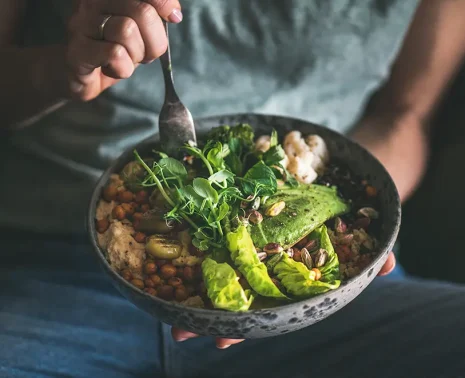
Vegetarian Peruvian Food and the Quiet Depth of a Plant-Based Culinary Tradition
Peruvian cuisine is often described through its richness, its diversity, its complexity. Less frequently is it...
Read Post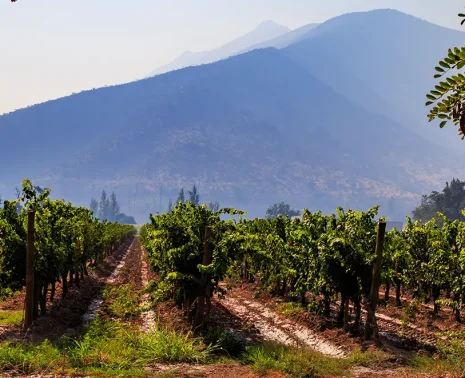
Chilean Wines: How Geography Shapes Their Unique Character
Chilean wines are often introduced through familiarity. Carmenère, Cabernet Sauvignon, valleys near Santia...
Read Post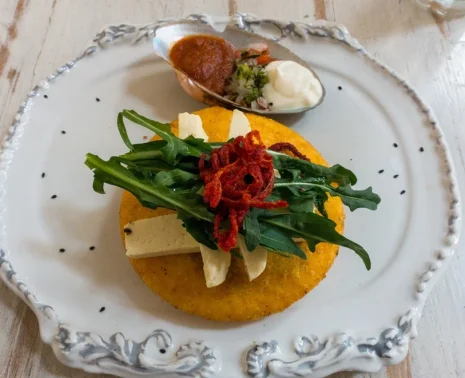
Colombia Culinary Journeys and the Experience of Understanding a Country Through Flavor
Colombia is a country that expresses itself through regional identity. The Caribbean coast feels warm, colo...
Read Post
8 DAYS
Luxury Machu Picchu Tours: Unveiling Peru’s Timeless Wonders
Cusco, Lima, Machu Picchu, Sacred Valley

8 DAYS
Peru Family Vacation: Journey to Machu Picchu and Beyond
Cusco, Lima, Machu Picchu, Sacred Valley

11 DAYS
Amazon River Cruise: A Luxury Journey Through the Amazon
Lima, Cusco, Sacred Valley, Machu Picchu, Iquitos, Amazon River