September 02, 2026 | by: Kuoda Authors


The question of things to do in Mendoza Argentina often leads to a familiar answer.
Wine tastings, vineyard visits, mountain excursions.
All of these are part of the experience. None of them explain it. Mendoza is not defined by activity. It is defined by rhythm.
The region moves differently. Days unfold more slowly. Landscapes are not something to pass through, but something to remain within. Even wine, central as it is, becomes less about tasting and more about context.
To experience Mendoza well is not to do more. It is to understand how to move through it with intention.
Wine Is Not the Activity, It Is the Framework
Beyond Tasting
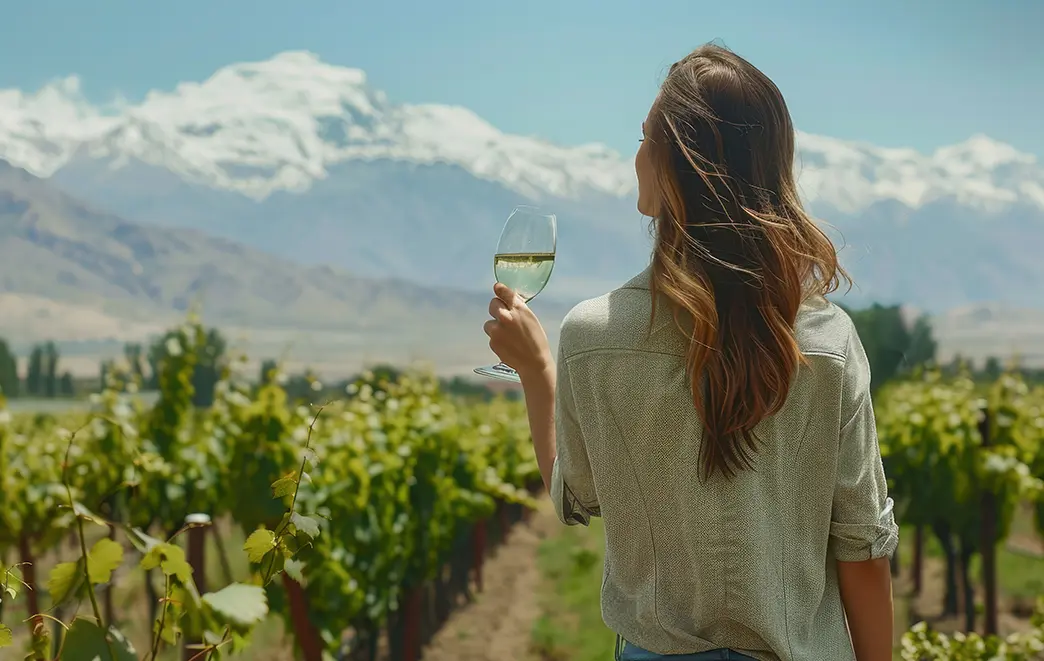
Wine is often treated as the focal point of Mendoza. Visits are scheduled, tastings are planned, and the experience becomes structured around consumption.
What is often missed is how deeply wine is integrated into the region.
Vineyards are not isolated destinations. They are part of a broader landscape shaped by altitude, irrigation, and climate. The experience is not limited to what happens at a table. It extends into how the environment is understood.
A tasting becomes more meaningful when it is connected to place.
The Role of Timing
Wine experiences in Mendoza change depending on when they occur.
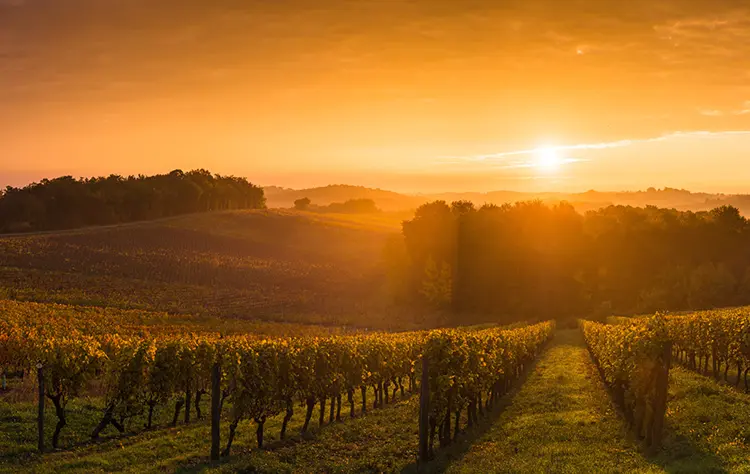
Morning light across the vineyards feels different from late afternoon. Lunches extend naturally into the day. The pace slows, not because it is designed to, but because it reflects how life unfolds in the region.
Rushing between vineyards reduces the experience to comparison.
Allowing time within each setting creates something more cohesive.
The Andes: A Constant Presence
Landscape as Orientation
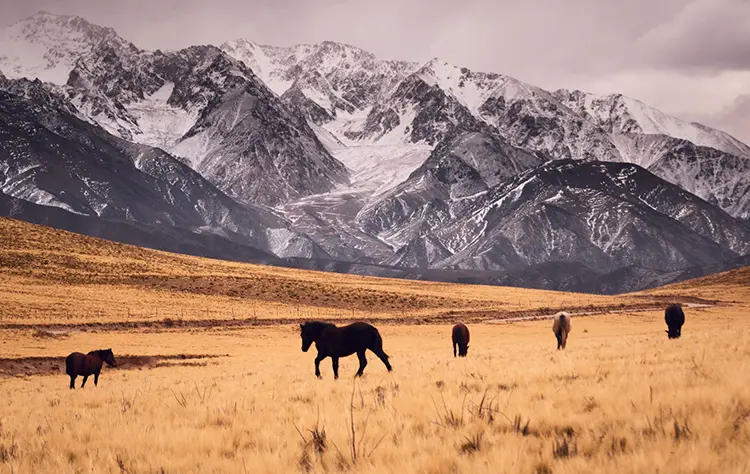
The Andes are not a distant backdrop in Mendoza.
They define the horizon, influence the climate, and shape the way the region is experienced. Whether visible in full clarity or partially obscured by light, they remain present.
Time in Mendoza is often shaped by this relationship.
Movement through the region becomes less about reaching specific points and more about observing how the landscape shifts in relation to the mountains.
Entering the Mountains
Excursions into the Andes introduce a different scale.
Roads extend toward higher elevations. The environment becomes more expansive, less cultivated. The transition from vineyard to mountain is gradual, but significant.
From our base in South America, this is where many travelers begin to understand Mendoza differently. The region is not only about wine. It is about how cultivated land meets untouched landscape.
The experience expands beyond expectation.
The Role of Slowness
Letting the Day Unfold
Mendoza does not respond well to tight scheduling.
Attempting to structure each hour creates tension within a place that is defined by ease. The most meaningful experiences often occur when time is allowed to extend.
A long lunch. A quiet moment overlooking the vineyards. An unplanned conversation.
These are not interruptions to the itinerary.
They are the experience itself.
Space Between Moments
Spacing matters.
Moving directly from one activity to another limits absorption. The landscape, the wine, and the atmosphere all require time to settle.
A well-designed journey creates space between experiences, allowing each to retain its significance.
This is where the difference becomes clear.
Where the Experience Becomes Personal
Boutique Wineries and Smaller Encounters
Mendoza offers a range of winery experiences.
Larger, more established properties provide structure and scale. Smaller, family-run wineries create a different dynamic. Interactions feel less formal, more connected to the people behind the production.
The choice is not about exclusivity.
It is about how the experience is framed.
Dining as Part of the Landscape
Meals in Mendoza are not separate from the environment.
Restaurants are often positioned within vineyards, allowing the landscape to remain part of the experience. Ingredients reflect the region. Timing follows the natural rhythm of the day.
Dining becomes an extension of place.
It reinforces the sense of continuity within the journey.
What Most Travelers Misinterpret About Mendoza

Trying to Do Too Much
There is a tendency to maximize vineyard visits.
Multiple tastings in a single day, tightly scheduled movements between locations.
This approach creates fatigue rather than depth.
Reducing the number of visits and allowing more time within each creates a more meaningful experience.
Separating Wine from Landscape
Treating wine as an isolated activity removes it from its context.
Without understanding the environment in which it is produced, the experience becomes purely sensory rather than immersive.
Overlooking the Importance of Timing
Arriving late, moving too quickly, or compressing experiences into limited time frames reduces their impact.
Timing shapes perception.
Small adjustments create significant differences.
The Structure Behind a Seamless Experience

Aligning Movement and Place
Mendoza requires subtle coordination.
Distances between vineyards, the timing of meals, and the sequencing of experiences all influence how the day unfolds.
When aligned correctly, the journey feels natural.
Movement becomes fluid, rather than managed.
Access Through Understanding
Experiences that feel personal are rarely incidental.
They are shaped through relationships, through knowing how to access spaces in a way that feels natural rather than arranged.
This layer is not visible, but it defines the quality of the experience.
Sustainability in a Living Landscape
Mendoza’s environment is shaped by careful balance.
Water management, agricultural practices, and local communities all contribute to the region’s identity. Experiencing it responsibly means engaging with this system rather than simply observing it.
Choosing experiences that reflect this balance supports long-term sustainability.
It ensures that the landscape remains not only visible, but viable.
This approach aligns with a broader philosophy of travel that values depth and responsibility alongside experience .
FAQs
What are the main things to do in Mendoza Argentina?
Wine experiences, vineyard visits, mountain excursions, and regional dining form the core of most Mendoza journeys.
How many days should I spend in Mendoza?
Three to five days allow for a well-paced experience, with time to explore vineyards and the surrounding landscape without rushing.
Is Mendoza only about wine?
No. While wine is central, the landscape, culture, and pace of the region are equally defining.
When is the best time to visit Mendoza?
Mendoza can be visited year-round, with harvest season offering a particularly dynamic experience.
A More Considered Way to Experience Mendoza
Things to do in Mendoza Argentina are not defined by activity.
They are defined by how time is used.
When the pace is respected, when the landscape is allowed to remain present, and when experiences are given space to unfold, the region reveals itself differently.
What begins as a series of visits becomes a continuous experience.
And that experience begins with understanding that in Mendoza, doing less is often the way to experience more.
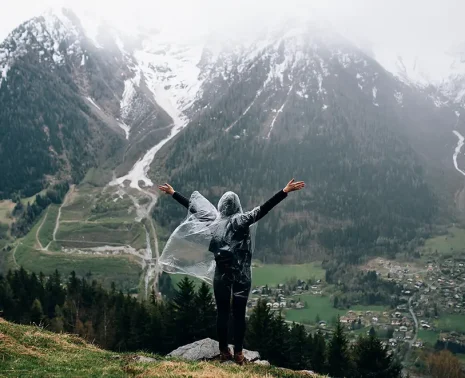
Rainy Season in Peru: When It Is and What to Expect
When is the rainy season in Peru, and what should travelers actually expect? Understanding how the wet season ...
Read Post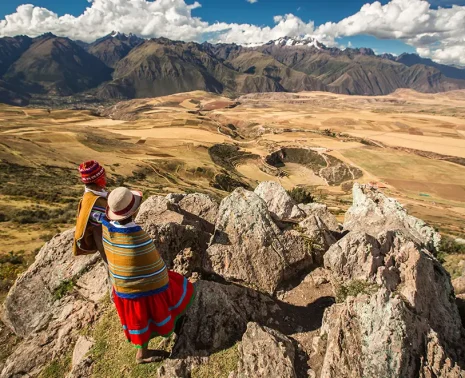
Dry Season in Peru: Best Months, Weather & What Travelers Should Know
When is the dry season in Peru, and what can travelers truly expect during these months? Understanding Peru’...
Read Post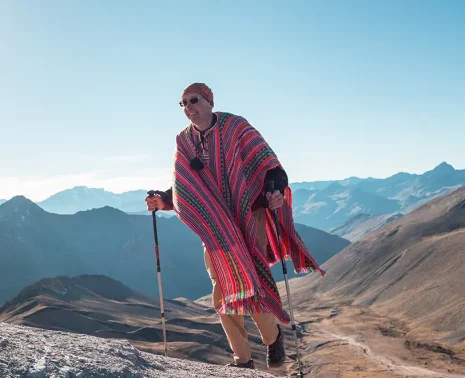
Best Time to Visit Peru: When to Go by Region & Experience
Planning a journey to Peru is an exciting step toward exploring a land of extraordinary diversity, from the so...
Read Post
8 DAYS
Luxury Machu Picchu Tours: Unveiling Peru’s Timeless Wonders
Cusco, Lima, Machu Picchu, Sacred Valley

8 DAYS
Peru Family Vacation: Journey to Machu Picchu and Beyond
Cusco, Lima, Machu Picchu, Sacred Valley

11 DAYS
Amazon River Cruise: A Luxury Journey Through the Amazon
Lima, Cusco, Sacred Valley, Machu Picchu, Iquitos, Amazon River