August 19, 2026 | by: Kuoda Authors


Chilean wines are often introduced through familiarity.
Carmenère, Cabernet Sauvignon, valleys near Santiago. Yet what defines Chile’s wine identity is not a single grape or region. It is the country’s geography. A long, narrow landscape bordered by the Pacific Ocean and the Andes, creating conditions that are both varied and precise.
For travelers, this creates a different kind of experience.
Wine is not only tasted. It is understood through place. Through climate, elevation, and proximity to the ocean. Each glass reflects a specific environment, shaped by natural boundaries that remain largely intact.
To explore Chilean wines is to move through a landscape that defines them.
Chilean Wines as an Expression of Terroir
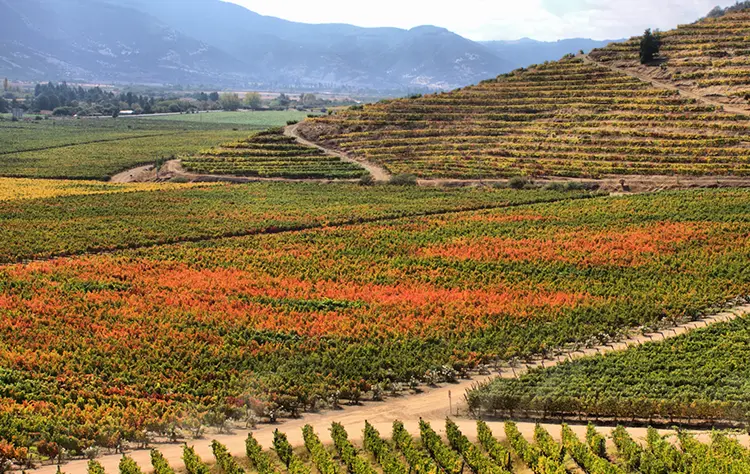
Chile’s wine regions are structured by natural forces.
The Andes to the east, the Pacific to the west, and a series of valleys that run between them. This creates a range of microclimates that influence how grapes develop.
Cool coastal breezes, warmer inland temperatures, variations in soil and elevation. Each element contributes to the character of Chilean wines.
Understanding this relationship shifts the experience. Wine tasting becomes less about comparison and more about interpretation.
The Central Valley: Structure and Continuity
Maipo Valley
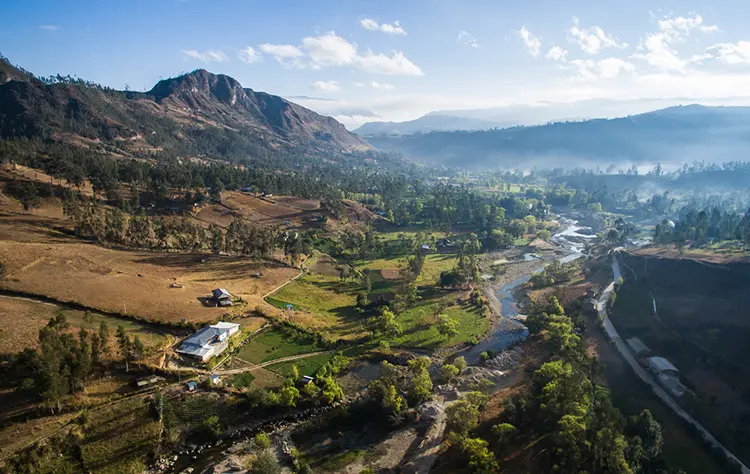
Maipo is often considered the foundation of Chilean wines.
Located near Santiago, it produces structured Cabernet Sauvignon that reflects both tradition and refinement. Vineyards here benefit from a stable climate and proximity to the Andes, which influences temperature variation.
The experience of visiting Maipo is defined by continuity. Established wineries, long-standing practices, and a sense of precision that has developed over time.
Colchagua Valley
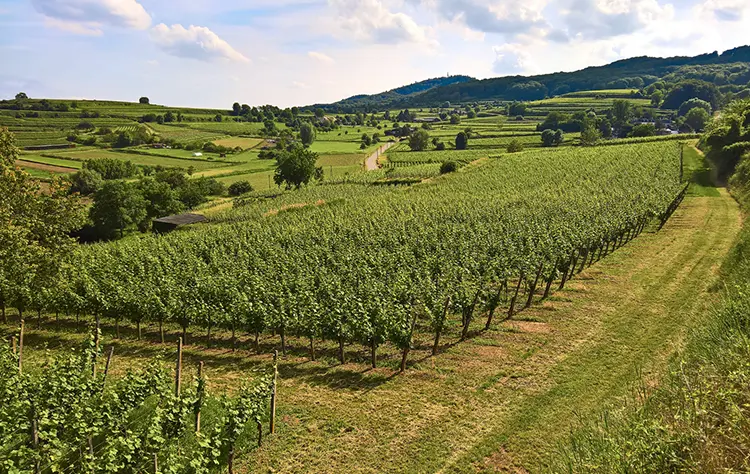
Further south, Colchagua introduces a different dynamic.
Warmer conditions allow for a broader range of varietals, including Carmenère, which has become closely associated with Chile. Wines here tend to feel more expressive, shaped by climate and evolving winemaking approaches.
Colchagua offers a balance between tradition and innovation, making it central to understanding Chilean wines today.
The Coastal Influence: Casablanca and Beyond
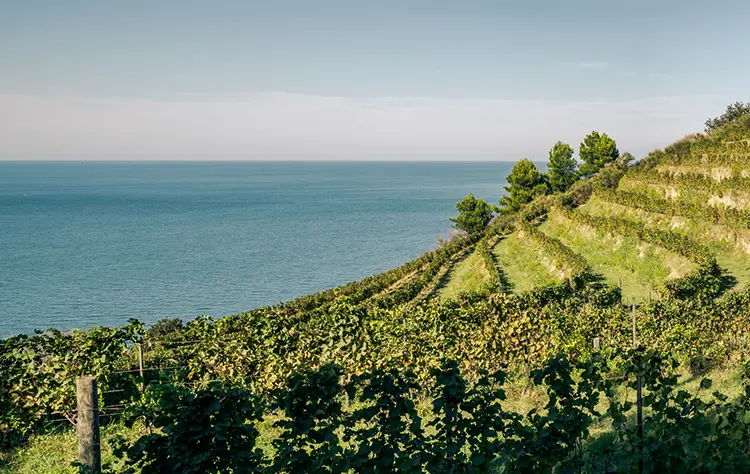
Chile’s coastline plays a defining role in its wine identity.
In valleys such as Casablanca, proximity to the Pacific creates cooler conditions. This allows for varietals such as Sauvignon Blanc and Chardonnay to develop with a distinct freshness.
The influence of the ocean is subtle, but consistent. Morning fog, moderated temperatures, and a slower ripening process all contribute to the final profile.
Chilean wines from these regions reflect this restraint. They are shaped by balance rather than intensity.
The Experience of Wine in Chile

Vineyards as Part of the Landscape
Visiting Chile’s wine regions is not limited to tastings.
Vineyards are integrated into broader landscapes that invite exploration. Open views, shifting light, and the presence of both mountains and ocean create an environment that extends beyond the winery itself.
This connection between wine and place defines the experience.
A More Considered Approach to Tastings
Wine tastings in Chile are often structured to allow for understanding.
Private visits, smaller groups, and direct interaction with hosts create a more refined setting. Conversations move beyond the wine itself, into how it is produced and what influences it.
At Kuoda, these experiences are selected with intention. The focus is not on visiting many wineries, but on engaging more deeply with a few that reflect different aspects of Chilean wines.
Extending the Journey Through Chile’s Wine Country
Chile’s wine regions can be experienced independently or as part of a broader journey.
Combining wine country with destinations such as Santiago, the Atacama Desert, or Patagonia creates contrast. The structured environment of vineyards gives way to landscapes that feel more expansive.
These transitions require careful planning.
At Kuoda, the integration of Chilean wines into the journey is designed to maintain continuity. Each region contributes to a broader understanding of the country.
For a deeper look into Chile’s wine regions and how they are experienced, Kuoda’s wine country page offers additional context:
https://www.kuodatravel.com/destinations/chile/wine-country/
A broader perspective on Chile’s destinations can be found here: https://www.kuodatravel.com/destinations/chile/
Sustainability and Viticulture
Chile’s wine industry is increasingly focused on sustainability.
Many vineyards are adopting practices that reflect long-term environmental stewardship. Water management, organic cultivation, and preservation of natural surroundings are becoming central.
This approach aligns with the broader relationship between Chilean wines and their environment.
Kuoda works with partners who reflect these principles, ensuring that experiences remain both refined and responsible.
FAQs About Chilean Wines
What are the most well-known Chilean wines?
Cabernet Sauvignon, Carmenère, and Sauvignon Blanc are among the most recognized, each reflecting different regions.
Which wine regions should travelers visit?
Maipo, Colchagua, and Casablanca Valleys offer a strong introduction to Chilean wines.
When is the best time to visit Chile’s wine country?
Harvest season, typically between March and May, provides a particularly immersive experience.
Can wine experiences be tailored for non-experts?
Yes. Tastings are designed to be accessible while still offering depth and insight.
A Landscape That Defines the Glass
Chilean wines are not defined by a single style.
They reflect a country shaped by natural boundaries, where geography influences every aspect of production. For travelers, this creates an experience that extends beyond tasting.
It becomes a way of understanding Chile itself.
At Kuoda, this perspective guides how wine experiences are designed. Not as isolated visits, but as part of a broader journey that connects landscape, culture, and time.
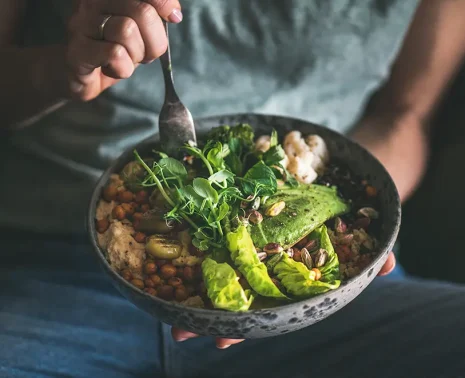
Vegetarian Peruvian Food and the Quiet Depth of a Plant-Based Culinary Tradition
Peruvian cuisine is often described through its richness, its diversity, its complexity. Less frequently is it...
Read Post
Best Restaurants in Peru and the Perspective Behind Where You Choose to Dine
Searching for the best restaurants in Peru often begins with rankings. Lists, awards, and recognitions offe...
Read Post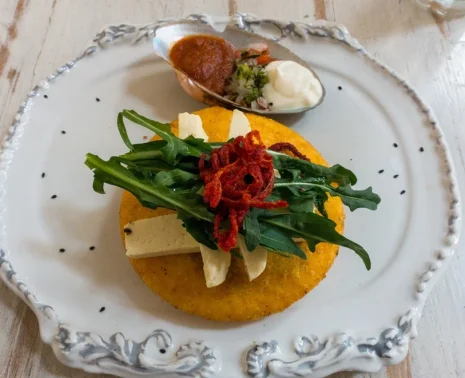
Colombia Culinary Journeys and the Experience of Understanding a Country Through Flavor
Colombia is a country that expresses itself through regional identity. The Caribbean coast feels warm, colo...
Read Post
8 DAYS
Luxury Machu Picchu Tours: Unveiling Peru’s Timeless Wonders
Cusco, Lima, Machu Picchu, Sacred Valley

8 DAYS
Peru Family Vacation: Journey to Machu Picchu and Beyond
Cusco, Lima, Machu Picchu, Sacred Valley

11 DAYS
Amazon River Cruise: A Luxury Journey Through the Amazon
Lima, Cusco, Sacred Valley, Machu Picchu, Iquitos, Amazon River