March 23, 2026 | by: Kuoda Authors


Why the Rainbow River Requires Context
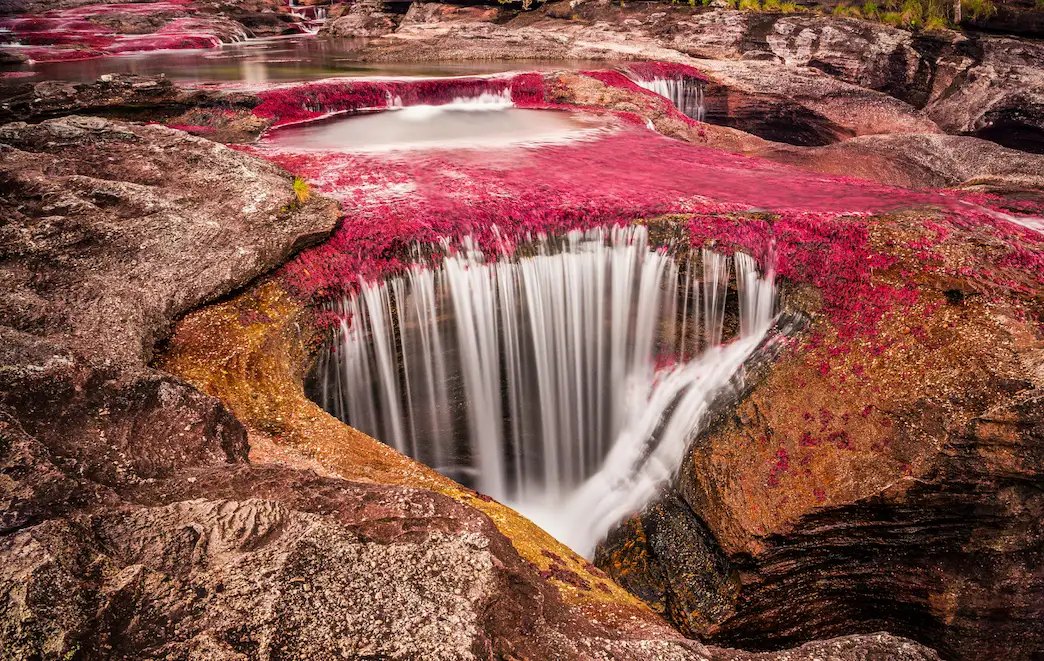
The phrase rainbow river Colombia often arrives loaded with expectation. Images circulate widely, saturated with color and scale. Yet Caño Cristales is not a place that rewards projection. It rewards understanding.
This river, located within the Serranía de la Macarena, changes dramatically depending on season, light, water level, and ecological balance. Its colors are not constant. They emerge briefly, precisely, and only under specific conditions.
For discerning travelers, the appeal lies not in intensity but in coherence. Kuoda approaches Caño Cristales as a living system rather than a visual event, designing journeys that allow travelers to experience the river at the moment when its conditions align naturally.
What Creates the Colors of Caño Cristales
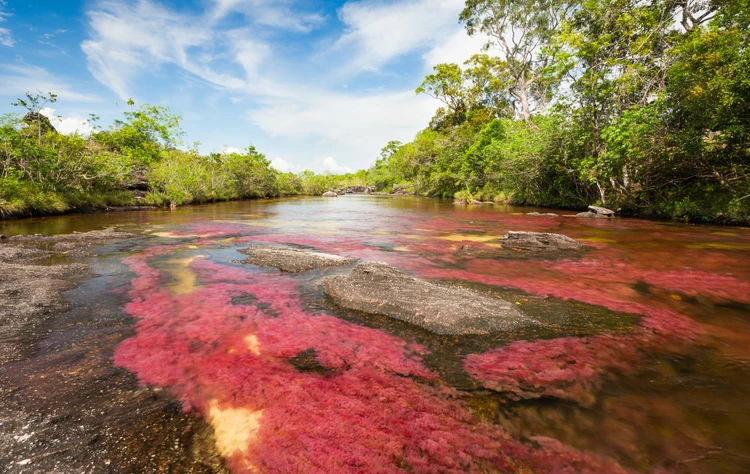
The river’s appearance is shaped by a single aquatic plant, Macarenia clavigera.
When water levels are neither too high nor too low, and sunlight penetrates the clear current, this plant turns vivid shades of red. Combined with yellow sandbanks, dark rock formations, and green algae, the river appears multicolored.
This phenomenon occurs only for a limited period each year, typically between July and October. Outside that window, the river remains beautiful but subdued.
Kuoda plans visits to the rainbow river Colombia based on ecological timing rather than calendar convenience, ensuring that travelers encounter the river when its natural conditions are most expressive.
The Geography That Protects the River
Caño Cristales flows across some of the oldest rock formations on Earth.
The Serranía de la Macarena sits at the intersection of the Andes, Amazon, and Orinoco regions. This geological convergence creates an environment unlike anywhere else in Colombia. Nutrient-poor rock limits algae growth, keeping the water exceptionally clear and allowing Macarenia clavigera to thrive.
Kuoda frames this geography as essential context. Understanding why the river exists as it does deepens appreciation and tempers expectation. The experience becomes about relationship rather than spectacle.
Experiencing the Rainbow River Colombia With Care
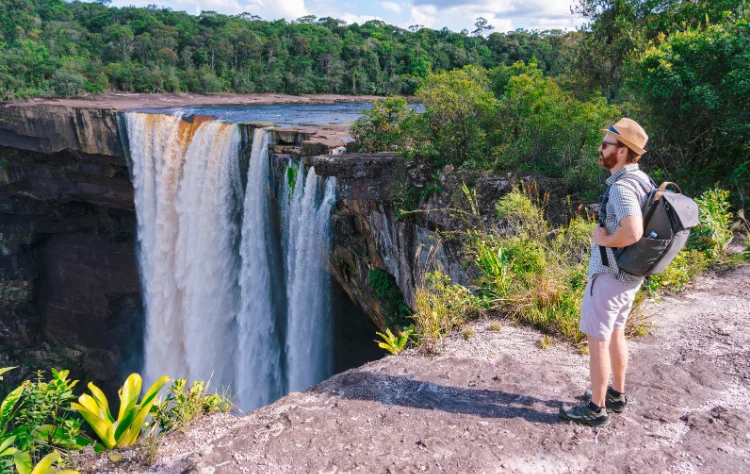
Access to Caño Cristales is intentionally limited.
Visitor numbers are regulated. Swimming is permitted only in designated areas. Sunscreen and insect repellent are restricted to protect the ecosystem. Movement follows established paths.
Kuoda designs journeys that work within these parameters seamlessly. Private guiding ensures clarity and flow. Daily schedules are adjusted to light conditions and river levels. Time is allowed for observation rather than movement.
This structure allows travelers to experience the rainbow river Colombia without friction, preserving both comfort and integrity.
La Macarena as Cultural Threshold
The small town of La Macarena provides essential orientation.
Here, life is shaped by conservation rules and seasonal rhythms. The community’s relationship with the river is pragmatic and protective. Tourism exists, but it is carefully managed.
Kuoda approaches La Macarena not as a stopover, but as part of the experience. Time in town offers insight into how conservation and daily life coexist. Encounters are quiet and respectful, reinforcing the sense that Caño Cristales is not isolated from human presence, but sustained by it.
Physical Experience and Accessibility
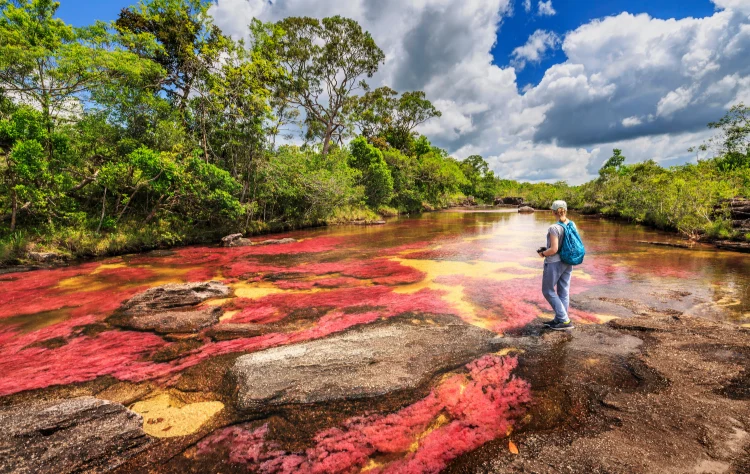
Visiting Caño Cristales involves moderate physical activity.
Days typically include boat transfers, short hikes over uneven rock, and time standing or wading in water. While not technically demanding, the experience requires balance and attentiveness.
Kuoda adapts pacing and access according to traveler comfort. Guides adjust routes and timing as needed, ensuring the journey feels supportive rather than strenuous.
This consideration allows the river to be experienced fully, without distraction or fatigue.
Integrating Caño Cristales Into a Broader Colombia Journey
Caño Cristales is best approached as a focused experience.
Kuoda integrates visits to the rainbow river Colombia into thoughtfully paced Colombia itineraries that prioritize depth over coverage. The river’s remoteness and seasonality require commitment, and Kuoda ensures that the surrounding journey supports that investment.
This may include time in Bogotá or other regions of Colombia before or after, allowing for contrast and reflection without diluting the experience.
Sustainability as Structure, Not Statement
Caño Cristales exists because it is protected.
Kuoda works exclusively within Colombia’s conservation framework, partnering with local guides and operators who uphold strict environmental standards. Visitor limits, trail discipline, and chemical restrictions are respected without exception.
Through responsible travel practices and community engagement initiatives connected to the Kaypi Kunan Foundation, Kuoda supports long-term stewardship across South America’s fragile ecosystems.
Sustainability here is procedural rather than performative.
Frequently Asked Questions
What is the rainbow river Colombia called?
The rainbow river Colombia is known as Caño Cristales, located in the Serranía de la Macarena.
When is the best time to visit Caño Cristales?
The optimal period is typically between July and October, when water levels and sunlight allow Macarenia clavigera to display its color.
Is swimming allowed in the river?
Yes, but only in designated areas and under strict guidelines to protect the ecosystem. Kuoda manages access carefully.
How many days are needed to visit Caño Cristales?
Most travelers spend three to four days in the region. Kuoda designs itineraries that balance immersion with comfort.
When Color Becomes Understanding
The rainbow river Colombia is not defined by permanence. It appears briefly, precisely, and only when conditions allow.
Standing beside Caño Cristales, travelers often notice how quickly expectation dissolves. Attention shifts from color alone to current, rock, and silence. The experience becomes less about witnessing something extraordinary and more about understanding why it exists at all.
Kuoda’s role is to design the conditions where that understanding can emerge naturally. Through timing, access, and deep local knowledge, the river reveals itself not as an image captured, but as a system encountered with care.
In that moment, the colors feel less like spectacle and more like conversation, one shaped by patience, ecology, and respect.
Fun Facts About Peru: What They a Reveal About How to Experience the Country
Fun facts about Peru are often presented as curiosities. Unexpected details. Numbers. Cultural references t...
Read Post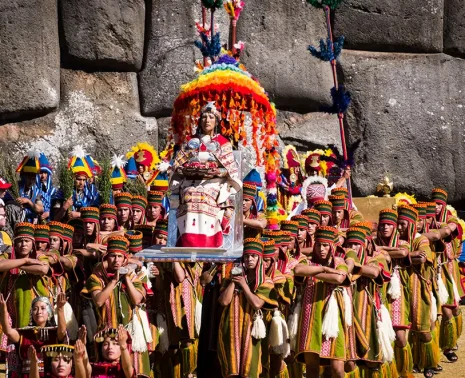
Discover the Secrets of Inti Raymi: Why Some Rituals Are Worth More Than a Thousand Monuments
There are days in Cusco when the city seems to hold its breath. It is not just the chill of June, which always...
Read Post
Otavalo: Culture, Craft, and the Living Highlands of Ecuador
High in Ecuador’s northern Andes, the town of Otavalo occupies a cultural landscape shaped by centuries of t...
Read Post
8 DAYS
Luxury Machu Picchu Tours: Unveiling Peru’s Timeless Wonders
Cusco, Lima, Machu Picchu, Sacred Valley

8 DAYS
Peru Family Vacation: Journey to Machu Picchu and Beyond
Cusco, Lima, Machu Picchu, Sacred Valley

11 DAYS
Amazon River Cruise: A Luxury Journey Through the Amazon
Lima, Cusco, Sacred Valley, Machu Picchu, Iquitos, Amazon River